Choosing fruit when you have diabetes can feel confusing. Fruit contains natural sugar, but it also provides fibre, vitamins, minerals, antioxidants and water, making it an important part of a balanced diet.
The key is not to avoid fruit completely. Instead, focus on portion size, total carbohydrate intake, fibre and the way you eat the fruit. Some fruits are naturally lower in sugar and carbohydrate than others, which can make them easier to fit into a blood-sugar-conscious eating pattern.
This guide to fruits low in sugar for diabetes covers nine nutritious choices: peaches, cranberries, cantaloupe, blackberries, grapefruit, raspberries, avocado, kiwi and oranges. It also explains how much to eat, what to pair with fruit and which common mistakes can cause blood sugar to rise more quickly.
Table of Contents
What Makes a Fruit Diabetes-Friendly?
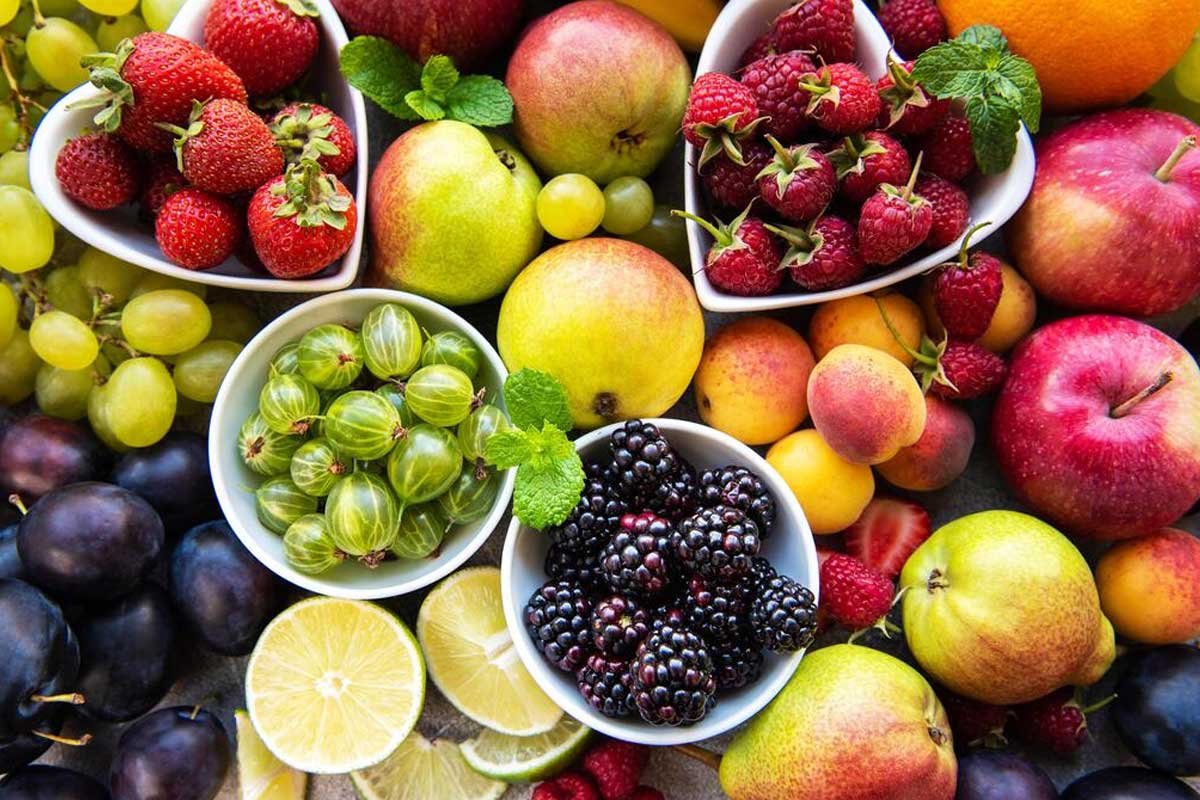
A diabetes-friendly fruit is not necessarily a fruit with zero sugar. Instead, several factors can influence how well a fruit fits into your eating pattern.
Fibre is especially important because it slows digestion and can help reduce how quickly carbohydrates are absorbed. Whole fruit is generally a better choice than fruit juice because it retains its fibre and usually requires more chewing.
Portion size also matters. Even a nutritious fruit contains carbohydrates, and eating a large amount at once can have a greater effect on blood glucose.
The overall meal matters too. Eating fruit alongside a source of protein, healthy fat or fibre can make the meal more filling and may help with steadier digestion.
9 Fruits Low in Sugar for Diabetes
In this section, you’ll discover 9 fruits low in sugar for diabetes, their key nutritional benefits, suitable serving ideas, and how to enjoy them as part of a balanced, blood-sugar-conscious diet.
1. Peaches

Peaches are naturally sweet, juicy and relatively moderate in sugar compared with many highly sweet fruits. They also provide fibre, vitamin C and vitamin A-related carotenoids.
A small or medium peach can be a convenient snack, particularly when eaten whole rather than blended or juiced. The important point is portion control. A large peach contains more carbohydrate than a small one, so serving size should fit your individual meal plan.
Best way to eat peaches: Choose a whole fresh peach with the skin when it is well washed. Pair it with plain Greek yogurt, cottage cheese or a small portion of nuts for a more balanced snack.
2. Cranberries
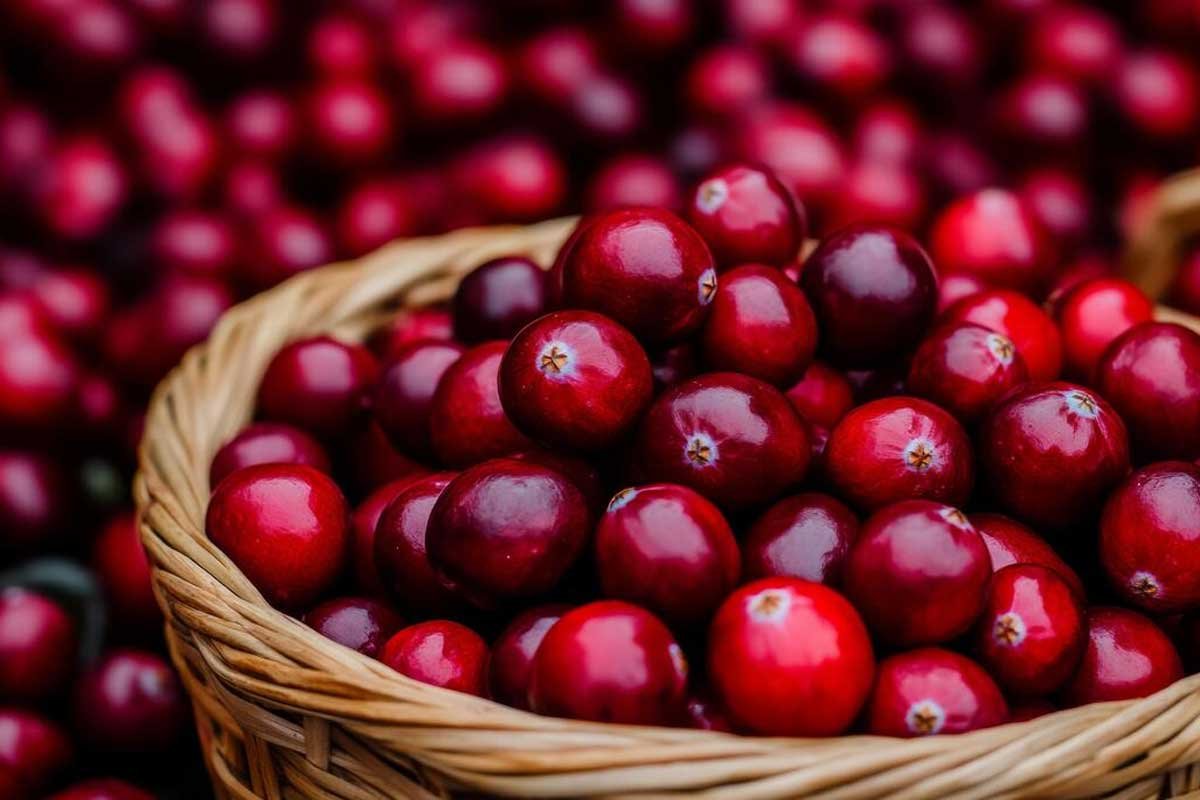
Cranberries are naturally tart and contain relatively little sugar when eaten fresh or unsweetened.
However, this fruit needs special attention because many cranberry products are sweetened. Dried cranberries, cranberry juice cocktails and sweetened cranberry sauces can contain significantly more added sugar than fresh cranberries.
If you choose cranberries, check the ingredient list and nutrition label carefully. Best way to eat cranberries: Use fresh or frozen unsweetened cranberries in small portions with plain yogurt, oatmeal or a salad.
3. Cantaloupe

Cantaloupe contains natural sugar but can still fit into a diabetes-friendly diet when eaten in a sensible portion. It has a high water content and provides nutrients such as vitamin C, vitamin A and potassium.
Because cantaloupe is easy to eat in large quantities, portion size is particularly important. Instead of eating a large bowl of melon, measure out a reasonable serving and combine it with protein or healthy fat. Best way to eat cantaloupe: Enjoy a modest portion with cottage cheese, plain yogurt or a handful of nuts.
4. Blackberries
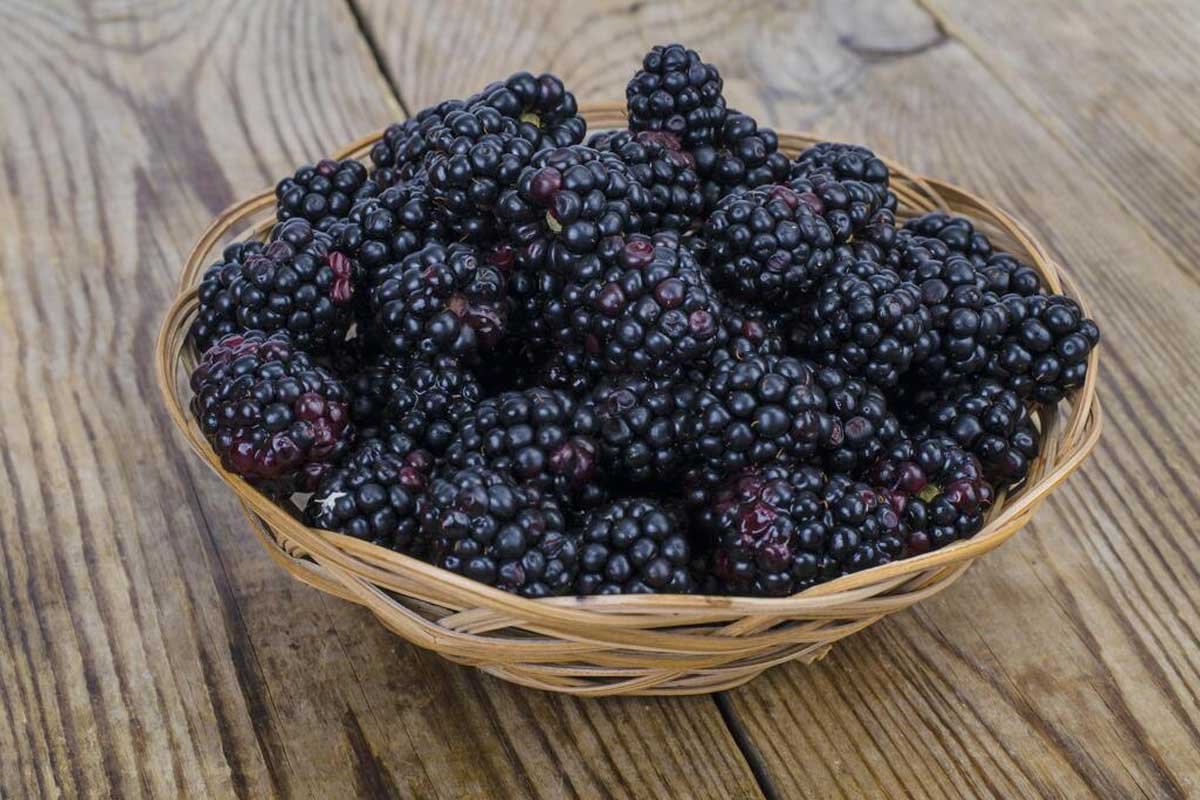
Blackberries are one of the most useful choices among fruits low in sugar for diabetes. They contain relatively little sugar and provide a substantial amount of dietary fibre.
Their dark colour also comes from naturally occurring plant compounds called anthocyanins. Blackberries are easy to add to breakfast or snacks without needing added sweeteners. Best way to eat blackberries: Add fresh blackberries to plain Greek yogurt, chia pudding or oatmeal, or simply eat them as a snack.
5. Grapefruit
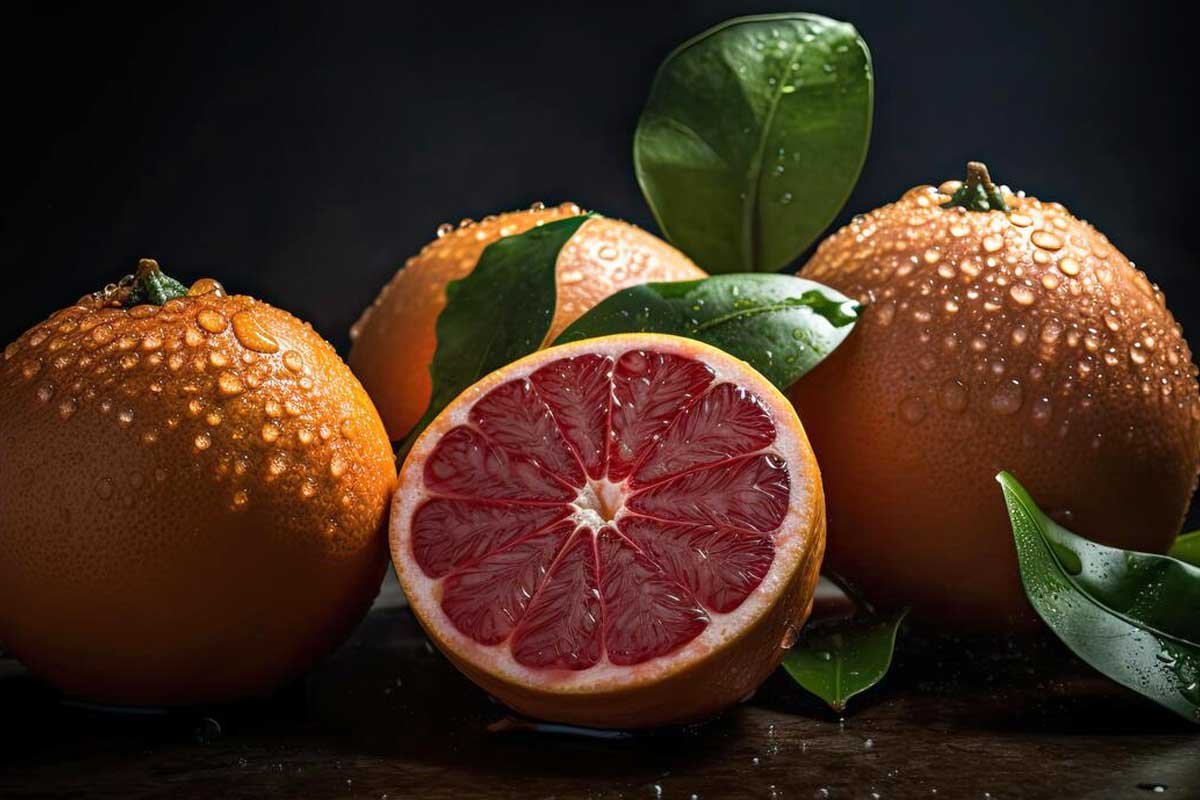
Grapefruit is relatively low in sugar and provides vitamin C, water and fibre, particularly when the whole fruit is eaten. Its naturally bitter and acidic flavour may also make it easier to avoid added sweeteners compared with sweeter fruits.
However, grapefruit has an important consideration: it can interact with certain medicines. If you take prescription medicines, check with your doctor or pharmacist before regularly adding grapefruit to your diet. Best way to eat grapefruit: Eat the whole fruit rather than drinking grapefruit juice, and avoid adding sugar.
6. Raspberries
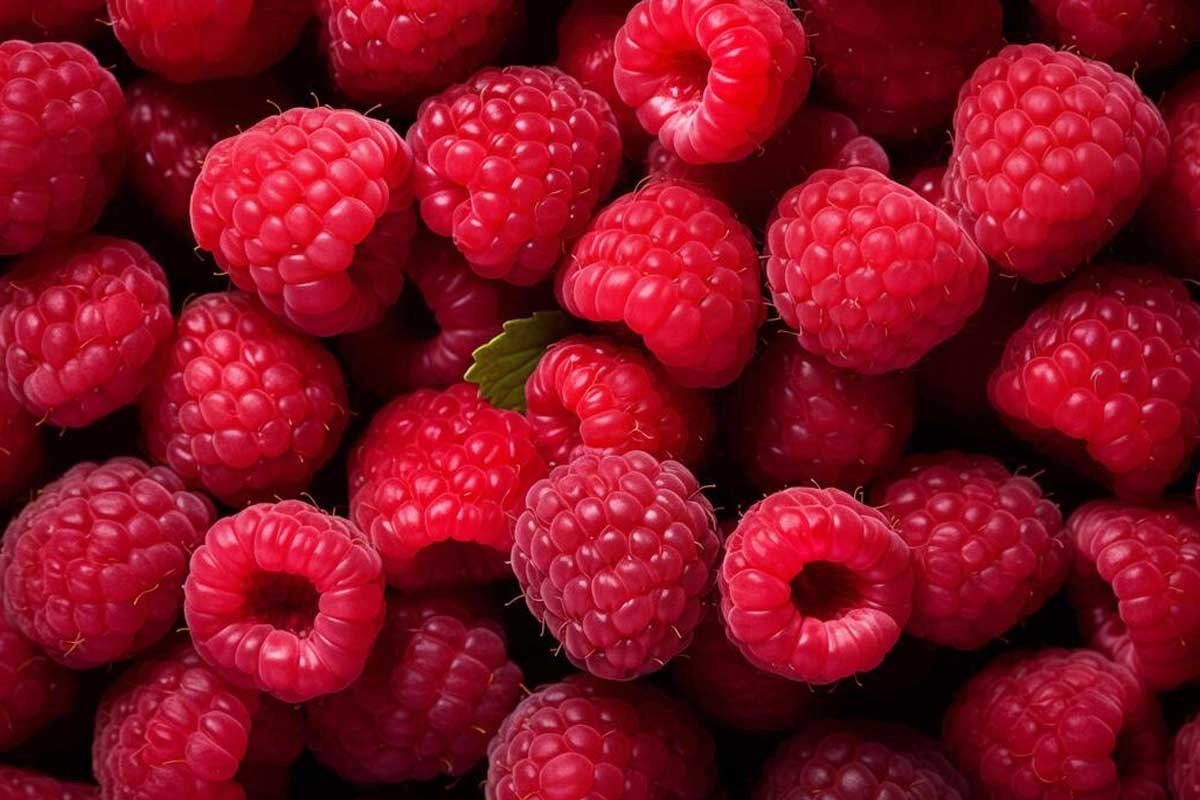
Raspberries are another excellent option when looking for fruits low in sugar for diabetes. They are naturally low in sugar and provide a notable amount of fibre. Their fibre content can help make a serving more filling than many highly processed sweet snacks.
Raspberries can also add sweetness and flavour without requiring sugar or syrup. Best way to eat raspberries: Combine them with plain yogurt, cottage cheese, chia seeds or a small serving of nuts.
Also Read: Bitter Gourd Juice Benefits for Diabetes: 7 Key Benefits
7. Avocado
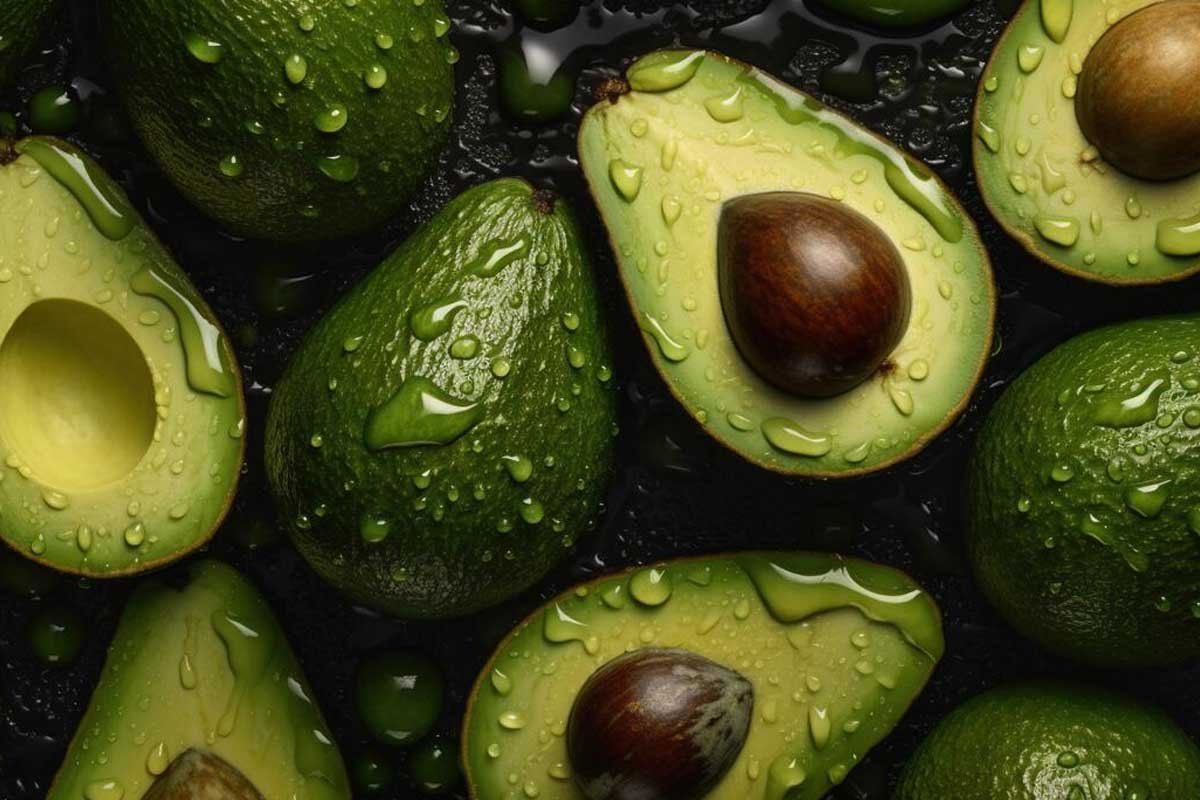
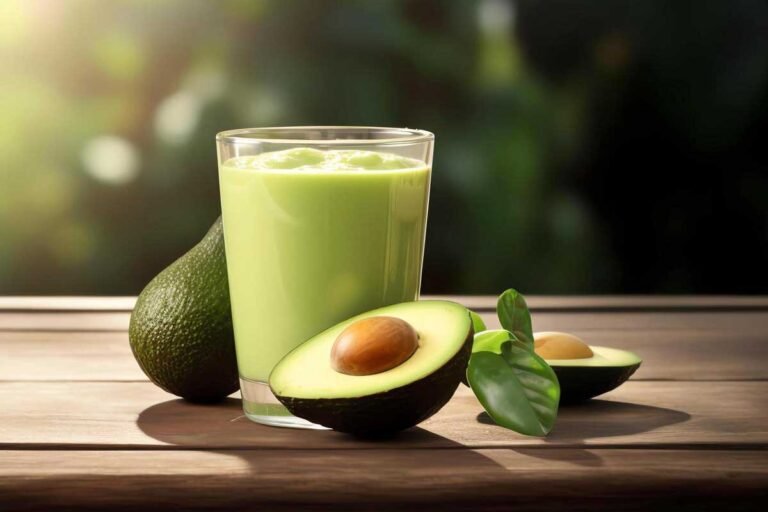
Avocado is technically a fruit and is one of the lowest-sugar choices on this list. It contains very little natural sugar and provides monounsaturated fat, fibre, potassium and other nutrients.
Unlike most fruits, avocado is not primarily a carbohydrate food. Its healthy fat content also makes it more filling. Avocado can therefore be especially useful for people who want to add fruit to meals without adding much sugar.
Best way to eat avocado: Add sliced avocado to eggs, salads or whole-grain toast, or use mashed avocado as a creamy spread without added sugar.
8. Kiwi
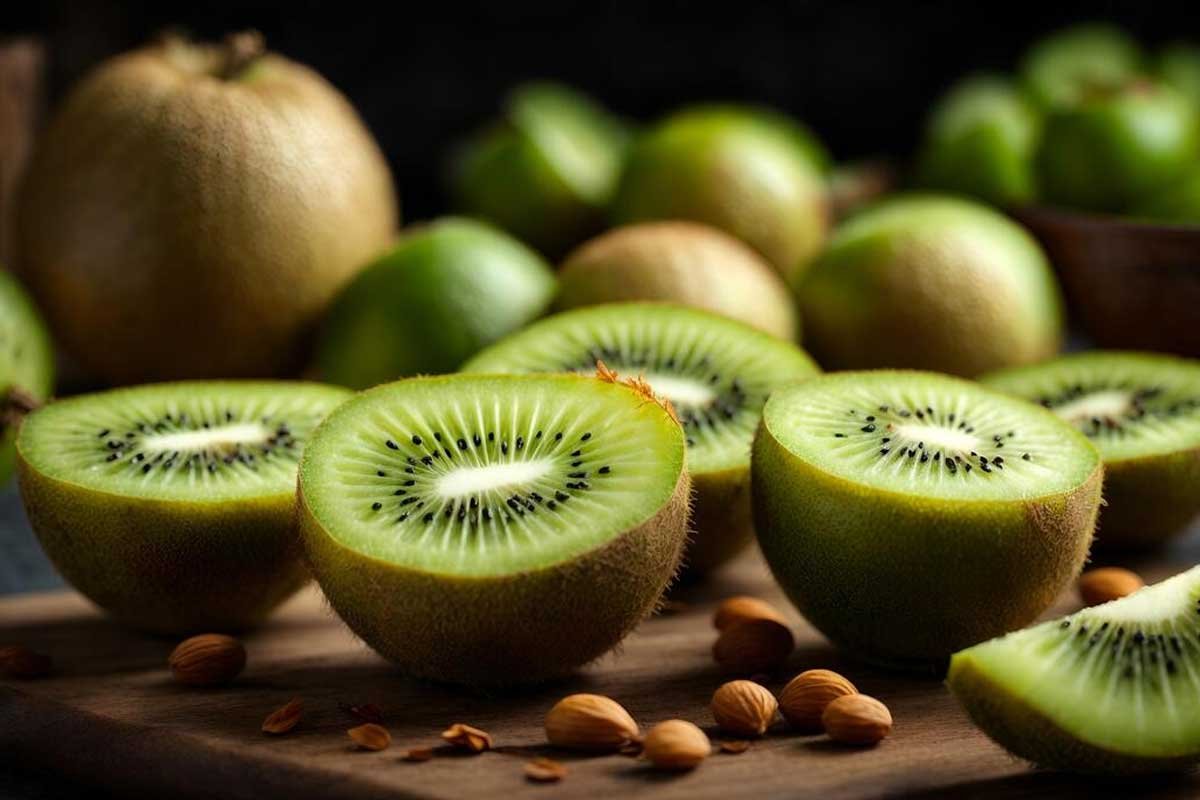
Kiwi provides natural sweetness along with fibre, vitamin C and other nutrients. It contains more natural sugar than some berries but can still fit comfortably into many diabetes-friendly eating patterns.
Eating the whole fruit is preferable to drinking kiwi juice because whole fruit retains its fibre. Best way to eat kiwi: Slice one kiwi into plain yogurt or enjoy it with a small serving of nuts or seeds.
9. Oranges
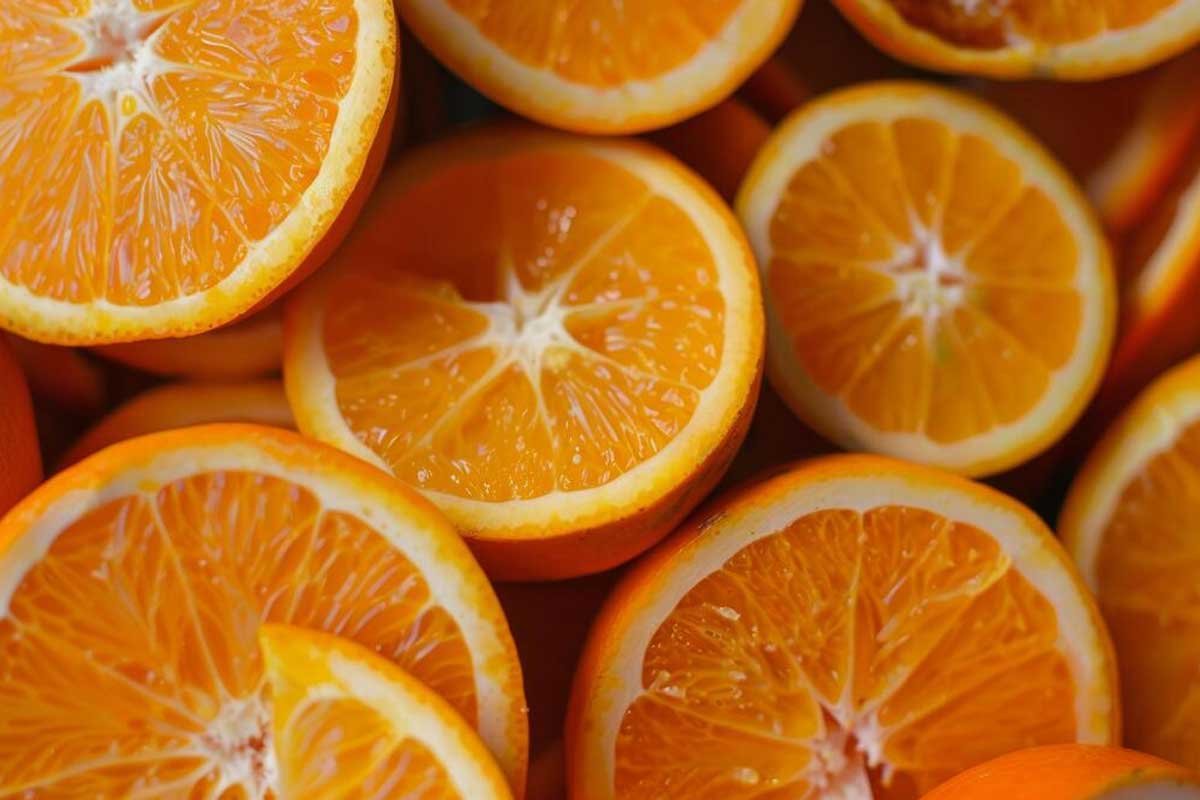
Oranges contain natural sugar, but whole oranges also provide fibre, water and vitamin C. This makes a whole orange a very different choice from a glass of orange juice.
Eating the fruit requires chewing and provides the pulp and fibre that are largely lost during juicing. Best way to eat oranges: Choose a whole orange as a snack or add orange segments to a salad. Avoid adding sugar or syrup.
Also Read: Best Breakfast for Diabetes Type 2: Healthy Morning Meal Ideas
Benefits of Choosing Fruits Low in Sugar for Diabetes
Choosing lower-sugar fruits can offer several nutritional advantages, particularly when they replace highly processed desserts and sugary snacks.
They Can Provide Fibre
Many whole fruits provide dietary fibre, which supports digestive health and contributes to fullness. Berries are particularly useful because they can provide a lot of fibre relative to their carbohydrate content.
They Provide Important Vitamins and Minerals
Fruit can contribute nutrients such as vitamin C, potassium, folate and carotenoids. Eating a variety of fruits is generally more useful than focusing on one “superfruit.”
They Can Replace Highly Processed Sweet Foods
Replacing cookies, sweets, cakes or sugary snacks with a portion of whole fruit can improve the overall nutritional quality of a meal or snack. The benefit comes from the overall dietary pattern rather than from a single fruit.
They Add Variety to a Diabetes-Friendly Diet
Avoiding all fruit can make a diet unnecessarily restrictive. Including appropriate portions of different fruits can make healthy eating more enjoyable and sustainable.
Best Time to Eat Fruit
There is no universally proven best time to eat fruit for diabetes.
Fruit can be included at breakfast, lunch, dinner or as a snack. What matters more is the portion, total carbohydrate intake and what you eat with the fruit.
For some people, eating fruit with a meal may be easier for blood glucose management than eating a large serving by itself. A simple approach is to spread fruit portions throughout the day rather than eating several servings at once.
Best Ways to Use These Fruits
Choose Whole Fruit
Whole fruit is generally preferable to juice because it retains its fibre and is more filling.
Pair Fruit With Protein or Healthy Fat
Try combinations such as:
- Blackberries + plain Greek yogurt
- Raspberries + chia seeds
- Peach + unsweetened yogurt
- Orange + a small handful of nuts
- Kiwi + plain yogurt
- Cantaloupe + cottage cheese
- Avocado + eggs
- Grapefruit + a protein-rich breakfast
These combinations can make snacks more satisfying.
Nutrition and Portion Guide
The exact carbohydrate and sugar content varies with fruit size, variety and preparation. The following is a practical guide rather than a prescription.
| Fruit | Practical Portion | Key Nutritional Advantage |
| Peach | 1 small to medium | Fibre and vitamin C |
| Cranberries | Small serving, unsweetened | Low natural sugar and plant compounds |
| Cantaloupe | About ½-1 cup | Water, vitamin C and vitamin A |
| Blackberries | About ½-1 cup | Fibre and low natural sugar |
| Grapefruit | About ½-1 whole, depending on size | Vitamin C and water |
| Raspberries | About ½-1 cup | High fibre and low natural sugar |
| Avocado | About ¼-½ avocado | Healthy fats and fibre |
| Kiwi | 1-2 small fruits | Fibre and vitamin C |
| Orange | 1 small to medium | Fibre, vitamin C and water |
For people counting carbohydrates, use the nutrition label or a reliable food database for the specific fruit and portion you are eating.
Also Read: Foods to Avoid With Diabetes Type 2: Complete 2026 Guide
Common Mistakes
Mistake 1: Avoiding All Fruit
Having diabetes does not automatically mean you need to stop eating fruit. The better approach is to understand portion size and carbohydrate content.
Mistake 2: Assuming Natural Sugar Does Not Matter
Natural sugar is still carbohydrate. Large portions can affect blood glucose even when the food is nutritious.
Mistake 3: Drinking Fruit Juice
A glass of juice can contain the juice of several pieces of fruit without providing the same fullness as eating whole fruit.
Mistake 4: Choosing Sweetened Dried Fruit
Dried fruit is concentrated, which makes portion control more difficult. Some products also contain added sugar.
Mistake 5: Eating Huge Fruit Bowls
A large bowl of mixed fruit may look healthy but can contain several servings of carbohydrate.
Mistake 6: Adding Sugar to Naturally Sweet Fruit
Sugar, honey, syrup and sweetened toppings can quickly turn a nutritious snack into a much higher-sugar option.
Frequently Asked Questions for Fruits Low in Sugar for Diabetes
Q1. What are the best fruits low in sugar for diabetes?
Raspberries, blackberries and avocado are among the lowest-sugar choices on this list. Grapefruit, peaches, kiwi, oranges and cantaloupe can also fit into a diabetes-friendly eating pattern when portions are appropriate.
Q2. Can people with diabetes eat fruit every day?
Yes. Whole fruit can be part of a healthy diabetes-friendly diet. The important factors are portion size, carbohydrate intake, food quality and your individual blood glucose response.
Q3. Are berries better than other fruits for diabetes?
Berries such as raspberries and blackberries are particularly useful because they are relatively low in sugar and provide fibre. However, that does not mean other whole fruits need to be avoided.
Q4. Is avocado good for diabetes?
Avocado is a very low-sugar fruit and provides fibre and mostly monounsaturated fat. It can be a useful addition to meals, although portion size still matters because avocado is energy-dense.
Q5. Can I eat oranges if I have diabetes?
Yes. A whole orange can fit into a diabetes-friendly diet. Whole oranges provide fibre and water, making them a better everyday choice than orange juice.
Q6. Is grapefruit good for people with diabetes?
Grapefruit can be a nutritious, relatively low-sugar fruit. However, grapefruit can interact with certain medications, so check with your doctor or pharmacist if you take prescription medicines.
Q7. Can I drink fruit juice if I have diabetes?
Fruit juice is generally less filling and contains less fibre than whole fruit. For everyday use, whole fruit is usually the better choice.
Q8. Are dried cranberries good for diabetes?
Fresh or frozen unsweetened cranberries are very different from many dried cranberry products. Dried cranberries are concentrated and may contain added sugar, so check the nutrition label and serving size carefully.
Q9. What is the best time to eat fruit for diabetes?
There is no single best time. Fruit can be eaten throughout the day. Portion size, total carbohydrate intake and the overall meal are more important than a specific time.
Q10. How much fruit should someone with diabetes eat?
There is no one portion that works for everyone. A common practical approach is to start with one moderate serving at a time and account for the carbohydrates within your overall meal plan. Your healthcare professional or registered dietitian can help determine the right amount for your individual needs.
Conclusion
Choosing fruits low in sugar for diabetes does not mean giving up fruit or eating only one type of produce.
Raspberries, blackberries, avocado, grapefruit, peaches, kiwi, oranges, cantaloupe and unsweetened cranberries can all have a place in a balanced eating pattern. The most important habits are choosing whole fruit, controlling portions, avoiding added sugars and limiting juice.
Remember that the amount you eat matters as much as the type of fruit. Pairing fruit with protein, healthy fats or other high-fibre foods can also make a snack or meal more satisfying.
If you have diabetes, use your own blood glucose response and individualized nutrition plan as a guide rather than assuming that every “low-sugar” fruit will affect everyone in exactly the same way.
Medical Disclaimer
This article is for general educational and informational purposes only and is not a substitute for professional medical advice, diagnosis or treatment. If you have diabetes, take glucose-lowering medication, or have another medical condition, speak with your doctor or a registered dietitian before making significant changes to your diet. Never change or stop prescribed medication based solely on information in this article.

I am Danish, the creator of Health Update 24. I write about health, nutrition, fitness, and healthy lifestyle topics, sharing simple, practical, and well-researched information to help readers make informed decisions about their well-being. Know More