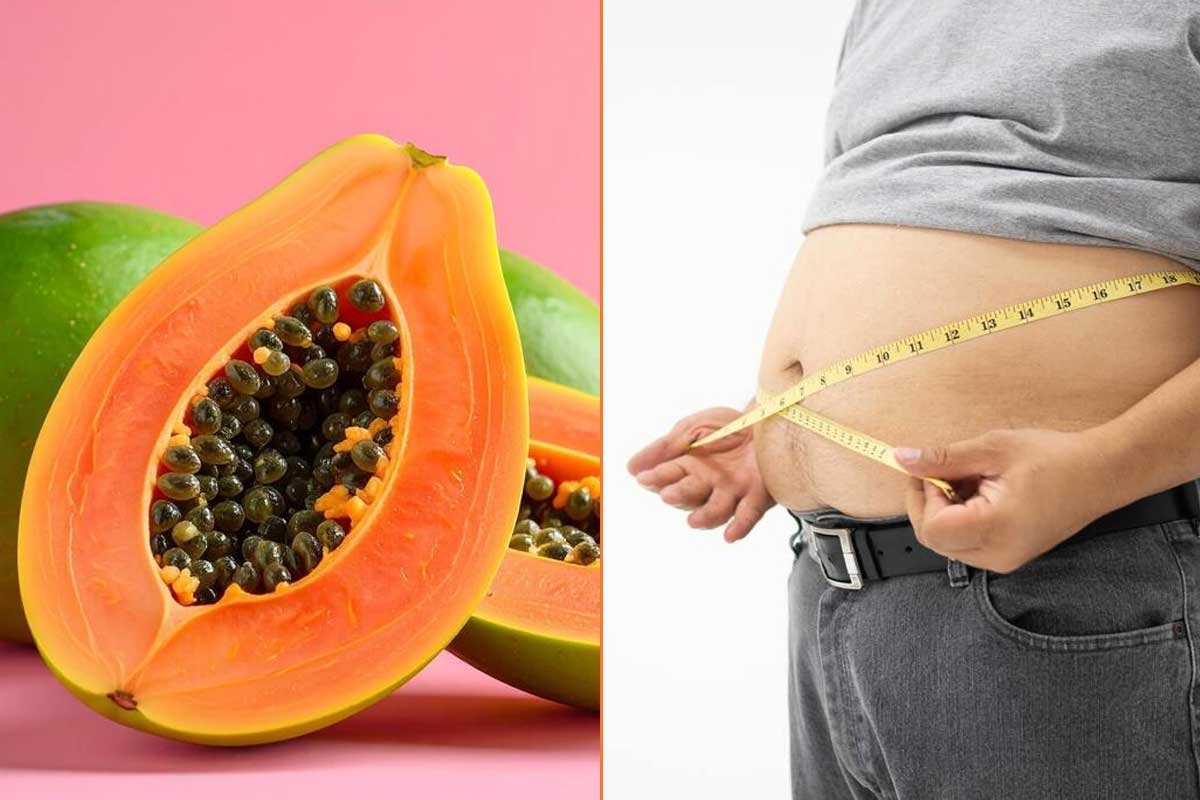
Is papaya good for weight loss? For most healthy adults, papaya can fit well into a weight-loss diet. It is naturally sweet, contains plenty of water and provides fiber, vitamins and other plant compounds while being relatively low in calories.
But there is an important distinction: papaya itself does not burn belly fat or cause weight loss on its own. Losing body fat generally requires maintaining a calorie deficit over time, while getting enough protein, staying active and following an overall nutritious eating pattern.
If you enjoy papaya, replacing higher-calorie desserts or snacks with a sensible serving of fresh papaya may make it easier to manage your calorie intake.
Quick Answer: Is Papaya Good for Weight Loss?
Yes, papaya can be good for weight loss when eaten as part of a balanced, calorie-controlled diet.
Here is why:
- Papaya is relatively low in calories.
- It has a high water content, which makes it refreshing and filling.
- It provides dietary fiber, which can support fullness.
- Its natural sweetness may help satisfy a sweet craving.
- It provides nutrients such as vitamin C, vitamin A-related carotenoids and folate.
- It can replace more calorie-dense desserts and snacks.
However, papaya is not a fat-burning food. Eating large portions, adding sugar or consuming papaya juice instead of whole fruit can increase calorie intake.
Table of Contents
Is Papaya Good for Weight Loss?
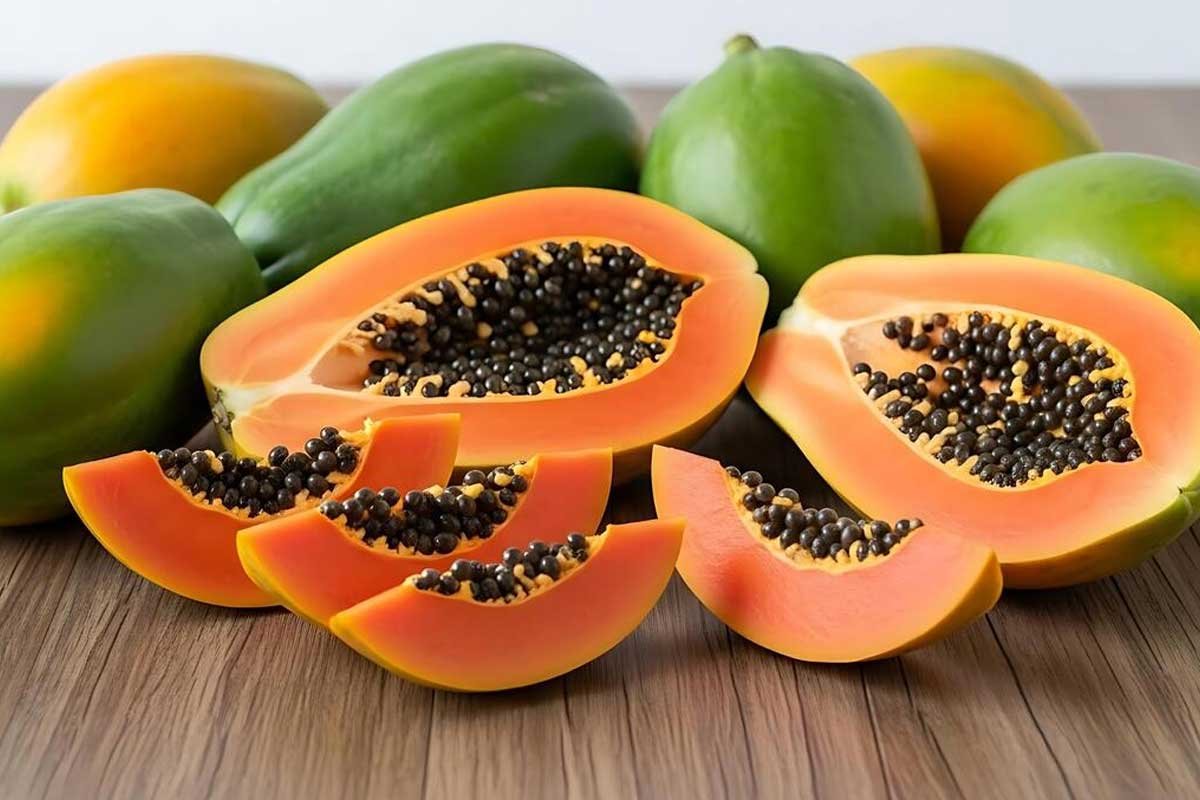
Papaya can be a smart fruit choice for people trying to lose weight, particularly when it replaces foods that are higher in calories and added sugar.
A serving of fresh papaya provides water and fiber along with natural carbohydrates. Because fruit is generally less calorie-dense than many processed snacks, choosing papaya instead of pastries, sweets or sugary desserts can help reduce total calorie intake.
The key is portion size and what the papaya replaces.
For example, eating a bowl of fresh papaya instead of a large slice of cake can make a meaningful difference in your overall calorie intake. But adding several cups of papaya on top of your usual meals does not automatically create a calorie deficit.
Does Papaya Burn Fat?
No. Papaya does not directly burn body fat.
There is no single fruit that can selectively melt belly fat or dramatically speed up fat loss. Body-fat reduction happens when your body consistently uses more energy than you consume over time.
Papaya can still be useful because it is a nutrient-dense food that can make a healthy diet easier to follow. Think of papaya as a supporting food, not a weight-loss treatment.
Is Papaya Good for Fat Loss?

Yes, papaya can be included in a fat-loss diet, but its role is mainly nutritional rather than fat-burning.
When trying to lose body fat, the overall quality of your diet matters. A meal containing protein, vegetables, whole foods and an appropriate amount of carbohydrates and fats is generally more important than choosing one particular fruit.
Papaya may help by:
- Providing volume and water for relatively few calories.
- Adding fiber to your diet.
- Offering a naturally sweet alternative to processed desserts.
- Providing important micronutrients.
- Making healthy snacks more enjoyable and sustainable.
If your goal is fat loss, pair papaya with a balanced eating pattern rather than relying on it as a special food.
Why Papaya May Help With Weight Management
It Is Relatively Low in Calories
Fresh papaya is relatively low in calories compared with many calorie-dense desserts and processed snacks. This makes it easier to include a reasonable portion in a calorie-conscious diet without using a large amount of your daily calorie budget.
However, low-calorie does not mean unlimited. Eating very large portions can still contribute significant calories.
It Contains Dietary Fiber
Papaya provides dietary fiber, although it should not be considered an exceptionally high-fiber food.
Fiber can contribute to satiety and digestive health, particularly when your overall diet contains a variety of fiber-rich foods such as vegetables, legumes, whole grains, nuts and seeds.
Eating whole papaya is generally more beneficial for fullness than drinking papaya juice because whole fruit retains its natural structure and fiber.
It Has a High Water Content
Papaya contains a substantial amount of water, which contributes to its refreshing texture and relatively low calorie density. Foods with high water content can add volume to meals and snacks without contributing as many calories as many dry, energy-dense foods.
It Can Help Satisfy Sweet Cravings
One of the practical papaya health benefits for people trying to improve their diet is that it tastes naturally sweet. Instead of reaching for cookies, candy or other desserts every time you want something sweet, a serving of ripe papaya can be a nutritious alternative.
The goal is not to eliminate all treats. Rather, making nutrient-rich choices more often can make weight management easier.
Papaya Health Benefits
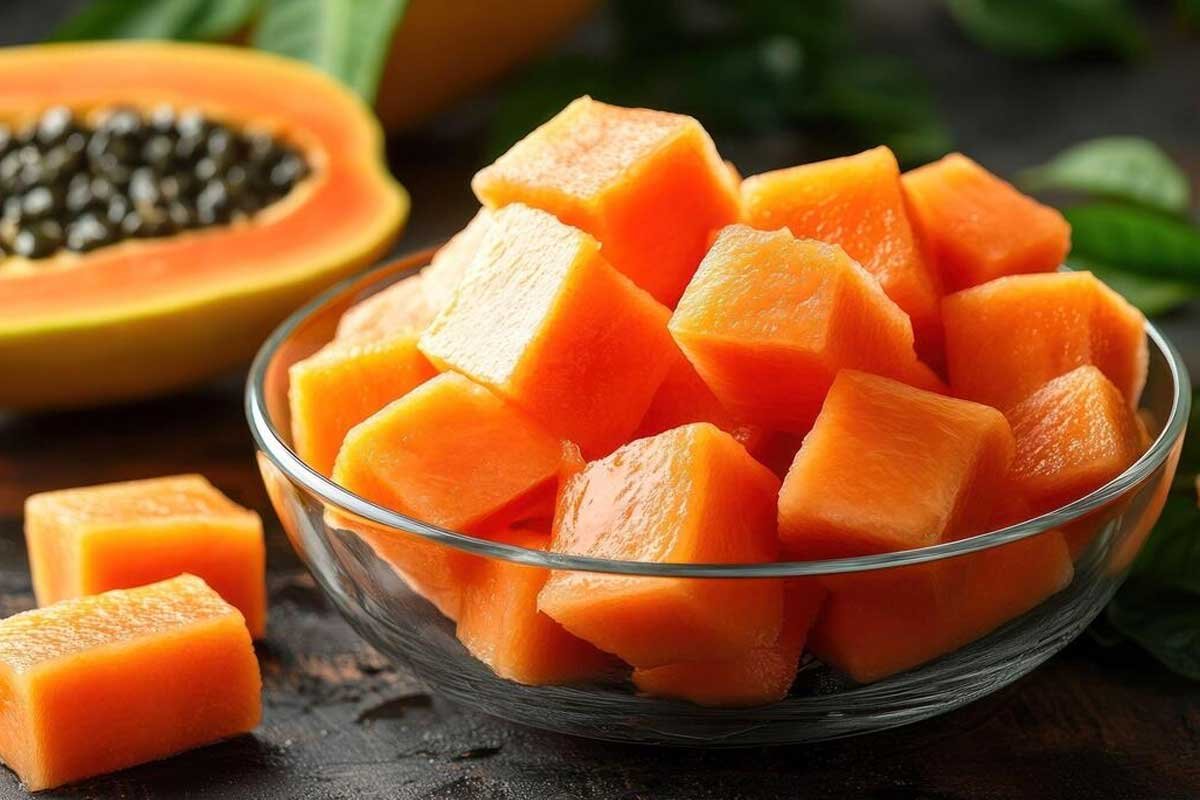
Papaya offers more than potential weight-management benefits. It contains several nutrients and plant compounds that can contribute to an overall healthy eating pattern.
Rich in Vitamin C
Papaya is a good source of vitamin C, an essential nutrient involved in normal immune function, collagen formation and antioxidant protection. Getting enough vitamin C from foods such as fruits and vegetables is an important part of a balanced diet.
Provides Carotenoids
Papaya contains naturally occurring carotenoids, including beta-carotene and other compounds that contribute to its orange color. The body can convert beta-carotene into vitamin A as needed. Vitamin A plays important roles in normal vision, immune function and other physiological processes.
Supports a Nutrient-Dense Diet
A weight-loss diet should not be based only on reducing calories. Nutrient quality matters too. Including fruits such as papaya can help add vitamins, minerals, fiber and beneficial plant compounds while keeping meals interesting and varied.
May Support Digestive Health
Papaya contains water and dietary fiber, both of which can contribute to normal digestive function.
Papaya also contains an enzyme called papain, which is involved in protein digestion. Although papain is commonly associated with digestion, eating papaya should not be viewed as a treatment for digestive disorders.
Also Read: Beetroot Juice Benefits for Weight Loss: Does It Really Help?
How Much Papaya Should You Eat?
There is no universal amount of papaya that guarantees weight loss. For many people, about 1 cup of fresh papaya can work well as a snack or as part of a meal. Your ideal serving depends on your overall calorie needs, hunger, activity level and the rest of your diet.
A useful approach is to focus on your total daily eating pattern rather than a fixed papaya amount. If you are already eating several servings of fruit each day, adding a large amount of papaya may not provide an additional weight-loss advantage. It may simply increase your total calorie intake.
Is Papaya Good for Belly Fat?
Papaya can be part of a diet designed to reduce overall body fat, but it does not specifically target belly fat.
The body does not choose exactly where fat will be lost based on which food you eat. Genetics, hormones, age, sex, activity levels and overall energy balance all influence body-fat distribution.
If reducing abdominal fat is your goal, focus on sustainable habits such as:
- Maintaining an appropriate calorie deficit.
- Eating enough protein.
- Choosing mostly minimally processed foods.
- Getting adequate dietary fiber.
- Performing regular aerobic activity.
- Doing strength training.
- Sleeping well.
- Limiting excess alcohol and highly processed foods.
Papaya can fit into this pattern, but it is only one small part of the overall strategy.
Best Time to Eat Papaya for Weight Loss
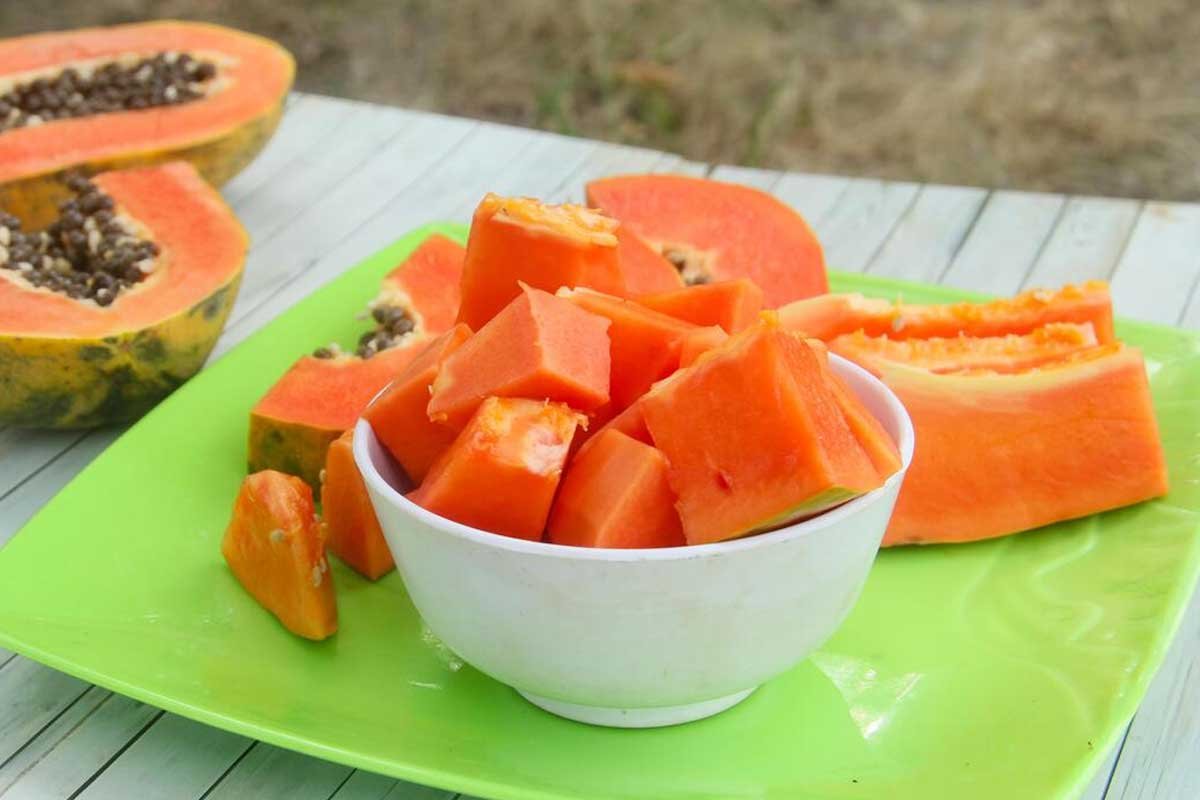
There is no scientifically proven time of day when papaya burns more fat. The best time to eat papaya is the time that fits comfortably into your overall diet and helps you avoid higher-calorie foods.
For many people, papaya works well as a mid-morning or afternoon snack. You can also include it with breakfast or as part of a balanced meal. The important factor is not whether you eat papaya at 8 a.m. or 8 p.m. It is your total calorie intake and overall eating pattern.
Papaya in the Morning
Eating papaya in the morning can be a convenient way to include fruit in your diet.
You can have a serving of fresh papaya alongside a protein-rich breakfast such as:
- Greek yogurt with papaya
- Eggs with whole-grain toast and papaya
- Oatmeal topped with papaya
- Cottage cheese with papaya
- A balanced smoothie containing papaya and a protein source
Papaya alone is relatively low in protein, so pairing it with a protein-rich food can make breakfast more nutritionally balanced.
Papaya as an Afternoon Snack
Papaya can be a useful afternoon snack when you want something naturally sweet.
Instead of reaching for cookies, pastries or candy, try a moderate serving of fresh papaya. This can give you sweetness and volume without the calorie density of many processed desserts.
If you regularly become hungry between meals, pairing papaya with a source of protein or healthy fat may help make the snack more satisfying.
Also Read: Is Peanut Butter Good for Weight Loss? 9 Things to Know
Benefits of Eating Papaya at Night
Eating papaya at night is not inherently bad for weight loss. The idea that fruit must be avoided after a particular time because it automatically turns into body fat is not supported by basic energy-balance principles.
If you are hungry in the evening, a reasonable portion of fresh papaya can be an appropriate snack. However, there is an important consideration: your total daily calorie intake still matters.
If you have already eaten enough for the day and add a large bowl of papaya on top of your usual intake, those additional calories still count.
Can You Eat Papaya Before Bed?
You can eat papaya before bed if it suits your eating pattern and does not cause digestive discomfort. A small to moderate portion may be more practical than a very large bowl immediately before sleeping.
People who experience bloating, loose stools or digestive discomfort after eating fruit should adjust their portion or timing.
Best Ways to Use Papaya for Weight Loss
How you eat papaya can make a significant difference.
Eat Fresh Whole Papaya
Fresh whole papaya is generally the best option for a weight-conscious diet. It provides water, fiber and naturally occurring nutrients without the added sugars commonly found in some processed fruit products.
Simply cut ripe papaya into cubes and eat it on its own or combine it with other nutritious foods.
Pair Papaya With Protein
One limitation of papaya is that it contains very little protein.
For a more satisfying snack, combine it with foods such as:
- Plain Greek yogurt
- Cottage cheese
- Unsweetened yogurt
- A small portion of nuts or seeds
- A protein-rich breakfast
This approach can make your snack more balanced than eating a large serving of fruit alone.
Add Papaya to a Fruit Bowl
Papaya can be combined with other fruits such as berries, kiwi or apple. However, remember that healthy foods still contain calories. A very large fruit bowl can become a substantial snack.
Keep portions appropriate for your personal calorie needs.
Add Papaya to Salads
Papaya does not have to be used only in sweet dishes. Fresh papaya can be added to salads with vegetables, leafy greens, lean protein and a light dressing. This can create a nutrient-dense meal without relying on sugary sauces.
Use Papaya Instead of High-Calorie Desserts
This is one of the most practical ways papaya can support weight management. If you usually eat a calorie-dense dessert after dinner, replacing it with a moderate serving of fresh papaya may help lower your overall calorie intake.
The replacement matters more than the papaya itself.
What About Papaya Juice for Weight Loss?
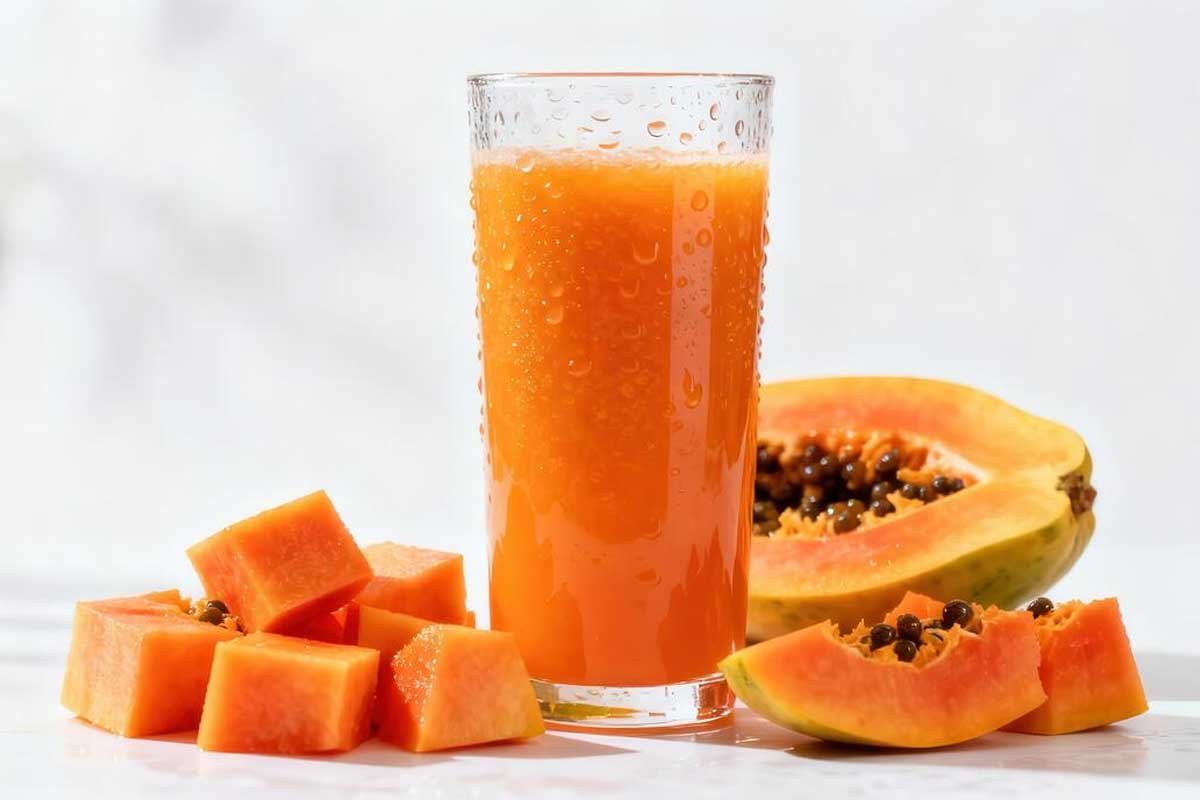
Whole papaya is generally a better choice than papaya juice when weight loss is your goal.
Juicing can make it easier to consume a large amount of fruit quickly, while the resulting drink may be less filling than eating the whole fruit.
Store-bought papaya drinks can also contain added sugar, which can significantly increase calorie intake.
If you enjoy a smoothie, consider keeping the whole fruit and avoiding added sugar, syrups and sweetened juices.
Papaya Nutrition Information
Fresh papaya is mostly water and provides relatively few calories per 100 grams. A typical 100-gram portion contains approximately 43 calories, 10.8 grams of carbohydrate, 1.7 grams of fiber and 0.5 grams of protein.
A cup of cubed papaya, around 145 grams, provides roughly 62 calories and 2.5 grams of fiber, along with substantial vitamin C and other nutrients.
| Nutrient | Approx. amount per 100 g |
|---|---|
| Calories | 43 kcal |
| Carbohydrates | 10.8 g |
| Fiber | 1.7 g |
| Protein | 0.5 g |
| Fat | 0.3 g |
| Water | About 88 g |
Nutrition values can vary depending on the variety, ripeness and serving size.
Risks or Side Effects of Eating Papaya
For most people, moderate amounts of ripe papaya are well tolerated. However, eating large quantities may cause digestive symptoms in some individuals.
Possible problems include:
- Bloating
- Loose stools
- Stomach discomfort
- Digestive upset
- Allergic reactions in sensitive individuals
If you notice symptoms after eating papaya, reduce the portion or stop eating it and discuss persistent reactions with a healthcare professional.
Also Read: What to Drink to Lose Belly Fat in 1 Week: 7 Best Choices
Expert Tips for Including Papaya in a Weight-Loss Diet
- Choose fresh, ripe papaya instead of sugar-coated dried versions.
- Keep your serving moderate and appropriate for your calorie needs.
- Pair papaya with protein when using it as a snack or breakfast component.
- Use it to replace higher-calorie desserts, rather than simply adding it to your existing diet.
- Choose whole papaya instead of sugary fruit drinks.
- Do not rely on papaya to burn fat or reduce belly fat.
- Combine fruit with vegetables, whole grains, protein and healthy fats for a balanced diet.
- Pay attention to hunger and fullness cues rather than following rigid fruit-timing rules.
- If your goal is fat loss, prioritize overall calorie balance, protein intake, physical activity and sleep.
- If you have a medical condition or specific dietary restriction, ask a qualified healthcare professional whether papaya fits your diet.
The Bottom Line on Papaya and Weight Loss
Papaya can be a good choice for weight loss, especially when it replaces calorie-dense desserts or processed snacks.
Its relatively low calorie density, water content, fiber and micronutrients make it a useful addition to a balanced eating pattern. However, papaya does not directly burn fat, and there is no special time of day when it causes greater fat loss.
For the best results, eat sensible portions of whole papaya and combine it with an overall diet rich in protein, vegetables, whole grains, healthy fats and other fruits.
10 Frequently Asked Questions About Papaya and Weight Loss
Q1. Is papaya good for weight loss?
Yes, papaya can be included in a weight-loss diet. It is relatively low in calories, contains water and fiber, and provides several important nutrients. However, papaya does not directly cause fat loss. Weight loss depends primarily on your overall calorie balance and long-term eating and activity habits.
Q2. Is papaya good for fat loss?
Papaya can be part of a fat-loss diet, but it is not a fat-burning food. Eating papaya may help you choose a lower-calorie, nutrient-rich snack instead of a calorie-dense dessert. Reducing body fat requires an overall sustainable calorie deficit.
Q3. What is the best time to eat papaya for weight loss?
There is no scientifically established best time to eat papaya for weight loss. You can enjoy it in the morning, as a mid-morning or afternoon snack, or in the evening. The most important factors are your total calorie intake and the quality of your overall diet.
Q4. Can I eat papaya at night while trying to lose weight?
Yes, you can eat ripe papaya at night. Eating fruit after a particular time does not automatically cause weight gain. Keep the portion reasonable and consider your total calorie intake for the day.
Q5. Does papaya reduce belly fat?
No, papaya does not specifically reduce belly fat. There is no food that can selectively remove fat from one area of the body. Reducing abdominal fat generally requires reducing overall body fat through sustainable nutrition and physical activity.
Q6. How much papaya should I eat for weight loss?
A practical serving for many adults is around 1 cup of fresh papaya, although individual needs vary. Your ideal portion depends on your calorie requirements, hunger, activity level and what else you eat during the day.
Q7. Can I eat papaya every day?
Yes, most people can enjoy ripe papaya regularly as part of a varied diet. Eating different fruits and vegetables is generally preferable to relying heavily on one food. If papaya causes digestive discomfort or an allergic reaction, reduce or avoid it and seek professional advice when appropriate.
Q8. Is papaya better than papaya juice for weight loss?
Whole papaya is generally the better choice. Whole fruit retains its natural fiber and tends to be more satisfying than drinking fruit in liquid form. Sweetened papaya drinks may also contain additional calories from added sugar.
Q9. Can papaya help with constipation?
Papaya contains water and dietary fiber, which can contribute to normal digestive health. However, persistent or severe constipation should not be managed by relying only on papaya. Adequate fluids, fiber-rich foods and regular physical activity are also important.
Q10. Can I eat papaya on an empty stomach for weight loss?
You do not need to eat papaya on an empty stomach to lose weight. If you enjoy eating it this way and it does not cause digestive discomfort, it can be part of your diet. Weight loss is determined by your overall eating pattern rather than whether papaya is eaten before or after other foods.
Conclusion
So, is papaya good for weight loss? Yes, ripe papaya can be a nutritious and relatively low-calorie addition to a balanced weight-loss diet. Its water content, fiber and naturally sweet taste can make it a useful alternative to higher-calorie snacks and desserts.
However, it is important to keep expectations realistic. Papaya does not burn belly fat, melt body fat or cause weight loss by itself. There is also no special morning or nighttime window that makes papaya uniquely effective for fat loss.
For sustainable results, focus on your overall calorie intake, adequate protein, fiber-rich foods, regular physical activity, strength training, good sleep and consistent eating habits. If you enjoy papaya, include a sensible portion as one part of that bigger picture.
Medical Disclaimer
This article is provided for general educational and informational purposes only and is not a substitute for professional medical advice, diagnosis or treatment.
Individual nutritional needs vary depending on age, health status, medications, activity level and other factors. If you have a medical condition, food allergy, are pregnant, or are following a medically prescribed diet, consult a qualified healthcare professional before making significant dietary changes.
Do not use papaya or any other individual food as a replacement for prescribed medical treatment.

I am Danish, the creator of Health Update 24. I write about health, nutrition, fitness, and healthy lifestyle topics, sharing simple, practical, and well-researched information to help readers make informed decisions about their well-being. Know More