If you’ve ever wondered “Is oatmeal good for weight loss?”, the short answer is yes, but it depends on how you prepare and eat it.
Oatmeal is one of the most popular healthy breakfasts worldwide because it is rich in fiber, provides lasting energy, and helps keep you full for longer. However, not every bowl of oatmeal supports weight loss. Adding too much sugar, flavored syrups, or high-calorie toppings can quickly turn a healthy meal into a calorie-heavy breakfast.
In this guide, you’ll learn how oatmeal affects weight management, which type is the best oatmeal for weight loss, how to prepare oats for weight loss, common mistakes to avoid, and practical ways to include oatmeal in a healthy eating plan.
Quick Answer
Yes, oatmeal is good for weight loss. Its high fiber content, especially beta-glucan, helps increase fullness, reduces hunger, supports healthy digestion, and may make it easier to control calorie intake throughout the day. Choosing minimally processed oats and pairing them with protein makes oatmeal even more effective for weight management.
Table of Contents
Why Is Oatmeal Good for Weight Loss?
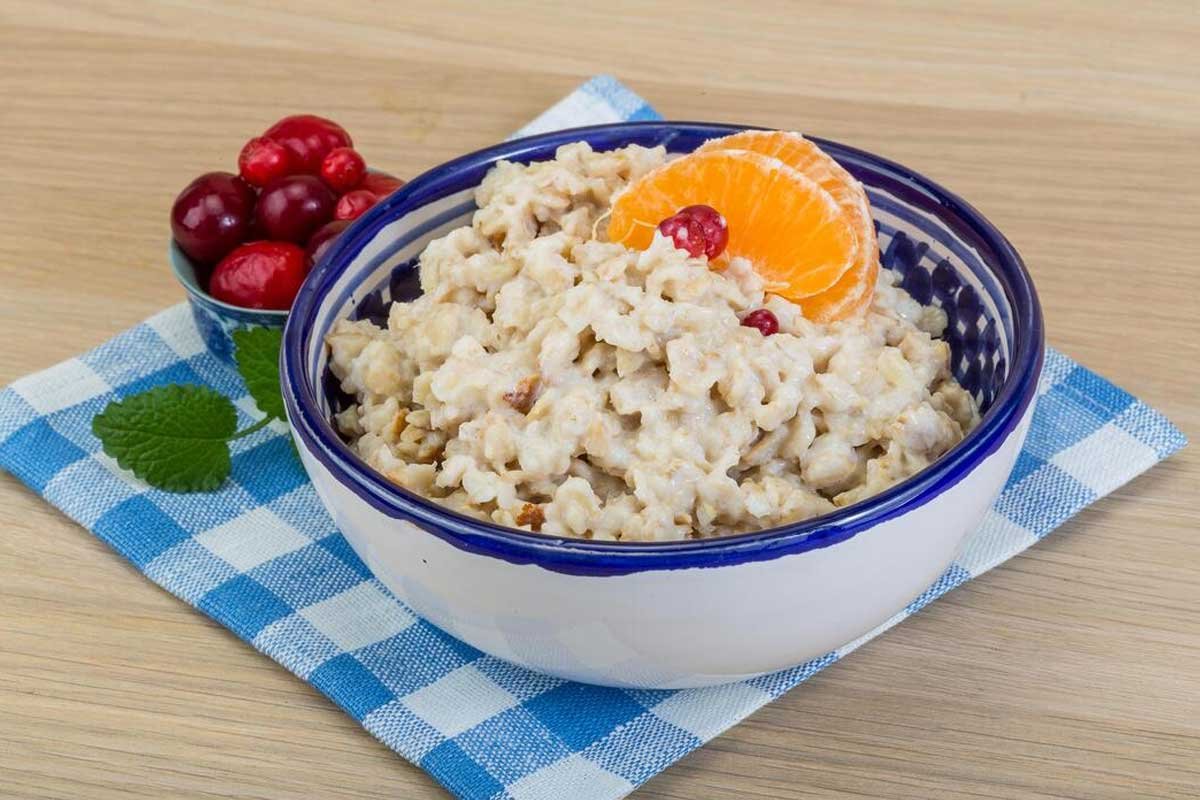
Many healthy eating plans include oatmeal because it offers an excellent combination of fiber, complex carbohydrates, vitamins, and minerals while remaining relatively low in calories.
Here are the main reasons oatmeal supports weight loss.
1. High in Filling Fiber
One serving of oats contains soluble fiber called beta-glucan.
This fiber absorbs water and forms a gel-like consistency inside your digestive system. As a result, food moves more slowly through the stomach, helping you stay satisfied for longer. Feeling full for longer can naturally reduce snacking between meals.
2. Helps Control Hunger
Foods that digest slowly generally keep hunger under control. Instead of experiencing a quick spike and crash in energy, oatmeal provides a steadier release of carbohydrates, making it easier to avoid overeating later in the day.
3. Supports Healthy Digestion
Fiber helps maintain regular bowel movements and supports gut health. A healthy digestive system can make it easier to maintain healthy eating habits and avoid discomfort associated with low-fiber diets.
4. Naturally Low in Calories
Plain oatmeal is surprisingly filling considering its calorie content.
| Serving | Calories |
|---|---|
| ½ cup dry rolled oats | About 150 |
| Cooked with water | Around 150 |
| Cooked with skim milk | Around 220 |
The total calories depend mainly on what you add. Fresh fruit, Greek yogurt, seeds, or cinnamon are healthier additions than sugar, chocolate, or sweet syrups.
5. Encourages Better Portion Control
Since oatmeal keeps many people satisfied for several hours, it may help reduce overall calorie intake across the day. Replacing calorie-dense breakfasts like pastries, sugary cereals, or donuts with oatmeal can support healthier eating habits.
Nutrition Facts of Oatmeal
Approximate nutrition for ½ cup (40 g) dry rolled oats prepared with water.
| Nutrient | Amount |
|---|---|
| Calories | 150 |
| Protein | 5 g |
| Carbohydrates | 27 g |
| Fiber | 4 g |
| Fat | 3 g |
| Sugar | 1 g |
| Iron | Good source |
| Magnesium | Good source |
| Phosphorus | Good source |
| Manganese | Excellent source |
Oats also contain antioxidants and several essential minerals that contribute to overall health.
Is Oatmeal Good for Fat Loss?
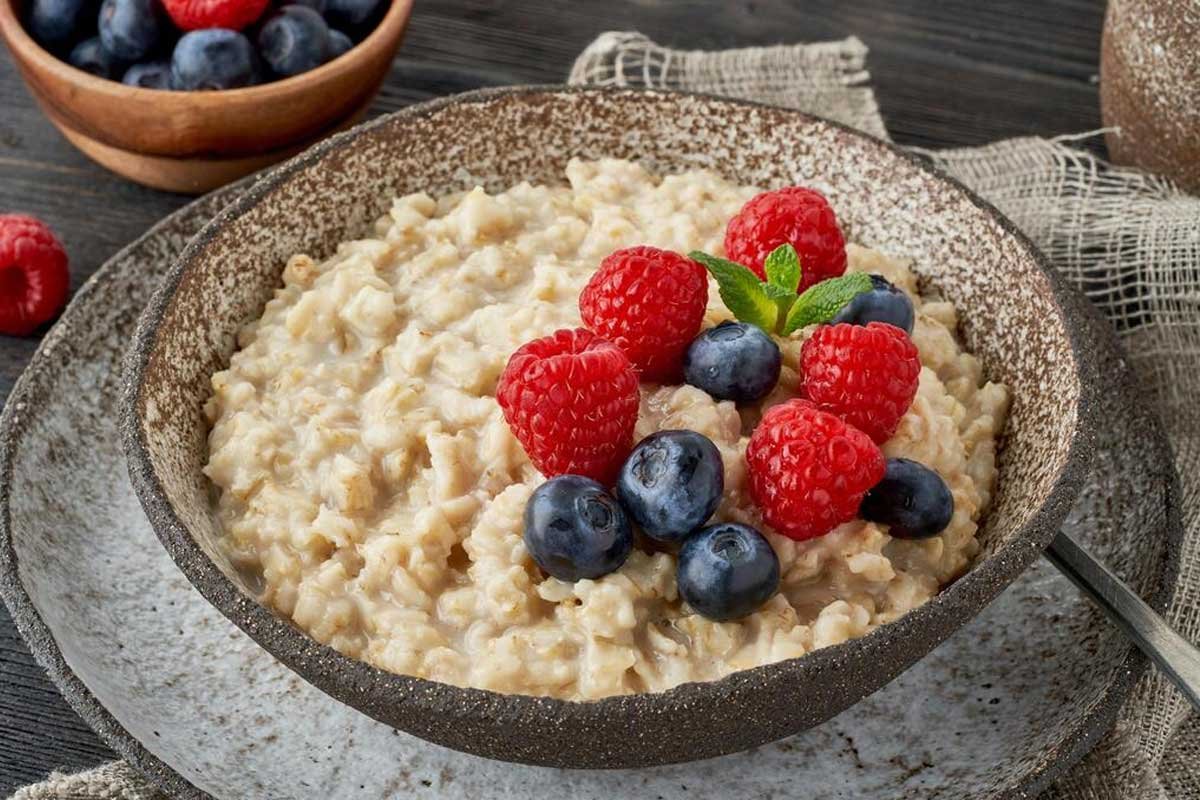
Many people ask whether is oatmeal good for fat loss is different from weight loss.
The answer is yes.
Weight loss simply means losing body weight, while fat loss specifically refers to reducing body fat.
Oatmeal does not directly burn fat. Instead, it can support fat loss by helping you maintain a calorie deficit while reducing hunger.
When combined with:
- regular exercise
- adequate protein intake
- strength training
- quality sleep
- balanced nutrition
oatmeal becomes a valuable part of a fat-loss-friendly eating pattern.
Is Oatmeal a Good Breakfast for Weight Loss?
Yes.
Many nutrition professionals consider oatmeal one of the healthiest breakfast options because it combines:
- fiber
- complex carbohydrates
- steady energy
- excellent versatility
For an even better breakfast, pair oatmeal with protein.
Examples include:
- Greek yogurt
- Cottage cheese
- Eggs on the side
- Protein powder
- Unsweetened soy milk
- Nuts and seeds
Adding protein improves fullness and supports muscle maintenance during weight loss.
Best Oatmeal for Weight Loss
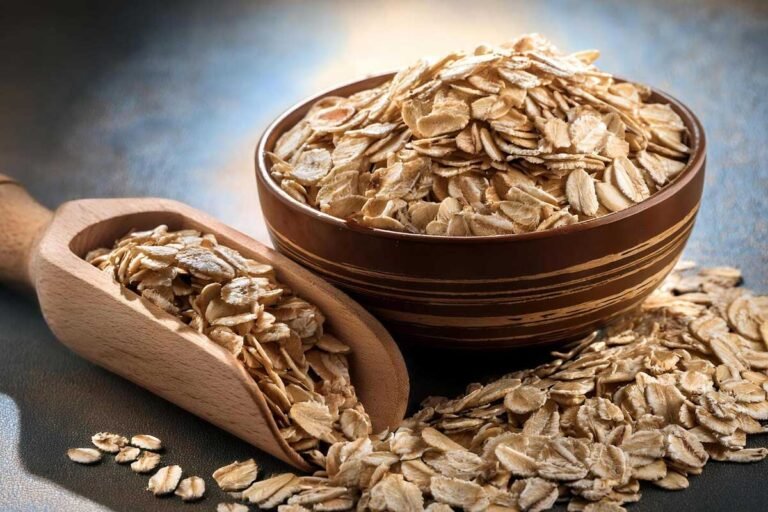
Not all oats are equally processed.
Here’s how different types compare.
| Type | Weight Loss Friendly? | Why |
|---|---|---|
| Steel-cut oats | ⭐⭐⭐⭐⭐ | Highest satiety, least processed |
| Rolled oats | ⭐⭐⭐⭐⭐ | Excellent balance of nutrition and convenience |
| Quick oats | ⭐⭐⭐⭐☆ | Healthy but digests slightly faster |
| Instant plain oatmeal | ⭐⭐⭐⭐☆ | Good if unsweetened |
| Flavored instant oatmeal | ⭐⭐☆☆☆ | Often contains added sugar |
For most people, rolled oats and steel-cut oats are the best oatmeal for weight loss because they contain minimal added ingredients while providing excellent fiber.
Is Instant Oatmeal Good for Weight Loss?
Many people ask, is instant oatmeal good for weight loss?
The answer depends on the product.
Good Choice
- Plain instant oats
- No added sugar
- High fiber
- Simple ingredient list
Less Healthy Choice
- Sweetened packets
- Artificial flavorings
- Chocolate varieties
- High sugar content
If using instant oatmeal, improve it by adding:
- berries
- cinnamon
- chia seeds
- flaxseed
- Greek yogurt
instead of sugar or flavored creamers.
How to Prepare Oats for Weight Loss
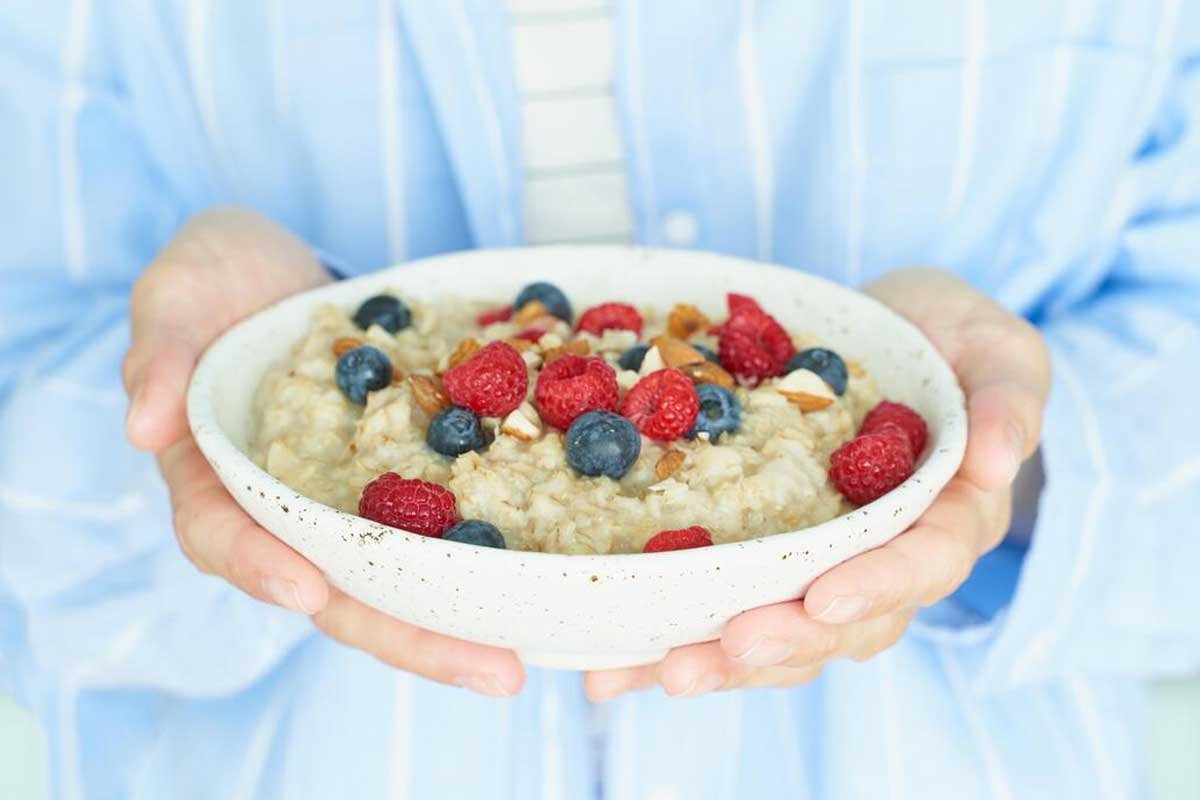
Preparation matters just as much as choosing the right oats.
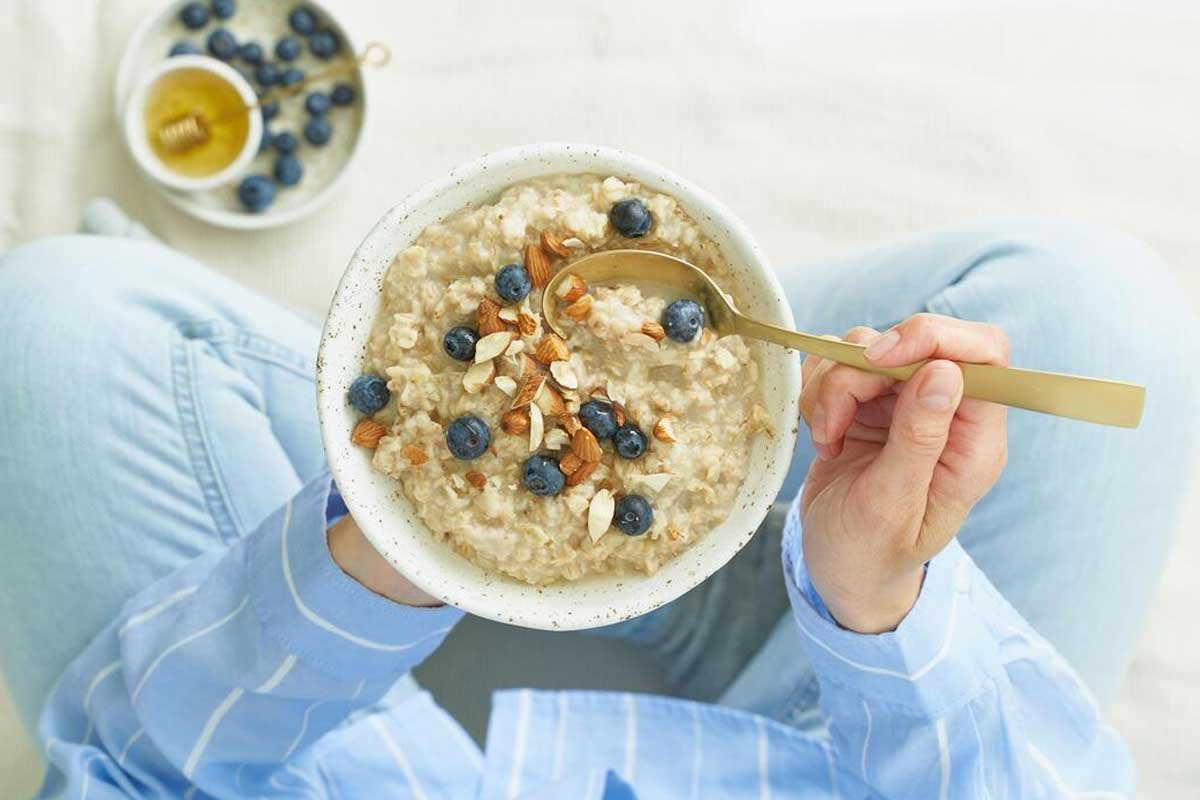
A healthy oatmeal bowl should balance carbohydrates, protein, healthy fats, and fiber.
Weight-Loss-Friendly Oatmeal Formula
- ½ cup rolled oats
- Water or unsweetened milk
- Fresh berries
- Chia or flax seeds
- Cinnamon
- Greek yogurt or protein powder
- Small handful of nuts
Avoid loading oatmeal with:
- brown sugar
- maple syrup
- candy
- chocolate chips
- excessive peanut butter
- whipped cream
These additions can significantly increase calories without improving satiety.
Healthy Oatmeal Combination Ideas
| Goal | Best Additions |
|---|---|
| More Protein | Greek yogurt, protein powder |
| More Fiber | Chia seeds, flaxseed |
| Better Flavor | Cinnamon, vanilla, berries |
| Healthy Fats | Walnuts, almonds |
| More Fullness | Apple slices, pumpkin seeds |
Oatmeal for Different Weight Loss Goals
| Goal | Best Option |
|---|---|
| Lose weight | Rolled oats + berries + Greek yogurt |
| Fat loss | Steel-cut oats + protein source |
| Muscle maintenance | Oats + protein powder + nuts |
| Lower sugar breakfast | Plain oats + cinnamon + seeds |
Benefits of Oatmeal for Weight Loss
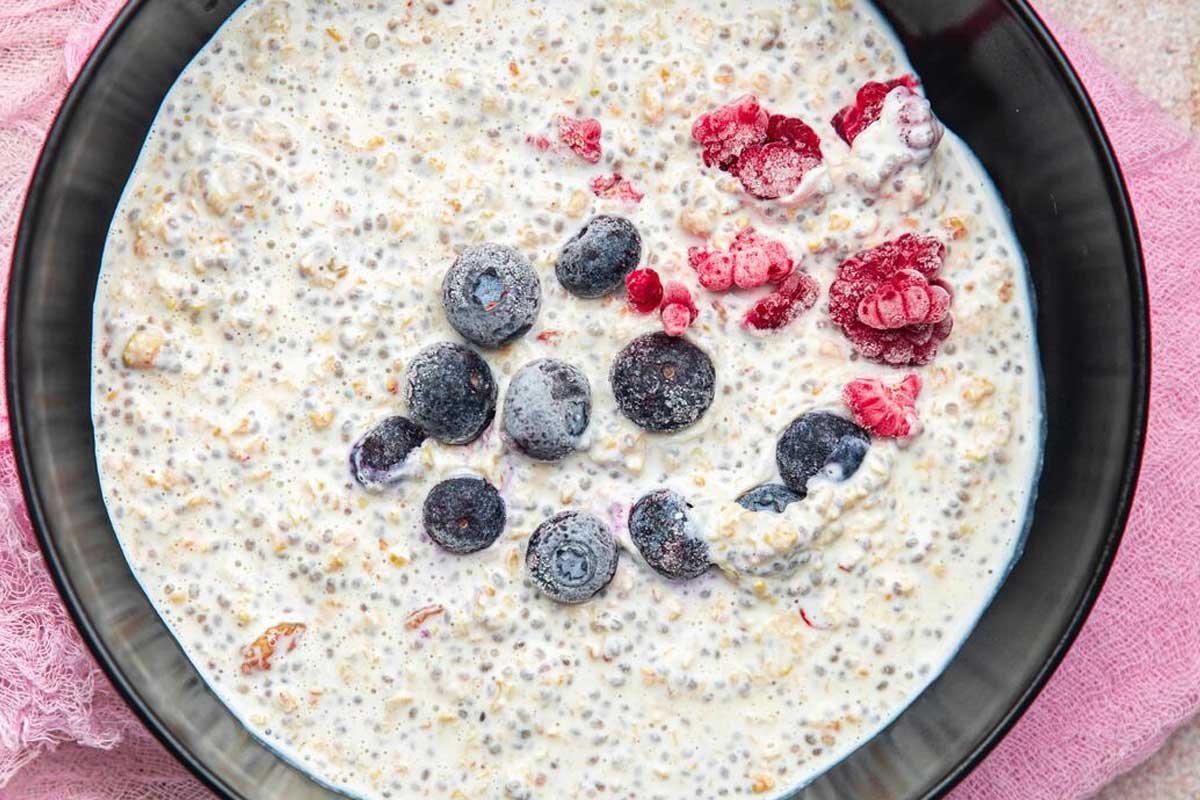
If you’re still asking, “Is oatmeal good for weight loss?”, the biggest advantage is that it helps make healthy eating easier rather than acting as a miracle food. When included in a balanced diet, oatmeal offers several benefits that support long-term weight management.
1. Keeps You Full for Longer
The soluble fiber in oats absorbs water and slows digestion. This can help you feel satisfied for several hours after breakfast, making it easier to avoid frequent snacking or overeating later in the day.
2. Supports Healthy Blood Sugar Balance
Plain oatmeal has a moderate glycemic impact compared with many sugary breakfast cereals. Pairing oats with protein and healthy fats may help provide more stable energy throughout the morning and reduce energy crashes.
3. Provides Steady Energy
Unlike refined carbohydrates that digest quickly, oats release energy gradually. This makes oatmeal a great breakfast before work, school, or exercise.
4. Easy to Customize
Oatmeal works with many nutritious ingredients, allowing you to create meals that fit different calorie and nutrition goals.
Healthy additions include:
- Fresh berries
- Apples
- Bananas (in moderation)
- Chia seeds
- Ground flaxseed
- Greek yogurt
- Almonds
- Walnuts
- Pumpkin seeds
- Cinnamon
5. Budget-Friendly and Easy to Prepare
Oats are inexpensive, widely available, and take only a few minutes to prepare. This makes them an excellent option for people trying to maintain healthy eating habits consistently.
6. Rich in Important Nutrients
Besides fiber, oatmeal provides several essential nutrients including:
- Magnesium
- Iron
- Zinc
- Phosphorus
- Manganese
- B vitamins
These nutrients support overall health while following a calorie-controlled eating plan.
Potential Risks and Side Effects
Although oatmeal is healthy for most people, eating it incorrectly or in excessive amounts may reduce its benefits.
1. Too Many High-Calorie Toppings
Many people unknowingly double the calorie content of oatmeal by adding:
- Brown sugar
- Honey in large amounts
- Chocolate chips
- Sweetened dried fruit
- Large portions of peanut butter
- Heavy cream
Even healthy toppings should be used in moderation.
2. Large Portion Sizes
A healthy serving is usually about ½ cup (40 g) of dry oats. Eating much larger portions regularly may increase calorie intake beyond your weight-loss goals.
3. Digestive Discomfort
Increasing fiber too quickly may lead to:
- Gas
- Bloating
- Stomach discomfort
Start with smaller servings if you are not used to eating high-fiber foods, and drink enough water throughout the day.
4. Flavored Instant Oatmeal
Many flavored oatmeal packets contain added sugars, artificial flavors, and extra calories that make them less suitable for weight loss.
Always check the nutrition label before buying.
Who Should Avoid or Limit Oatmeal?
Most healthy adults can enjoy oatmeal regularly. However, some people may need to limit or modify their intake.
These include:
- People with oat allergies.
- Individuals with certain digestive conditions who have been advised to limit fiber temporarily.
- Those following medically prescribed low-carbohydrate diets.
- Anyone with gluten sensitivity should choose certified gluten-free oats, as regular oats may be contaminated during processing.
If you have a medical condition or special dietary needs, follow the advice of your healthcare provider or registered dietitian.
Best Time to Eat Oatmeal for Weight Loss
Oatmeal can fit into your diet at any time of the day, but certain times may offer additional benefits depending on your goals.
| Time | Benefits |
|---|---|
| Breakfast | Keeps you full, supports appetite control, provides lasting energy |
| Before Workout | Supplies slow-releasing carbohydrates for exercise |
| After Workout | Helps replenish energy when paired with protein |
| Evening Snack | A light, fiber-rich option if portion sizes are controlled |
For most people, breakfast remains the best time to eat oatmeal for weight loss because it may reduce hunger throughout the day.
Best Ways to Use Oatmeal

Oats are extremely versatile and can be included in many healthy meals.
Classic Hot Oatmeal
Cook rolled or steel-cut oats with water or unsweetened milk. Top with berries, cinnamon, and a spoonful of Greek yogurt.
Overnight Oats
Mix oats with unsweetened milk or yogurt and refrigerate overnight. Add fresh fruit, chia seeds, and nuts before serving.
High-Protein Oatmeal
Stir in:
- Protein powder
- Greek yogurt
- Cottage cheese
This combination increases protein while keeping you satisfied for longer.
Smoothie Oats
Blend a small amount of oats into fruit smoothies for added fiber and thickness.
Healthy Baking
Use oats in homemade:
- Muffins
- Pancakes
- Energy bites
- Granola (with limited added sugar)
Oatmeal Nutrition Comparison
| Type | Calories* | Fiber | Protein | Best For |
|---|---|---|---|---|
| Steel-cut oats | 150 | High | 5 g | Maximum fullness |
| Rolled oats | 150 | High | 5 g | Everyday breakfast |
| Quick oats | 150 | Moderate | 5 g | Fast preparation |
| Plain instant oats | 150–160 | Moderate | 4-5 g | Busy mornings |
| Sweetened instant oats | 180-250+ | Lower | Varies | Occasional use |
Approximate values per serving before toppings.
Practical Tips for Losing Weight with Oatmeal
Follow these simple habits to get the most from your oatmeal.
- Measure your portions instead of guessing.
- Choose plain oats over flavored varieties.
- Add protein to every bowl.
- Include fresh fruit instead of sugar.
- Sprinkle cinnamon for natural flavor.
- Add seeds for extra fiber.
- Drink enough water during the day.
- Pair oatmeal with regular physical activity.
- Maintain an overall calorie deficit rather than relying on one food.
- Focus on consistency instead of quick fixes.
Common Mistakes People Make
Avoid these common errors that can slow weight-loss progress.
| Mistake | Better Choice |
|---|---|
| Using sugary instant packets | Choose plain oats |
| Adding lots of sugar | Sweeten with fruit and cinnamon |
| Eating oversized portions | Measure servings |
| Skipping protein | Add Greek yogurt or protein powder |
| Loading with high-calorie toppings | Keep toppings balanced |
| Expecting oatmeal alone to cause weight loss | Combine it with a healthy lifestyle |
Expert Tips
Prioritize Protein
Protein works together with the fiber in oatmeal to improve fullness and support muscle maintenance during weight loss.
Choose Less Processed Oats
Steel-cut and rolled oats generally provide better texture and longer-lasting fullness than heavily processed varieties.
Rotate Your Breakfasts
Even healthy foods shouldn’t be your only breakfast. Rotate oatmeal with other balanced options such as eggs, yogurt, or whole-grain toast to maintain dietary variety.
Add Healthy Fats in Moderation
A small serving of nuts or seeds can increase satisfaction and provide healthy fats, but keep portions reasonable because they are calorie-dense.
Think Beyond Calories
Successful weight loss depends on your overall eating pattern, activity level, sleep quality, and consistency, not a single “superfood.”
For more practical weight-loss tips, you can also read our guides on the best breakfast for weight loss, List of High Protein Vegetables, the benefits of chia seeds, and how many steps to walk each day to lose weight. These topics complement the healthy eating habits discussed in this article.
Frequently Asked Questions (FAQs)
Q1. Is oatmeal good for weight loss every day?
Yes, oatmeal can be part of a healthy daily diet if eaten in appropriate portions. Choosing plain oats and adding protein, healthy fats, and fruit can help keep meals balanced and satisfying.
Q2. What is the best oatmeal for weight loss?
Steel-cut oats and rolled oats are generally the best choices because they are minimally processed, high in fiber, and contain no added sugars. Plain instant oats can also be a healthy option if they are unsweetened.
Q3. Is instant oatmeal good for weight loss?
Yes, is instant oatmeal good for weight loss? It can be, provided you choose plain, unsweetened varieties. Many flavored instant oatmeal packets contain added sugar and extra calories, so always read the nutrition label.
Q4. How should I prepare oats for weight loss?
The best way to prepare oats for weight loss is to cook them with water or unsweetened milk and top them with nutrient-rich ingredients like berries, chia seeds, flaxseeds, cinnamon, and Greek yogurt. Avoid adding excessive sugar or high-calorie toppings.
Q5. Is oatmeal a good breakfast for weight loss?
Absolutely. Oatmeal is a filling breakfast that provides fiber and slow-digesting carbohydrates. Pairing it with a source of protein can help keep you full longer and reduce hunger throughout the morning.
Q6. Is oatmeal good for fat loss?
Oatmeal does not directly burn body fat, but it can support fat loss by helping you stay full, manage calorie intake, and maintain a balanced eating pattern alongside regular exercise and adequate protein intake.
Conclusion
So, is oatmeal good for weight loss? For most people, the answer is yes. Oatmeal is a nutritious, high-fiber food that can help control hunger, provide steady energy, and support healthy eating habits. However, its effectiveness depends on how you prepare it and your overall lifestyle.
Choose plain rolled or steel-cut oats whenever possible, keep portion sizes in check, add protein and healthy toppings, and limit added sugars. Remember that no single food causes weight loss on its own. Lasting results come from a balanced diet, regular physical activity, quality sleep, and consistent healthy habits.
When enjoyed as part of a well-rounded eating plan, oatmeal can be a simple, affordable, and satisfying breakfast that supports your weight-loss journey.
Medical Disclaimer
This article is intended for educational and informational purposes only and should not be considered medical advice. Nutritional needs vary from person to person. If you have a medical condition, food allergy, digestive disorder, or specific dietary requirements, consult a qualified healthcare professional or registered dietitian before making significant changes to your diet.

I am Danish, the creator of Health Update 24. I write about health, nutrition, fitness, and healthy lifestyle topics, sharing simple, practical, and well-researched information to help readers make informed decisions about their well-being. Know More