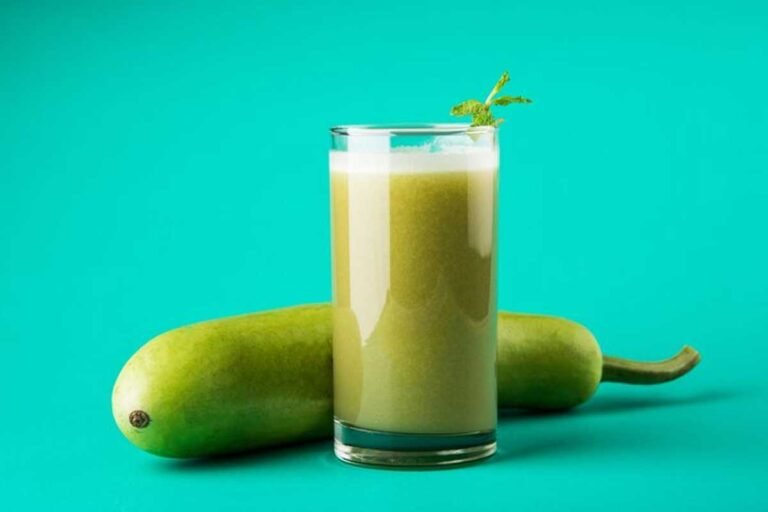
People who follow a healthy lifestyle are increasingly choosing oats with milk as part of their daily diet. Many people are curious about the Health Benefits of Oats with Milk and whether this combination truly supports overall well-being. According to nutrition experts, oats and milk together provide a balanced mix of fiber, protein, calcium, and several essential vitamins and minerals, making them an excellent choice to start the day.
Oats are naturally rich in complex carbohydrates, dietary fiber, plant-based protein, iron, magnesium, phosphorus, and B vitamins. Milk, on the other hand, provides high-quality protein, calcium, vitamin B12, and vitamin D when fortified. When combined, oats and milk offer a well-balanced meal containing carbohydrates, protein, and healthy fats that help support daily nutritional needs.
Because of this nutritional profile, the Health Benefits of Oats with Milk make this combination a valuable addition to a balanced diet. It may help support healthy weight management, provide nourishment for muscles, strengthen bones, and promote steady energy levels throughout the day when included as part of an overall healthy eating pattern.
Table of Contents
What Are Oats?
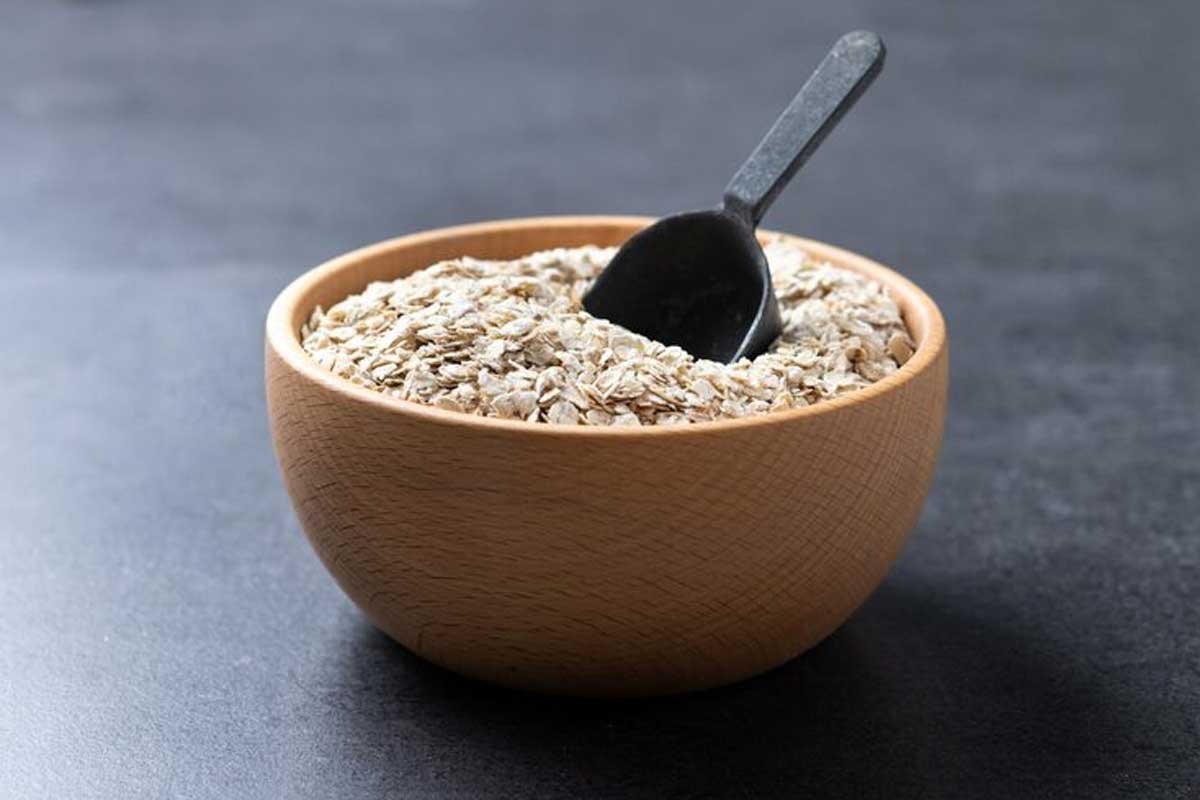
Oats are a whole grain widely recognized as one of the most nutritious cereal grains. They are naturally rich in dietary fiber, plant-based protein, vitamins, and essential minerals that contribute to a healthy, balanced diet.
One of the key nutritional components of oats is beta-glucan, a type of soluble fiber. Beta-glucan can help slow digestion, promote a longer-lasting feeling of fullness, and support overall dietary balance. Because of these benefits, nutrition experts often recommend including oats as part of a healthy breakfast routine.
Types of Oats
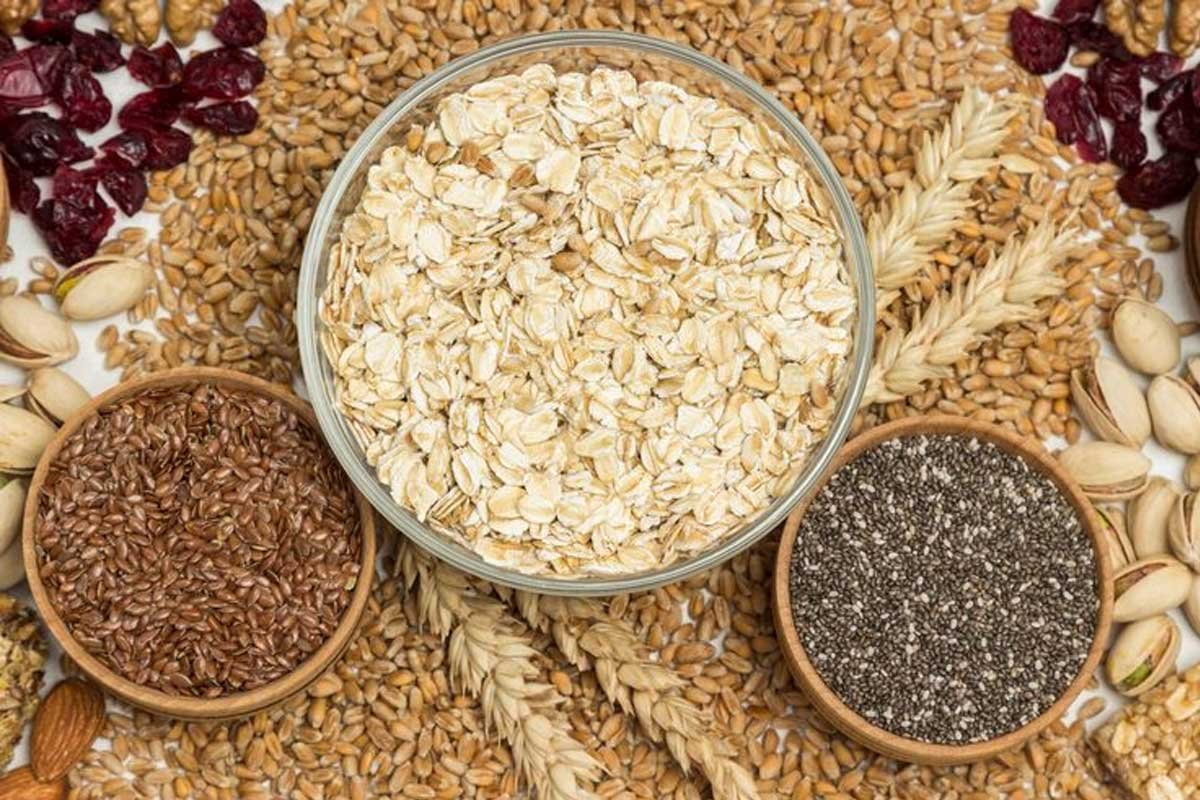
Several types of oats are available on the market. Although they all come from the same whole grain, the main difference lies in how they are processed.
1. Rolled Oats
Rolled oats are the most commonly used variety. They are steamed and then flattened with rollers, allowing them to cook more quickly while maintaining a soft texture. They are ideal for making oatmeal, porridge, overnight oats, and many healthy breakfast recipes.
2. Steel Cut Oats
Steel cut oats are made by cutting whole oat groats into small pieces using steel blades. Because they undergo minimal processing, they have a chewier texture and take longer to cook. Many people prefer them as a less processed, whole-grain option.
3. Quick Oats
Quick oats are processed further than rolled oats, which allows them to cook in just a few minutes. They are a convenient choice for people with busy schedules who want a nutritious meal in less time.
4. Instant Oats
Instant oats are the fastest-cooking variety and are often available in single-serving packets. Some flavored versions may contain added sugar, salt, or other ingredients, so it is a good idea to read the nutrition label and ingredient list before purchasing.
Also Read: Low Carb and High Protein Meals: 8 Healthy Meal Ideas
What Are Oats Good For?
Many people ask, “What are oats good for?” Oats are a nutritious whole grain that can be an important part of a balanced diet because they provide dietary fiber, complex carbohydrates, and plant-based protein.
When eaten regularly as part of an overall healthy eating pattern, oats may offer several benefits, including:
- Helping provide steady energy throughout the day.
- Promoting a feeling of fullness, which may help reduce unnecessary snacking.
- Serving as a nutritious and satisfying breakfast option.
- Supporting healthy digestion thanks to their fiber content.
- Complementing a balanced diet designed for healthy weight management.
- Providing a combination of carbohydrates and protein that can support active individuals and those who exercise regularly.
Oats can also be made even more nutritious by pairing them with milk, yogurt, fresh fruit, seeds, or nuts. These additions increase the meal’s protein, healthy fats, vitamins, and minerals, making it a well-rounded breakfast or snack.
Health Benefits of Oats with Milk
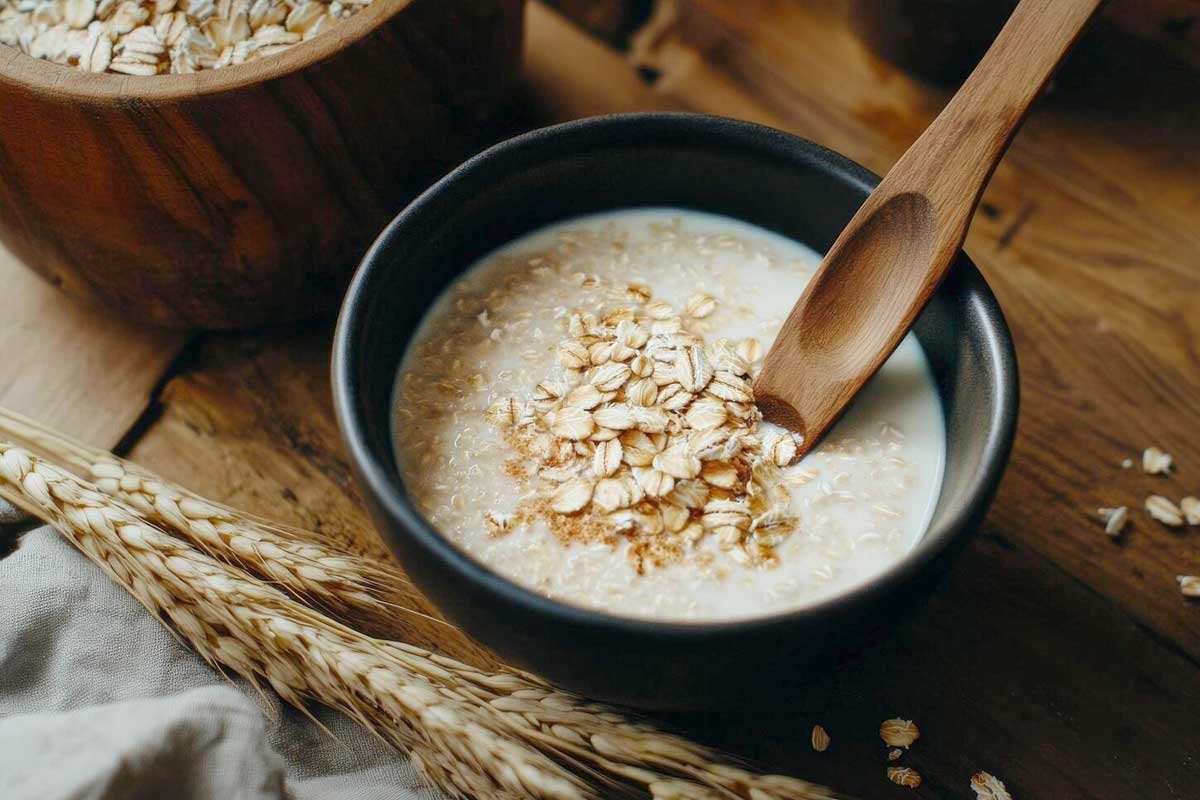
The Health Benefits of Oats with Milk go beyond their fiber content. Combining oats with milk creates a well-balanced meal that provides carbohydrates, high-quality protein, calcium, and a variety of essential vitamins and minerals in one serving.
When included as part of a healthy, balanced diet, oats with milk may offer the following benefits:
- May provide long-lasting energy to help fuel your day.
- Can promote a feeling of fullness, which may help reduce unnecessary snacking.
- May support muscle recovery by providing a combination of carbohydrates and protein.
- Helps supply calcium and other nutrients that contribute to healthy bones.
- Offers a quick, convenient, and nutritious breakfast option.
- Can be enjoyed by children, adults, and older adults as part of a balanced diet.
- May complement a healthy weight management plan when paired with appropriate portion sizes and an active lifestyle.
Health Benefits of Oats with Milk Nutrition Value
The table below shows the estimated nutritional value of one serving made with 50 g rolled oats and 250 ml low-fat milk. Actual values may vary depending on the brand, milk type, and serving size.
| Nutrient | Approximate Amount |
|---|---|
| Calories | 310 kcal |
| Protein | 16 g |
| Carbohydrates | 41 g |
| Dietary Fiber | 5.5 g |
| Total Fat | 8 g |
| Natural Sugars | 12 g |
| Calcium | 350 mg |
| Iron | 2 mg |
| Magnesium | 90 mg |
| Potassium | 500 mg |
| Vitamin B12 | 1.2 mcg |
Note: These values are approximate and may differ slightly depending on the brand of oats, the type of milk used (such as skim, low-fat, or whole milk), and the serving size.
Also Read: 10 Tips for Good Health to Stay Fit
Oats Benefits
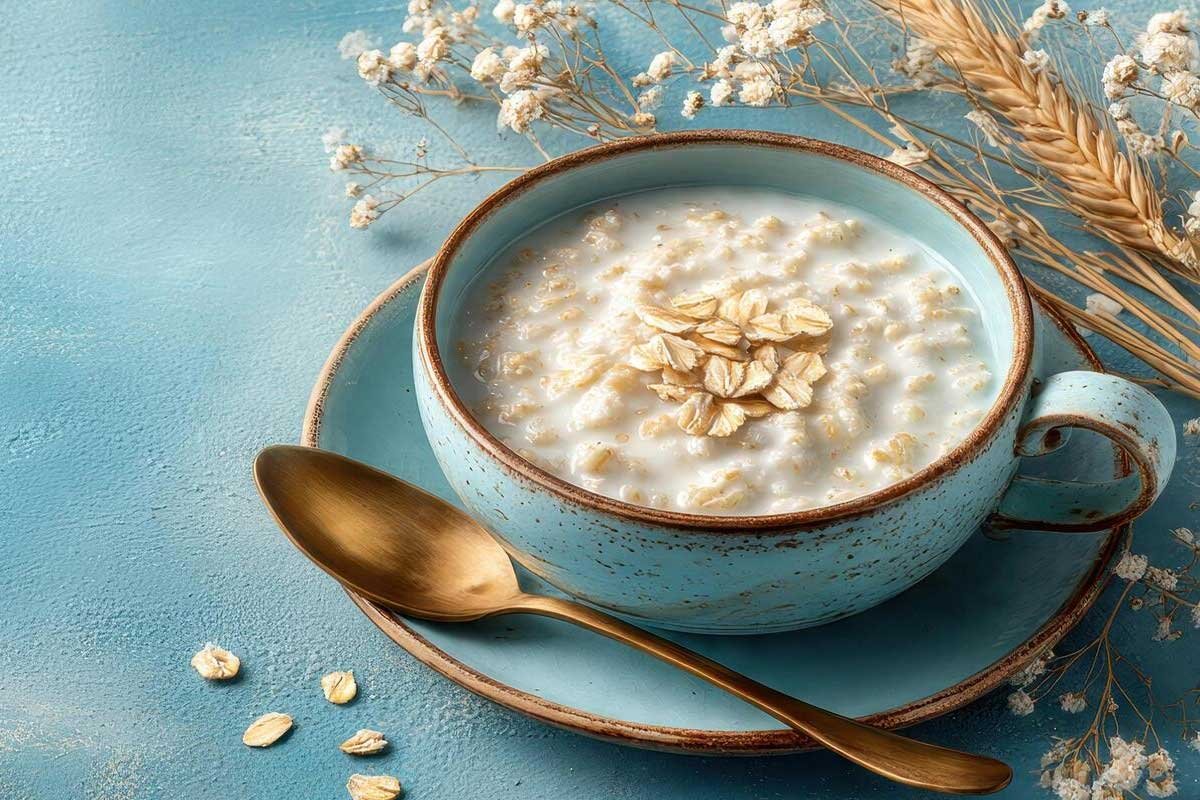
There are many reasons to include oats in your daily diet. Several studies suggest that eating oats regularly as part of a balanced diet may support heart health, digestive function, blood sugar management, healthy weight maintenance, and skin health. However, the effects can vary depending on an individual’s overall diet, lifestyle, and health status.
Below, we’ll take a closer look at 9 key health benefits of oats and how they may contribute to overall well-being.
1. Oats Are Incredibly Nutritious
Oats are considered one of the most nutrient-dense whole grains. They provide a wide range of essential nutrients, including dietary fiber, plant-based protein, iron, magnesium, zinc, phosphorus, and several B vitamins. This impressive nutritional profile makes oats an excellent addition to a balanced and healthy diet.
2. Whole Oats Are Rich in Antioxidants
Whole oats are naturally rich in antioxidants, including a unique group of compounds called avenanthramides, which are found almost exclusively in oats. These antioxidants may help protect the body’s cells from oxidative stress caused by free radicals and contribute to overall health. Including oats as part of a balanced diet is one way to increase your intake of these beneficial plant compounds.
3. Oats Contain a Powerful Soluble Fiber
One of the standout nutrients in oats is beta-glucan, a type of soluble fiber. When mixed with water, beta-glucan forms a gel-like substance that slows the digestion of food. This may help you feel full for longer, support healthy digestion, and promote steady nutrient absorption. These benefits are one of the main reasons oats are often recommended as part of a balanced, high-fiber diet.
4. Oats May Help Lower Cholesterol Levels
Several studies suggest that beta-glucan, the soluble fiber found in oats, may help reduce LDL (“bad”) cholesterol levels when consumed regularly as part of a healthy diet. Lower LDL cholesterol is associated with better heart health, which is why oats are often recommended as part of a heart-friendly eating pattern.
However, oats are not a substitute for prescribed medications or medical treatment. If you have high cholesterol or a cardiovascular condition, follow your healthcare provider’s advice and use oats as part of an overall healthy lifestyle.
5. Oats May Help Support Healthy Blood Sugar Levels
Compared with many refined grains, oats generally have a lower glycemic index (GI). The beta-glucan fiber in oats may help slow the absorption of glucose from food, which can contribute to more gradual changes in blood sugar levels after meals.
People with diabetes or other blood sugar concerns should consult their doctor or a registered dietitian before making significant dietary changes. Oats can be a nutritious part of a diabetes-friendly eating plan, but portion size and overall carbohydrate intake are also important.
6. Oatmeal Is Very Filling and May Support Weight Management
The beta-glucan fiber in oats may help you feel full for longer by slowing digestion and increasing satiety. This can help reduce frequent hunger and may decrease the urge to snack on less nutritious foods between meals.
Several studies suggest that including oats as part of a balanced diet and regular physical activity may support healthy weight management. However, oats alone do not cause weight loss. Sustainable weight loss depends on an overall healthy eating pattern, appropriate calorie intake, regular exercise, and other lifestyle factors.
7. Finely Ground Oats May Support Skin Health
Finely ground oats, known as colloidal oatmeal, have been used in skincare products for many years. Studies suggest that colloidal oatmeal may help maintain the skin’s natural moisture barrier, soothe mild itching, and relieve dry or irritated skin.
Because of these skin-soothing properties, colloidal oatmeal is commonly found in moisturizers, cleansers, and other skincare products designed for sensitive or dry skin. While it may help improve skin comfort, it is not a replacement for medical treatment if you have a persistent skin condition or severe irritation.
8. Oats May Be Associated with a Lower Risk of Childhood Asthma
Some research suggests that introducing whole grains, including oats, as part of an age-appropriate and varied diet during early childhood may be associated with a lower risk of developing asthma. However, the current evidence is not conclusive, and more high-quality research is needed to better understand this potential relationship.
Parents and caregivers should always follow the guidance of a pediatrician or qualified healthcare professional when introducing new foods or making dietary decisions for infants and young children.
9. Oats May Help Relieve Constipation
Oats are an excellent source of dietary fiber, which plays an important role in maintaining a healthy digestive system. Eating oats regularly as part of a balanced diet may help promote regular bowel movements and relieve mild constipation by adding bulk to the stool and supporting normal digestive function.
For the best results, it’s also important to drink plenty of water, as adequate hydration helps fiber work more effectively and supports overall digestive health.
How to Make Oats with Milk
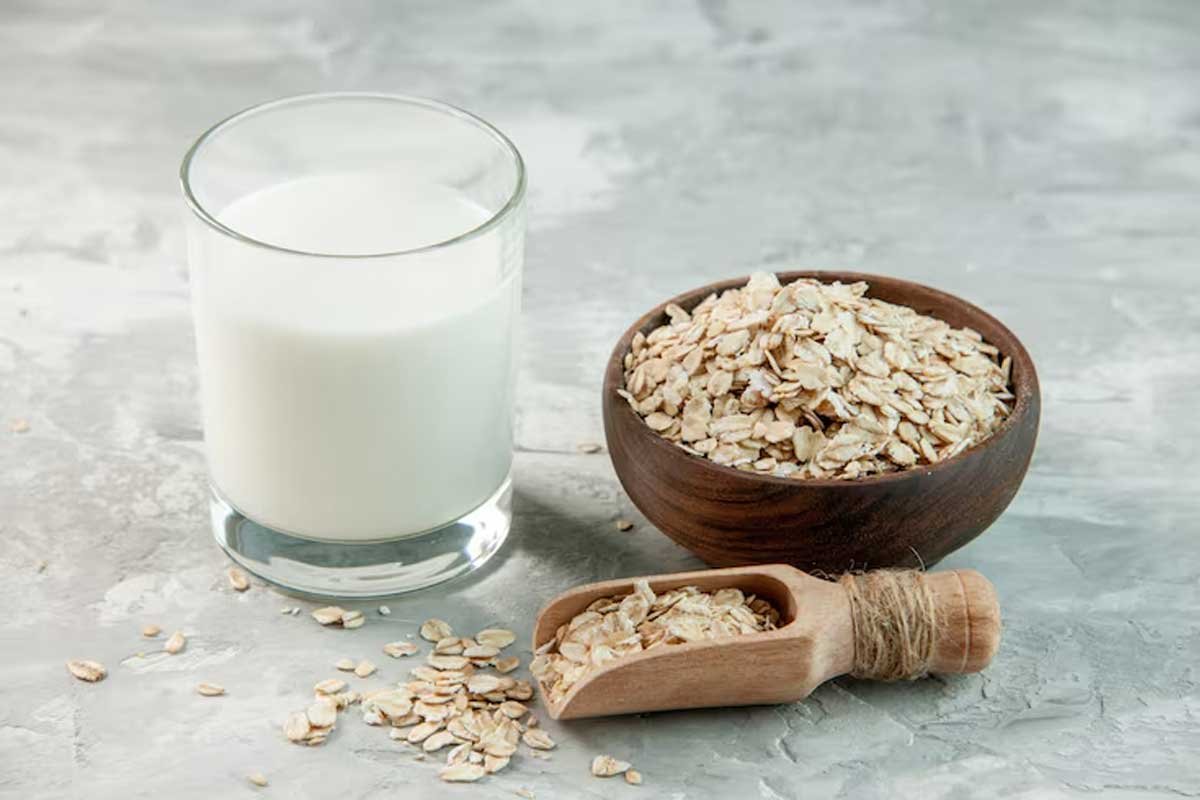
Making oats with milk is quick, simple, and nutritious. This healthy breakfast can be prepared in just 5-10 minutes.
Ingredients
- 50 g rolled oats
- 250 ml milk (low-fat, whole milk, or a plant-based alternative)
- 1 small banana or your favorite fresh fruit (optional)
- 1 teaspoon chia seeds or ground flaxseeds (optional)
- A handful of almonds or walnuts (optional)
- A pinch of ground cinnamon
- Fresh fruit or a small amount of honey for sweetness, instead of added sugar (optional)
Instructions
- Pour the milk into a saucepan and heat it over medium-low heat until warm.
- Add the rolled oats and cook for 5-7 minutes, stirring occasionally.
- Continue stirring until the oats become soft and creamy.
- Remove from the heat and top with fresh fruit, nuts, seeds, or a sprinkle of cinnamon.
- Serve warm and enjoy your healthy oats with milk breakfast.
Tip: For an extra boost of protein and nutrients, add Greek yogurt, a spoonful of nut butter, or extra seeds. Choose unsweetened toppings whenever possible to keep the meal balanced.
Also Read: Best Time to Eat Eggs for Weight Loss: Morning or Night?
Health Benefits of Oats with Milk for Weight Loss
If your goal is to lose weight, the Health Benefits of Oats with Milk can make this meal a smart addition to a balanced eating plan.
The soluble fiber (beta-glucan) in oats may help you feel full for longer, while milk provides high-quality protein that can increase satiety and help reduce frequent hunger. When prepared without added sugar and paired with fresh fruit, oats with milk can fit well into a healthy weight management diet.
Tips for Weight Loss
- Choose low-fat or skim milk to reduce calorie intake.
- Avoid adding refined sugar.
- Top your oats with fresh fruit, chia seeds, or ground flaxseeds for extra fiber and nutrients.
- Pay attention to portion size to help manage overall calorie intake.
- Combine this meal with regular physical activity and a balanced diet for the best results.
Note: Eating oats alone will not lead to weight loss. Sustainable weight loss depends on maintaining a healthy lifestyle that includes a balanced diet, regular exercise, adequate sleep, and an appropriate calorie intake.
Health Benefits of Oats with Milk for Weight Gain

If your goal is to gain weight in a healthy way, oats with milk can also be an excellent addition to your diet.
Oats provide complex carbohydrates that supply sustained energy, while milk delivers high-quality protein to support muscle growth and recovery. Adding nutrient-dense ingredients such as banana, peanut butter, almonds, walnuts, or other dried fruits increases both the calorie content and overall nutritional value of the meal.
Tips for Healthy Weight Gain
- Use whole (full-fat) milk for additional calories.
- Add banana and natural peanut butter for extra energy and healthy fats.
- Include almonds, walnuts, raisins, or other dried fruits to boost calories and nutrients.
- Enjoy oats with milk as a post-workout meal to help replenish energy and support muscle recovery.
- Make sure your overall diet provides enough calories and protein throughout the day.
Note: Healthy weight gain is about more than simply eating more calories. A balanced diet, adequate protein intake, and regular strength training are all important for gaining weight in a healthy and sustainable way.
Who Should Eat Oats?
Oats with milk is a nutrient-rich meal that can be a healthy addition to many people’s daily diet. However, nutritional needs vary from person to person based on factors such as age, activity level, and overall health. In general, oats may be a good choice for:
- People who are trying to lose weight as part of a balanced diet.
- Individuals looking to gain weight in a healthy way by increasing nutrient-dense calories.
- Gym-goers, athletes, and fitness enthusiasts who need a combination of carbohydrates and protein.
- Office workers and professionals who need long-lasting energy throughout the day.
- Students and busy professionals looking for a quick, convenient, and nutritious breakfast.
- Anyone who wants to increase their intake of dietary fiber and protein.
- People seeking a balanced, satisfying, and nutrient-rich breakfast to support overall health.
Because oats are versatile, they can be customized with fruits, nuts, seeds, yogurt, or different types of milk to meet individual nutritional goals and taste preferences.
Who Should Avoid Oats?
Although oats are generally considered safe and nutritious for most people, some individuals should take extra precautions or seek medical advice before including them regularly in their diet.
- People who have an allergy to oats should avoid consuming them.
- Individuals with celiac disease should choose only certified gluten-free oats, as regular oats may be contaminated with gluten during processing.
- Those with milk allergy or lactose intolerance can prepare oats with lactose-free milk or a fortified plant-based milk alternative instead of regular dairy milk.
- People who have been advised by their healthcare provider to follow a low-fiber diet may need to limit or avoid oats, depending on their medical condition.
- Anyone with a serious digestive disorder or another chronic health condition should consult a doctor or a registered dietitian before making oats a regular part of their diet.
While oats are a healthy choice for many people, it’s always best to select foods that match your individual nutritional needs and any medical advice you have received.
Also Read: How Many Steps Per Day to Lose Weight?
Best Time to Eat Oats

Oats can be enjoyed at any time of the day, but certain times may offer additional benefits depending on your lifestyle and nutritional goals.
For Breakfast
Breakfast is one of the most popular times to eat oats. A bowl of oats with milk provides a balanced combination of carbohydrates, protein, and fiber that may help keep you energized and satisfied throughout the morning.
After a Workout
After exercise, your body needs both carbohydrates to replenish energy stores and protein to support muscle recovery. Oats with milk make a convenient and nutritious post-workout meal that helps provide both.
As a Healthy Afternoon Snack
If you often feel hungry between lunch and dinner, oats can be a filling and nutritious snack. Their fiber content may help reduce hunger and make it easier to avoid less nutritious snack choices.
Can You Eat Oats at Night?
Yes. Oats can be eaten in the evening as long as they fit within your overall daily calorie and nutrient needs. They can be a light, satisfying meal or snack before bed. However, it is generally best to avoid eating large meals immediately before bedtime, as this may affect comfort and sleep quality for some people.
Frequently Asked Questions (FAQs)
Q1. Is it okay to eat oats with milk every day?
Yes. If you are not allergic to oats or milk and your overall diet is balanced, eating oats with milk daily in appropriate portions is generally considered safe and can be part of a healthy eating pattern.
Q2. Which type of oats is best for weight loss?
Rolled oats and steel cut oats are less processed than instant oats and are excellent choices for a healthy diet. However, successful weight management depends more on your overall calorie intake, portion size, and lifestyle than on the type of oats you choose.
Q3. Can people with diabetes eat oats?
Yes. The beta-glucan fiber in oats may help slow the rise in blood sugar after meals. However, people with diabetes should consult their doctor or a registered dietitian to determine the best portion size and meal plan for their individual needs.
Q4. Can children eat oats?
Yes. Oats can be a nutritious food for children when served in age-appropriate portions as part of a balanced diet. For infants and young children, it is best to follow the advice of a pediatrician regarding food choices and portion sizes.
Q5. Are instant oats healthy?
Instant oats can be a convenient and nutritious option. However, some flavored varieties contain added sugar, salt, or artificial flavorings. Choosing plain instant oats and checking the nutrition label can help you make a healthier choice.
Q6. Can I use plant-based milk instead of dairy milk?
Yes. If you have lactose intolerance, a milk allergy, or prefer a dairy-free diet, you can prepare oats with fortified soy milk, almond milk, oat milk, or other plant-based milk alternatives. For the best nutritional value, choose unsweetened, calcium-fortified varieties whenever possible.
Conclusion
The Health Benefits of Oats with Milk make this combination one of the world’s most popular and well-balanced breakfast choices. Together, oats and milk provide a nutritious mix of fiber, high-quality protein, calcium, and essential vitamins and minerals. Depending on your overall calorie intake and nutritional needs, this meal can be included in both weight loss and healthy weight gain plans. Oats may also support digestive health, heart health, and sustained energy levels throughout the day.
However, no single food can provide all the nutrients your body needs or guarantee good health on its own. For the best results, combine oats with a balanced diet, regular physical activity, adequate sleep, and other healthy lifestyle habits. If you have a chronic medical condition, food allergy, or specific dietary requirements, consult your doctor or a registered dietitian before making oats a regular part of your diet.
Disclaimer
This article is intended for general informational and educational purposes only. The information provided should not be considered a substitute for professional medical advice, diagnosis, or treatment from a doctor, registered dietitian, or other qualified healthcare professional.
If you have diabetes, celiac disease, lactose intolerance, a food allergy, or any other medical condition, consult your doctor or a qualified healthcare provider before making significant changes to your diet or adding oats to your regular meal plan. Always seek personalized medical advice for questions regarding your health or nutritional needs.

I am Danish, the creator of Health Update 24. I write about health, nutrition, fitness, and healthy lifestyle topics, sharing simple, practical, and well-researched information to help readers make informed decisions about their well-being. Know More