Losing weight is not just about eating less, it’s about choosing the right, balanced foods. Many people struggle to lose weight even when they exercise regularly because their diet still includes foods that are high in calories, added sugars, and unhealthy fats.
Understanding foods to avoid for weight loss is important because certain foods can provide more calories than your body needs and may slow your progress. In particular, foods high in added sugar, refined carbohydrates, and trans fats can make weight management more challenging when eaten frequently or in large portions.
If you’re wondering what foods to avoid for weight loss, it’s important to remember that there isn’t a one-size-fits-all list. Individual needs vary based on age, physical activity, overall health, and daily calorie requirements. Instead of completely eliminating specific foods, focusing on portion control and a balanced eating pattern is often the most sustainable approach for long-term weight management.
Table of Contents
Why Is Choosing the Right Foods to Avoid for Weight Loss Important?
Choosing the right foods is one of the most important parts of a successful weight loss plan. Reducing calories alone is not enough, your body still needs adequate protein, fiber, healthy fats, vitamins, and minerals to stay energized and support overall health.
Many people ask what foods to avoid for weight loss because improving food choices can make a significant difference in achieving sustainable results. While some foods are enjoyable and convenient, they often contain far more calories than nutrients, making it easier to exceed your daily energy needs.
Regularly eating highly processed, calorie-dense foods may also leave you feeling hungry sooner, leading to overeating throughout the day. Replacing these options with nutrient-rich foods can help improve satiety, support healthy eating habits, and make long-term weight management easier.
Foods to Avoid for Weight Loss: 10 Foods to Limit for Better Results
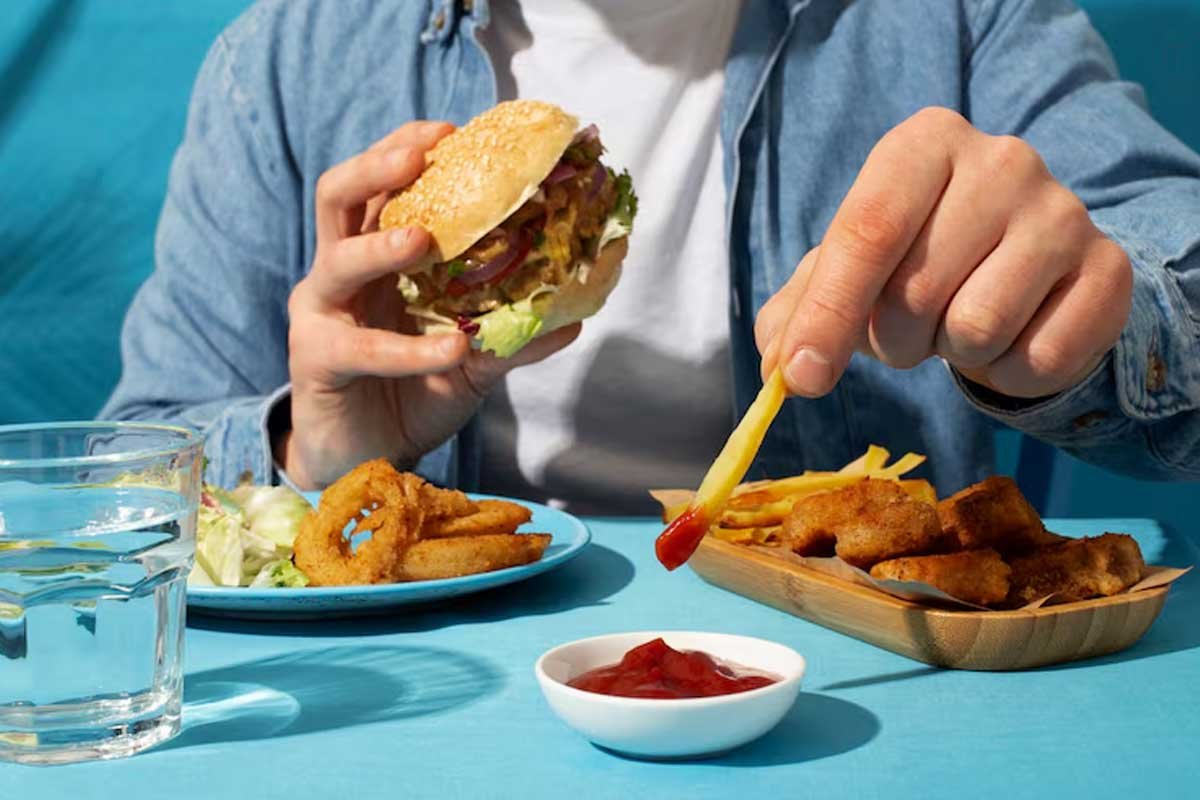
Not every food affects weight loss in the same way. Some foods are high in added sugar, refined carbohydrates, unhealthy fats, or empty calories, making it easier to consume more energy than your body needs. Below are 10 foods to avoid for weight loss or limit in your daily diet, along with healthier alternatives that can better support your weight management goals.
1. Sugary Drinks: A Major Source of Hidden Calories
Sugary beverages such as soft drinks, sweetened fruit juices, energy drinks, flavored coffee drinks, and other sugar-sweetened beverages are among the first foods to avoid for weight loss. Although they provide a significant amount of added sugar and calories, they contain little fiber and offer limited nutritional value.
Calories consumed in liquid form are generally less filling than those from whole foods, which may lead to higher overall calorie intake throughout the day. Regular consumption of sugary drinks has also been linked to weight gain and difficulty maintaining a healthy body weight.
For a healthier alternative, choose water, sparkling water without added sugar, unsweetened tea, or black coffee in moderation. These low-calorie beverages can help you stay hydrated while supporting your weight loss goals.
2. Deep-Fried Foods: High in Calories and Unhealthy Fats
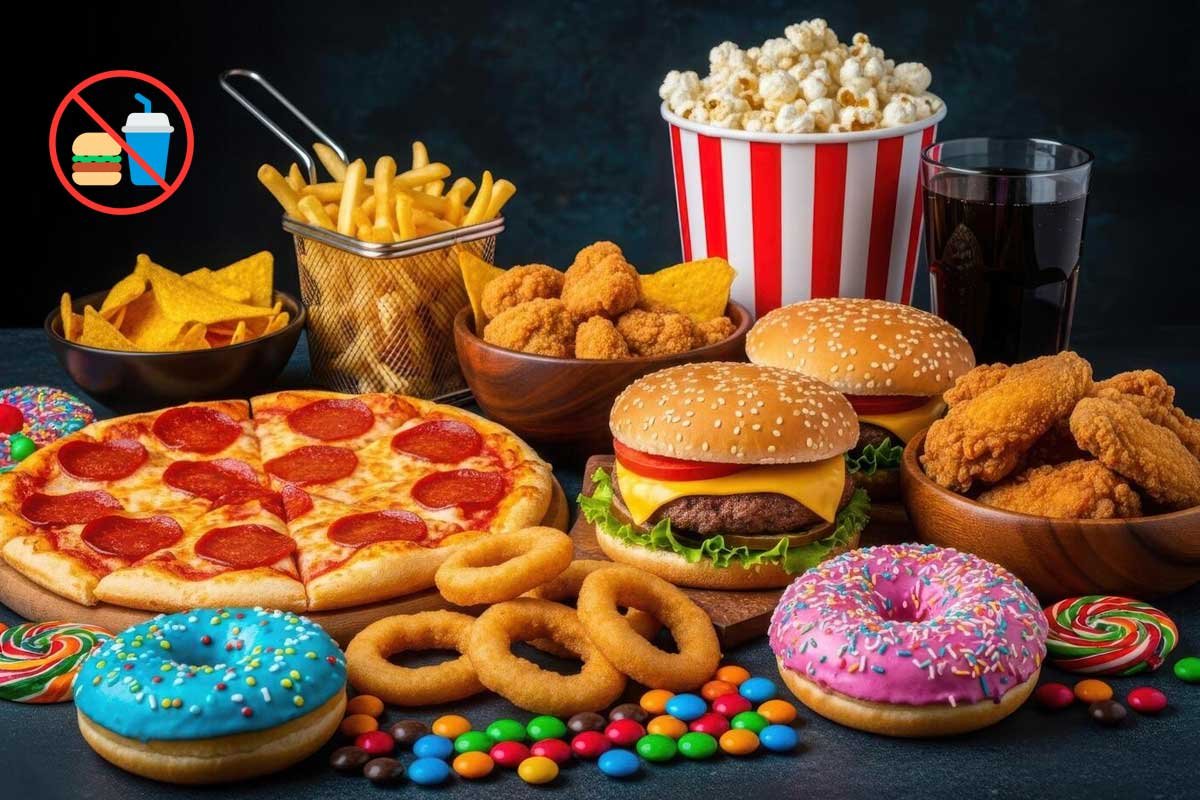
Deep-fried foods such as French fries, fried chicken, potato chips, onion rings, and other fried snacks are often high in calories and unhealthy fats. Because these foods absorb oil during cooking, their calorie content increases significantly compared to baked or grilled alternatives.
In addition, foods prepared with repeatedly heated cooking oil may not be the healthiest choice for regular consumption. For this reason, deep-fried items are commonly included among fatty foods to avoid for weight loss, especially if you’re trying to maintain a calorie deficit.
Instead of fried foods, choose baked, grilled, roasted, or air-fried options whenever possible. These cooking methods can help reduce excess calories and fat while still providing satisfying meals that support your weight loss goals.
3. White Bread: A Refined Carbohydrate That May Not Keep You Full
White bread is made from refined flour, which removes much of the natural fiber found in whole grains. As a result, it is digested more quickly and may not keep you feeling full for long.
Because it contains less fiber than whole-grain bread, eating white bread may lead to hunger returning sooner, making it easier to snack between meals or consume more calories throughout the day. This is one reason refined grain products are often discussed when considering high carb foods to avoid for weight loss.
A healthier alternative is to choose whole-grain or whole-wheat bread that is rich in fiber. These options can help improve satiety, support steady energy levels, and fit more easily into a balanced weight loss diet.
4. Candy and Sweets: Foods High in Added Sugar
Candy, chocolates, pastries, desserts, and other sweet snacks are often high in added sugar and calories while providing very little nutritional value. Although these foods can deliver a quick burst of energy, they may also contribute to higher daily calorie intake, making weight loss more challenging.
Frequent consumption of sugary treats can make it harder to stay within your calorie goals and may increase cravings for more sweet foods throughout the day. This is why they are commonly included among foods to avoid for weight loss when eaten regularly or in large portions.
If you’re craving something sweet, consider choosing naturally sweet options such as fresh fruit. Fruits provide natural sugars along with fiber, vitamins, minerals, and antioxidants, making them a more nutritious choice that can better support healthy weight management.
5. Refined Pasta and White Flour Foods
Refined pasta, instant noodles, and other foods made with white flour are typically higher in refined carbohydrates and lower in fiber than whole-grain alternatives. Because they digest more quickly, they may not keep you feeling full for as long, which can make it easier to overeat later in the day.
These foods are often included among high carb foods to avoid for weight loss, especially for people who are trying to manage their overall calorie and carbohydrate intake. Limiting refined grain products doesn’t mean eliminating carbohydrates altogether, it means choosing higher-quality sources that provide more nutrients and fiber.
A healthier option is to replace refined pasta with whole-grain pasta or pair smaller portions with plenty of vegetables and lean protein. You can also explore low carb and high protein meals that help increase satiety while supporting healthy weight management.
6. Fast Food Meals: Convenient but Often High in Calories
Fast food meals such as burgers, pizza, large sandwiches, fried chicken meals, and similar options are often high in calories, saturated fat, sodium, and refined carbohydrates. While enjoying them occasionally is unlikely to affect your progress, eating these meals regularly can make it more difficult to maintain the calorie deficit needed for weight loss.
Many fast food combinations also include large portions and sugary drinks, which can significantly increase your total daily calorie intake without providing enough fiber or essential nutrients.
If you choose to eat fast food, consider ordering a smaller portion, adding a side salad or vegetables, and replacing sugary beverages with water or an unsweetened drink. Making these simple swaps can help reduce calorie intake while still allowing room for occasional treats as part of a balanced diet.
7. Processed Snacks: Easy to Overeat and Often Low in Nutrition
Processed snacks such as potato chips, flavored crackers, savory snack mixes, and many packaged convenience foods are often high in refined carbohydrates, sodium, and unhealthy fats while providing relatively little nutritional value.
Because these snacks are highly palatable and easy to eat in large amounts, they can quickly increase your daily calorie intake without keeping you full for long. Frequent snacking on these foods may make it more difficult to stay within your weight loss goals.
If you need a snack between meals, choose nutrient-dense options that are higher in protein or fiber. Foods such as Greek yogurt, roasted chickpeas, fresh fruit, vegetables with hummus, or high protein snacks for weight management can help keep you satisfied while supporting a balanced weight loss plan.
8. High-Calorie Desserts: Sweet Treats That Can Add Extra Calories
Desserts such as cakes, pastries, doughnuts, cookies, brownies, and ice cream are often high in both added sugar and fat, making them some of the most calorie-dense foods in a typical diet.
While enjoying dessert occasionally can fit into a balanced eating plan, eating these foods regularly or in large portions may increase your overall calorie intake and make it harder to achieve your weight loss goals. This is why they are commonly included among foods to avoid for weight loss when consumed frequently.
Instead of having high-calorie desserts every day, enjoy them in moderation and focus on healthier sweet options most of the time, such as fresh fruit, plain Greek yogurt with berries, or other lower-calorie alternatives that satisfy your sweet cravings.
9. Processed Meats: Best Enjoyed in Moderation
Processed meats such as sausages, salami, hot dogs, bacon, and deli meats are often higher in sodium, saturated fat, and preservatives than fresh, minimally processed protein sources. While they can be convenient, eating them frequently may not be the best choice for a balanced weight loss diet.
If you’re trying to lose weight, replacing processed meats with lean protein sources can help improve the overall quality of your meals while supporting your daily nutrition goals.
Good alternatives include skinless chicken, turkey, fish, eggs, tofu, beans, lentils, and other lean protein-rich foods. Choosing these options more often can help you stay satisfied and better support long-term weight management.
10. Starchy Foods: Focus on Portions Rather Than Elimination
Starchy foods such as white potatoes, white rice, and foods made with refined flour are important sources of carbohydrates. However, eating large portions of these foods can increase your overall calorie and carbohydrate intake, especially if they replace more nutrient-dense options.
When discussing starch foods to avoid for weight loss, the goal is not to eliminate these foods completely. Instead, focus on portion control and building balanced meals that include lean protein, healthy fats, and fiber-rich vegetables to help you stay satisfied.
For a healthier approach, choose whole grains such as brown rice, oats, quinoa, and whole-wheat products more often. Legumes, beans, lentils, and other high-fiber carbohydrate sources can also be excellent additions to a balanced diet that supports sustainable weight management.
High Carb Foods to Avoid for Weight Loss
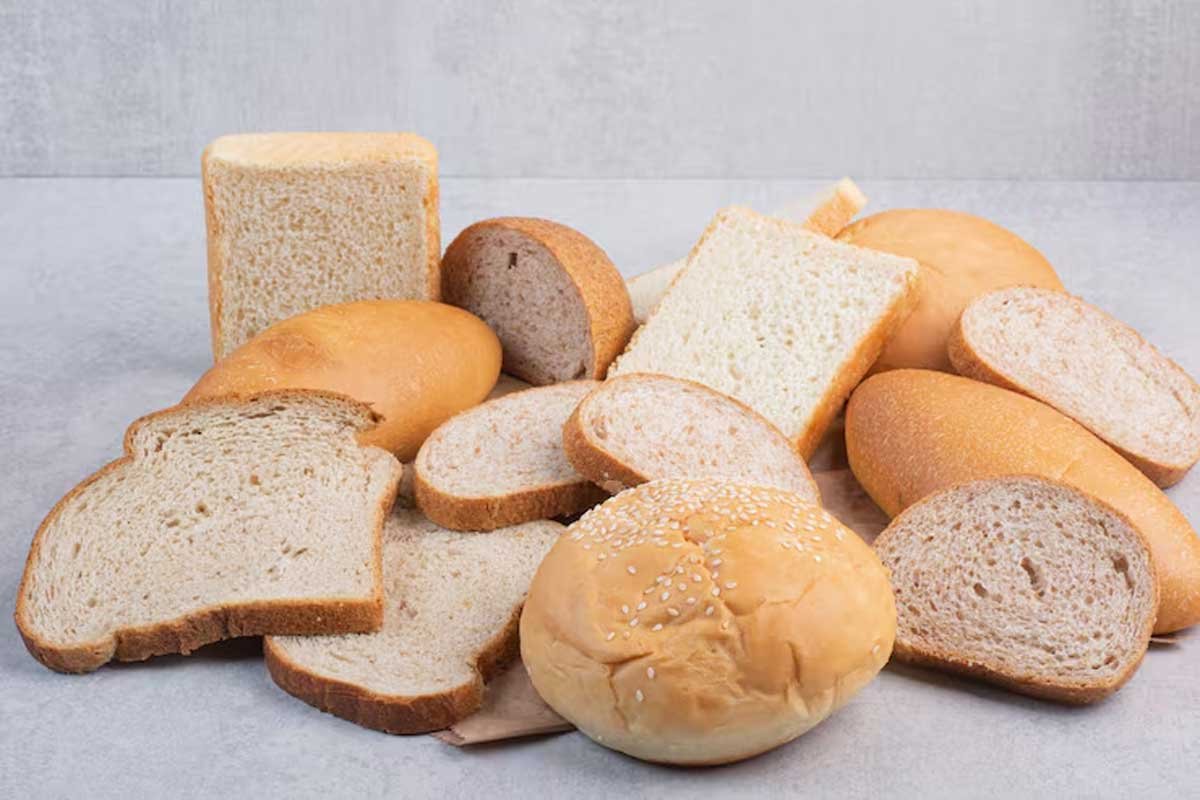
When people talk about high carb foods to avoid for weight loss, they are usually referring to foods that are high in refined carbohydrates and low in fiber. These foods are often digested quickly and may not keep you feeling full for long, making it easier to consume more calories throughout the day.
Common examples include:
- White bread
- Refined pasta
- Sugary breakfast cereals
- Sweet bakery products such as cakes, pastries, and doughnuts
- Sugary drinks
It’s important to remember that not all carbohydrates are unhealthy. Whole grains, oats, fruits, vegetables, beans, lentils, and other complex carbohydrates provide fiber, vitamins, and minerals that support overall health and can be part of a balanced weight loss plan. Replacing refined carbohydrates with low carb and high protein meals or high-fiber whole-food options can help improve satiety and support long-term weight management.
Fatty Foods to Avoid for Weight Loss

When discussing fatty foods to avoid for weight loss, the focus is generally on foods that are high in trans fats, excessive saturated fats, or added oils rather than naturally nutritious sources of fat. Deep-fried foods, processed fast foods, and commercially baked products made with unhealthy fats are commonly recommended to be limited as part of a balanced weight loss plan.
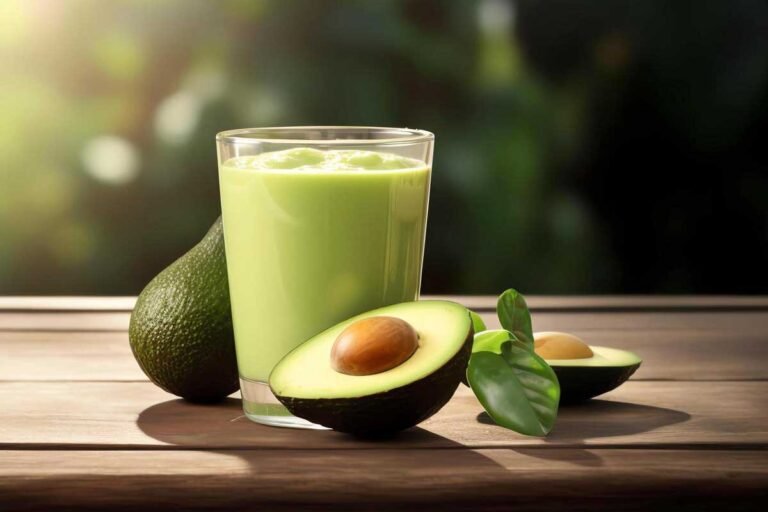
However, not all fats are unhealthy. Nutrient-rich sources of unsaturated fats, including avocados, nuts, seeds, and extra virgin olive oil, can be enjoyed in moderation as part of a healthy diet. These foods provide essential fatty acids and may help keep you feeling satisfied between meals when eaten in appropriate portions.
If you’re looking for nutritious fat sources, consider adding healthy fat foods for weight loss such as avocado-based meals, a handful of nuts, seeds, or olive oil-based dressings instead of relying on heavily processed or fried foods.
Foods to Eat When Losing Weight
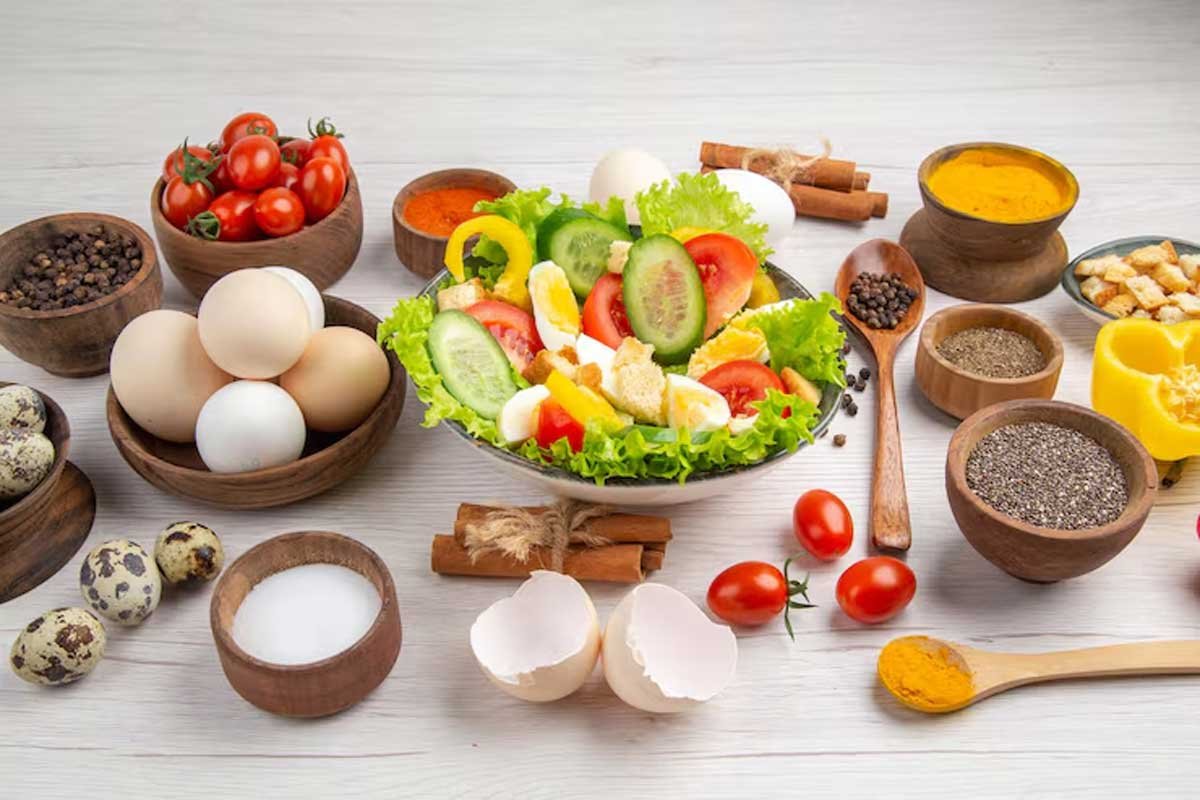
While knowing which foods to limit is important, choosing the right foods every day plays an even bigger role in long-term success. Foods to eat when losing weight should provide plenty of protein, fiber, healthy fats, and essential nutrients to help you stay satisfied and support your overall health.
Some excellent options include:
- Oats
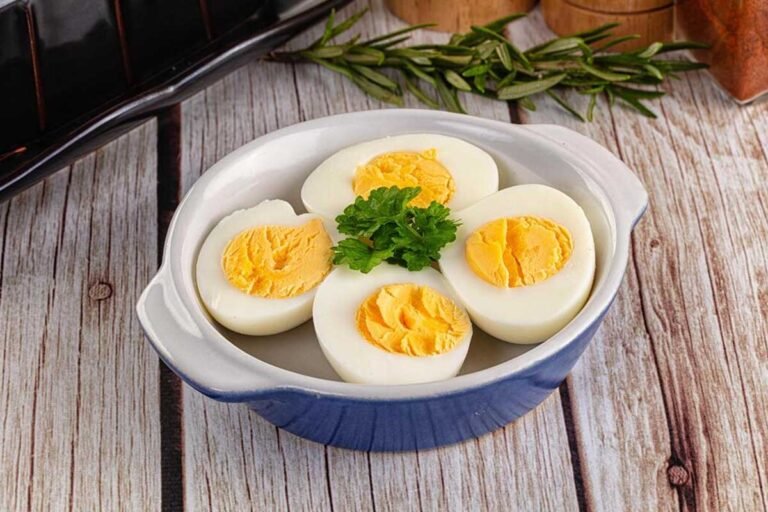
- Eggs
- Greek yogurt
- Leafy green vegetables
- Lentils
- Beans
- Fresh fruits
- Nuts and seeds
- Grilled chicken or fish
- Low-fat cottage cheese
These nutrient-dense foods can help you feel fuller for longer, reduce unnecessary snacking, and make it easier to maintain a healthy calorie intake. Starting your day with high protein breakfast ideas can also improve satiety and help support your weight management goals throughout the day.
Why Protein Timing Matters for Weight Loss
Getting enough protein is important for any healthy weight loss plan, but when you eat it can also make a difference. Eggs are an excellent source of high-quality protein and can be a nutritious part of a balanced diet. If you’re including eggs in your meal plan, learning about the Best Time to Eat Eggs for Weight Loss can help you make the most of their nutritional benefits. Eating protein-rich foods at the right time may help you feel fuller for longer, reduce unnecessary snacking, and support your overall weight management goals.
Simple Tips to Support Healthy Weight Loss

Along with choosing the right foods, healthy daily habits can make a significant difference in your weight loss journey. Here are some practical tips to help you stay on track:
- Replace sugary drinks with water, sparkling water, or unsweetened beverages.
- Include a source of protein in every meal to help you stay full longer.
- Prioritize fiber-rich foods such as vegetables, fruits, whole grains, and legumes.
- Limit packaged and highly processed snacks whenever possible.
- Pay attention to portion sizes, even when eating healthy foods.
- Stay physically active with regular exercise and daily walking for weight loss.
- Aim for enough quality sleep each night, as poor sleep can affect appetite and eating habits.
- Avoid unnecessary snacking and try to eat mindfully by recognizing true hunger cues.
Why Is Professional Advice Important?
If you’re following a balanced diet and staying physically active but still find it difficult to lose weight or notice continued weight gain, it may be helpful to consult a doctor or a registered dietitian. They can assess your individual health needs and recommend a personalized nutrition and lifestyle plan.
Underlying health conditions such as diabetes, thyroid disorders, hormonal imbalances, certain medications, or other medical issues can also affect body weight and make weight loss more challenging. In these situations, professional guidance is the safest and most effective way to identify the underlying cause and develop a plan that suits your specific needs.
Frequently Asked Questions (FAQs)
Q1. What foods should you avoid for weight loss?
To support healthy weight loss, it’s generally recommended to limit foods that are high in added sugar, unhealthy fats, and empty calories. These include sugary drinks, deep-fried foods, processed snacks, white bread, sweets, and high-calorie fast food. Choosing balanced, nutrient-dense meals is a more sustainable approach to long-term weight management.
Q2. What foods to avoid for weight loss?
Common foods to avoid for weight loss include sugary drinks, deep-fried foods, white bread, refined pasta, processed snacks, fast food meals, high-calorie desserts, and foods high in added sugar. Eating these foods frequently or in large portions may make it more difficult to maintain a calorie deficit.
Q3. What are the best starch foods to avoid for weight loss?
When discussing starch foods to avoid for weight loss, foods such as white bread, refined pasta, white rice, and products made with refined flour are often mentioned. Rather than eliminating them completely, focus on portion control and choose whole-grain alternatives whenever possible.
Q4. Which high carb foods should you avoid for weight loss?
Some high carb foods to avoid for weight loss include refined bread, sugary breakfast cereals, sweet baked goods such as cakes and pastries, sugary drinks, and refined pasta. Replacing these with whole grains, oats, legumes, and other fiber-rich carbohydrates can support healthier eating habits.
Q5. What foods should you eat when losing weight?
The best foods to eat when losing weight include oats, eggs, Greek yogurt, leafy green vegetables, lentils, beans, fresh fruits, nuts, seeds, grilled chicken or fish, and low-fat cottage cheese. These foods provide protein, fiber, and essential nutrients that can help you stay full for longer.
Q6. Should you avoid all fatty foods when trying to lose weight?
No. Not all fats are unhealthy. Healthy sources of unsaturated fats, such as avocados, nuts, seeds, and extra virgin olive oil, can be part of a balanced diet when eaten in moderation. The focus should be on limiting foods high in trans fats, heavily processed foods, and deep-fried items rather than avoiding all dietary fat.
Conclusion
Understanding foods to avoid for weight loss doesn’t mean eliminating an entire food group. Instead, it means limiting foods that are high in calories, added sugars, refined carbohydrates, and unhealthy fats while focusing on balanced, nutrient-dense choices.
At the same time, including the right foods to eat when losing weight, such as high-protein, high-fiber, and nutrient-rich options, can help you stay satisfied, support a healthy calorie intake, and make long-term weight management more sustainable. Combined with regular physical activity, mindful eating, and healthy lifestyle habits, these dietary changes can contribute to lasting weight loss and better overall health.
Disclaimer
This article is intended for general informational and educational purposes only. The information provided should not be considered medical advice, diagnosis, or treatment, and it is not a substitute for professional healthcare guidance.
Before starting any diet, weight loss program, or making significant changes to your eating habits or lifestyle, consult your doctor or a qualified healthcare professional. Individual nutritional needs and health conditions vary, and recommendations should always be tailored to your personal circumstances.

I am Danish, the creator of Health Update 24. I write about health, nutrition, fitness, and healthy lifestyle topics, sharing simple, practical, and well-researched information to help readers make informed decisions about their well-being. Know More