
If you’re looking for the best answer to how to eat egg for weight loss, it helps to first understand why eggs are considered one of the most nutritious foods you can eat. They provide high-quality protein, healthy fats, essential vitamins, and minerals that support overall health while helping you stay full for longer.
According to health experts, the protein found in eggs is highly bioavailable, meaning your body can absorb and use it very efficiently. This is why eggs are classified as a high biological value (HBV) protein food. As a result, they are a staple in the diets of many fitness enthusiasts, athletes, and people who follow a healthy lifestyle.
In addition to being an excellent source of protein, eggs help increase feelings of fullness, making it easier to control hunger between meals. This may reduce unnecessary snacking and support healthy weight management when combined with a balanced diet and regular physical activity.
Table of Contents
Why Do People Eat Eggs?
Eggs are popular not just for their taste but also for their impressive nutritional value. They are packed with essential nutrients that support overall health and make them a smart addition to a balanced diet.
- Provide high-quality protein that supports muscle health.
- Help repair and build muscle tissue.
- Keep you feeling full for longer, which may help reduce overeating.
- Supply essential vitamins and minerals the body needs every day.
- Deliver a high amount of nutrition while remaining relatively low in calories.
- Fit easily into most healthy eating and weight management plans.
These benefits are one of the main reasons how to eat egg for weight loss continues to be one of the most searched nutrition-related questions online.
Nutrition Facts of One Large Egg (About 50 g)
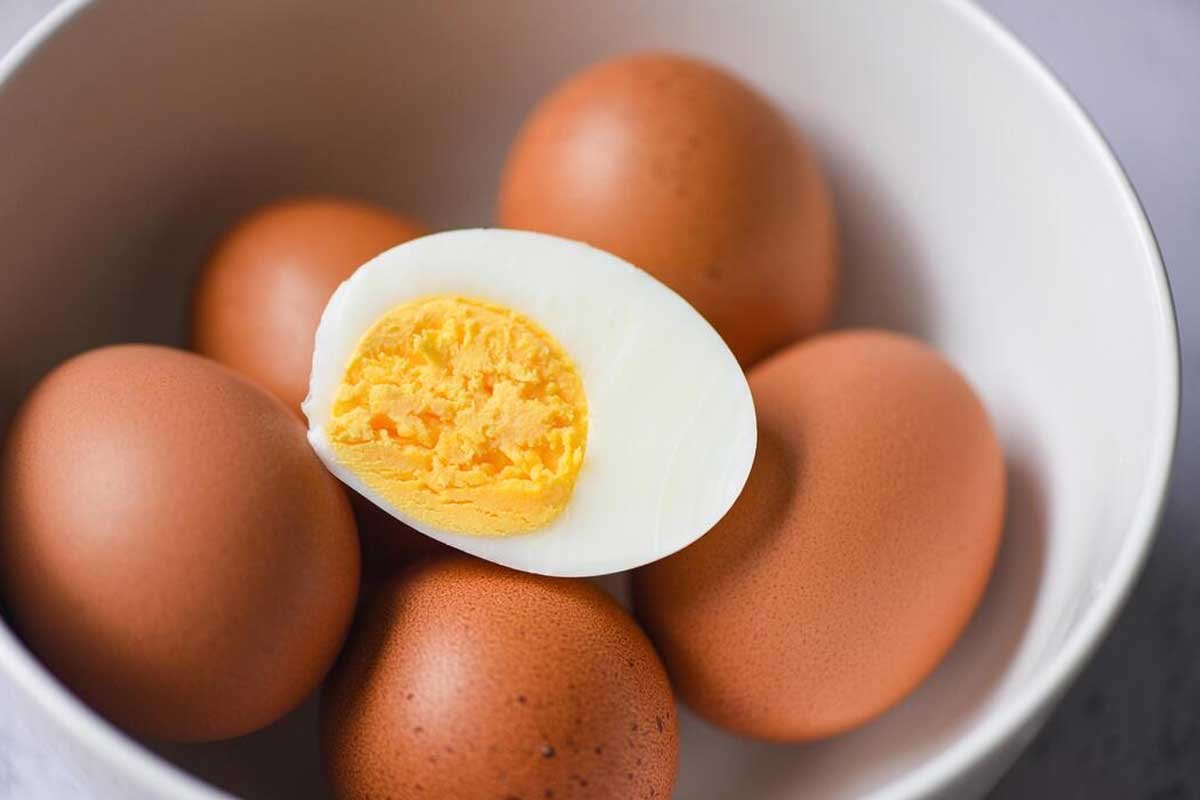
A single large egg (approximately 50 grams) provides an impressive amount of nutrition while remaining relatively low in calories. On average, one large egg contains:
- Calories: About 70-72 kcal
- Protein: About 6.3 grams
- Total Fat: About 5 grams
- Carbohydrates: About 0.4 grams
- Vitamin B12
- Vitamin D
- Vitamin A
- Selenium
- Phosphorus
- Choline
The egg yolk contains many essential nutrients, including vitamins, minerals, healthy fats, and choline, while the egg white is primarily valued as an excellent source of high-quality protein. Together, they provide a well-balanced combination of nutrients that can support overall health and fit into a healthy weight loss diet.
Also Read: High Protein Dry Fruits List: Top 5 and Nutrition Facts
How to Eat Egg for Weight Loss
If your goal is to lose weight, simply eating eggs isn’t enough, how you prepare and eat them matters just as much. Choosing healthier cooking methods and pairing eggs with nutritious foods can help you get the most out of their protein while supporting your weight loss goals.
Here are some of the best ways to understand how to eat egg for weight loss and include eggs in a balanced, calorie-conscious diet.
1. Choose Boiled Eggs for the Healthiest Option
Boiled eggs are one of the best choices if you’re trying to lose weight. Since they don’t require added oil or butter, they help keep your calorie intake under control while providing plenty of high-quality protein.
Benefits of boiled eggs:
- No added oil or butter, which helps reduce extra calories.
- Naturally low in calories and easy to fit into a weight loss diet.
- Rich in high-quality protein that helps keep you feeling full.
- An excellent breakfast option to support healthy eating habits and long-lasting energy.
2. Include Eggs in Your Breakfast
Starting your day with eggs can be a smart strategy for healthy weight management. Research suggests that a high-protein breakfast helps you feel full for longer, making it easier to manage hunger throughout the day.
Benefits of eating eggs for breakfast:
- Helps reduce the urge to overeat at later meals.
- May decrease unnecessary snacking throughout the day.
- Supports steady energy levels for longer.
- Makes it easier to stay on track with a healthy weight management plan.
That’s why, when it comes to how to eat egg for weight loss, many nutrition experts recommend enjoying eggs as part of a balanced, protein-rich breakfast.
3. Avoid Frying Eggs in Too Much Oil
The way you cook your eggs can make a big difference when you’re trying to lose weight. Frying eggs in large amounts of oil or butter or serving them with processed meats, can significantly increase the total calorie and saturated fat content of your meal.
Healthier cooking options include:
- Boiled eggs
- Poached eggs
- Light vegetable omelet made with minimal oil
- Scrambled eggs cooked with a small amount of healthy oil
These cooking methods let you enjoy the nutritional benefits of eggs without adding unnecessary calories, making them a better choice for a weight loss-friendly diet.
Also Read: How Many Steps to Walk a Day to Lose Weight? Know the Right Calculation
4. Pair Eggs with Fiber-Rich Foods
Instead of eating eggs alone, pair them with fiber-rich foods to create a more balanced and satisfying meal. Combining protein with fiber can help you stay full longer, support healthy digestion, and make it easier to manage your daily calorie intake.
Great foods to pair with eggs include:
- Spinach
- Tomatoes
- Cucumbers
- Bell peppers
- Broccoli
- Whole-grain toast
Adding these nutrient-rich foods to your meal is one of the smartest answers to how to eat egg for weight loss, as it creates a balanced plate that supports healthy and sustainable weight management.
5. Combine Eggs with a Balanced Diet and Regular Exercise
While eggs are a nutritious food, they won’t cause weight loss on their own. Lasting weight loss depends on maintaining a healthy calorie balance and following an overall healthy lifestyle.
To get the best results:
- Stay physically active with regular walks or other daily movement.
- Include strength training to help build and maintain lean muscle.
- Drink plenty of water throughout the day.
- Get enough quality sleep each night.
- Follow a balanced, calorie-controlled diet that includes a variety of nutrient-rich foods.
Ultimately, the best answer to how to eat egg for weight loss is to make eggs part of a healthy, well-balanced lifestyle rather than relying on any single food for weight loss.
Is It Okay to Eat Eggs Every Day?

For most healthy adults, eating eggs in moderation can be part of a balanced and nutritious diet. Eggs provide high-quality protein along with essential vitamins and minerals, making them a convenient choice for many healthy eating plans.
However, if you have high cholesterol, heart disease, diabetes, or another medical condition, your dietary needs may be different. In these cases, it’s best to speak with your doctor or a registered dietitian to determine how many eggs are appropriate for your individual health goals and medical history.
Can You Lose Weight Just by Eating Eggs?
No. Simply eating eggs will not lead to weight loss. The most important factor in losing weight is maintaining a healthy calorie balance, where you consistently burn more calories than you consume over time.
Also Read: How Many Bananas Can I Eat in a Day, Find Out What Experts Say
Eggs are a nutritious, high-protein food that can support weight management by helping you feel full and making it easier to stick to a healthy eating plan. However, the real answer to how to eat egg for weight loss is to include eggs as part of a balanced diet, regular exercise routine, and an overall healthy lifestyle. Together, these habits provide the most effective and sustainable approach to long-term weight management.
Expert Tip
For a satisfying and weight-friendly breakfast, try two boiled eggs with a serving of fresh vegetables and one slice of whole-grain toast. This combination provides high-quality protein, fiber, and essential nutrients that can help you feel full for longer.
Staying satisfied between meals may reduce the urge to reach for unhealthy snacks, making it easier to maintain a balanced diet and support your long-term weight management goals.
Did You Know?
- About 60% of an egg’s protein is found in the egg white, while the remaining protein is found in the yolk.
- The egg yolk is rich in important nutrients, including vitamin D, choline, healthy fats, and several essential vitamins and minerals.
- Eggs are considered one of the most affordable high-protein foods available, making them a budget-friendly choice for a healthy diet.
- One large egg contains about 70 calories, along with high-quality protein and a variety of essential nutrients.
Frequently Asked Questions (FAQs)
Q1. How to eat egg for weight loss?
Boiled eggs or an omelet cooked with minimal oil are among the healthiest options for weight loss. For the best results, include eggs as part of a balanced diet and regular exercise routine.
Q2. Is boiled egg good for weight loss?
Yes. Boiled eggs are high in protein and relatively low in calories, helping you stay full longer and making it easier to manage your daily calorie intake.
Q3. How many eggs should I eat for weight loss?
The right amount depends on your age, overall health, activity level, and daily calorie needs. For personalized advice, consult your doctor or a registered dietitian.
Q4. Can I eat eggs every day while trying to lose weight?
For most healthy adults, eggs can be part of a balanced diet. If you have high cholesterol, heart disease, or another medical condition, speak with your doctor before making dietary changes.
Q5. What is the best time to eat eggs for weight loss?
Many nutrition experts recommend eating eggs at breakfast because their high protein content can help you stay full longer and reduce hunger throughout the day.
Q6. Is egg yolk healthy for weight loss?
Yes. Egg yolks contain important nutrients, including vitamin D, choline, and healthy fats. When eaten in moderation as part of a balanced diet, they can support overall health.
Q7. Can eggs alone help you lose weight?
No. Eggs alone won’t cause weight loss. Successful weight management depends on a balanced diet, regular physical activity, adequate sleep, and maintaining a healthy calorie balance.
Conclusion
The best answer to how to eat egg for weight loss is to enjoy eggs boiled, poached, or cooked with minimal oil, and pair them with fiber-rich foods such as vegetables and whole grains. This combination helps create a balanced, nutrient-dense meal that supports healthy eating habits.
For the best long-term results, combine eggs with regular exercise, adequate sleep, proper hydration, and a balanced, calorie-controlled diet. When included as part of an overall healthy lifestyle, eggs can support weight management while providing your body with high-quality protein, essential vitamins, and important minerals needed for overall health.
Disclaimer
This article is intended for general informational and educational purposes only and should not be considered a substitute for professional medical advice, diagnosis, or treatment. If you have a medical condition, are taking prescription medications, or plan to make significant changes to your diet, consult your doctor or a registered dietitian before making any dietary decisions.

I am Danish, the creator of Health Update 24. I write about health, nutrition, fitness, and healthy lifestyle topics, sharing simple, practical, and well-researched information to help readers make informed decisions about their well-being. Know More