Today, more people than ever want to live not just a longer life, but a healthier, more active, and more fulfilling one. However, modern lifestyles, marked by processed foods, chronic stress, long hours of sitting, and lack of physical activity, have contributed to a growing number of health problems, even among younger adults.
How to Live a Long Healthy Life is about much more than simply adding years to your life. It means adopting daily habits that help your body and mind stay strong, energetic, and resilient as you age. In this comprehensive health guide, you’ll discover 10 proven healthy habits that support balanced nutrition, regular physical activity, quality sleep, stress management, and overall well-being.
Health experts agree that there is no single secret to living a long and healthy life. Instead, it is the small, consistent choices you make every day that have the biggest impact on your overall health. From eating nutrient-rich foods and staying physically active to getting enough sleep and taking care of your mental well-being, these habits can help improve your quality of life and support healthy aging.
Whether you’re in your 20s, 40s, or 60s, it’s never too early or too late to start making positive changes. By following these practical tips, you can build a healthier lifestyle that supports your body, protects your heart, strengthens your immune system, and helps you enjoy a longer, healthier future.
Table of Contents
1. Eat a Balanced, Nutrient-Rich Diet

One of the most important steps in How to Live a Long Healthy Life is eating a balanced diet that provides your body with the nutrients it needs every day. Good nutrition supports healthy aging, helps maintain energy levels, and reduces the risk of many chronic health conditions.
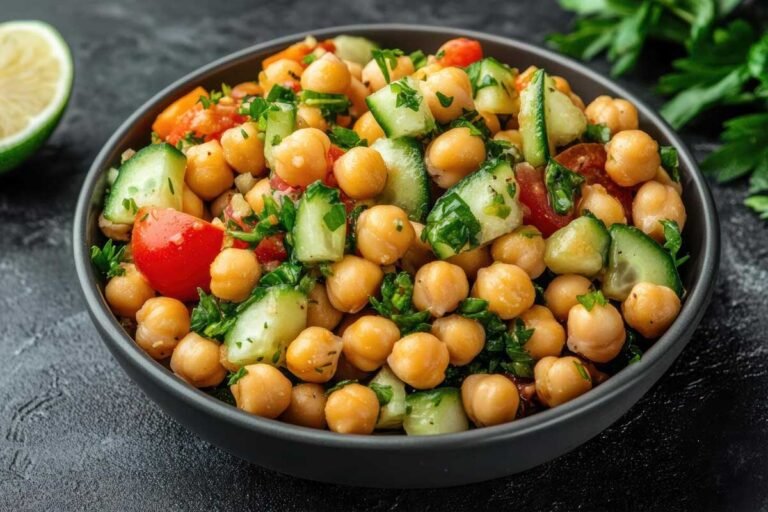
Fill your plate with a variety of fruits, vegetables, whole grains, legumes, nuts, seeds, and lean protein sources. These natural foods are rich in essential nutrients, including fiber, vitamins, minerals, antioxidants, and healthy fats, which help your body function properly and support overall well-being.
Whenever possible, choose fresh, minimally processed foods over highly processed options. Limiting foods that are high in added sugars, refined carbohydrates, sodium, and unhealthy fats is an important part of maintaining a healthy lifestyle. Making balanced food choices consistently can improve your long-term health and help you stay active as you age.
Also Read: Healthy High Protein Breakfast: 10 Healthy Breakfast Ideas
2. Stay Physically Active Every Day

Staying physically active is one of the most effective ways to support a long, healthy life. Regular movement helps keep your body strong, improves mobility, and contributes to better overall health at every stage of life.
Aim to include activities you enjoy, such as brisk walking, cycling, swimming, yoga, strength training, or dancing. Even simple activities like taking the stairs, gardening, or walking after meals can make a positive difference when done consistently.
Daily physical activity can help maintain a healthy weight, strengthen muscles and bones, improve heart health, and support better balance and flexibility. It also plays an important role in maintaining energy levels and overall physical function as you age.
Health experts also recommend reducing long periods of sitting. If you spend most of your day at a desk, take short movement breaks every hour. Small changes throughout the day can add up and contribute to a healthier, more active lifestyle.
3. Make Quality Sleep a Priority

Getting enough quality sleep is essential for maintaining both physical and mental health. During sleep, your body repairs tissues, supports immune function, and helps your brain process information and recover from the day.
Not getting enough sleep can leave you feeling tired, affect your mood, reduce concentration, and make everyday tasks more difficult. That’s why maintaining a consistent sleep schedule and creating healthy bedtime habits are important for long-term well-being.
Try to go to bed and wake up at the same time each day, even on weekends. Limiting screen time before bed, keeping your bedroom quiet and comfortable, and avoiding heavy meals or caffeine late in the evening may help improve sleep quality.
Quality sleep is considered a key part of a healthy lifestyle and plays an important role in How to Live a Long Healthy Life by supporting healthy aging, energy levels, and overall wellness.
4. Maintain a Healthy Weight

Maintaining a healthy weight is an important part of overall health and well-being. Carrying excess body weight, especially around the waist, can place additional strain on the body and may increase the risk of several long-term health conditions.
A balanced diet, regular physical activity, and healthy daily habits can help you achieve and maintain a healthy weight over time. Instead of focusing on strict diets or quick fixes, aim for gradual, sustainable lifestyle changes that you can maintain in the long run.
Simple habits such as eating appropriate portion sizes, choosing nutrient-rich foods, staying active, and getting enough sleep all work together to support healthy weight management. These consistent choices not only improve your daily health but also contribute to How to Live a Long Healthy Life by promoting healthy aging and long-term wellness.
5. Stay Properly Hydrated

Drinking enough water is one of the simplest yet most important habits for maintaining good health. Water helps regulate body temperature, transport nutrients, support digestion, lubricate joints, and keep many essential body functions working properly.
Your daily fluid needs can vary depending on factors such as age, activity level, climate, and overall health. During hot weather, exercise, or other physically demanding activities, your body may require more fluids to stay properly hydrated.
Make it a habit to drink water regularly throughout the day instead of waiting until you feel thirsty. You can also support healthy hydration by eating water-rich foods such as fruits and vegetables.
Staying well hydrated helps maintain energy levels, supports overall wellness, and is an important part of How to Live a Long Healthy Life.
6. Manage Stress in Healthy Ways

Managing stress is an important part of maintaining both physical and mental well-being. While occasional stress is a normal part of life, long-term or chronic stress can affect your overall health and quality of life if it is not managed effectively.
Healthy stress-management techniques such as meditation, deep breathing exercises, spending time in nature, listening to music, reading, or enjoying a favorite hobby can help you feel more relaxed and improve your emotional well-being. Even a few minutes of mindfulness each day can make a positive difference.
Building strong relationships with family and friends, taking regular breaks, and making time for activities you enjoy are also simple ways to support better mental health.
Health experts agree that maintaining emotional balance and a positive mindset are essential for healthy aging. Learning to manage stress in healthy ways is an important step in How to Live a Long Healthy Life and improving your overall quality of life.
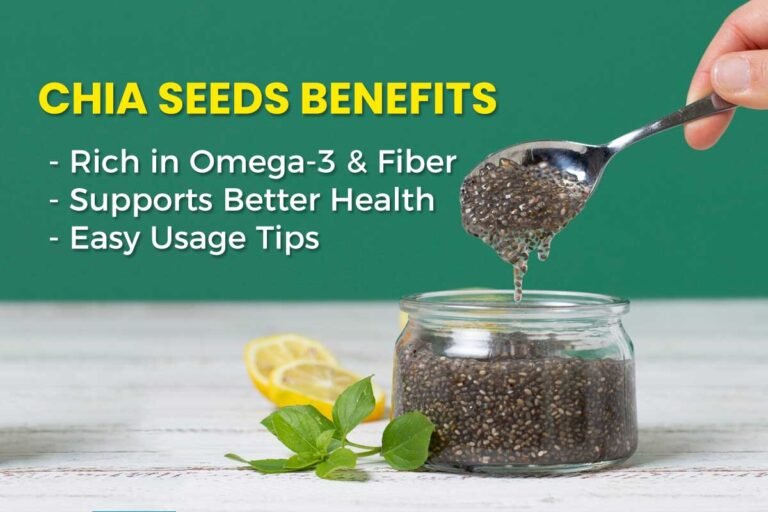
Also Read: Benefits of Chia Seeds: Complete Guide for Better Health
7. Avoid Smoking and Other Harmful Habits

Avoiding smoking, tobacco products, and other harmful habits is one of the most important steps you can take to protect your long-term health. These habits can negatively affect many parts of the body and increase the risk of several serious health conditions over time.
If you smoke or use tobacco, quitting can provide health benefits at almost any age. Even small positive changes made today can improve your overall well-being in the future. If quitting feels challenging, consider seeking support from a healthcare professional or a trusted smoking cessation program.
Building a healthier lifestyle doesn’t happen overnight. Focus on replacing unhealthy habits with positive ones, such as eating nutritious foods, staying physically active, managing stress, and getting enough sleep. These consistent choices play an important role in disease prevention and support How to Live a Long Healthy Life.
8. Get Regular Health Checkups

Many health conditions develop gradually and may not cause noticeable symptoms in their early stages. Regular health checkups can help monitor your overall health and identify potential concerns before they become more serious.
Routine screenings such as blood pressure, blood sugar, cholesterol, and other recommended health tests can provide valuable information about your health. The tests you need may vary depending on your age, family history, lifestyle, and personal risk factors.
Health experts recommend discussing the right screening schedule with your healthcare provider. Regular checkups, combined with healthy daily habits, can support early detection, disease prevention, and better long-term health.
Making preventive healthcare a part of your routine is an important step in How to Live a Long Healthy Life and maintaining your overall well-being.
9. Take Care of Your Mental Health and Relationships

Good mental health is just as important as physical health when it comes to living a long and healthy life. Taking care of your emotional well-being can improve your quality of life, help you cope with everyday challenges, and support healthy aging.
Spending quality time with family and friends, maintaining meaningful relationships, and staying socially connected can have a positive impact on your emotional health. Strong social connections are often associated with greater happiness and overall well-being.
Keeping your mind active is equally important. Activities such as reading, learning new skills, solving puzzles, practicing a hobby, or engaging in creative projects can help support brain health and keep your mind engaged throughout life.
Health experts believe that emotional wellness, positive relationships, and an active mind all play an important role in longevity. Making mental health a priority is another essential step in How to Live a Long Healthy Life and enjoying a healthier, more fulfilling future.
10. Stay Consistent with Healthy Habits

The key to How to Live a Long Healthy Life is consistency. Healthy living is not about making perfect choices every day, it’s about building positive habits that you can maintain over the long term.
Small, sustainable changes can make a meaningful difference over time. Eating a balanced diet, staying physically active, getting enough quality sleep, managing stress, staying hydrated, and keeping up with regular health checkups all work together to support lifelong health.
Instead of looking for quick results, focus on creating a lifestyle that fits your daily routine. Every healthy choice you make today can contribute to better physical health, improved mental well-being, and a higher quality of life in the years ahead.
Remember, living a long and healthy life is a journey, not a destination. By staying consistent with healthy habits, you can improve your overall wellness and increase your chances of enjoying a healthier, more active future.
Also Read: High Protein Dry Fruits List: Top 5 and Nutrition Facts
Final Thoughts
Living a long and healthy life isn’t about changing just one habit, it’s about creating a balanced lifestyle that supports your health every day. Eating nutritious foods, staying physically active, getting quality sleep, managing stress, maintaining a healthy weight, and taking care of your mental well-being all play an important role in long-term wellness.
Around the world, more people are focusing on preventive healthcare and healthy lifestyle choices to reduce health risks and improve their quality of life. While there is no single formula for longevity, adopting healthy habits consistently can have a lasting positive impact on both your physical and mental health.
If you’re wondering How to Live a Long Healthy Life, start with small, realistic changes that fit your daily routine. Over time, these simple habits can help you build a healthier future, support healthy aging, and enjoy a more active, fulfilling life for years to come.
Frequently Asked Questions (FAQs)
Q1. What is the best way to live a long and healthy life?
The best approach is to follow healthy daily habits, including eating a balanced diet, exercising regularly, getting enough quality sleep, managing stress, staying hydrated, and scheduling routine health checkups. Together, these habits support long-term health and overall well-being.
Q2. Does daily exercise help you live longer?
Regular physical activity can help keep your body strong, maintain a healthy weight, improve heart health, and support overall fitness. Health experts recommend staying active as part of a healthy lifestyle and How to Live a Long Healthy Life.
Q3. What foods are best for long-term health?
A balanced diet that includes fruits, vegetables, whole grains, legumes, nuts, seeds, and lean protein sources provides essential nutrients such as vitamins, minerals, fiber, and healthy fats that support overall health.
Q4. Why is quality sleep important for a healthy life?
Quality sleep allows your body and brain to recover, supports immune function, improves concentration, and helps maintain energy levels. Consistent, restful sleep is an important part of healthy aging and long-term wellness.
Q5. Can stress affect your health and lifespan?
Long-term stress can have a negative impact on both physical and mental health. Healthy stress-management techniques such as meditation, deep breathing, regular exercise, and spending time in nature can help improve overall well-being.
Q6. Why are regular health checkups important?
Routine health checkups can help detect potential health issues early and monitor important health markers such as blood pressure, blood sugar, and cholesterol. Your healthcare provider can recommend screenings based on your age, lifestyle, and personal risk factors.
Q7. Is a healthy diet alone enough to live a long and healthy life?
No. While a balanced diet is essential, long-term health also depends on regular physical activity, quality sleep, stress management, proper hydration, preventive healthcare, and maintaining healthy lifestyle habits. Combining these factors offers the best support for a longer, healthier life.
Conclusion
Living a long and healthy life starts with the choices you make every day. Healthy habits such as eating a balanced diet, staying physically active, getting enough quality sleep, managing stress, staying hydrated, and scheduling regular health checkups can all contribute to better overall health and well-being.
Health experts agree that How to Live a Long Healthy Life isn’t about following a single rule or finding a quick solution. Instead, it comes from maintaining a balanced lifestyle and consistently practicing healthy habits over time.
Remember, every positive step, no matter how small, can make a difference. By making healthy choices part of your daily routine, you can improve your quality of life, support healthy aging, and enjoy a healthier, more active future.
Disclaimer
This article is intended for general health information and educational purposes only. The information provided is not a substitute for professional medical advice, diagnosis, or treatment. If you have a medical condition, ongoing health concerns, or persistent symptoms, consult a qualified healthcare professional for personalized guidance.
Always speak with your doctor or healthcare provider before starting any new diet, supplement, medication, or exercise program, especially if you have an existing medical condition or are pregnant, breastfeeding, or taking prescription medications.

I am Danish, the creator of Health Update 24. I write about health, nutrition, fitness, and healthy lifestyle topics, sharing simple, practical, and well-researched information to help readers make informed decisions about their well-being. Know More