In today’s fast-paced lifestyle, many people are looking for foods that provide complete nutrition, keep them feeling full for longer, and support a healthy body weight. Protein is one of the most important nutrients for achieving these goals. It not only helps build and maintain muscle but also plays a vital role in repairing body tissues, producing hormones and enzymes, strengthening the immune system, and supporting overall energy levels.
When people think of protein, foods like eggs, chicken, fish, and dairy products usually come to mind. However, many vegetables also contain a surprising amount of protein while providing fibre, essential vitamins, minerals, and powerful antioxidants. If you follow a vegetarian or plant-based diet, are trying to lose weight, focus on fitness, or simply want to improve your daily nutrition, this list of high protein vegetables is an excellent place to start.
One of the biggest advantages of these vegetables is that they are widely available in supermarkets and local grocery stores across the United States, Canada, the United Kingdom, Germany, France, Australia, and many other countries around the world. Adding these protein-rich vegetables to your daily meals can help increase your overall protein intake while supporting heart health, healthy digestion, weight management, and long-term overall well-being.
Table of Contents
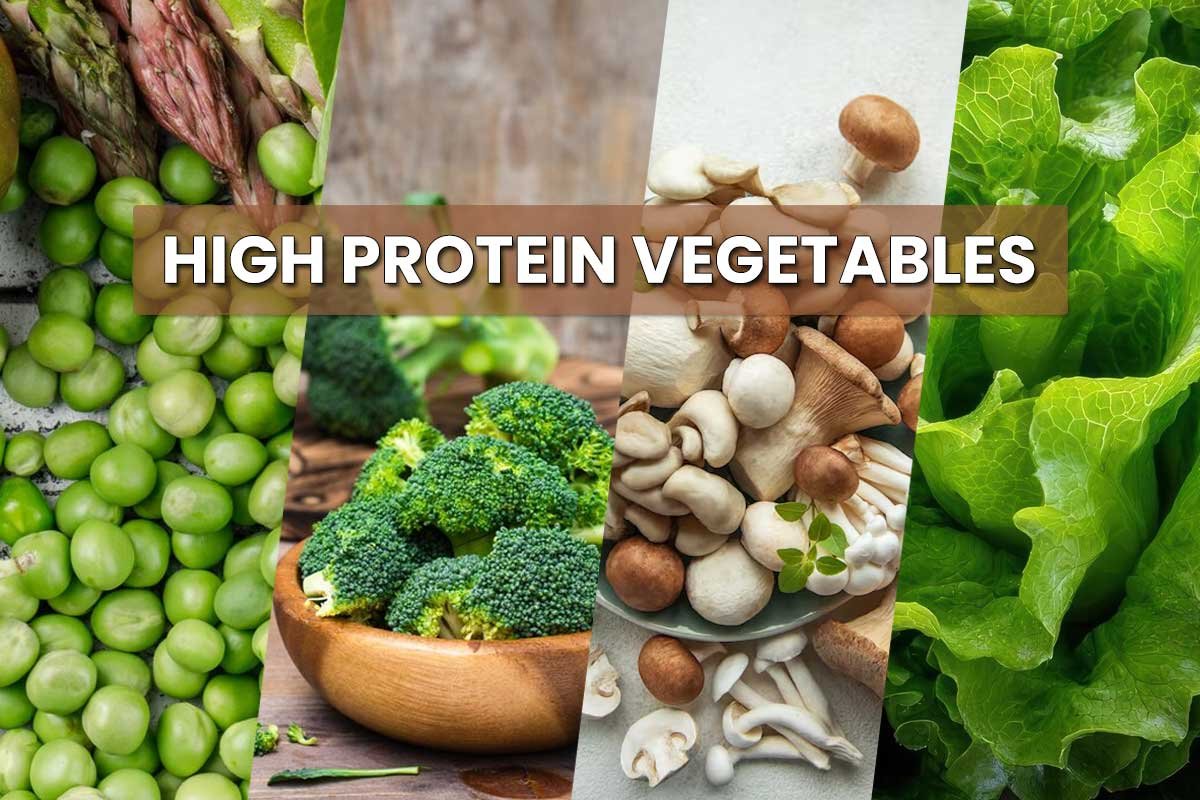
List of High Protein Vegetables: 6 Best Protein-Rich Vegetables
The six vegetables listed below are not only excellent sources of plant-based protein but also provide plenty of fibre, essential vitamins, minerals, and antioxidants. Including them in your regular diet can help support muscle health, keep you feeling full for longer, promote healthy digestion, and contribute to overall well-being. Let’s explore the nutritional value, health benefits, and the best time to eat each of these high protein vegetables.
| Vegetable | Protein (per 100 g) |
|---|---|
| Green Peas | 5.4 g |
| Kale | 4.3 g |
| Brussels Sprouts | 3.4 g |
| Sweet Corn | 3.2 g |
| Mushrooms | 3.1 g |
| Broccoli | 2.8 g |
1. Green Peas
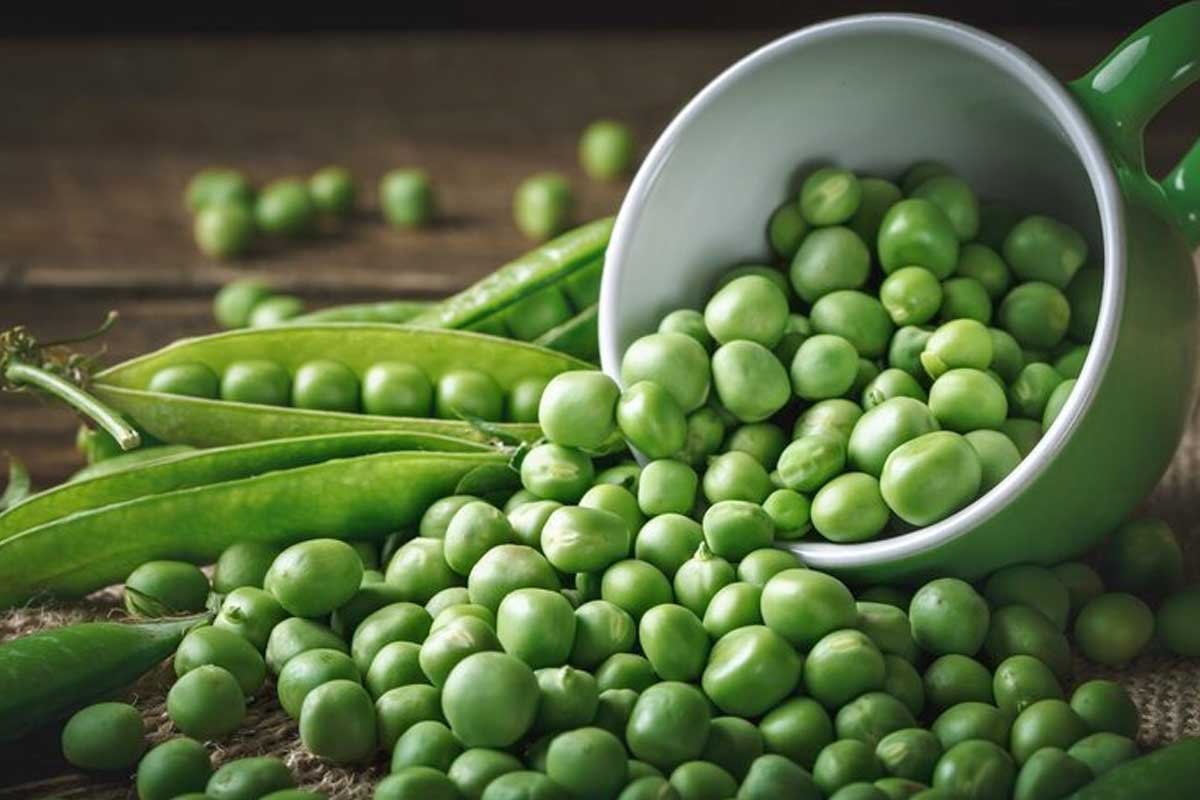
Green peas are one of the most popular vegetables on the list of high protein vegetables. They provide a good amount of plant-based protein along with dietary fibre, making them an excellent choice for people who want to stay full for longer and reduce unnecessary snacking. This is one reason why green peas are commonly included in weight management and healthy eating plans.
The fibre in green peas supports healthy digestion and may help reduce constipation by promoting regular bowel movements. They are also rich in vitamin C and antioxidants, which help support a healthy immune system and protect the body’s cells from oxidative stress.
For people who exercise regularly, green peas can be a nutritious addition to a balanced diet. Their combination of protein, vitamins, and minerals helps support muscle recovery and overall physical performance.
Nutrition Value (per 100 g)
- Protein: 5.4 g
- Fibre: About 5 g
- Vitamin C
- Vitamin K
- Folate
- Iron
- Manganese
Best Time to Eat
Green peas can be enjoyed at lunch or dinner as part of vegetable dishes, soups, salads, rice bowls, pasta, or grain-based meals. They also make a great addition to a balanced post-workout meal when paired with other protein-rich foods and complex carbohydrates.
Also Read: Low Carb and High Protein Meals: 8 Healthy Meal Ideas
2. Kale
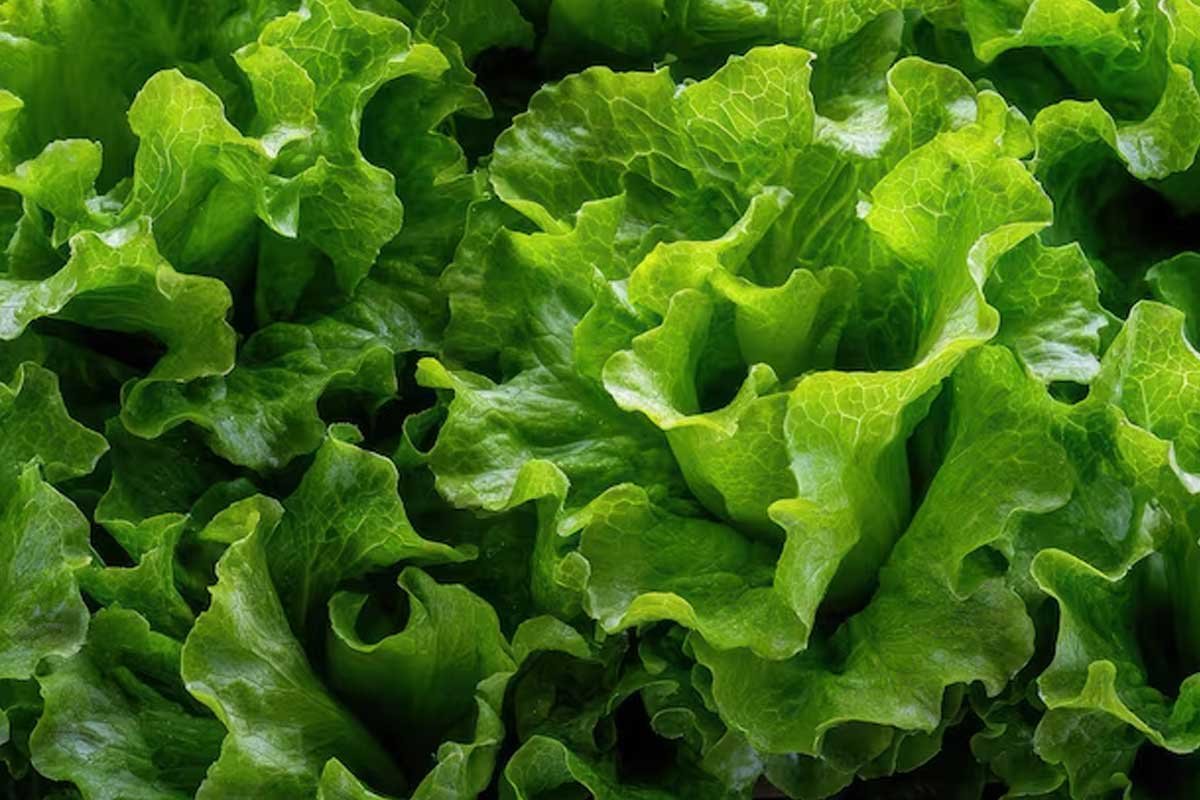
Kale is widely recognized as one of the most nutrient-dense leafy greens and deserves a place on any list of high protein vegetables. In addition to providing plant-based protein, it is packed with essential vitamins, minerals, and antioxidants that support overall health.
The antioxidants in kale may help reduce oxidative stress and protect cells from damage caused by free radicals. Its high vitamin K content plays an important role in maintaining healthy bones, while vitamin C supports a strong immune system and helps the body produce collagen for healthy skin and connective tissues.
Kale is naturally low in calories and high in fibre, making it an excellent choice for people looking to maintain a healthy weight. The fibre also supports digestive health and helps promote a longer-lasting feeling of fullness.
Nutrition Value (per 100 g)
- Protein: 4.3 g
- Vitamin A
- Vitamin C
- Vitamin K
- Calcium
- Potassium
- Antioxidants
Best Time to Eat
Kale can be enjoyed in salads, smoothies, soups, sandwiches, or lightly sautéed as a side dish. It is an excellent addition to lunch or dinner and pairs well with lean proteins, whole grains, and other vegetables as part of a balanced meal.
3. Brussels Sprouts
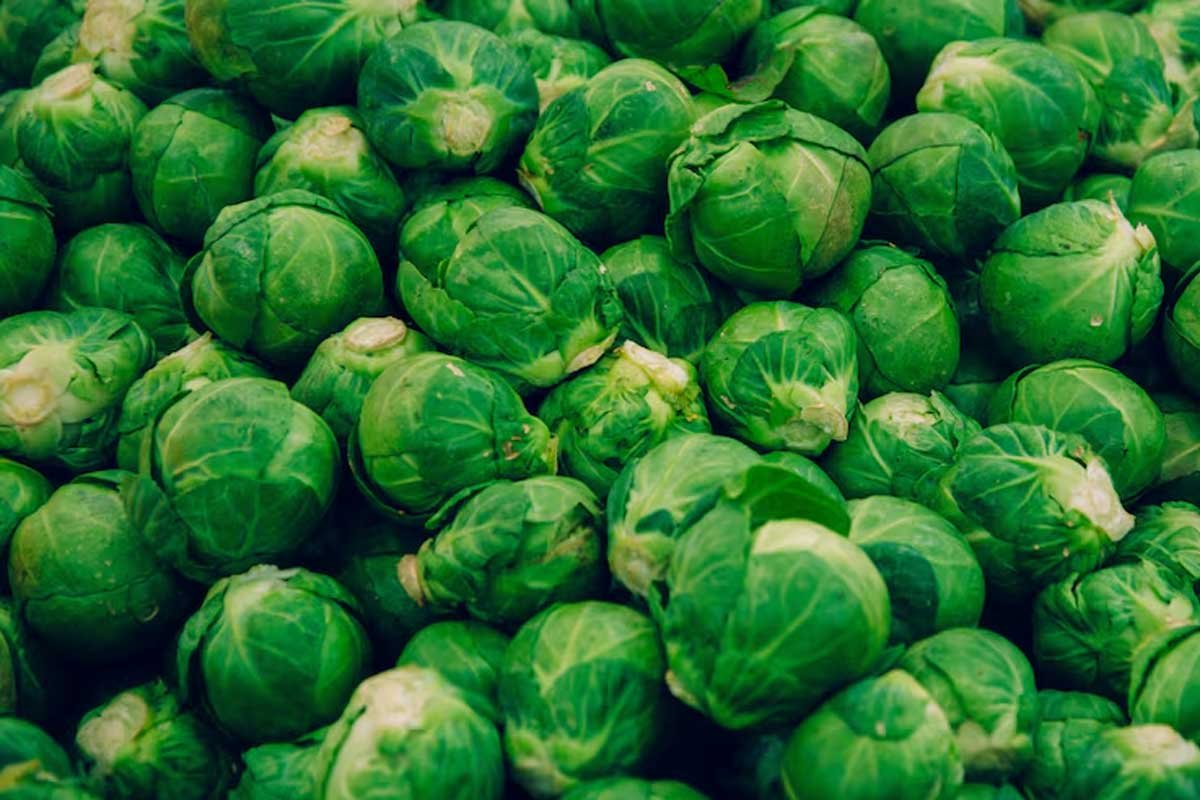
Brussels sprouts are a popular vegetable across Europe and North America and are an excellent addition to any list of high protein vegetables. They provide a good combination of plant-based protein and dietary fibre, helping you stay satisfied for longer and making them a smart choice for healthy weight management.
They are also an excellent source of vitamin C, which supports a healthy immune system and helps protect cells from oxidative damage. Their high vitamin K content plays an important role in maintaining strong bones and supporting normal blood clotting. In addition, Brussels sprouts contain folate and potassium, two nutrients that contribute to overall health and normal body function.
If you’re looking to increase your intake of nutrient-dense, protein-rich vegetables, Brussels sprouts are a great option. Including them regularly in a balanced diet can help improve the overall nutritional quality of your meals.
Nutrition Value (per 100 g)
- Protein: 3.4 g
- Fibre
- Vitamin C
- Vitamin K
- Folate
- Potassium
Best Time to Eat
Brussels sprouts can be roasted, steamed, or sautéed and served as a side dish or mixed with other vegetables. They are best enjoyed at lunch or dinner alongside lean proteins, whole grains, or other nutrient-rich foods as part of a balanced meal.
4. Sweet Corn
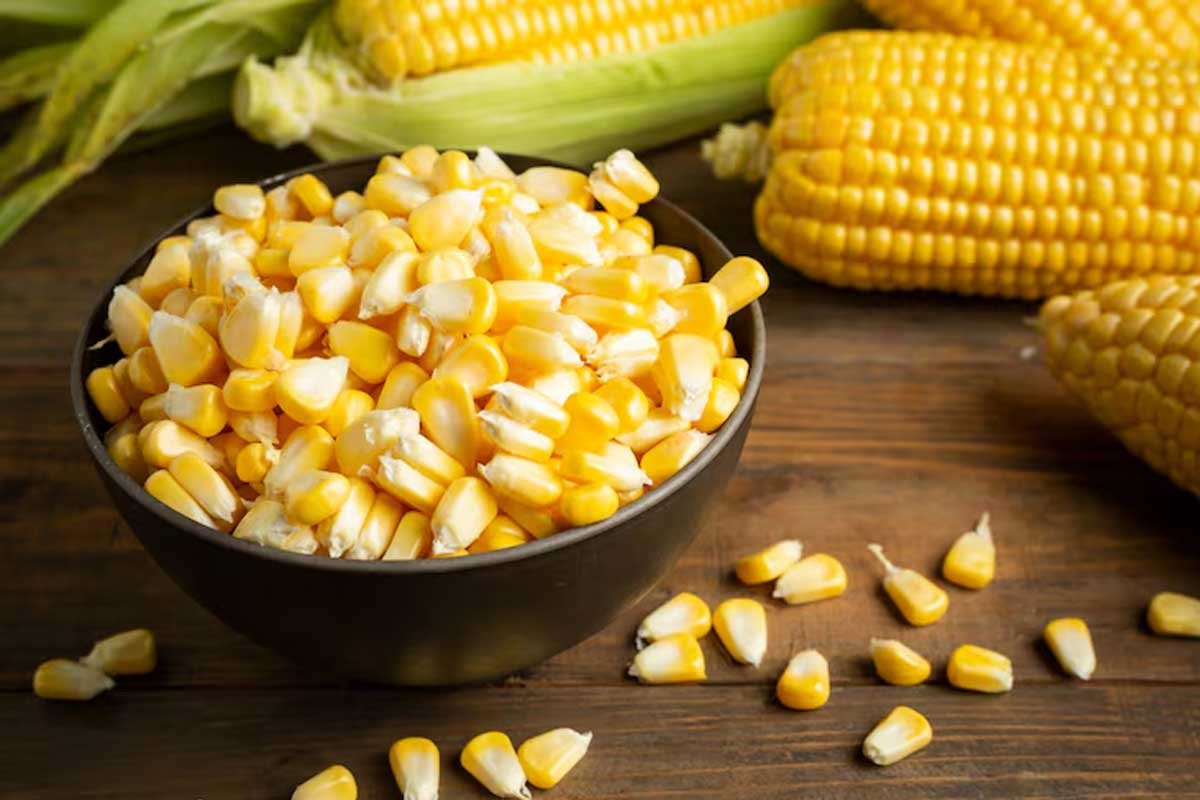
Sweet corn is one of the most widely enjoyed vegetables around the world and is valued for both its taste and nutritional benefits. As part of a balanced list of high protein vegetables, it provides a moderate amount of plant-based protein that helps support muscle maintenance and normal body functions. It also contains healthy carbohydrates, which serve as an important source of energy for daily activities and exercise.
In addition to protein, sweet corn is a good source of dietary fibre, which supports healthy digestion and helps you feel full for longer. It also provides B vitamins, magnesium, and potassium-nutrients that contribute to normal energy metabolism, muscle function, and overall health. When eaten in appropriate portions, sweet corn can be a nutritious part of a healthy, balanced diet.
Nutrition Value (per 100 g)
- Protein: 3.2 g
- Carbohydrates: About 19 g
- Fibre: About 2.7 g
- B Vitamins
- Magnesium
- Potassium
Best Time to Eat
Boiled or steamed sweet corn makes an excellent snack and can also be added to salads, grain bowls, soups, or lunch meals. Because it provides carbohydrates for energy, it is also a good option before a workout or other physical activity.
Also Read: Healthy High Protein Breakfast: 10 Healthy Breakfast Ideas
5. Mushrooms
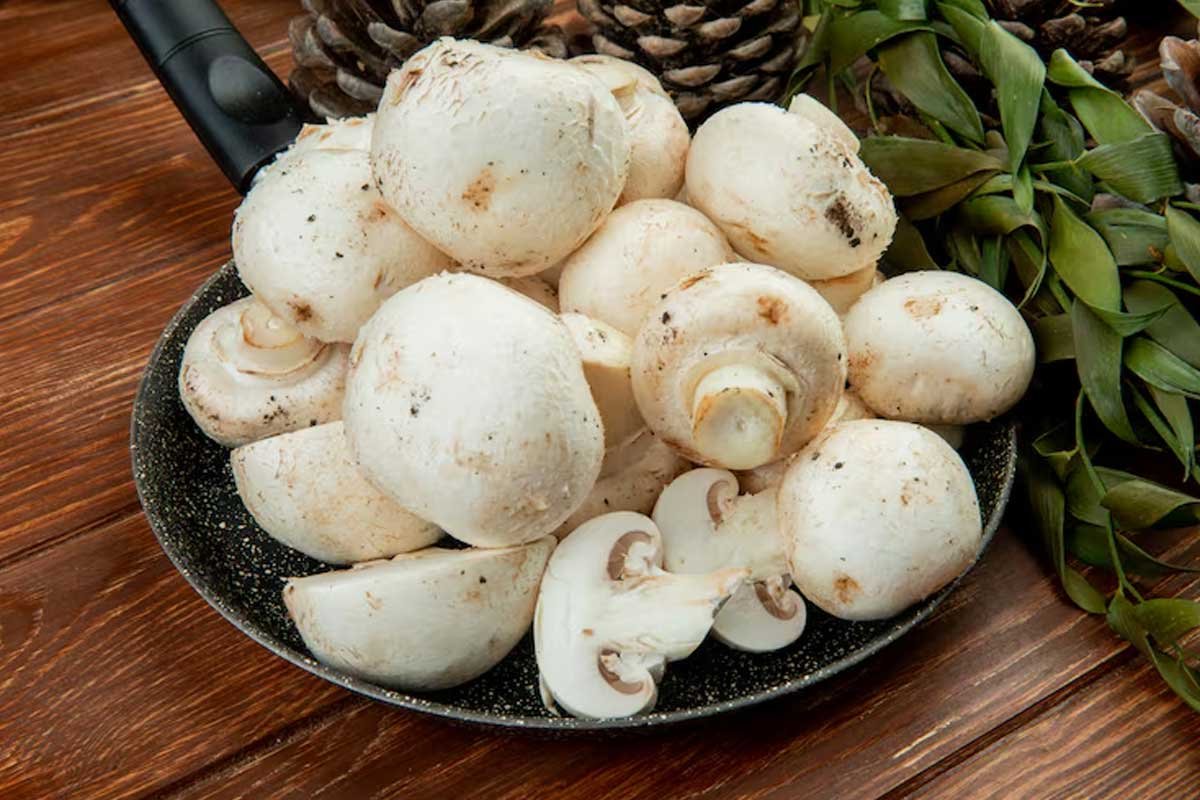
Mushrooms are a popular ingredient in healthy diets around the world because they are naturally low in calories while providing a variety of essential nutrients. They deserve a place on any list of high protein vegetables thanks to their plant-based protein content and impressive nutritional profile. The protein in mushrooms helps support muscle maintenance and normal body functions as part of a balanced diet.
Mushrooms are also rich in selenium, a powerful antioxidant that helps protect cells from oxidative stress. In addition, they provide B vitamins such as riboflavin (B2) and niacin (B3), which play an important role in energy production and healthy nervous system function. Their low calorie content makes mushrooms an excellent choice for people who are trying to maintain or lose weight without sacrificing nutrition.
Adding mushrooms to your regular meal plan can help increase your intake of important vitamins and minerals while enhancing the flavor and texture of a wide variety of dishes.
Nutrition Value (per 100 g)
- Protein: 3.1 g
- Calories: About 22 kcal
- Fibre
- Selenium
- Vitamin B2 (Riboflavin)
- Vitamin B3 (Niacin)
- Potassium
Best Time to Eat
Mushrooms can be enjoyed in soups, salads, pasta, stir-fries, omelets, grain bowls, or as a side dish with lunch or dinner. They pair well with lean proteins and other vegetables, making them a versatile addition to a balanced meal.
6. Broccoli
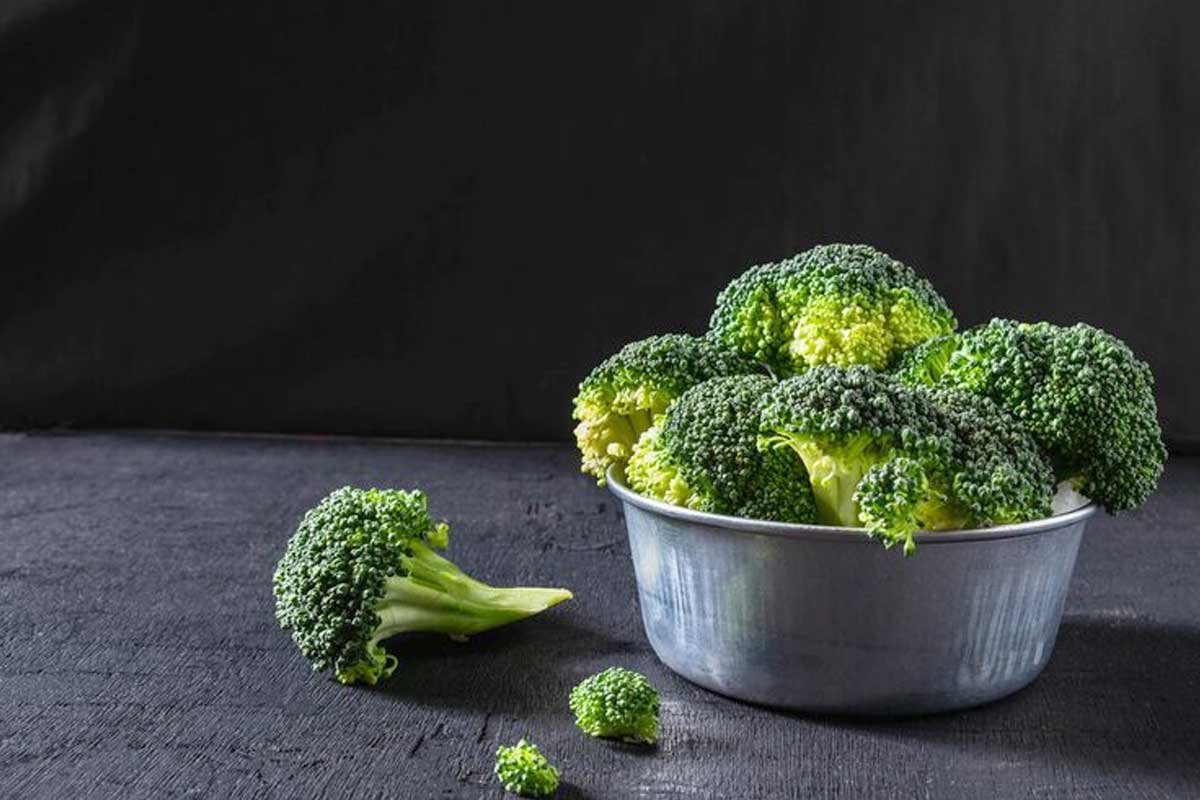
Broccoli is one of the world’s most popular healthy vegetables and is an essential addition to any list of high protein vegetables. While it is best known for its high vitamin C content, broccoli also provides plant-based protein, dietary fibre, and a wide range of antioxidants that support overall health.
The vitamin C and antioxidants in broccoli help support a healthy immune system and protect cells from oxidative stress. Its fibre content promotes healthy digestion, supports gut health, and helps you feel full for longer, making broccoli an excellent choice for people who are trying to maintain a healthy weight. It also provides vitamin K, folate, and potassium, which contribute to bone health, normal cell function, and overall wellness.
If you’re looking for a nutritious vegetable that is easy to find in supermarkets across the United States, Canada, the United Kingdom, Europe, Australia, and many other countries, broccoli is one of the best choices to include in your list of high protein vegetables.
Nutrition Value (per 100 g)
- Protein: 2.8 g
- Fibre: About 2.6 g
- Vitamin C
- Vitamin K
- Folate
- Potassium
Best Time to Eat
Broccoli can be steamed, lightly sautéed, roasted, or added to soups, salads, stir-fries, pasta, and grain bowls. It is best enjoyed with lunch or dinner as part of a balanced meal that includes healthy protein, whole grains, and other colorful vegetables.
List of High Protein Vegetables: Who Should Include These Vegetables in Their Diet?
These protein-rich vegetables can be a healthy addition to almost anyone’s diet. However, certain groups of people may benefit even more from including them regularly as part of a balanced eating plan.
- People trying to lose weight – Their combination of protein and fibre helps promote fullness, which may reduce overeating and support healthy weight management.
- Gym-goers and fitness enthusiasts – These vegetables provide nutrients that support muscle maintenance and can complement a high-protein diet.
- Vegetarians and vegans – They are valuable sources of plant-based protein and essential vitamins and minerals.
- Adults over the age of 40 – Maintaining adequate protein intake becomes increasingly important for preserving muscle mass and supporting healthy aging.
- Children and teenagers – Growing bodies need a variety of nutrient-rich foods to support normal growth and development.
- People with busy lifestyles – These vegetables are easy to include in everyday meals and provide a nutritious way to improve overall diet quality.
While these vegetables are nutritious, they should not be relied on as the only source of protein. For optimal nutrition, combine them with other high-quality protein foods such as beans, lentils, chickpeas, soy products (including tofu and edamame), eggs, dairy products, poultry, fish, or other protein-rich foods based on your dietary preferences. A balanced diet that includes a variety of protein sources is the best way to meet your daily protein needs.
Also Read: High Protein Dry Fruits List: Top 5 and Nutrition Facts
Easy Ways to Increase Protein in Your Diet
If you’re looking to boost your daily protein intake, these simple habits can make a big difference while helping you enjoy a more balanced and nutritious diet.
- Include at least one high-protein vegetable in every main meal.
- Add green peas, broccoli, or mushrooms to your salads for extra protein and fibre.
- Mix kale or Brussels sprouts into soups, pasta dishes, grain bowls, or casseroles.
- Pair vegetables with other protein-rich foods such as beans, lentils, chickpeas, tofu, eggs, or dairy products to create a more complete and satisfying meal.
- Plan balanced meals that include vegetables, whole grains, healthy fats, and quality protein sources.
- Stay physically active with regular exercise, as combining a nutritious diet with an active lifestyle helps support muscle health and overall well-being.
Frequently Asked Questions (FAQs)
Q1. What are the highest protein vegetables?
Some of the highest-protein vegetables include green peas, kale, Brussels sprouts, sweet corn, mushrooms, and broccoli. These vegetables not only provide plant-based protein but are also rich in fibre, vitamins, minerals, and antioxidants that support overall health.
Q2. Can vegetables provide enough protein?
Vegetables contribute to your daily protein intake, but they generally do not provide enough protein on their own to meet your body’s requirements. For a balanced diet, pair high-protein vegetables with foods such as beans, lentils, chickpeas, tofu, eggs, dairy products, fish, or lean meat.
Q3. Which high-protein vegetable is best for weight loss?
Green peas, broccoli, kale, and Brussels sprouts are excellent options for weight management. Their combination of protein and fibre helps keep you feeling full for longer, making it easier to control hunger while providing essential nutrients.
Q4. Is it okay to eat high-protein vegetables every day?
Yes. Most healthy adults can safely enjoy a variety of high-protein vegetables every day as part of a balanced diet. Eating a wide range of vegetables also helps ensure you receive diverse vitamins, minerals, and beneficial plant compounds.
Q5. What is the best time to eat high-protein vegetables?
High-protein vegetables can be enjoyed at lunch or dinner and work well in salads, soups, stir-fries, pasta dishes, grain bowls, and side dishes. They are also an excellent addition to post-workout meals when combined with another quality protein source.
Q6. Are high-protein vegetables suitable for vegetarians and vegans?
Yes. High-protein vegetables are an excellent choice for vegetarian and vegan eating patterns. Combining them with legumes, whole grains, soy products, nuts, and seeds can help improve overall protein intake and provide a more balanced nutritional profile.
Q7. Which vegetable has the most protein per 100 grams?
Among the vegetables featured in this list of high protein vegetables, green peas contain the highest amount of protein, providing approximately 5.4 grams of protein per 100 grams, making them one of the best plant-based vegetables for increasing daily protein intake.
Conclusion
If you’re looking to make your daily meals more nutritious, this list of high protein vegetables is an excellent place to start. Green peas, kale, Brussels sprouts, sweet corn, mushrooms, and broccoli not only provide plant-based protein but are also rich in fibre, vitamins, minerals, and antioxidants that support overall health.
Although these vegetables contain less protein than many animal-based foods or legumes, they still make a valuable contribution to a healthy, balanced diet. Including a variety of protein-rich vegetables in your meals can help improve your overall nutrient intake while supporting digestion, heart health, weight management, and long-term wellness.
For the best results, combine these vegetables with other quality protein sources such as beans, lentils, tofu, eggs, dairy products, fish, or lean meats, depending on your dietary preferences. Together with regular physical activity and a balanced eating pattern, these nutrient-dense vegetables can play an important role in maintaining a healthy lifestyle.
Disclaimer
This article is intended for general informational and educational purposes only and should not be considered medical advice, diagnosis, or treatment. If you have a medical condition, food allergy, or specific dietary requirements, consult your physician or a registered dietitian before making any significant changes to your diet. Always seek professional medical advice regarding your individual health needs.

I am Danish, the creator of Health Update 24. I write about health, nutrition, fitness, and healthy lifestyle topics, sharing simple, practical, and well-researched information to help readers make informed decisions about their well-being. Know More