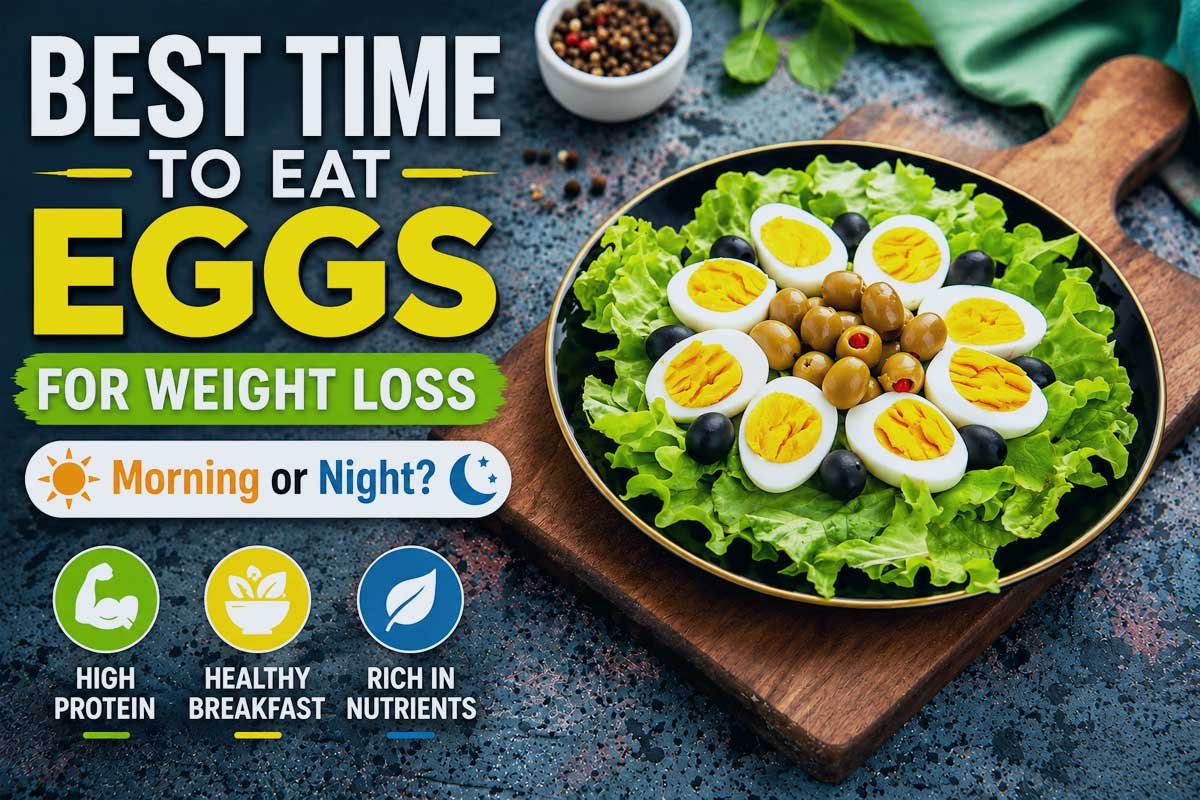
If you’re trying to lose weight, you’ve probably wondered about the best time to eat eggs for weight loss. Eggs are one of the most popular high-protein foods because they are rich in quality protein, healthy fats, vitamins, and essential minerals. But does eating eggs in the morning help you lose weight faster than eating them at night?
For most people, eating eggs as part of a protein-rich breakfast is generally the best choice for weight loss because it may help keep you full for longer, reduce unnecessary snacking, and support better appetite control throughout the day. However, eggs can also be a healthy dinner option if they fit within your daily calorie and protein goals.
The truth is that the best time to eat eggs for weight loss depends on your overall eating pattern, physical activity, and daily calorie intake rather than timing alone. This guide explains the best time to eat eggs, how many eggs you should eat, the healthiest cooking methods, and common mistakes to avoid if your goal is sustainable weight loss.
Quick Answer
For most healthy adults, the best time to eat eggs for weight loss is at breakfast. A protein-rich breakfast may improve satiety, reduce hunger later in the day, and help support healthy weight management. However, eating boiled eggs at dinner can also be beneficial if it helps you stay within your daily calorie target.
According to the World Health Organization (WHO), maintaining a healthy body weight requires a balanced diet and regular physical activity. While eggs can be a nutritious source of high-quality protein, they work best for weight loss when included as part of an overall healthy eating pattern and active lifestyle.
Table of Contents
Why Are Eggs Good for Weight Loss?
Eggs are considered one of the best foods for weight loss because they are naturally high in protein and relatively low in calories. Protein takes longer to digest than refined carbohydrates, which helps you feel satisfied for a longer period and may reduce unnecessary snacking between meals.
Harvard T.H. Chan School of Public Health notes that eggs are a nutritious source of high-quality protein, healthy fats, vitamins, and minerals. Including protein-rich foods like eggs in a balanced diet may help improve satiety, making it easier to manage daily calorie intake and support healthy weight management.
Another advantage of eggs is that they help preserve lean muscle mass during weight loss. Maintaining muscle is important because muscle tissue burns more energy than fat tissue, helping support a healthy metabolism while you’re in a calorie deficit.
Eggs are also versatile, affordable, and easy to prepare. Whether you enjoy boiled eggs, poached eggs, or a vegetable omelet, they can fit into almost any healthy eating plan.
Key Benefits
- Rich in high-quality protein
- Helps increase fullness
- May reduce unnecessary snacking
- Supports muscle maintenance
- Naturally low in carbohydrates
- Easy to include in healthy meals
What Is the Best Time to Eat Eggs for Weight Loss?

There isn’t a single perfect time that works for everyone. However, research suggests that starting your day with a protein-rich breakfast may help improve appetite control throughout the day, making breakfast the preferred time for many people trying to lose weight.
If you regularly skip breakfast or eat sugary cereals, replacing them with eggs may help you stay full for longer and reduce your overall calorie intake.
That said, eating eggs at dinner is also a healthy option if it replaces a high-calorie meal or late-night snack. Ultimately, your total daily calorie intake, protein intake, and overall lifestyle are far more important than the exact time you eat eggs.
If you’re looking for more protein-packed breakfast ideas, don’t miss our Healthy High Protein Breakfast guide.
Morning vs Night: Which Is Better?
| Morning | Night |
|---|---|
| Helps increase fullness throughout the day | Can be a light, high-protein dinner |
| May reduce mid-morning cravings | May reduce late-night snacking |
| Supports better appetite control | Helps meet daily protein needs |
| Ideal for people who skip breakfast | Suitable for people who prefer lighter dinners |
| Best choice for most people trying to lose weight | Good alternative if it fits your calorie goals |
Verdict
For most people, morning is generally the best time to eat eggs for weight loss because it may help improve satiety and reduce overall calorie intake during the day. However, if your schedule or eating habits make dinner a better option, eggs can still support your weight loss journey as part of a balanced diet.
Should You Eat Eggs on an Empty Stomach?

For most healthy adults, eating eggs on an empty stomach is completely safe. In fact, many people enjoy boiled eggs or a vegetable omelet as their first meal of the day because they provide high-quality protein and help keep hunger under control.
If you have a sensitive stomach, you may feel more comfortable pairing eggs with high-fiber foods such as whole-grain toast, oats, vegetables, or fresh fruit instead of eating eggs alone. This combination can provide a more balanced meal and help support steady energy levels.
There is no scientific evidence that eating eggs on an empty stomach burns more fat than eating them with other healthy foods. What matters most is maintaining a calorie deficit, getting enough protein, and following a balanced eating pattern.
Should You Eat Eggs Before or After a Workout?
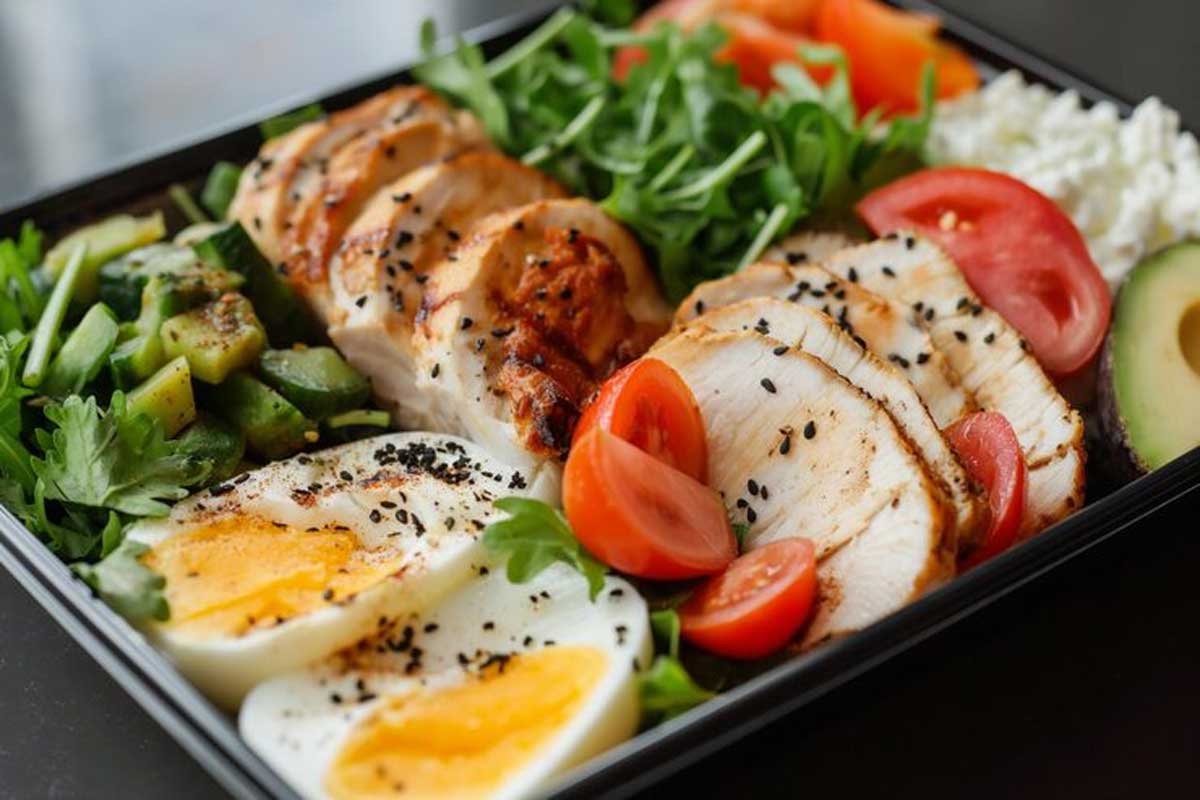
Eggs can be an excellent choice both before and after exercise, depending on your goals and the timing of your workout.
Before a Workout
Eating eggs 1-3 hours before exercise can provide high-quality protein to support your muscles. Pair them with a source of complex carbohydrates, such as oats or whole-grain toast, for sustained energy during your workout.
After a Workout
After exercise, eggs help provide the protein your body needs to repair and maintain muscle tissue. Pairing eggs with healthy carbohydrates and vegetables can make for a balanced post-workout meal.
To maximize your calorie burn, also read our guide on How Many Steps Per Day to Lose Weight.
Nutrition Facts of One Large Egg
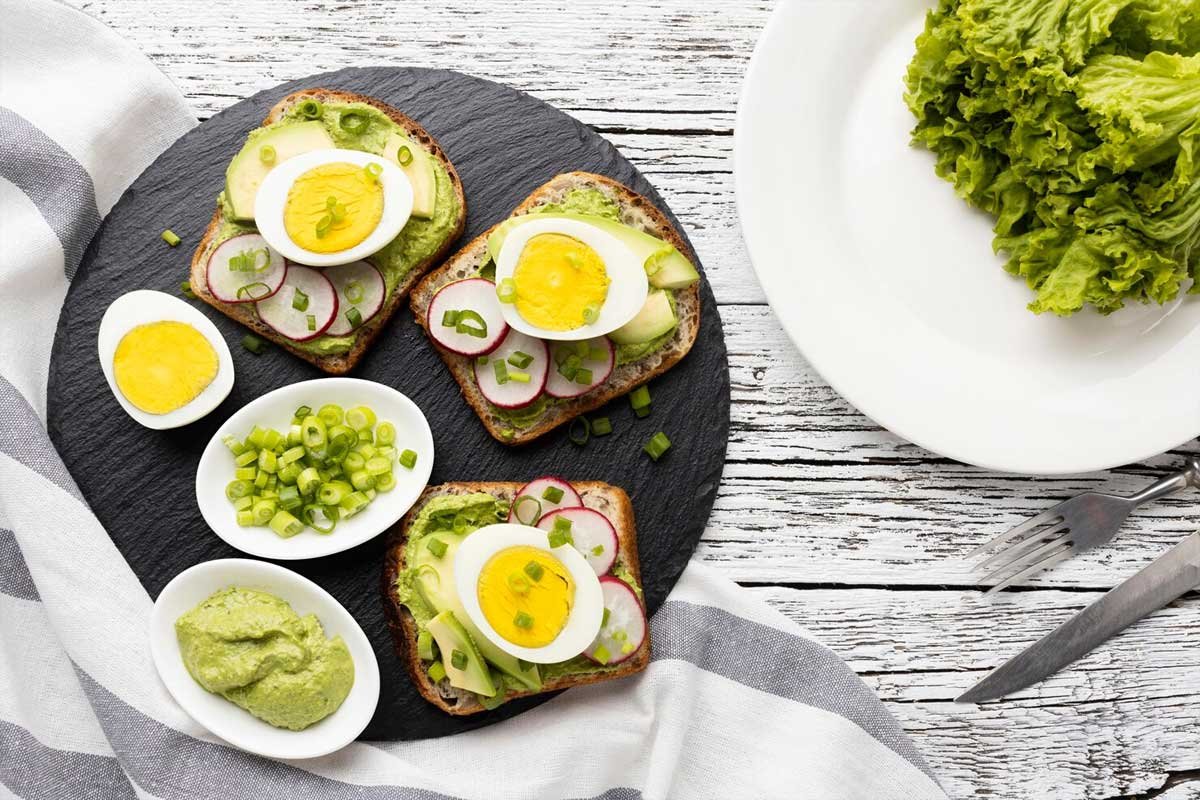
Eggs are one of the most nutrient-dense foods you can include in a healthy diet. A single large boiled egg provides high-quality protein along with essential vitamins and minerals while remaining relatively low in calories.
| Nutrient | Amount (1 Large Boiled Egg – 50g) |
|---|---|
| Calories | 72 kcal |
| Protein | 6.3 g |
| Total Fat | 5 g |
| Saturated Fat | 1.6 g |
| Carbohydrates | 0.6 g |
| Sugar | 0.2 g |
| Cholesterol | 186 mg |
| Vitamin D | 6% DV |
| Vitamin B12 | 23% DV |
| Selenium | 28% DV |
| Choline | 27% DV |
Daily Values (DV) are approximate and may vary slightly depending on egg size.
Health Benefits of Eggs for Weight Loss

Eggs offer far more than just protein. When included as part of a balanced diet, they can support healthy and sustainable weight management in several ways.
1. Keeps You Full for Longer
Protein is the most filling macronutrient. A protein-rich breakfast containing eggs may help reduce hunger and decrease the desire to snack between meals.
If you often feel hungry before lunch, replacing a low-protein breakfast with eggs may help improve appetite control.
2. Supports Muscle Maintenance
During weight loss, the goal should be to lose fat-not muscle.
Eggs provide complete protein containing all nine essential amino acids needed to maintain lean muscle mass, especially when combined with regular strength training.
3. Naturally Low in Carbohydrates
People following a calorie-controlled or low-carbohydrate eating pattern often include eggs because they provide plenty of nutrients without adding many carbohydrates.
This makes eggs an excellent choice for breakfast, lunch, or dinner.
4. Easy to Include in Healthy Meals
Unlike many processed breakfast foods, eggs require minimal preparation.
Healthy options include:
- Boiled eggs
- Poached eggs
- Vegetable omelet
- Scrambled eggs cooked with minimal oil
These meals can fit easily into a balanced weight loss plan.
5. Rich in Essential Nutrients
Eggs provide several nutrients that support overall health, including:
- Vitamin B12
- Vitamin D
- Choline
- Selenium
- Riboflavin
- Phosphorus
These nutrients play important roles in energy metabolism, brain function, immune health, and normal body function.
How Many Eggs Should You Eat Per Day for Weight Loss?

There is no universal number that works for everyone.
The right amount depends on your:
- Age
- Body weight
- Daily calorie needs
- Physical activity
- Total protein intake
- Existing medical conditions
For many healthy adults, 1-2 whole eggs per day can comfortably fit into a balanced weight loss diet. Some active individuals may consume more protein from eggs as part of their overall nutrition plan, while others may need fewer depending on their dietary pattern and medical advice.
Factors That Affect Egg Intakea
| Factor | Why It Matters |
|---|---|
| Age | Protein needs may increase with age. |
| Body Weight | Larger individuals generally require more protein. |
| Activity Level | Active people often need higher protein intake. |
| Overall Diet | If you already eat plenty of protein, fewer eggs may be sufficient. |
| Medical Conditions | People with certain health conditions should follow personalized medical advice. |
If you’re looking for more protein-rich foods, explore our High Protein Dry Fruits List to diversify your daily protein intake.
Best Ways to Eat Eggs for Weight Loss

The way you cook eggs can significantly affect the total calories in your meal.
Healthiest Options
- Boiled Eggs – Low in calories and require no added oil.
- Poached Eggs – A nutritious option with minimal added fat.
- Vegetable Omelet – Cook with minimal oil and include vegetables such as spinach, tomatoes, onions, mushrooms, or bell peppers.
- Scrambled Eggs (Minimal Oil) – Use a non-stick pan and avoid excessive butter or cream.
- Egg Salad – Mix boiled eggs with Greek yogurt instead of mayonnaise and add fresh vegetables for extra fiber.
Foods to Eat With Eggs

Pairing eggs with high-fiber and nutrient-rich foods creates a more balanced meal and may help you stay full longer.
Excellent choices include:
- Oats
- Whole-grain toast
- Spinach
- Tomatoes
- Cucumbers
- Avocado
- Broccoli
- Bell peppers
- Mixed salad
- Greek yogurt
- Fresh berries
These combinations provide protein, fiber, healthy fats, vitamins, and minerals that support overall health.
If you’re looking for more healthy breakfast ideas, read our Healthy High Protein Breakfast guide.
Foods to Avoid With Eggs During Weight Loss

Eggs themselves are not the problem. The extra calories often come from what you eat with them.
Try to limit:
- Deep-fried potatoes
- White bread with butter
- Sugary breakfast cereals
- Sweetened fruit juices
- Processed meats (sausages, bacon, salami)
- Excess mayonnaise
- Creamy sauces
- Fried snacks
Replacing these foods with vegetables or whole grains creates a much healthier meal.
Common Mistakes People Make
Many people eat eggs regularly but unknowingly make choices that reduce their weight loss progress.
Eating Too Much Butter or Oil
A boiled egg contains around 70 calories, but frying it in large amounts of butter or oil can substantially increase the calorie content.
Ignoring Total Daily Calories
Weight loss depends on maintaining a calorie deficit. Even healthy foods can contribute to weight gain if consumed in excessive amounts.
Eating Eggs Without Vegetables
Protein is important, but fiber also helps improve fullness and digestion. Adding vegetables creates a more balanced meal.
Depending Only on Eggs
Eggs support weight loss, but they cannot replace an overall healthy lifestyle.
For the best results, combine them with:
- Regular walking
- Strength training
- Good sleep
- Plenty of water
- Balanced meals
Skipping Physical Activity
Diet alone may not produce the best long-term results. Aim for regular movement such as walking, cycling, strength training, or other enjoyable forms of exercise.
Who Should Limit Egg Intake?
Eggs are safe and nutritious for most healthy people. However, some individuals should seek personalized medical advice before increasing their egg intake.
You should consult a healthcare professional if you:
- Have high cholesterol or are taking medication to manage cholesterol.
- Have a history of heart disease or cardiovascular conditions.
- Have an egg allergy.
- Have kidney disease and need to monitor your protein intake.
- Are following a medically prescribed diet.
- Are pregnant or breastfeeding and have specific dietary concerns.
A doctor or registered dietitian can help determine the right amount of eggs based on your health status and nutritional needs.
Frequently Asked Questions (FAQs)
Q1. What is the best time to eat eggs for weight loss?
For most people, the best time to eat eggs for weight loss is at breakfast. A protein-rich breakfast may help keep you full longer, reduce cravings, and make it easier to control your daily calorie intake. However, eggs can also be enjoyed at dinner as part of a balanced meal.
Q2. Is it better to eat eggs in the morning or at night?
Both options can support weight loss. Morning is generally the better choice because it may improve satiety throughout the day. Eating eggs at night can also be beneficial if it replaces a high-calorie dinner or late-night snack.
Q3. How many eggs should I eat daily for weight loss?
For many healthy adults, 1-2 whole eggs per day can fit into a balanced weight loss diet. The ideal amount depends on your age, activity level, overall diet, and health conditions.
Q4. Can I eat boiled eggs every day?
Yes. Most healthy adults can include boiled eggs in their daily diet as part of a balanced eating pattern. If you have high cholesterol or another medical condition, follow your doctor’s recommendations.
Q5. Can I eat eggs on an empty stomach?
Yes. Eating eggs on an empty stomach is safe for most people. Pairing them with fiber-rich foods like vegetables, oats, or whole-grain toast can create a more balanced and satisfying meal.
Q6. Are boiled eggs better than omelets for weight loss?
Both can be healthy choices. Boiled eggs are naturally lower in calories because they require no added fat, while a vegetable omelet cooked with minimal oil is also an excellent option.
Q7. Should I eat eggs before or after a workout?
Eggs work well both before and after exercise. Before a workout, pair eggs with healthy carbohydrates for sustained energy. After exercise, eggs provide high-quality protein to help repair and maintain muscle tissue.
Q8. Can eggs help reduce belly fat?
Eggs do not specifically burn belly fat. However, their high protein content may help improve fullness and support a calorie-controlled diet, which can contribute to overall body fat loss over time.
Q9. Which is healthier: egg white or whole egg?
Whole eggs provide complete protein along with important nutrients like choline, vitamin D, and vitamin B12. Unless your healthcare provider advises otherwise, whole eggs can be part of a healthy diet.
Q10. What is the healthiest way to eat eggs for weight loss?
Boiled eggs, poached eggs, scrambled eggs cooked with minimal oil, and vegetable omelets are among the healthiest ways to enjoy eggs while supporting your weight loss goals.
Conclusion
For most people, the best time to eat eggs for weight loss is at breakfast because a high-protein morning meal may help reduce hunger, improve satiety, and support better appetite control throughout the day. However, eating eggs at dinner can also be a healthy option if it fits within your daily calorie and protein goals.
The timing of eggs alone will not determine your weight loss success. Lasting results come from maintaining a calorie deficit, eating a balanced diet, staying physically active, getting enough sleep, and following healthy habits consistently.
When prepared using healthy cooking methods such as boiling, poaching, or making a vegetable omelet with minimal oil, eggs can be one of the most nutritious and satisfying foods to include in your weight loss journey.
Disclaimer
This article is intended for general informational and educational purposes only and should not be considered medical advice. Nutritional needs vary depending on age, sex, activity level, health conditions, and medications. If you have high cholesterol, heart disease, kidney disease, diabetes, an egg allergy, or any other medical condition, consult your doctor or a registered dietitian before making significant changes to your diet. Never ignore professional medical advice because of information you read online.

I am Danish, the creator of Health Update 24. I write about health, nutrition, fitness, and healthy lifestyle topics, sharing simple, practical, and well-researched information to help readers make informed decisions about their well-being. Know More