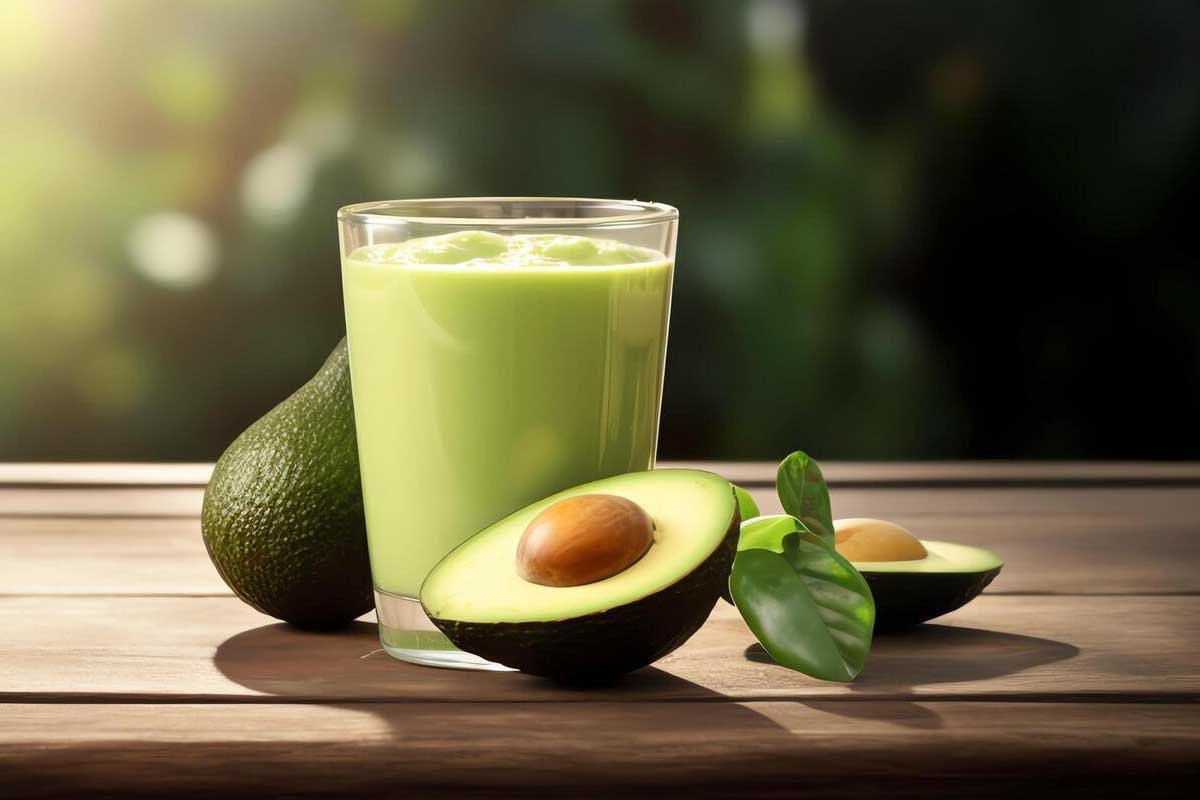
If you’re looking for a creamy drink that’s both satisfying and nutritious, an avocado milkshake deserves a place on your menu. This rich beverage combines ripe avocado with milk and other wholesome ingredients to create a smooth, filling shake packed with healthy fats, fiber, vitamins, and minerals.
Unlike many store-bought milkshakes loaded with added sugar, a homemade avocado milkshake can be customized to suit different health goals. Whether you want a post-workout drink, a filling breakfast, or a healthier dessert, this versatile beverage offers plenty of nutritional value while delivering a naturally creamy texture.
In this guide, you’ll learn everything you need to know about avocado milkshake benefits, nutrition, calories, the best avocado milkshake recipe, common mistakes to avoid, and practical tips for making it healthier.
Quick Answer Box
What is an avocado milkshake?
An avocado milkshake is a creamy beverage made by blending ripe avocado with milk or a dairy-free alternative. Depending on the recipe, it may also include natural sweeteners, yogurt, fruits, cocoa, vanilla, or nuts. It provides healthy fats, fiber, potassium, folate, and several important vitamins, making it a more nutritious option than many traditional milkshakes.
Table of Contents
What Is an Avocado Milkshake?
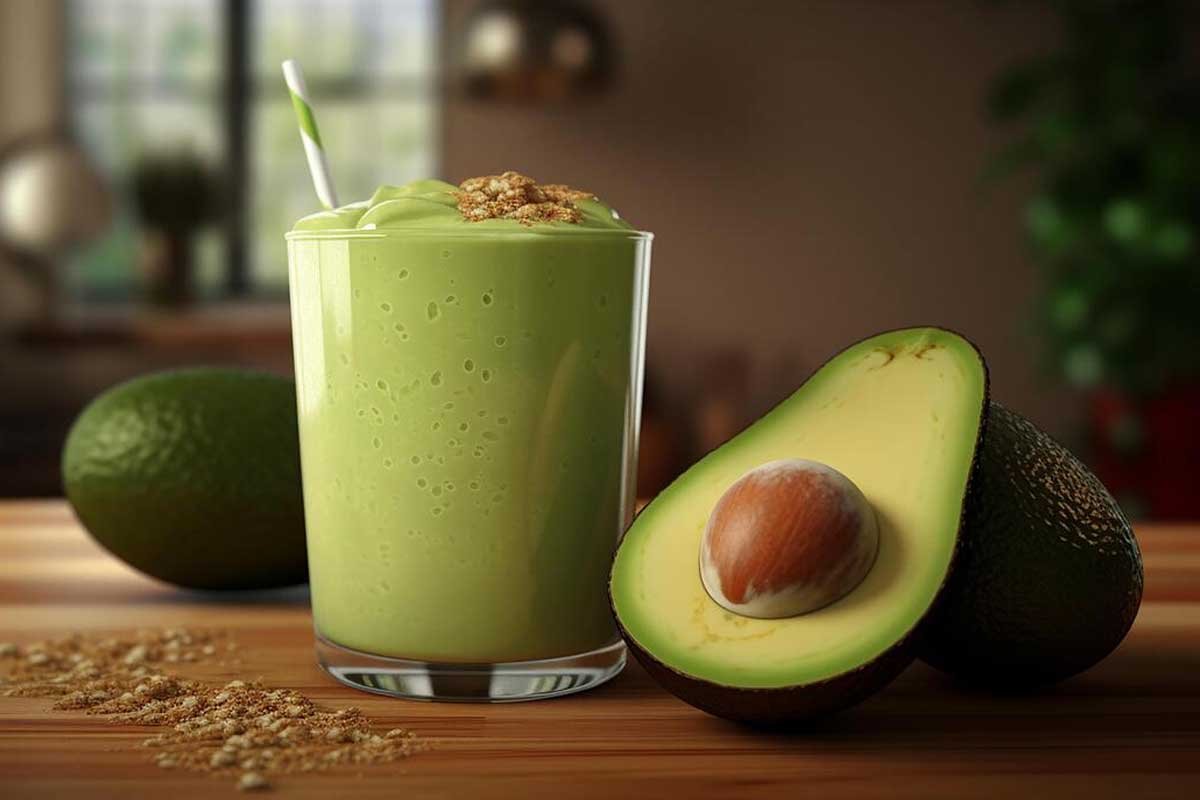
An avocado milkshake is a blended drink made primarily from ripe avocado and milk. It can be prepared with dairy milk or plant-based alternatives such as almond, oat, soy, or coconut milk.
Because avocados have a naturally buttery texture, they create an exceptionally smooth and creamy drink without needing ice cream. This makes the beverage suitable for people seeking a healthier alternative to traditional milkshakes.
Many recipes also include:
- Banana
- Honey or maple syrup
- Greek yogurt
- Cocoa powder
- Vanilla extract
- Chia seeds
- Flaxseeds
- Cinnamon
- Ice cubes
The ingredients can easily be adjusted depending on your nutritional needs and taste preferences.
Why Is Avocado Milkshake So Popular?
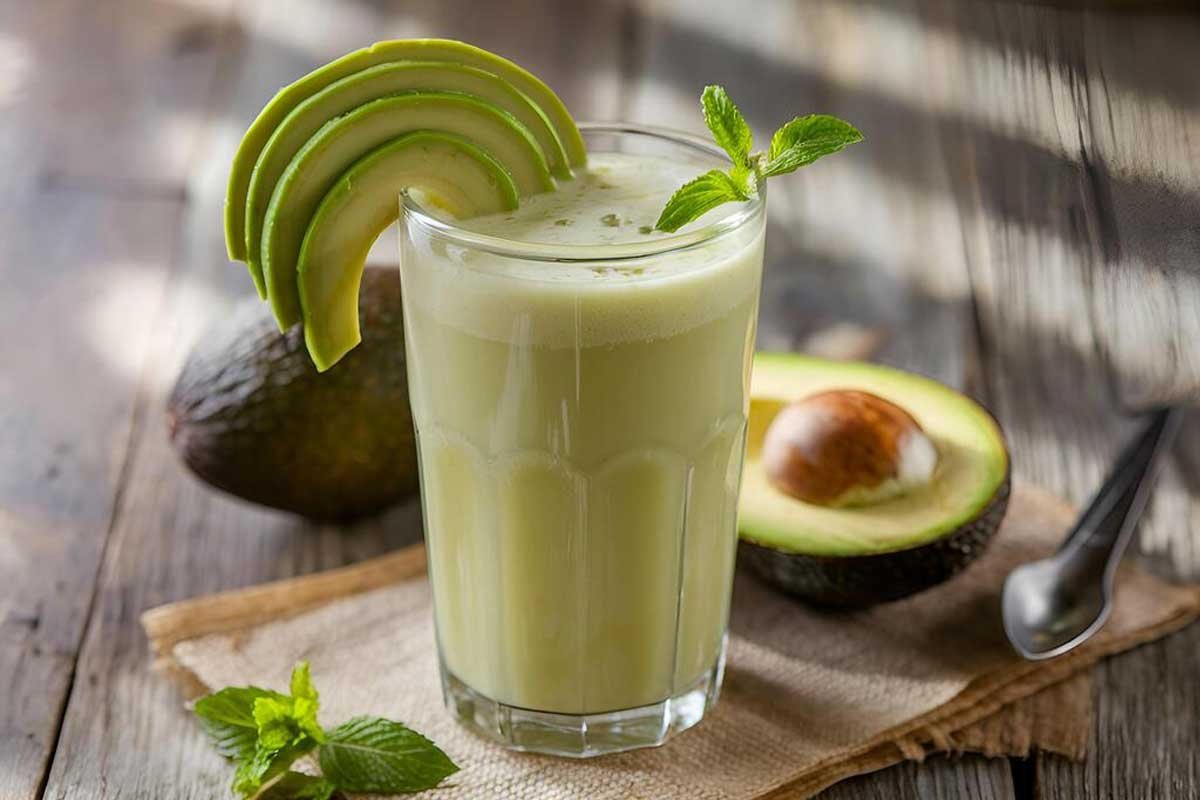
The popularity of avocado milkshakes has grown worldwide because they combine great taste with excellent nutrition.
Some reasons people enjoy them include:
- Naturally creamy texture
- Rich source of healthy monounsaturated fats
- High in dietary fiber
- Helps increase fullness
- Easy to customize
- Suitable for breakfast, snacks, or post-workout recovery
- Works well with both dairy and plant-based diets
Unlike many sugary beverages, homemade versions allow complete control over ingredients.
Also Read: Best Time to Eat Banana: Morning, Night or Before Workout?
Avocado Milkshake Nutrition Overview
Although nutrition varies depending on the ingredients used, avocado itself contributes a wide range of nutrients.
| Nutrient | Why It Matters |
|---|---|
| Healthy fats | Support heart and brain health |
| Fiber | Helps digestion and promotes fullness |
| Potassium | Supports normal muscle and nerve function |
| Folate | Important for healthy cell growth |
| Vitamin K | Supports bone health |
| Vitamin E | Acts as an antioxidant |
| Vitamin C | Supports immune function |
| Magnesium | Helps muscle and nerve function |
| Vitamin B6 | Supports energy metabolism |
Adding milk or yogurt also increases the protein and calcium content.
Avocado Milkshake Calories
The exact avocado milkshake calories depend on the recipe.
| Serving Type | Estimated Calories |
|---|---|
| Basic avocado + low-fat milk | 220-280 kcal |
| With whole milk | 280-350 kcal |
| With banana | 320-420 kcal |
| With honey | Add 20-60 kcal |
| With ice cream | 450-650 kcal |
Choosing unsweetened milk and limiting added sweeteners helps reduce calories while maintaining excellent nutrition.
Is Avocado Milkshake Healthy?
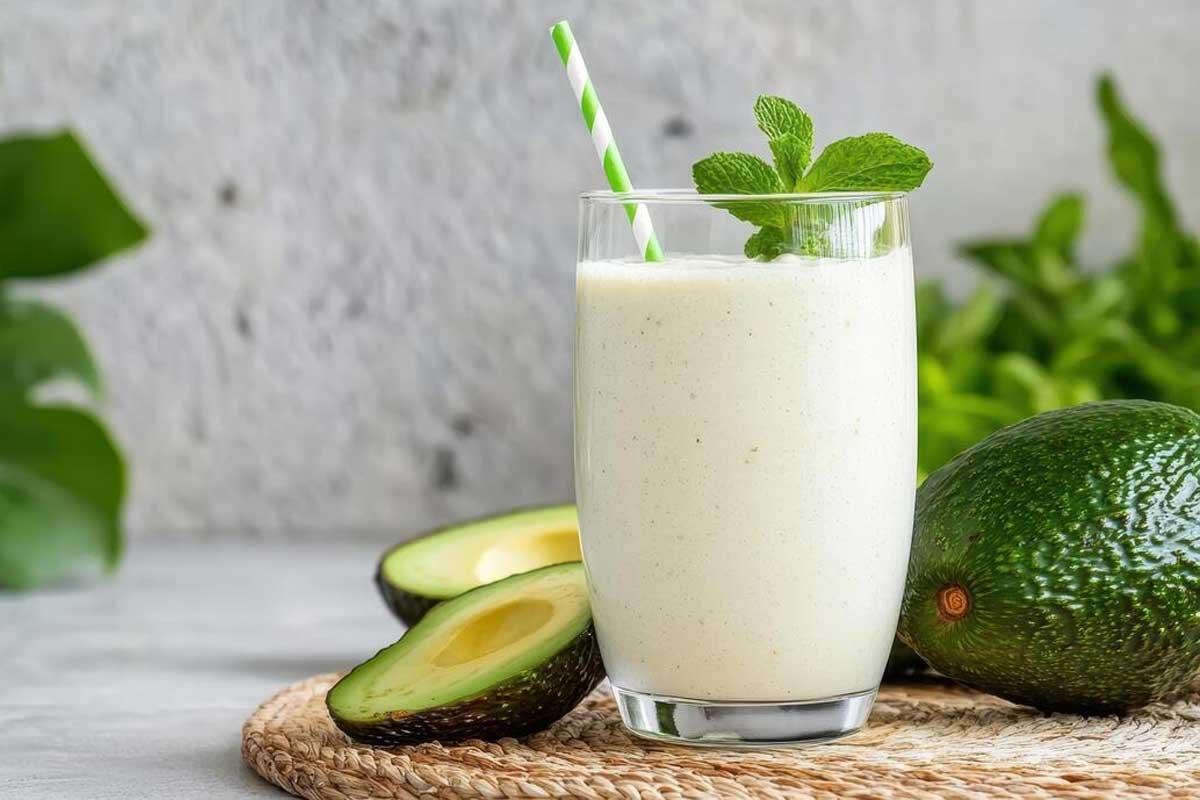
Yes, an avocado milkshake can be very healthy when prepared with nutritious ingredients.
It offers a balanced combination of:
- Healthy fats
- Dietary fiber
- Moderate protein
- Vitamins
- Minerals
It can also help people who need a filling breakfast or snack because healthy fats and fiber digest more slowly than refined carbohydrates.
However, portion size still matters. Avocados are nutrient-dense but also naturally higher in calories than many fruits.
Easy Avocado Milkshake Recipe
One of the simplest ways to enjoy this drink is by making it fresh at home.
Ingredients
- 1 ripe avocado
- 1 cup milk (or plant-based milk)
- ½ banana (optional)
- 1 teaspoon honey or maple syrup (optional)
- ½ teaspoon vanilla extract
- Ice cubes
Instructions
- Cut the avocado and remove the pit.
- Scoop the flesh into a blender.
- Add milk, banana, vanilla, and honey.
- Blend until completely smooth.
- Add ice cubes and blend again.
- Serve immediately for the freshest flavor.
This avocado milkshake recipe can easily be adjusted by adding cocoa powder, berries, spinach, or Greek yogurt for additional nutrition.
Ingredients That Can Make Your Avocado Milkshake Even Healthier
You can improve both nutrition and flavor with carefully chosen additions.
| Ingredient | Benefit |
|---|---|
| Greek yogurt | More protein |
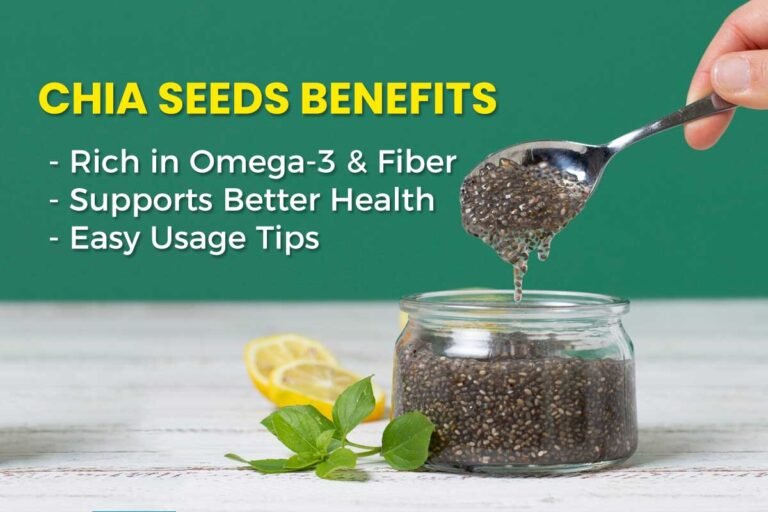
| Chia seeds | Omega-3 fats and fiber |
| Flaxseed | Healthy fats |
| Spinach | Extra vitamins |
| Mixed berries | Antioxidants |
| Unsweetened cocoa | Rich chocolate flavor |
| Cinnamon | Adds flavor without sugar |
| Oats | More fiber and lasting fullness |
These ingredients help create a balanced shake suitable for breakfast or as a satisfying snack.
Why Healthy Fats Make This Drink So Filling
One reason people enjoy avocado milkshakes is their impressive satiety. Avocados contain monounsaturated fats that slow digestion compared with highly processed carbohydrates.
When combined with protein-rich ingredients such as milk or Greek yogurt, the drink becomes even more satisfying. Adding fiber-rich ingredients like oats or chia seeds further increases fullness, making it easier to stay satisfied between meals.
The combination of healthy fats, fiber, and protein makes an avocado milkshake a balanced option for many healthy eating patterns.
Avocado Milkshake Benefits
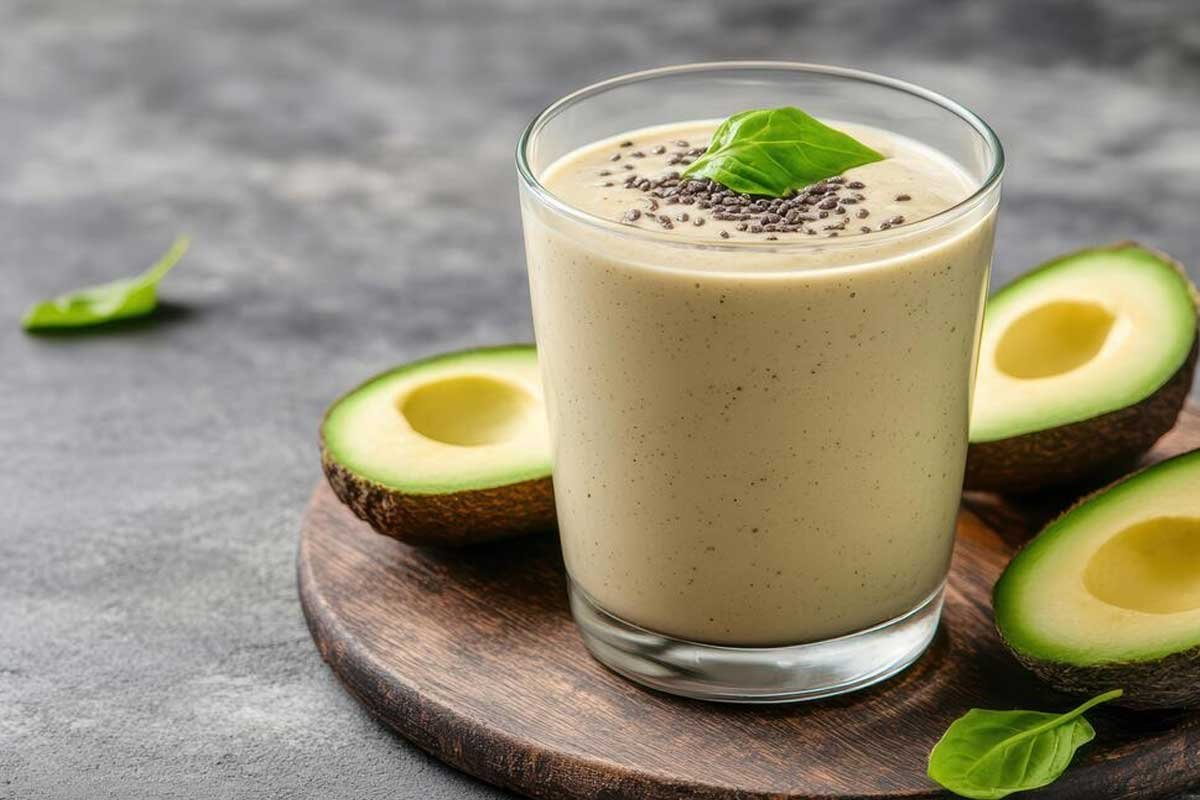
The avocado milkshake benefits come from its combination of healthy fats, fiber, vitamins, minerals, and, depending on the recipe, protein. When enjoyed as part of a balanced diet, it can be a nutritious addition to your daily routine.
May Support Heart Health
Avocados are naturally rich in monounsaturated fats, which are considered heart-friendly fats. Replacing foods high in saturated fat with foods containing healthier fats may support overall cardiovascular wellness.
Using unsweetened milk and avoiding excessive sugar keeps the drink even more heart-conscious.
Helps You Feel Full Longer
The combination of healthy fats and dietary fiber slows digestion, helping you stay satisfied for a longer period. This can reduce unnecessary snacking between meals.
For an even more filling shake, add Greek yogurt or oats for extra protein and fiber.
Supports Digestive Health
Fiber plays an important role in maintaining a healthy digestive system. Avocados provide both soluble and insoluble fiber, which supports regular bowel movements and helps nourish beneficial gut bacteria.
Provides Long-Lasting Energy
Unlike sugary beverages that may lead to quick energy spikes and crashes, an avocado milkshake provides a steadier source of energy due to its balanced mix of fats, carbohydrates, and protein.
Rich in Vitamins and Minerals
A homemade avocado milkshake contains several nutrients that support everyday health, including:
- Potassium
- Vitamin K
- Vitamin E
- Vitamin C
- Folate
- Magnesium
- Vitamin B6
These nutrients contribute to normal body functions, including muscle function, immune support, and energy metabolism.
May Support Healthy Weight Management
Although avocados are relatively calorie-dense, they can still fit into a healthy eating plan. Their healthy fats and fiber may help increase fullness, making portion control easier when consumed in moderation.
The healthiest approach is to keep portions reasonable and avoid excessive added sugar.
Can Be a Nutritious Breakfast
An avocado milkshake makes an excellent breakfast when paired with ingredients that increase protein, such as:
- Greek yogurt
- Milk
- Protein powder (if appropriate)
- Chia seeds
This creates a balanced meal that provides sustained energy throughout the morning.
Also Read: Health Benefits of Avocado Toast: Complete Guide
Nutrition Information
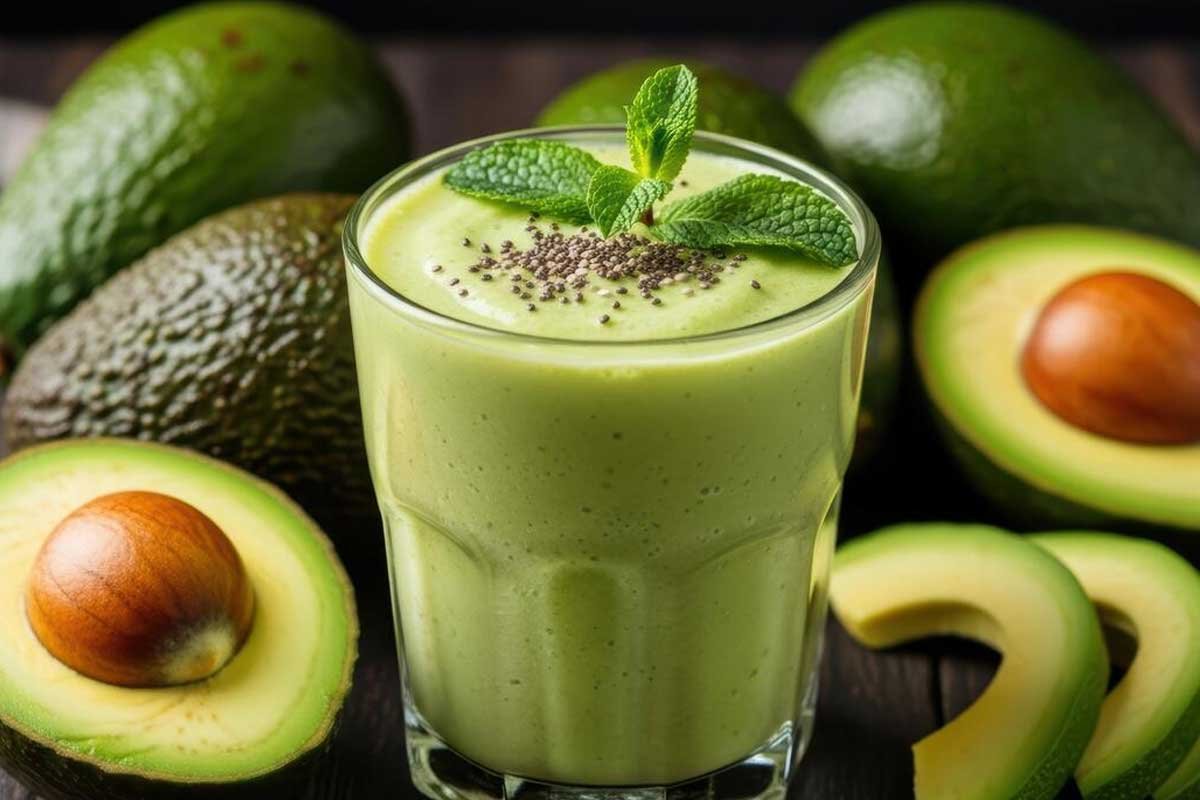
The nutrition below is an estimate for one serving made with one-half medium avocado, one cup low-fat milk, and no added sugar.
| Nutrient | Approximate Amount |
|---|---|
| Calories | 240-270 kcal |
| Protein | 9-11 g |
| Total Fat | 15-18 g |
| Healthy Monounsaturated Fat | 10-12 g |
| Carbohydrates | 15-18 g |
| Fiber | 6-8 g |
| Natural Sugars | 10-12 g |
| Potassium | 550-700 mg |
| Calcium | 280-320 mg |
Values will vary depending on the recipe and serving size.
Best Time to Drink an Avocado Milkshake
There isn’t one perfect time for everyone, but these are some of the most practical options.
Breakfast
A nutritious breakfast option that combines healthy fats, protein, and fiber for sustained energy.
After a Workout
Adding protein-rich ingredients such as milk or Greek yogurt makes it a satisfying post-workout recovery drink.
Healthy Afternoon Snack
Instead of reaching for sugary snacks, an avocado milkshake can provide lasting fullness and help maintain energy levels.
As a Light Dessert
Prepare it with minimal added sugar for a naturally creamy dessert that feels indulgent without relying on ice cream.
Best Ways to Use Avocado Milkshake
Depending on your goals, you can prepare the shake in different ways.
| Goal | Best Ingredients |
|---|---|
| Weight management | Unsweetened milk, avocado, cinnamon, chia seeds |
| Muscle recovery | Greek yogurt, milk, avocado |
| Breakfast | Oats, avocado, milk, berries |
| Higher protein | Protein powder, milk, avocado |
| Dairy-free | Almond, soy, or oat milk |
Healthy Variations to Try
High-Protein Avocado Milkshake
Blend avocado with:
- Greek yogurt
- Milk
- Vanilla
- Chia seeds
This version contains more protein while remaining creamy.
Chocolate Avocado Milkshake
Add:
- Unsweetened cocoa powder
- Vanilla
- A small amount of honey if desired
It offers a rich chocolate flavor without needing ice cream.
Berry Avocado Smoothie
Blend avocado with:
- Blueberries
- Strawberries
- Unsweetened yogurt
- Milk
Berries add natural sweetness and antioxidants.
Green Breakfast Shake
Combine avocado with:
- Spinach
- Banana
- Milk
- Chia seeds
This variation increases vitamin and mineral content while maintaining a smooth texture.
Possible Risks or Side Effects
Although avocado milkshakes are healthy for most people, there are a few considerations.
High in Calories
Avocados contain healthy fats, but they are also relatively high in calories. Drinking large portions regularly may contribute to excess calorie intake.
Moderation is important.
Added Sugar Can Reduce Health Benefits
Many recipes include:
- Sugar
- Sweetened condensed milk
- Ice cream
- Flavored syrups
These ingredients can significantly increase calories and added sugar.
Whenever possible, use fruit for sweetness or add only a small amount of natural sweetener.
Digestive Discomfort
People who are not used to eating high-fiber foods may notice temporary bloating or digestive discomfort if they consume a large serving.
Starting with smaller portions can help.
Food Allergies or Intolerances
Some people may need to avoid dairy-based milkshakes because of lactose intolerance or a milk allergy.
Fortunately, plant-based milks offer suitable alternatives.
Also Read: Health Benefits of Oats with Milk: Why It Is Good for You
Who Should Avoid or Limit It?
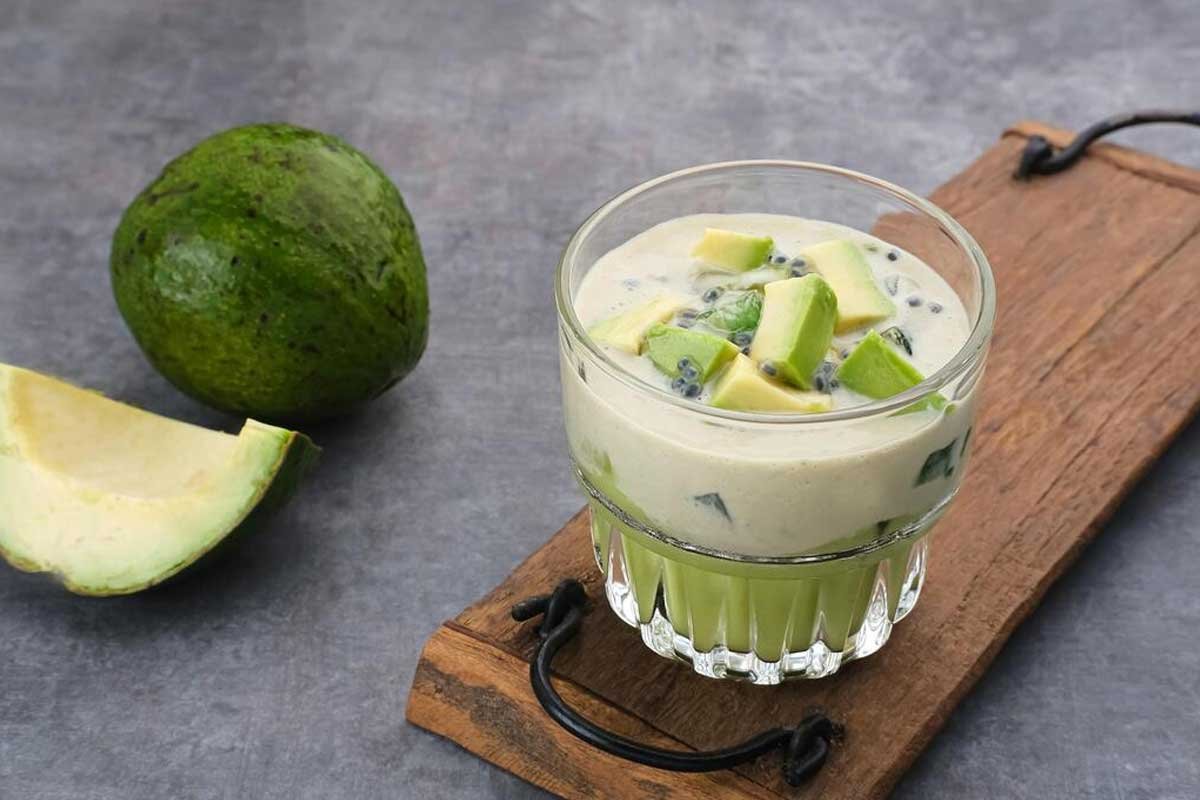
An avocado milkshake may not be suitable for everyone.
You may need to limit or modify it if you:
- Are following a calorie-restricted eating plan
- Need to monitor potassium intake based on medical advice
- Have an avocado allergy
- Have a dairy allergy or lactose intolerance (unless using dairy-free milk)
- Need to limit added sugars
If you have a medical condition requiring dietary restrictions, choose ingredients that match your individual nutritional needs.
Common Mistakes to Avoid
Many people accidentally reduce the nutritional value of an avocado milkshake by making simple mistakes.
Using Too Much Sugar
The natural creaminess of avocado doesn’t require large amounts of added sugar. Start with little or none and adjust only if needed.
Making Oversized Portions
A large avocado, whole milk, sweeteners, and nut butter can quickly turn the shake into a very high-calorie drink.
Measure ingredients instead of estimating.
Choosing an Overripe Avocado
An avocado that is overly ripe may produce a bitter taste and unpleasant texture. Use fruit that is soft but not mushy or discolored.
Skipping Protein
Without enough protein, the shake may not keep you full for long. Adding Greek yogurt or milk helps create a more balanced meal.
Drinking It Too Slowly
Fresh avocado oxidizes after blending, which can affect both flavor and appearance. It’s best enjoyed immediately after preparation.
Frequently Asked Questions (FAQs)
Q1. Is an avocado milkshake healthy?
Yes, a homemade avocado milkshake can be a healthy choice when prepared with wholesome ingredients like ripe avocado, milk or a plant-based alternative, and little or no added sugar. It provides healthy fats, fiber, vitamins, and minerals that support overall nutrition.
Q2. How many calories are in an avocado milkshake?
The avocado milkshake calories vary depending on the ingredients. A basic homemade serving typically contains 220-350 calories, while versions made with ice cream, sweetened condensed milk, or extra sugar can contain significantly more.
Q3. Can I drink an avocado milkshake every day?
Yes, most healthy adults can enjoy an avocado milkshake daily as part of a balanced diet. Keep portion sizes moderate and avoid adding excessive sugar or high-calorie ingredients.
Q4. Is an avocado milkshake good for weight loss?
It can fit into a weight management plan because it contains fiber and healthy fats that promote fullness. However, since avocados are calorie-dense, portion control remains important. Preparing the shake with unsweetened milk and no added sugar is a healthier option.
Q5. What is the best milk for an avocado milkshake?
The best choice depends on your dietary preferences. Low-fat dairy milk provides protein and calcium, while unsweetened almond, soy, or oat milk are excellent dairy-free alternatives.
Q6. Can I make an avocado milkshake without banana?
Absolutely. Banana is optional and mainly adds sweetness and thickness. You can replace it with berries, dates, mango, or simply use avocado with milk and vanilla.
Q7. How long does an avocado milkshake stay fresh?
For the best flavor and texture, drink it immediately after blending. If necessary, store it in an airtight container in the refrigerator and consume it within 24 hours. Some natural browning may occur due to oxidation.
Q8. Can children drink avocado milkshakes?
Yes, a homemade avocado milkshake can be a nutritious option for children when prepared with age-appropriate ingredients and limited added sugar. It provides healthy fats and important nutrients that support normal growth and development.
Q9. Can I add protein powder to an avocado milkshake?
Yes. Adding an unflavored or vanilla protein powder is an easy way to increase the protein content, making the shake more suitable as a post-workout drink or a filling breakfast.
Conclusion
An avocado milkshake is much more than a creamy beverage, it’s a versatile drink that can be tailored to different lifestyles and nutrition goals. Rich in healthy fats, fiber, vitamins, and minerals, it offers a satisfying alternative to many traditional milkshakes that are high in added sugar.
Whether you’re preparing a quick breakfast, a post-workout snack, or a healthier dessert, using wholesome ingredients makes all the difference. By choosing ripe avocados, limiting added sugars, and including nutrient-rich additions like Greek yogurt, berries, or chia seeds, you can enjoy the many avocado milkshake benefits while keeping calories in balance.
Enjoy it in moderation, experiment with healthy variations, and make it part of an overall balanced eating pattern.
Medical Disclaimer
This article is intended for informational and educational purposes only and should not be considered medical advice. Nutritional needs vary from person to person. If you have a medical condition, food allergy, kidney disease, diabetes, or any other health concern requiring dietary restrictions, consult a qualified healthcare professional or registered dietitian before making significant changes to your diet.

I am Danish, the creator of Health Update 24. I write about health, nutrition, fitness, and healthy lifestyle topics, sharing simple, practical, and well-researched information to help readers make informed decisions about their well-being. Know More