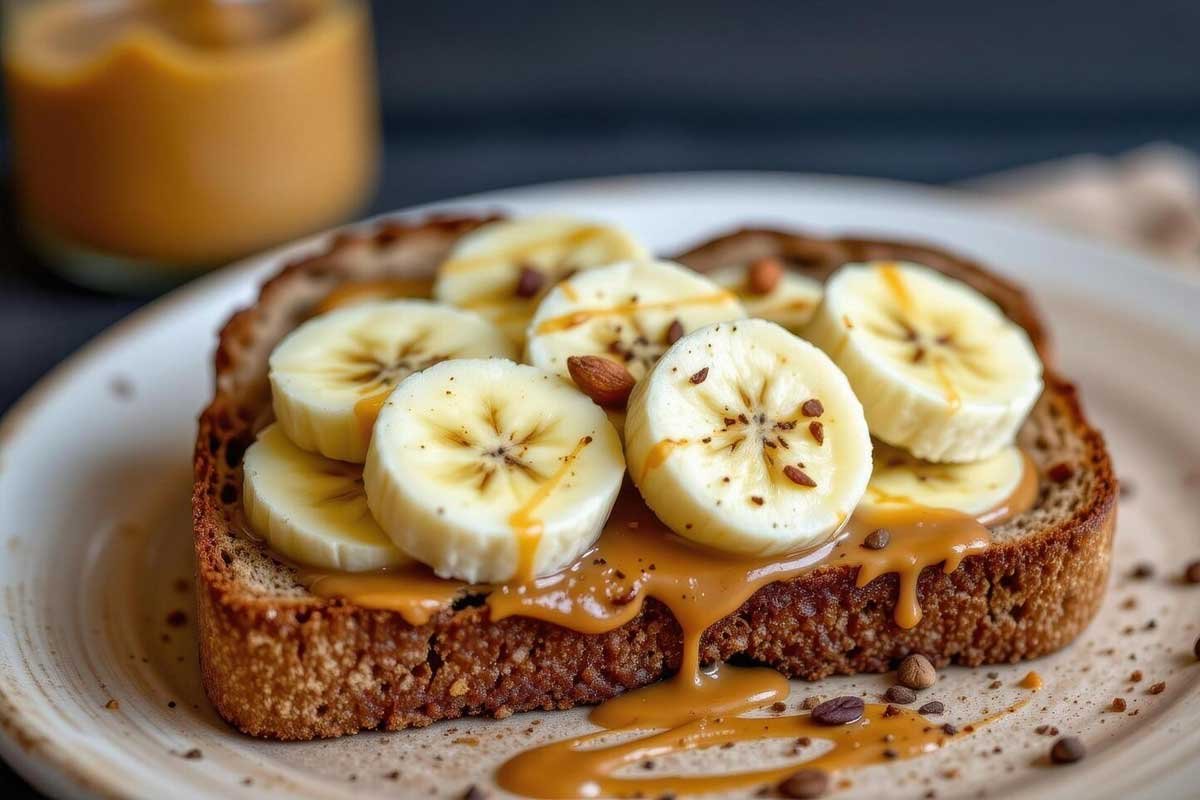
Bananas are one of the most popular fruits in the world because they are affordable, portable, naturally sweet, and packed with important nutrients. However, many people wonder whether there is a best time to eat banana to get the maximum health benefits. Some prefer eating one in the morning, while others choose it as a pre-workout snack or even before bedtime.
The truth is that bananas can fit into a healthy diet at different times of the day. The best time to eat banana depends on your personal goals, whether you want more energy, better digestion, support for weight loss, healthy weight gain, or improved workout performance.
In this complete guide, you’ll learn the best time to eat banana in a day, whether it’s better to eat a banana morning or night, and how to include this nutritious fruit in your daily routine for the greatest benefits.
Table of Contents
Why Does the Timing of Eating a Banana Matter?
Many people assume that bananas are healthy no matter when they are eaten. While that’s generally true, when you eat a banana can influence how your body uses its natural sugars and nutrients.
Bananas provide natural carbohydrates, fiber, potassium, vitamin B6, and several other nutrients that support energy production and normal body functions. Eating them at the right time may help improve satiety, fuel physical activity, or support recovery after exercise.
Your daily schedule, eating habits, and activity level also play an important role. Someone who exercises in the morning may benefit from eating a banana before a workout, while another person trying to gain weight might find it more useful as part of a calorie-rich afternoon snack.
Rather than looking for one universal answer, it’s more helpful to understand how banana timing can match your individual health goals.
Nutritional Value of Bananas
Bananas are naturally rich in several nutrients that support overall wellness.
| Nutrient | Approximate Amount (Medium Banana) |
|---|---|
| Calories | 105 |
| Carbohydrates | 27 g |
| Natural Sugars | 14 g |
| Dietary Fiber | 3 g |
| Protein | 1.3 g |
| Fat | 0.3 g |
| Potassium | 422 mg |
| Vitamin B6 | 0.4 mg |
| Vitamin C | 10 mg |
| Magnesium | 32 mg |
These nutrients make bananas an excellent choice for supporting energy production, muscle function, heart health, and digestive health.
Also Read: How Many Bananas Can I Eat in a Day, Find Out What Experts Say
Best Time to Eat Banana in a Day
If your goal is overall health, the best time to eat banana in a day is usually during the morning or as part of a balanced breakfast.
Eating a banana in the morning helps provide your body with easily digestible carbohydrates that can support energy after an overnight fast. Pairing it with foods rich in protein, such as Greek yogurt, eggs, cottage cheese, or nut butter, creates a more balanced meal that may keep you satisfied for longer.
For people with active lifestyles, a banana also works well as a convenient mid-morning snack. It can help maintain energy levels between meals without relying on highly processed snacks.
If you spend long hours at work or school, carrying a banana is an easy way to add fruit to your diet without requiring refrigeration or preparation.
Morning Benefits of Eating a Banana
Eating a banana in the morning may offer several advantages:
- Provides quick natural energy
- Supports healthy digestion because of its fiber content
- Helps replenish energy after overnight fasting
- Easy to combine with breakfast foods
- May reduce cravings for sugary snacks later in the morning
- Convenient for busy schedules
However, eating only a banana for breakfast may not keep everyone full for very long. Combining it with protein and healthy fats creates a more satisfying and nutritious meal.
Is It Better to Eat Banana on an Empty Stomach?
Many people begin their day with a banana because it is convenient and filling. While this works well for some individuals, others may notice that they feel hungry again within a short time because bananas are relatively low in protein and fat.
If you enjoy eating bananas on an empty stomach, consider pairing one with foods such as:
- Greek yogurt
- Peanut butter
- Almond butter
- Mixed nuts
- Boiled eggs
- Oatmeal
This combination helps slow digestion, supports steadier energy levels, and keeps you feeling full for longer.
For most healthy adults, eating a banana on an empty stomach is perfectly fine as part of an overall balanced diet.
Best Time to Eat Banana Before Exercise
One of the best time to eat banana options is about 30 to 60 minutes before a workout.
Bananas contain natural carbohydrates that are quickly converted into energy, making them a favorite snack among runners, cyclists, gym-goers, and recreational athletes. They are also rich in potassium, which supports normal muscle function during physical activity.
Eating a banana before exercise may help:
- Boost workout energy
- Support endurance during longer workouts
- Reduce the need for sugary sports snacks
- Provide easy-to-digest carbohydrates
- Help maintain performance during moderate exercise
For longer or more intense workouts, pairing a banana with a small serving of yogurt or nut butter can provide more sustained energy.
Best Time to Eat Banana After Exercise
After exercise, your muscles need nutrients to recover. A banana can be an excellent post-workout snack, especially when eaten together with a source of protein.
This combination supports recovery by providing carbohydrates that help replenish energy stores while protein contributes to muscle repair after resistance training or endurance exercise.
Good post-workout combinations include:
- Banana with Greek yogurt
- Banana smoothie with milk
- Banana and protein shake
- Banana with cottage cheese
- Banana with peanut butter
Eating within about one hour after exercise is a practical option for many active individuals.
Best Time to Eat Banana for Weight Loss
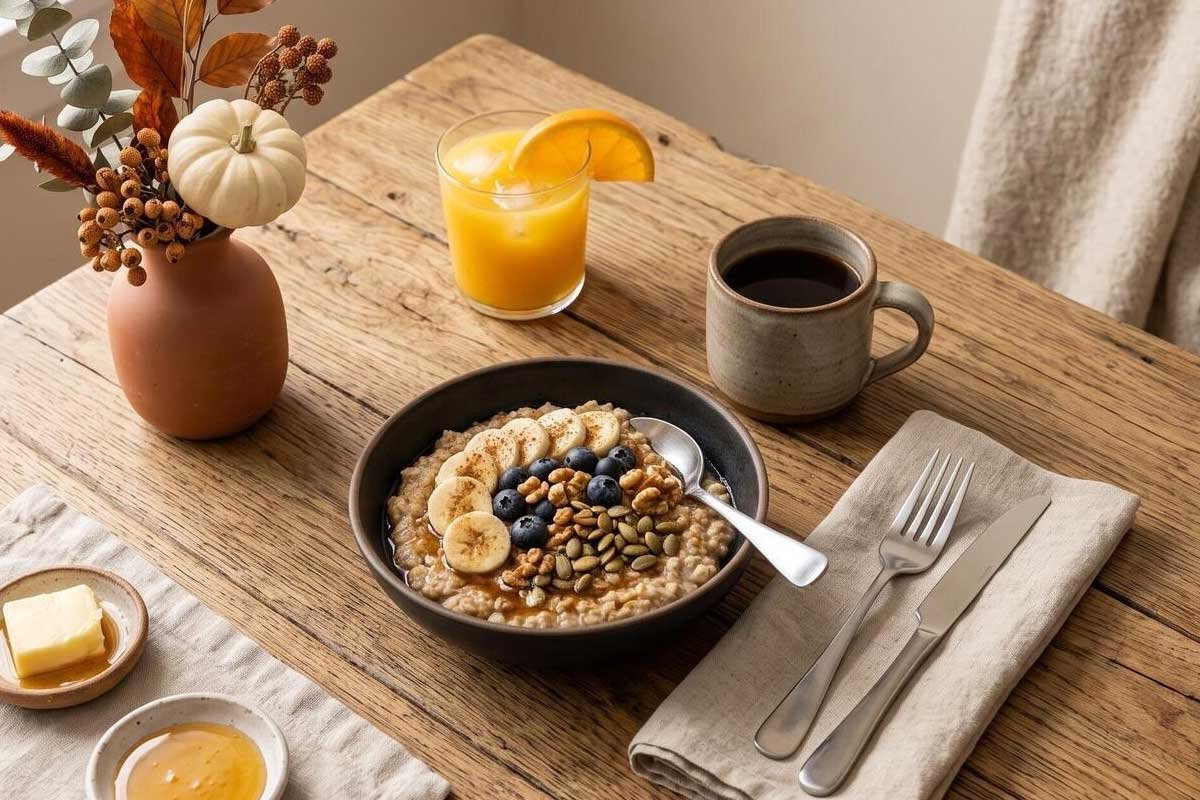
If your goal is to lose weight, the best time to eat banana for weight loss is usually in the morning, between meals as a healthy snack, or 30-60 minutes before exercise.
Many people mistakenly avoid bananas because they contain natural sugars. However, bananas are also a good source of dietary fiber, which can help you feel full for longer and reduce unnecessary snacking. When eaten in appropriate portions as part of a balanced diet, bananas can support healthy weight management.
The key is what you eat with a banana. Pairing it with protein or healthy fats slows digestion and provides longer-lasting energy.
Best Ways to Eat Banana for Weight Loss
- Banana with Greek yogurt
- Banana and a handful of almonds
- Banana with natural peanut butter
- Banana slices on oatmeal
- Banana in a high-protein smoothie
Avoid pairing bananas with foods high in added sugar, such as sweet pastries, sugary cereals, or desserts, as this may increase overall calorie intake.
Weight Loss Tips
| Do | Avoid |
|---|---|
| Eat with protein | Eating multiple bananas at once |
| Choose a balanced breakfast | Replacing every meal with bananas |
| Control portion sizes | Drinking sugary banana milkshakes |
| Use as a healthy snack | Pairing with high-calorie desserts |
Best Time to Eat Banana for Weight Gain
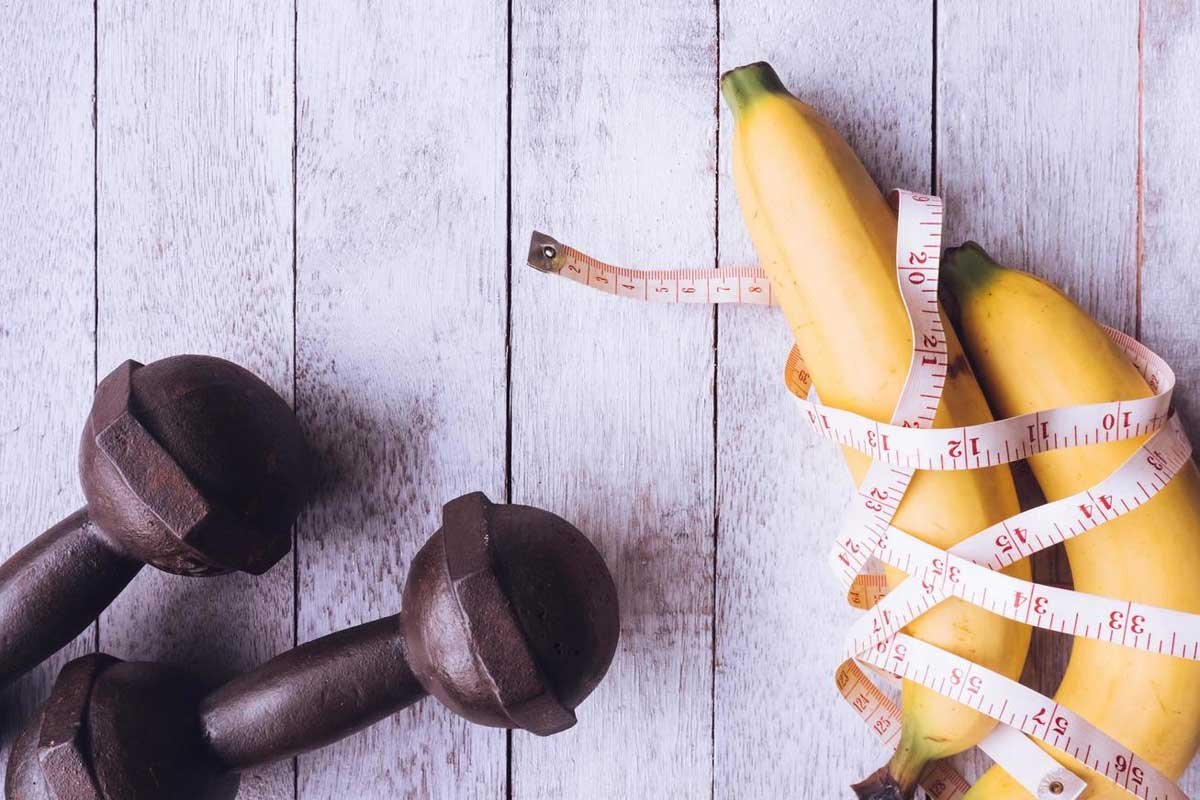
For individuals trying to increase body weight in a healthy way, the best time to eat banana for weight gain is between meals, after workouts, or as part of a calorie-rich snack.
Bananas provide natural carbohydrates that contribute extra calories and energy. When combined with protein-rich and healthy-fat foods, they can help increase your daily calorie intake without relying on highly processed snacks.
Healthy Banana Combinations for Weight Gain
- Banana with peanut butter
- Banana smoothie with whole milk
- Banana with oats
- Banana with nuts and seeds
- Banana and cottage cheese
- Banana with yogurt and granola
These combinations provide a balance of carbohydrates, protein, and healthy fats, making them suitable for people looking to build muscle or gain weight gradually.
Also Read: Best Time to Eat Eggs for Weight Loss
Best Time to Eat Banana: Morning or Night?
A common question is whether the best time to eat banana morning or night.
The answer depends on your daily routine and personal preferences.
Morning
Eating a banana in the morning may help:
- Boost energy after waking
- Support a balanced breakfast
- Provide quick carbohydrates
- Reduce cravings later in the day
- Fuel morning workouts
Night
Eating a banana at night is also suitable for many healthy adults.
Some people enjoy a banana as an evening snack because it is easy to digest and helps satisfy late-night hunger. Pairing it with foods such as Greek yogurt or nuts can create a more filling snack.
There is no strong evidence that eating bananas at night automatically leads to weight gain. Overall calorie intake and lifestyle are far more important than the time of day you eat a banana.
Benefits of Eating Bananas
Bananas are packed with nutrients that support overall health when included as part of a balanced eating pattern.
1. Provides Natural Energy
The carbohydrates in bananas provide a quick and convenient source of energy, making them ideal before physical activity or during busy days.
2. Supports Digestive Health
Bananas contain dietary fiber, which helps promote regular bowel movements and supports healthy digestion.
3. Supports Heart Health
Bananas are naturally rich in potassium, an important mineral involved in maintaining normal blood pressure and healthy heart function.
4. Helps Muscle Function
Potassium plays a role in normal muscle contraction, making bananas a popular snack among active individuals.
5. Supports Healthy Snacking
Bananas are portable, affordable, and naturally sweet, making them a healthier alternative to many processed snack foods.
6. May Help You Feel Fuller
Because bananas contain fiber, they can increase fullness when paired with protein-rich foods.
7. Convenient for Active Lifestyles
No preparation is required, making bananas one of the easiest fruits to include in everyday meals.
Possible Risks and Side Effects
Although bananas are healthy for most people, excessive intake may not be suitable for everyone.
Possible concerns include:
- Eating too many bananas may increase calorie intake.
- Large portions may contribute to digestive discomfort in some individuals.
- Very ripe bananas contain more natural sugars than greener bananas.
- Some people may experience bloating if they suddenly increase their fiber intake.
Most healthy adults can safely enjoy bananas in moderation as part of a varied diet.
Who Should Avoid or Limit Bananas?
Certain individuals may need to moderate banana intake after discussing their diet with a healthcare professional.
These may include:
- People advised to follow a low-potassium diet
- Individuals with certain kidney conditions
- Those with a banana allergy
- Anyone following a medically prescribed eating plan
For most healthy people, bananas are considered a nutritious everyday fruit.
Also Read: Healthy High Protein Breakfast: 10 Healthy Breakfast Ideas
Best Ways to Eat Bananas
The best time to eat banana is only one part of the equation. How you eat it also matters.
Healthy serving ideas include:
- Fresh banana with oatmeal
- Banana and Greek yogurt
- Banana slices on whole-grain toast
- Banana smoothie with milk
- Banana with mixed nuts
- Frozen banana blended into smoothies
- Banana with cottage cheese
- Banana and chia pudding
These combinations improve meal balance by adding protein, healthy fats, or fiber.
Nutrition Information
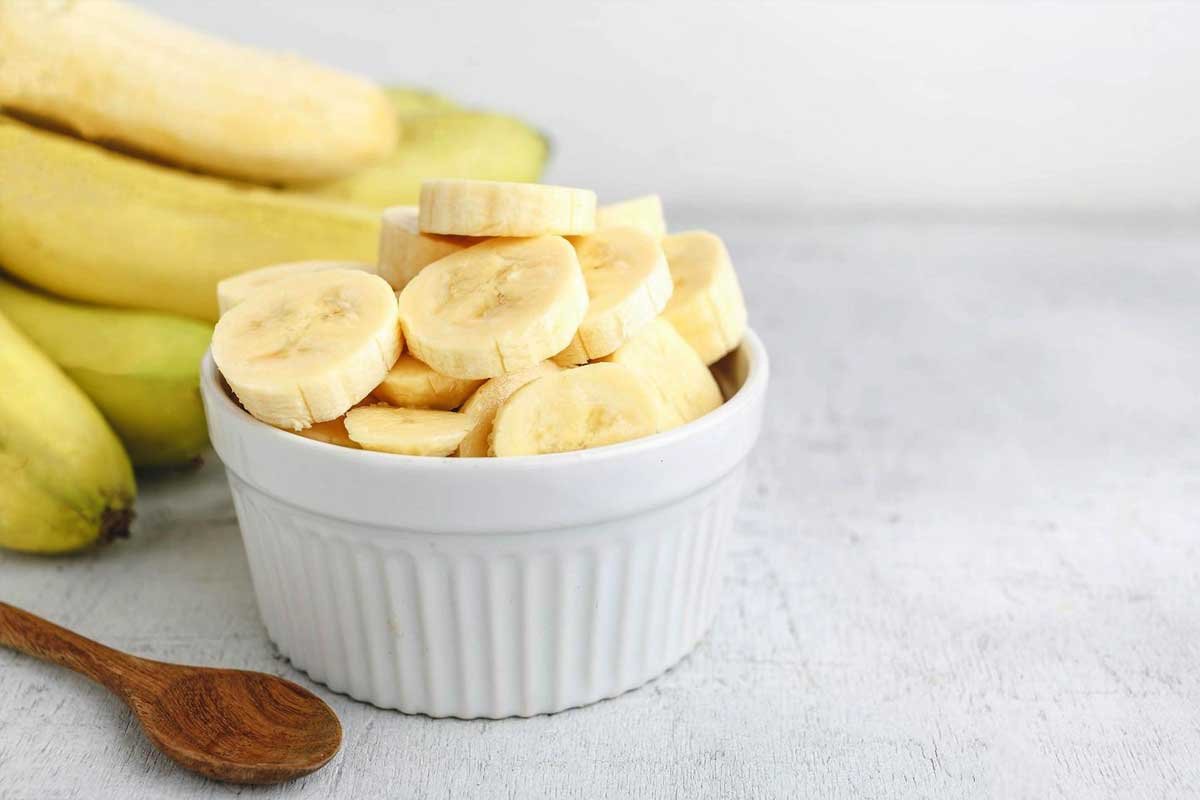
Below is the approximate nutrition for one medium banana (118 g).
| Nutrient | Amount |
|---|---|
| Calories | 105 |
| Carbohydrates | 27 g |
| Protein | 1.3 g |
| Fat | 0.3 g |
| Fiber | 3.1 g |
| Natural Sugar | 14 g |
| Potassium | 422 mg |
| Vitamin B6 | 20% Daily Value (approx.) |
| Vitamin C | 11% Daily Value (approx.) |
| Magnesium | 8% Daily Value (approx.) |
The exact values may vary slightly depending on the banana’s size and ripeness.
Practical Tips for Eating Bananas
Follow these simple tips to get the most from your bananas.
- Choose bananas based on ripeness and taste preference.
- Pair bananas with protein-rich foods.
- Eat before exercise for convenient energy.
- Include bananas in smoothies instead of sugary drinks.
- Carry a banana while traveling for a healthy snack.
- Store bananas at room temperature until ripe.
- Freeze ripe bananas for smoothies or healthy desserts.
Common Mistakes to Avoid
Many people make small mistakes that reduce the nutritional value of their meals.
Avoid these habits:
- Eating bananas as the only breakfast every day
- Drinking banana shakes loaded with added sugar
- Assuming bananas alone cause weight gain
- Eating oversized portions regularly
- Ignoring overall daily calorie intake
- Replacing vegetables and other fruits with only bananas
- Believing there is only one perfect time to eat bananas
Remember, your overall eating pattern matters much more than the exact timing.
Expert Tips
Nutrition professionals generally recommend focusing on balance rather than searching for a single perfect eating time.
Keep these practical tips in mind:
- Match banana timing to your personal goals.
- Eat bananas before workouts for quick energy.
- Pair bananas with protein for longer-lasting fullness.
- Enjoy bananas after exercise to replenish energy.
- Include a variety of fruits throughout the week.
- Practice portion control instead of avoiding nutritious foods.
- Build balanced meals rather than relying on a single “superfood.”
By choosing the best time to eat banana according to your lifestyle, you can enjoy its natural nutrients while supporting your overall health and wellness.
Frequently Asked Questions (FAQs)
Q1. What is the best time to eat banana?
The best time to eat banana depends on your health goals. For most people, eating a banana in the morning, before a workout, or as a healthy snack between meals is an excellent choice. Pairing it with protein or healthy fats can help you stay full for longer.
Q2. Is it better to eat a banana in the morning or at night?
Both times can fit into a healthy diet. Eating a banana in the morning provides quick energy to start the day, while having one at night can be a satisfying snack if you’re hungry. Your overall eating habits are more important than the exact timing.
Q3. What is the best time to eat banana for weight loss?
For weight loss, eating a banana with breakfast, between meals, or 30-60 minutes before exercise can help support energy levels and reduce unhealthy snacking. Pair it with protein-rich foods like Greek yogurt or nuts for better satiety.
Q4. What is the best time to eat banana for weight gain?
If you’re trying to gain weight, enjoy a banana between meals, after workouts, or as part of a high-calorie smoothie with milk, oats, peanut butter, and yogurt to increase your daily calorie intake in a nutritious way.
Q5. Can I eat a banana on an empty stomach?
Yes. Most healthy adults can safely eat a banana on an empty stomach. However, combining it with foods like oatmeal, nuts, or Greek yogurt creates a more balanced meal and may help keep you full for longer.
Q6. Is eating a banana before exercise a good idea?
Yes. Bananas provide natural carbohydrates that offer quick energy, making them one of the best pre-workout snacks. Eating one about 30-60 minutes before exercise works well for many people.
Q7. Is it okay to eat a banana every day?
Yes. Eating one medium banana daily can be part of a healthy, balanced diet for most people. Bananas provide important nutrients like potassium, fiber, and vitamin B6.
Q8. Does eating bananas at night cause weight gain?
No. Eating a banana at night does not automatically cause weight gain. Weight gain depends on your overall calorie intake, physical activity, and long-term eating habits rather than eating one specific food at a certain time.
Q9. Should I eat a ripe or slightly green banana?
Both are healthy choices. Ripe bananas are sweeter and easier to digest, while slightly green bananas contain more resistant starch and may help you feel full for longer.
Q10. How many bananas can I eat in a day?
For most healthy adults, one to two bananas per day can fit into a balanced diet. The right amount depends on your calorie needs, activity level, and the variety of foods you eat throughout the day.
Conclusion
The best time to eat banana depends on your personal lifestyle and health goals rather than a universal rule. Whether you’re looking to support weight loss, healthy weight gain, improve workout performance, or simply enjoy a nutritious snack, bananas can be a valuable addition to your diet.
For most people, eating a banana in the morning, before exercise, or between meals provides the greatest benefits. Pairing bananas with protein-rich foods or healthy fats can improve fullness, support balanced energy levels, and create a more satisfying meal.
Rather than worrying about the perfect timing, focus on eating bananas as part of a balanced, varied diet that includes plenty of fruits, vegetables, whole grains, lean proteins, and healthy fats. When enjoyed in moderation, bananas are a convenient, affordable, and nutrient-rich fruit that supports overall health.
Medical Disclaimer
This article is intended for educational and informational purposes only and should not be considered medical advice. Nutritional needs vary from person to person based on age, health conditions, medications, and lifestyle. If you have a medical condition, food allergy, kidney disease, diabetes, or specific dietary concerns, consult a qualified healthcare professional before making significant changes to your diet.

I am Danish, the creator of Health Update 24. I write about health, nutrition, fitness, and healthy lifestyle topics, sharing simple, practical, and well-researched information to help readers make informed decisions about their well-being. Know More