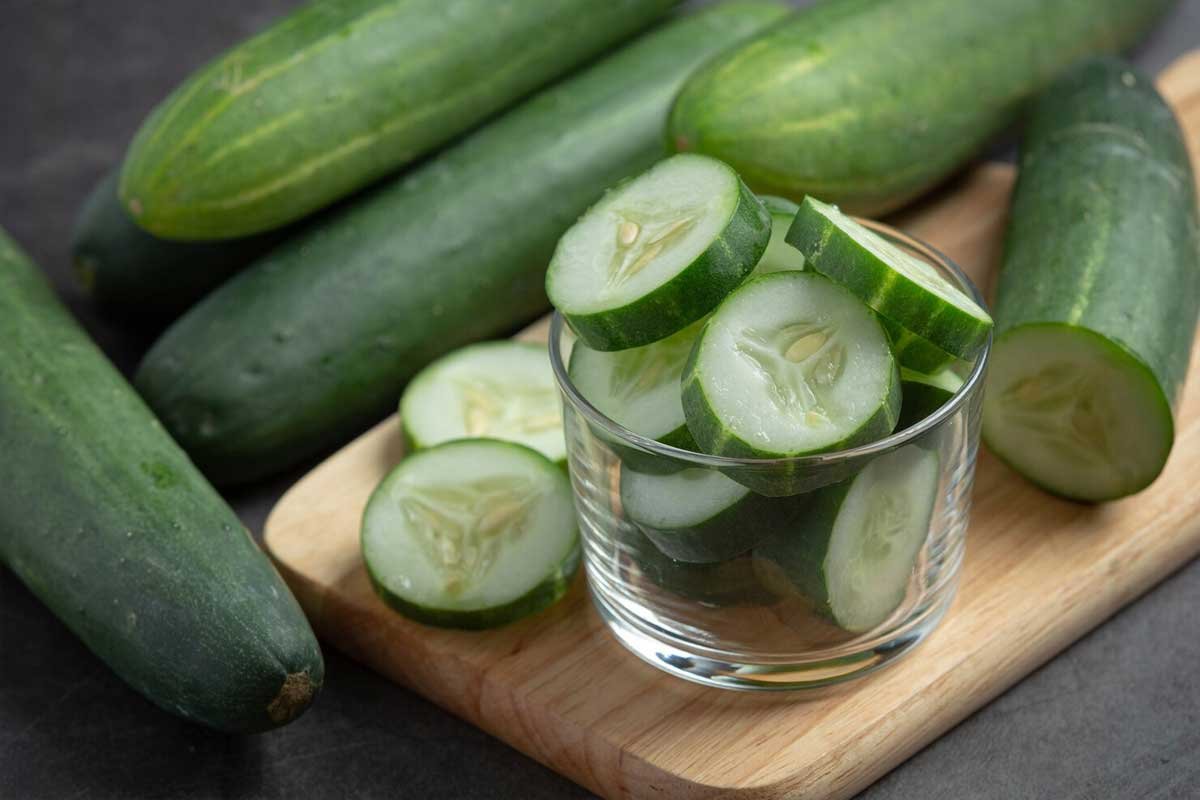
If you’re looking for simple, healthy foods that may support your weight-loss journey, cucumber for weight loss is one option worth considering. This crisp, refreshing vegetable is naturally low in calories, high in water, and easy to include in everyday meals. While cucumber alone won’t magically burn fat, it can help you stay full, reduce overall calorie intake, and make healthier food choices.
Many people also enjoy cucumber water for weight loss, cucumber salad for weight loss, and refreshing smoothies as part of a balanced eating plan. These options can make it easier to stay hydrated while replacing sugary drinks and high-calorie snacks.
Research from trusted organizations such as the USDA and Harvard T.H. Chan School of Public Health supports the importance of eating more vegetables, staying hydrated, and following an overall healthy dietary pattern for long-term weight management.
In this guide, you’ll learn how cucumber fits into a weight-loss diet, its nutritional benefits, the best ways to eat it, common mistakes to avoid, and expert-backed tips for getting the most from this versatile vegetable.
Table of Contents
Does Cucumber Help with Weight Loss?
Yes, but indirectly.
Cucumber supports weight loss because it:
- Is naturally low in calories
- Contains about 95-96% water
- Provides fiber (especially with the peel)
- Helps increase fullness
- May reduce unnecessary snacking
- Can replace high-calorie foods and beverages
However, cucumber does not burn body fat on its own. Sustainable weight loss still depends on maintaining a calorie deficit, eating a balanced diet, staying physically active, getting enough sleep, and managing stress.
Key Takeaway:
Cucumber works best as part of an overall healthy lifestyle, not as a miracle weight-loss food.
Why Is Cucumber Popular for Weight Loss?
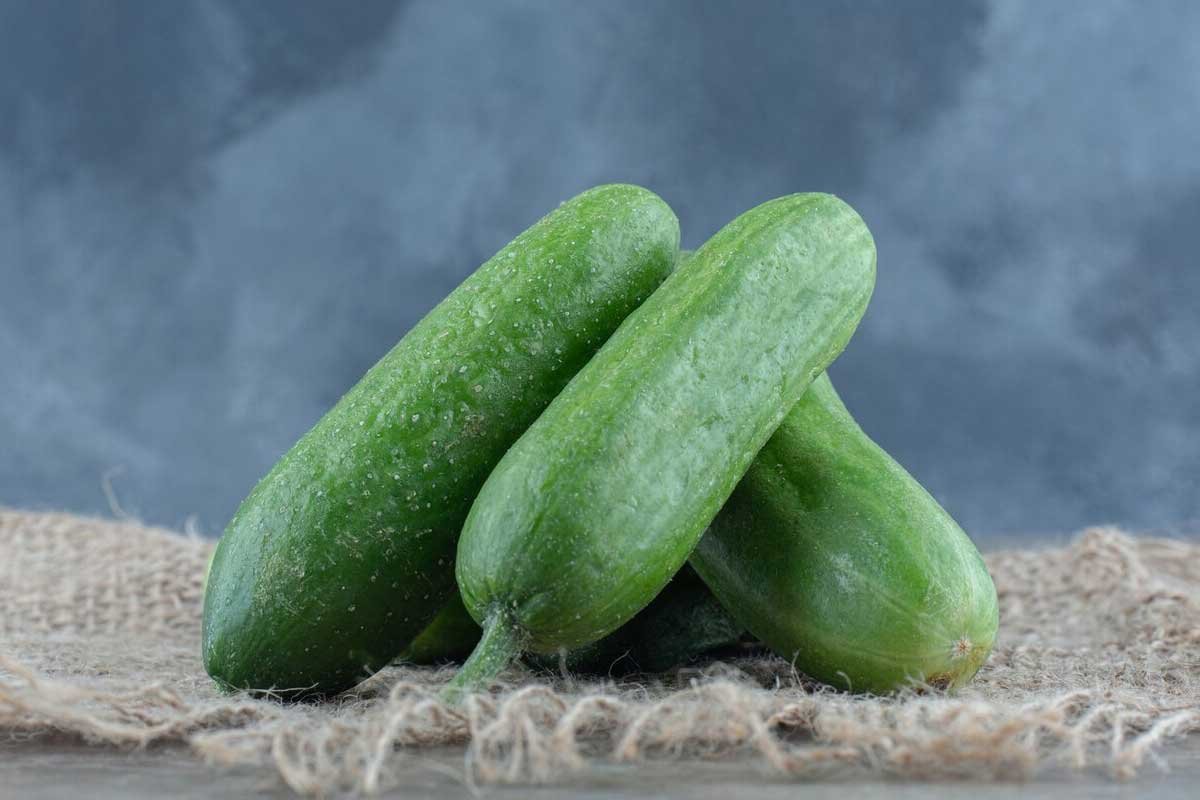
Cucumber has become a staple in many healthy eating plans because it’s filling, refreshing, and incredibly versatile. Unlike many processed snack foods, it provides volume without adding many calories, making it easier to manage hunger throughout the day.
One of cucumber’s biggest advantages is its exceptionally high water content. Staying hydrated is essential for overall health, and hydration can also help people distinguish between thirst and hunger. Since cucumbers are mostly water, they contribute to daily fluid intake while adding texture and freshness to meals.
Another reason cucumber is often recommended for weight management is its low energy density. This means you can eat a relatively large serving without consuming many calories. Foods with low energy density are commonly included in balanced weight-loss diets because they help increase meal satisfaction while keeping calorie intake under control.
For example, replacing potato chips with sliced cucumber or adding cucumber to sandwiches, wraps, grain bowls, or salads can make meals more filling without significantly increasing calories.
Key Takeaways
- Extremely low in calories
- Naturally hydrating
- Easy to prepare
- Suitable for most eating patterns
- Helps replace calorie-dense snacks
- Supports healthy eating habits
Cucumber Nutrition Facts
A standard serving of raw cucumber with the peel (approximately 100 grams) provides the following nutrients.
| Nutrient | Amount (Approx.) |
|---|---|
| Calories | 15 kcal |
| Water | 95-96% |
| Carbohydrates | 3.6 g |
| Fiber | 0.5 g |
| Protein | 0.7 g |
| Fat | 0.1 g |
| Vitamin K | Good source |
| Vitamin C | Small amount |
| Potassium | Moderate amount |
| Magnesium | Small amount |
Nutrition values may vary slightly depending on the cucumber variety.
Why These Nutrients Matter
Although cucumber isn’t packed with protein or fiber compared with legumes or whole grains, its nutritional profile still offers several advantages. The high water content helps with hydration, while small amounts of fiber can contribute to digestive health, especially if you eat the peel after washing it thoroughly.
Vitamin K supports bone health, potassium contributes to normal muscle and nerve function, and antioxidants found in cucumber may help protect cells from oxidative stress.
Rather than relying on cucumber alone, nutrition experts recommend combining it with protein-rich foods, healthy fats, and whole grains to create balanced meals that keep you satisfied for longer.
Also Read: Celery Juice for Weight Loss: Benefits, Recipe & Tips
How Cucumber Supports Weight Loss
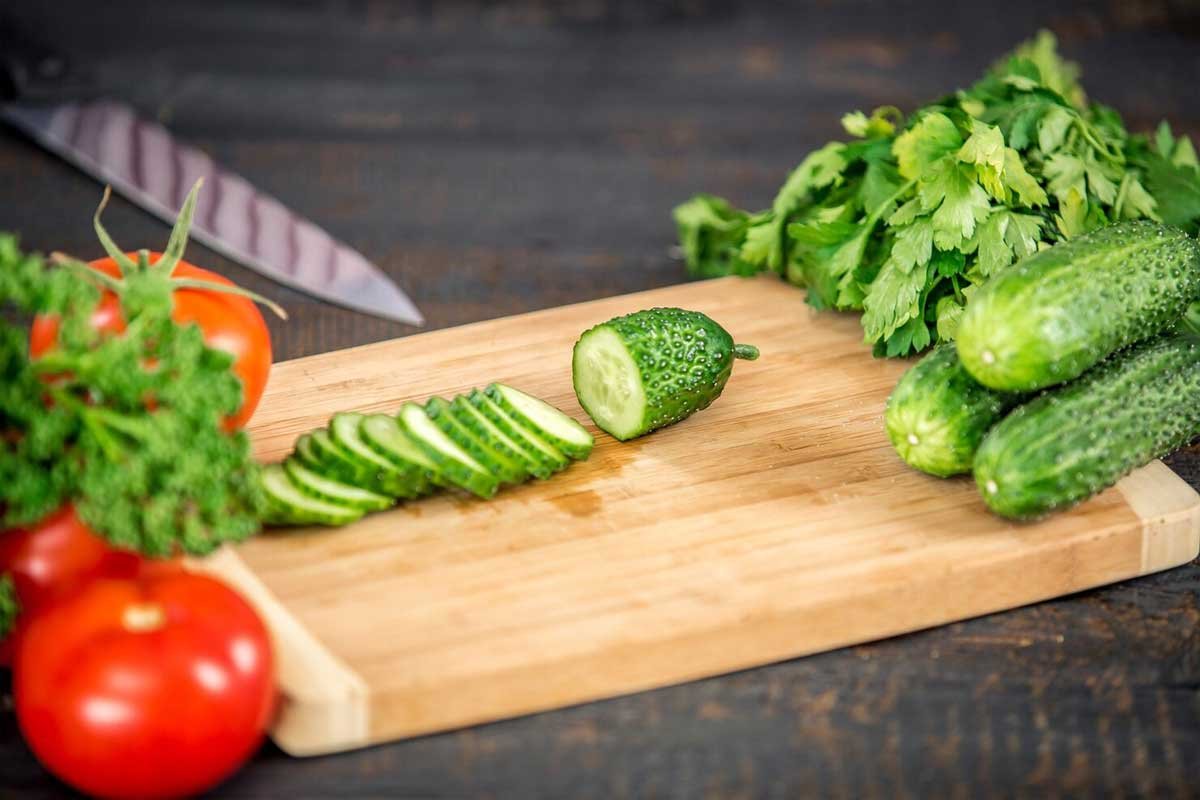
While cucumber isn’t a magic weight-loss food, it offers several qualities that can support a healthy weight management plan. From being naturally low in calories to helping you stay hydrated and feel fuller for longer, cucumber can make it easier to build healthier eating habits. Below, you’ll discover the science-backed ways cucumber for weight loss may support your goals and how to make the most of it as part of a balanced lifestyle.
1. Naturally Low in Calories
One of the biggest reasons people choose cucumber for weight loss is its low calorie content. A whole medium cucumber contains only a small fraction of the calories found in common snack foods such as cookies, chips, or pastries.
Replacing higher-calorie snacks with cucumber can reduce your daily calorie intake without making you feel deprived.
2. High Water Content Promotes Fullness
Cucumber is composed of roughly 95-96% water, making it one of the most hydrating vegetables. Water-rich foods increase meal volume, which can help you feel satisfied with fewer calories.
While hydration alone doesn’t cause weight loss, drinking enough fluids and eating water-rich foods may support appetite regulation and overall dietary adherence.
3. Helps Reduce Mindless Snacking
Many people snack simply because they want something crunchy. Cucumber provides that satisfying crunch while containing very few calories.
Instead of reaching for processed snacks, sliced cucumber paired with hummus, Greek yogurt dip, or cottage cheese can be a healthier alternative that also provides protein and healthy fats.
For even better results, combine cucumber with a protein-rich meal instead of eating it alone. You can also explore our healthy high protein breakfast guide for satisfying breakfast ideas that may help reduce hunger and support healthy weight management.
4. Supports Healthy Hydration
Hydration plays an important role in physical performance, digestion, and overall health. Since cucumber contributes to daily fluid intake, it can complement water consumption, especially during warmer months or after exercise.
Some people prefer cucumber water for weight loss because it adds a refreshing flavor to plain water without adding sugar or significant calories. While cucumber water isn’t a fat-burning drink, it may encourage people to drink more water throughout the day.
5. Fits Easily into Balanced Diets
One reason cucumber remains popular among dietitians is its flexibility. It works well with Mediterranean, DASH, vegetarian, vegan, and many calorie-controlled eating plans.
Whether added to sandwiches, wraps, salads, grain bowls, or smoothies, cucumber can increase meal volume while helping maintain a balanced calorie intake.
If you enjoy cucumber water for weight loss, you may also want to explore the benefits of celery juice for weight loss. Both are low in calories, hydrating, and can be included as part of a balanced diet that supports healthy weight management, although neither should be considered a standalone weight-loss solution.
Does Science Support Eating Cucumber for Weight Loss?
Current scientific evidence suggests that cucumber can support weight management, but not because it has any special fat-burning properties.
Instead, its benefits come from well-established nutrition principles:
- Low-calorie foods can help reduce total energy intake.
- Water-rich vegetables increase meal volume and satisfaction.
- Replacing processed snacks with vegetables improves overall diet quality.
- Higher vegetable intake is consistently associated with healthier body weight in many observational studies.
There is no strong clinical evidence showing that cucumber alone causes significant weight loss. Claims that cucumber “melts belly fat,” “detoxifies fat,” or “boosts metabolism dramatically” are not supported by high-quality research.
The healthiest approach is to use cucumber as one component of a balanced lifestyle that includes:
- A nutrient-rich diet
- Regular physical activity
- Adequate protein intake
- Good sleep
- Stress management
Best Ways to Eat Cucumber for Weight Loss
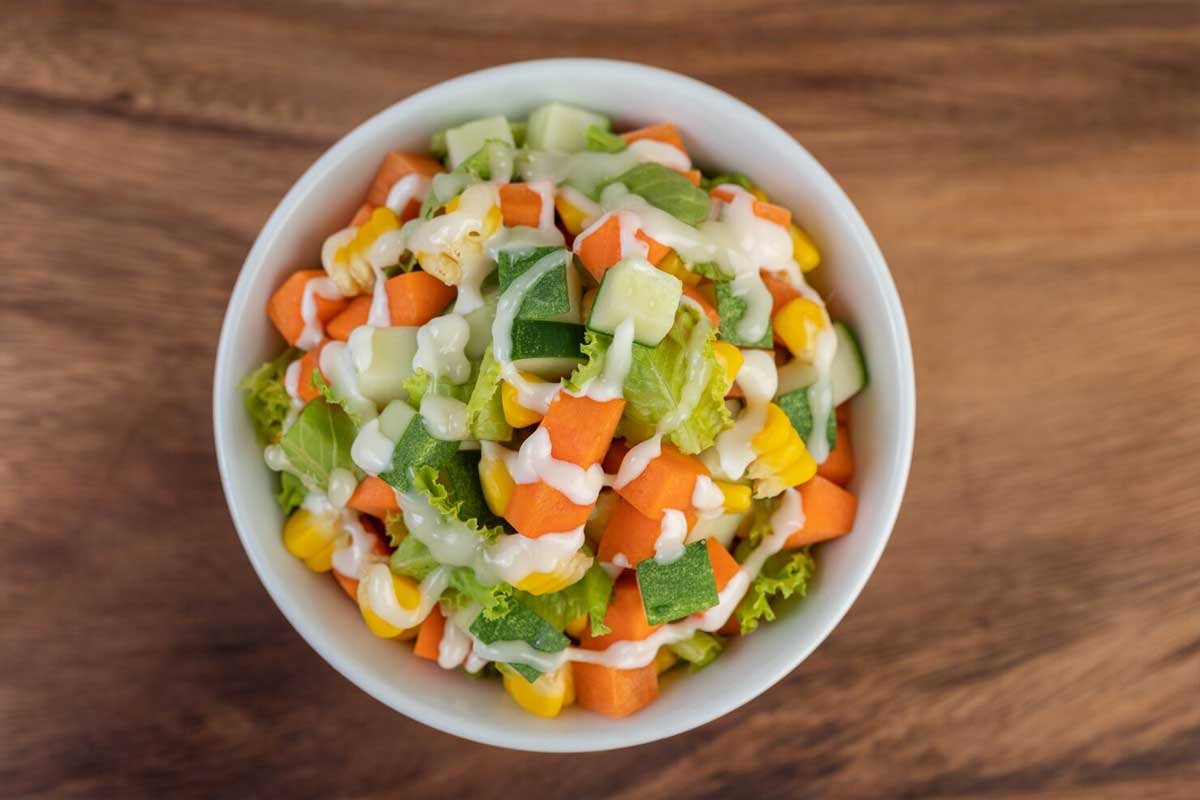
One of the biggest advantages of cucumber for weight loss is its versatility. Unlike many diet foods that can become repetitive, cucumber can be enjoyed in several delicious ways throughout the day. The healthiest preparation depends on your overall diet, nutritional needs, and personal preferences.
The key is to avoid turning cucumber into a high-calorie dish by adding excessive amounts of creamy dressings, mayonnaise, sugar, or high-fat toppings. Instead, pair it with nutrient-dense ingredients that provide protein, healthy fats, and fiber for a balanced meal.
1. Cucumber Salad for Weight Loss
A simple cucumber salad for weight loss is one of the easiest ways to increase your vegetable intake.
- Healthy Ingredients
- Fresh cucumber
- Tomatoes
- Leafy greens
- Red onion
- Lemon juice
- Olive oil (1-2 teaspoons)
- Black pepper
- Fresh herbs such as parsley or dill
This combination provides hydration, vitamins, minerals, and antioxidants while remaining relatively low in calories.
Tip: Add grilled chicken, boiled eggs, tofu, chickpeas, or quinoa to transform the salad into a satisfying meal.
2. Cucumber Water for Weight Loss
Many people enjoy cucumber water for weight loss because it adds a refreshing flavor without sugar or artificial sweeteners.
Benefits
- Encourages better hydration
- May help replace sugary drinks
- Contains virtually no calories
- Easy to prepare
Simple Recipe
Add to a pitcher:
- 1 sliced cucumber
- Cold water
- Fresh mint leaves
- Lemon slices (optional)
Let it infuse in the refrigerator for 2-4 hours.
Important: Cucumber water does not directly burn fat, but replacing sugar-sweetened beverages with water can reduce overall calorie intake.
3. Cucumber Juice for Weight Loss
Cucumber juice for weight loss is another refreshing option, especially during warmer months.
However, juicing removes much of the vegetable’s natural fiber. Since fiber contributes to fullness, eating whole cucumber is generally a better choice for appetite control.
If you enjoy cucumber juice:
- Avoid adding sugar
- Drink it fresh
- Pair it with a protein-rich snack
Instead of relying solely on juice, consider alternating between whole cucumber and fresh juice throughout the week.
4. Cucumber Smoothie for Weight Loss
A cucumber smoothie for weight loss can be an excellent breakfast or post-workout snack when prepared correctly.
Healthy Smoothie Recipe
Ingredients:
- 1 cucumber
- Spinach
- Greek yogurt
- Frozen berries
- Chia seeds
- Unsweetened almond milk
This provides:
- Protein
- Fiber
- Healthy fats
- Vitamins
- Hydration
Avoid adding ice cream, flavored syrups, or excessive fruit juice, which can significantly increase calories.
5. Raw Cucumber as a Snack
Sometimes the simplest option is the best.
Slice cucumber into sticks and pair it with:
- Hummus
- Cottage cheese
- Greek yogurt dip
- Guacamole (in moderation)
Protein-rich dips improve satiety and help create a more balanced snack.
If you’re trying to lose weight, don’t rely on cucumber alone. Pairing it with protein-rich foods can help you stay full for longer and support muscle maintenance during weight loss. To learn which protein sources are most effective, read our detailed guide on Best Protein for Weight Loss Female.
Also Read: List of High Protein Vegetables: Top 6 Veggies
Which Option Is Best?
| Option | Calories | Filling | Best For |
|---|---|---|---|
| Whole cucumber | Very Low | ⭐⭐⭐⭐⭐ | Everyday snacking |
| Cucumber salad | Low | ⭐⭐⭐⭐⭐ | Lunch & dinner |
| Cucumber water | Almost Zero | ⭐⭐ | Hydration |
| Cucumber smoothie | Moderate | ⭐⭐⭐⭐ | Breakfast |
| Cucumber juice | Low | ⭐⭐⭐ | Refreshment |
Best Time to Eat Cucumber for Weight Loss
Many people wonder about the best time to eat cucumber for weight loss. The truth is that no single time of day magically increases fat burning. Instead, timing should support healthier eating habits and overall calorie control.
1. Before Meals
Eating cucumber before meals may help increase fullness because of its water content and volume. This can make it easier to avoid overeating during the main meal.
2. As a Healthy Snack
Replacing processed snacks with cucumber between meals can help reduce unnecessary calorie intake while providing hydration and nutrients.
3. At Lunch
Adding cucumber to salads, wraps, or grain bowls increases meal volume without adding many calories.
4. At Dinner
A cucumber salad served alongside lean protein and vegetables can create a satisfying evening meal.
5. After Exercise
Cucumber can contribute to hydration after physical activity, but pairing it with a source of protein and carbohydrates is important for recovery.
6. Is Eating Cucumber at Night Good?
For most healthy adults, yes. Cucumber is light, easy to digest for many people, and low in calories. However, individuals who experience digestive discomfort after eating large amounts of raw vegetables may prefer smaller portions in the evening.
Common Mistakes to Avoid
Although cucumber is a healthy food, several misconceptions can limit its benefits.
Mistake 1: Believing Cucumber Burns Fat
There is no scientific evidence that cucumber directly burns body fat. Weight loss occurs through a sustained calorie deficit supported by healthy eating and physical activity.
Mistake 2: Eating Only Cucumber
Some fad diets recommend eating almost nothing except cucumber. This approach can lead to inadequate protein, healthy fats, vitamins, and minerals and is not recommended.
Mistake 3: Using High-Calorie Dressings
Creamy dressings, excessive mayonnaise, or sugary sauces can turn a low-calorie salad into a high-calorie meal.
Choose lighter dressings such as:
- Lemon juice
- Vinegar
- Olive oil (moderate amount)
- Fresh herbs
Mistake 4: Ignoring Protein
Cucumber is low in protein.
Pair it with:
- Chicken
- Fish
- Greek yogurt
- Eggs
- Beans
- Lentils
- Tofu
Protein supports muscle maintenance and helps increase satiety.
Mistake 5: Expecting Overnight Results
Healthy weight loss is gradual. No single vegetable, including cucumber, can replace a balanced eating pattern, regular exercise, and sustainable lifestyle habits.
Also Read: How Many Steps Per Day to Lose Weight?
Expert Tips
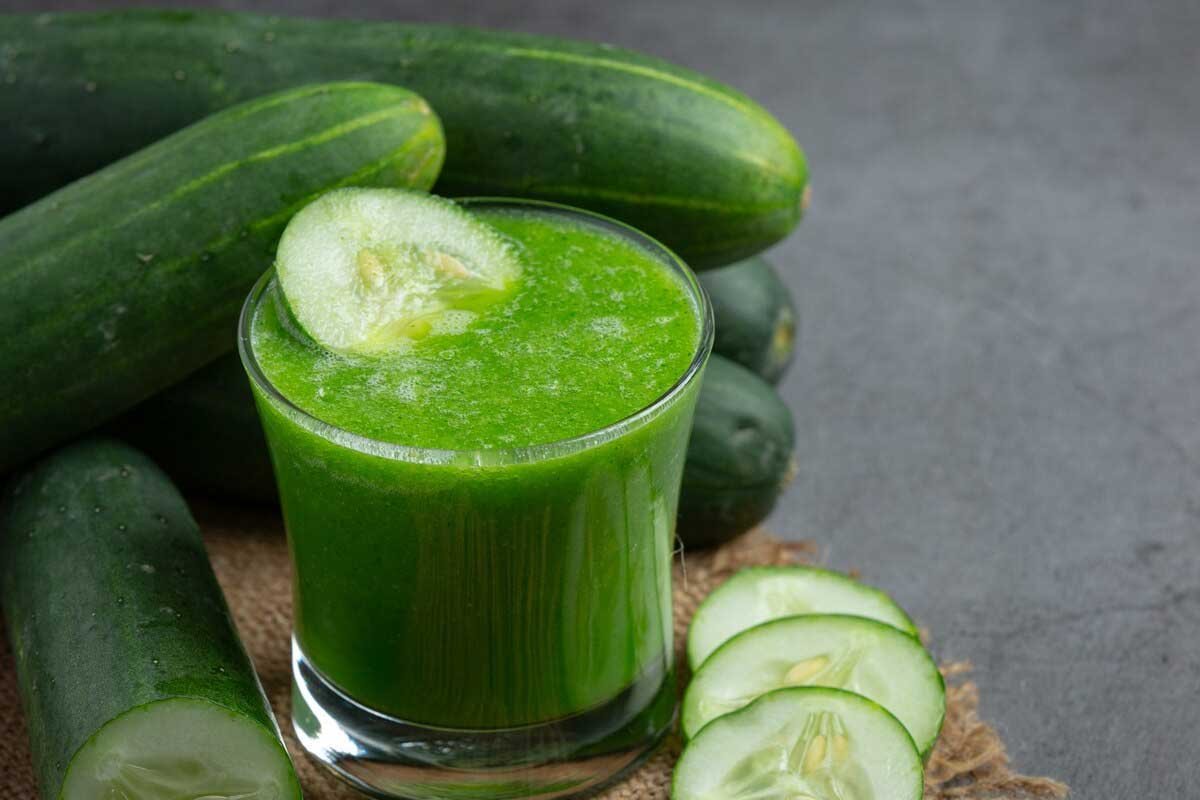
Nutrition professionals generally recommend focusing on your overall dietary pattern rather than relying on one “superfood.” To make cucumber for weight loss more effective:
- Fill half your plate with non-starchy vegetables, including cucumber, tomatoes, leafy greens, and peppers.
- Combine cucumber with lean protein and whole grains to create balanced meals.
- Drink cucumber-infused water if it helps you replace sugar-sweetened beverages.
- Choose whole cucumber more often than juice to retain fiber.
- Practice portion awareness with calorie-dense toppings such as nuts, cheese, and creamy dressings.
- Aim for consistent healthy habits instead of quick-fix diets.
For another filling, plant-based option, check out our guide on Is Chickpeas Good for Weight Loss? It explains how the protein and fiber in chickpeas can support appetite control and fit into a healthy weight-loss diet.
Frequently Asked Questions (FAQs)
Q1. Is cucumber good for weight loss?
Yes, cucumber for weight loss can be a healthy addition to a balanced diet. It is low in calories, high in water, and contains a small amount of fiber, which may help you feel fuller and reduce overall calorie intake. However, cucumber alone will not burn fat or cause weight loss without healthy eating habits and regular physical activity.
Q2. How much cucumber should I eat per day for weight loss?
There is no recommended daily amount specifically for weight loss. Most people can safely enjoy 1-2 cups of sliced cucumber as part of their daily vegetable intake. The ideal portion depends on your overall diet, calorie needs, and individual health goals.
Q3. What is the best time to eat cucumber for weight loss?
The best time to eat cucumber for weight loss is whenever it helps you make healthier food choices. Many people enjoy it before meals to increase fullness or as a low-calorie snack between meals. There is no scientific evidence that eating cucumber at a specific time of day burns more fat.
Q4. Does cucumber water help with weight loss?
Cucumber water for weight loss can support healthy hydration and may encourage you to drink more water instead of sugary beverages. While it doesn’t directly burn fat, replacing high-calorie drinks with cucumber-infused water can help reduce daily calorie intake.
Q5. Is cucumber juice better than eating whole cucumber?
Not necessarily. Cucumber juice for weight loss is refreshing, but whole cucumber generally provides more fiber, which helps promote fullness and supports digestive health. If you enjoy cucumber juice, choose fresh juice without added sugar and include whole vegetables in your diet as well.
Q6. Can I eat cucumber at night?
Yes. For most healthy adults, eating cucumber at night is perfectly fine. It’s light, hydrating, and low in calories. However, if raw vegetables cause bloating or digestive discomfort, consider eating a smaller portion or having it earlier in the day.
Q7. Is cucumber keto-friendly?
Yes. Cucumber is naturally low in carbohydrates, making it suitable for most low-carb and ketogenic eating plans. Portion sizes should still fit within your daily carbohydrate goals.
Q8. Can I eat cucumber every day?
Yes. Eating cucumber daily is generally safe for most people as part of a varied, balanced diet. Pairing it with protein-rich foods, healthy fats, and other vegetables helps create more nutritious and satisfying meals.
Q9. Does cucumber reduce belly fat?
No single food, including cucumber, can specifically reduce belly fat. Fat loss occurs throughout the body when you maintain a calorie deficit through a balanced diet, regular exercise, adequate sleep, and healthy lifestyle habits. Cucumber can support this process by helping you manage calorie intake.
Q10. Is cucumber salad good for weight loss?
Yes. A cucumber salad for weight loss made with fresh vegetables, herbs, lemon juice, and a moderate amount of olive oil can be a nutritious, low-calorie meal or side dish. Adding lean protein such as grilled chicken, tofu, eggs, or chickpeas makes it even more filling.
Conclusion
Adding cucumber for weight loss to your daily meals is a simple and practical way to support healthy eating habits. Thanks to its low calorie content, high water percentage, and refreshing taste, cucumber can help increase meal volume, improve hydration, and replace less nutritious, calorie-dense snacks.
Whether you enjoy cucumber water for weight loss, a fresh cucumber salad for weight loss, a homemade cucumber smoothie for weight loss, or simply eat sliced cucumber as a snack, the greatest benefits come from making it part of an overall balanced lifestyle. Pair cucumber with lean protein, whole grains, healthy fats, and regular physical activity for sustainable results.
It’s important to remember that cucumber is not a miracle fat-burning food. Lasting weight loss is achieved through consistent healthy habits rather than relying on any single ingredient. When combined with a nutrient-rich diet, regular exercise, adequate sleep, and proper hydration, cucumber can be a valuable addition to your long-term wellness journey.
Medical Disclaimer
This article is intended for educational and informational purposes only and should not be considered medical advice. It does not replace professional guidance from a qualified healthcare provider, registered dietitian, or nutrition specialist. Nutritional needs and weight-loss results vary from person to person. If you have a medical condition, food allergy, digestive disorder, are pregnant or breastfeeding, or take prescription medications, consult your healthcare provider before making significant dietary changes.

I am Danish, the creator of Health Update 24. I write about health, nutrition, fitness, and healthy lifestyle topics, sharing simple, practical, and well-researched information to help readers make informed decisions about their well-being. Know More