
If you are trying to lose weight, you may have heard that black coffee for weight loss can help increase metabolism and support fat burning. Because plain black coffee contains very few calories, it can be a useful alternative to sugary coffee drinks, especially when those drinks regularly add large amounts of sugar, cream, syrups, or flavored sauces to your daily calorie intake.
The main reason coffee may support weight management is caffeine. Caffeine can temporarily increase alertness and energy expenditure and may slightly increase the amount of fat your body uses for energy. However, these effects are generally modest and can vary from person to person.
So, is black coffee good for weight loss? It can be, particularly when you drink it without added sugar and high-calorie ingredients. But black coffee works best as part of an overall healthy eating pattern, regular physical activity, adequate sleep, and a sustainable calorie deficit.
Quick Answer: Is Black Coffee Good for Weight Loss?
Black coffee can support weight loss indirectly, mainly because it is very low in calories and contains caffeine.
Caffeine may temporarily increase energy expenditure, improve alertness, and slightly increase fat oxidation. Drinking plain coffee instead of high-calorie coffee beverages can also make it easier to control your daily calorie intake.
However, black coffee does not automatically cause significant fat loss. Drinking more coffee is not a substitute for a balanced diet and regular exercise.
For most healthy adults, a moderate amount of caffeine can fit into a healthy diet. Individual tolerance varies, so people who experience anxiety, insomnia, heart palpitations, digestive problems, or other caffeine-related symptoms may need to reduce their intake.
Table of Contents
What Is Black Coffee?
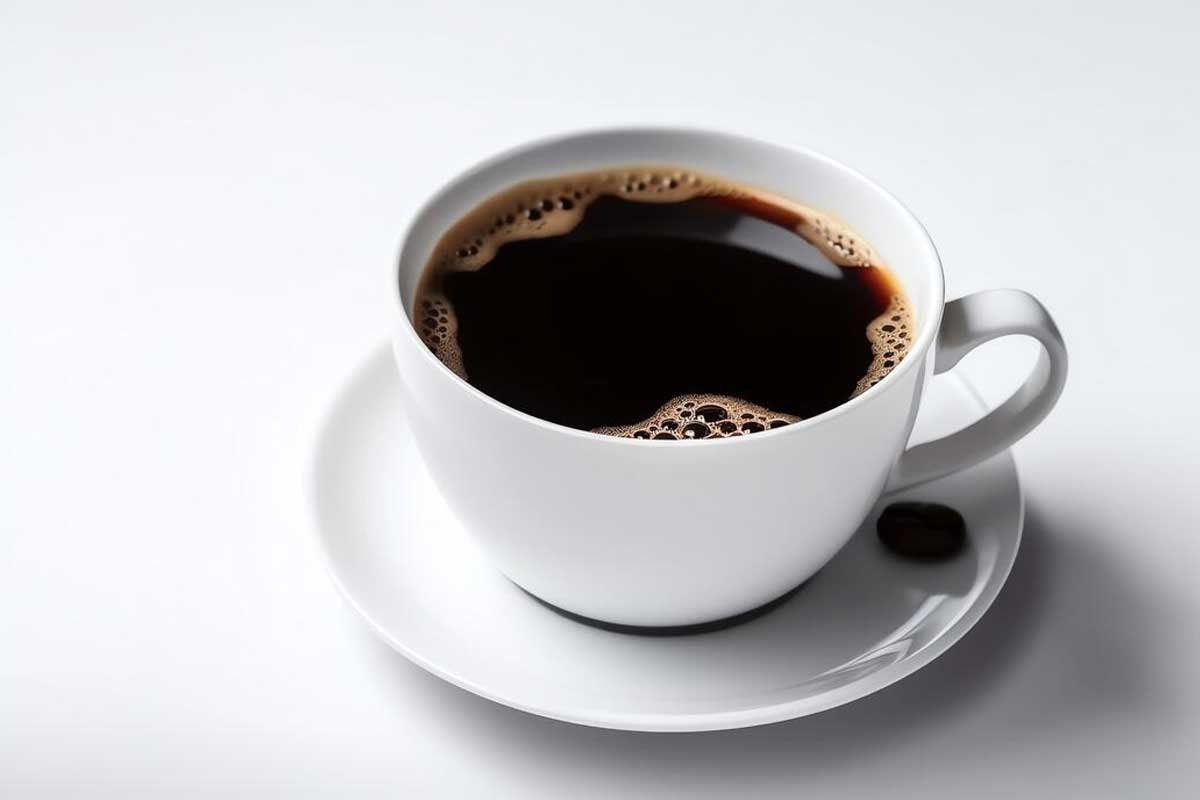
Black coffee is coffee served without milk, cream, sugar, syrups, whipped cream, or other calorie-containing additions. It can be prepared using ground coffee and hot water through methods such as drip brewing, French press, pour-over, or other brewing techniques.
The nutritional profile depends somewhat on the brewing method and serving size, but plain brewed coffee is generally very low in calories.
The biggest advantage for weight management is that black coffee can provide flavor and caffeine without the substantial calories found in many sweetened coffee drinks.
For example, a large flavored coffee made with sugar, cream, syrup, or whipped cream can contain hundreds of calories, while plain black coffee generally contributes only a small amount of energy.
How Does Black Coffee Support Weight Loss?
There are several reasons black coffee for weight loss may be useful.
1. It Is Very Low in Calories
Plain black coffee contains very few calories compared with many popular coffee beverages. If you normally drink coffee with several teaspoons of sugar, heavy cream, flavored syrup, or sweetened milk, switching to black coffee can reduce your calorie intake. That calorie difference can become meaningful when repeated every day.
2. Caffeine May Temporarily Increase Energy Expenditure
Caffeine stimulates the central nervous system and can temporarily increase alertness and energy expenditure. The increase is generally modest rather than dramatic. Your body does not suddenly burn large amounts of fat simply because you drank a cup of coffee.
3. Caffeine May Increase Fat Oxidation
Caffeine can increase the release and use of fatty acids for energy under certain circumstances. However, increased fat oxidation does not automatically translate into long-term body-fat loss. Long-term weight loss still depends largely on overall energy balance and lifestyle habits.
4. It May Improve Exercise Performance
Caffeine can make exercise feel easier for some people and may improve certain aspects of physical performance. If coffee helps you feel more energetic before a workout, it may indirectly support your weight-loss routine by helping you exercise more consistently.
Also Read: How Many Steps to Walk a Day to Lose Weight? Know the Right Calculation
Black Coffee and Metabolism
One of the most common claims about black coffee for weight loss is that it dramatically boosts metabolism.
The reality is more balanced.
Caffeine can temporarily increase energy expenditure, but the effect varies based on factors such as body size, caffeine tolerance, genetics, habitual caffeine intake, and the amount consumed.
People who regularly consume caffeine may also develop some tolerance to its effects.
This means you should not depend on coffee alone to create a significant calorie deficit.
A better approach is to view black coffee as a low-calorie beverage that can complement a healthy weight-management plan.
Can Black Coffee Increase Fat Burning?

Caffeine can temporarily increase fat use for energy, particularly during certain conditions such as physical activity.
However, there is an important difference between temporarily increasing fat oxidation and losing body fat over time.
Your body constantly uses a mixture of carbohydrates and fat for energy. Increasing the amount of fat used at a particular moment does not necessarily mean that you will lose more body fat by the end of the day or week.
For sustainable fat loss, your overall calorie intake, food quality, activity level, sleep, and consistency matter much more than any single beverage.
Black Coffee Calories and Nutrition
Plain black coffee is one of the lowest-calorie caffeinated beverages.
| Beverage | Typical calorie profile |
|---|---|
| Black coffee | Very low |
| Coffee with sugar | Higher |
| Coffee with cream | Higher |
| Flavored latte | Often much higher |
| Sweetened iced coffee | Can be high |
| Coffee with syrup and whipped cream | Often very high |
The exact calorie content depends on serving size and ingredients.
The important point is that adding sugar, cream, flavored syrup, sweetened milk, or other ingredients can significantly change the calorie content of coffee.
Black Coffee Benefits

Beyond weight management, moderate coffee consumption may offer several potential benefits.
May Improve Alertness
Caffeine is well known for increasing alertness and reducing feelings of tiredness.
This can be particularly useful during periods when you need to concentrate or stay awake.
May Support Physical Performance
Caffeine may help some people exercise with greater intensity or endurance.
For people who tolerate caffeine well, drinking coffee before exercise may fit into a practical fitness routine.
Contains Antioxidant Compounds
Coffee naturally contains several compounds with antioxidant activity.
These compounds contribute to coffee’s overall nutritional profile and may be one reason coffee consumption has been associated with various health outcomes.
May Support Liver Health
People often ask, “is black coffee good for liver health?”
Research has associated regular coffee consumption with several favorable liver-related outcomes. However, coffee should not be considered a treatment for liver disease.
If you have a diagnosed liver condition, your overall diet, alcohol intake, body weight, physical activity, medications, and medical care are much more important than relying on coffee.
May Be a Better Choice Than Sugary Coffee Drinks
One of the simplest benefits of black coffee for weight management is substitution.
Replacing a high-calorie coffee drink with plain coffee can reduce your daily calorie intake without requiring you to eliminate coffee from your routine.
How to Make Black Coffee

Learning how to make black coffee is simple.
Basic Black Coffee Recipe
Ingredients:
- 1 cup hot water
- 1-2 teaspoons ground coffee, depending on strength preference
Method:
- Heat fresh water until it is hot but not aggressively boiling.
- Add the ground coffee to your preferred brewing equipment.
- Pour in the hot water and allow the coffee to brew.
- Strain or filter the coffee.
- Serve it without sugar, cream, milk, or flavored syrup if your goal is to keep calories low.
- Allow it to cool slightly before drinking.
The amount of coffee you need depends on the brewing method and your taste preference.
Also Read: Is Oatmeal Good for Weight Loss? Expert Guide
Black Coffee for Weight Loss Recipe

A simple black coffee for weight loss recipe does not need special fat-burning ingredients.
Simple Weight-Loss-Friendly Black Coffee
Ingredients:
- 1 cup freshly brewed black coffee
- Optional: a small amount of cinnamon for flavor
Preparation:
Brew your coffee normally and serve it without sugar, cream, syrup, or sweetened milk.
You can add a small amount of cinnamon if you enjoy the flavor, but cinnamon should not be viewed as a fat-burning ingredient.
Important: Avoid turning black coffee into a high-calorie drink by adding large amounts of sugar, cream, condensed milk, flavored syrups, or whipped cream.
For weight loss, the simplest recipe is often the best: plain coffee, consumed in moderation.
How Much Black Coffee Should You Drink for Weight Loss?
There is no specific amount of black coffee that guarantees weight loss.
For most healthy adults, caffeine intake should remain within commonly accepted moderate limits. A widely used upper limit is around 400 mg of caffeine per day, although individual tolerance varies considerably.
The caffeine content of coffee can vary significantly depending on the bean, roast, brewing method, serving size, and strength.
More coffee is not necessarily better.
If you are sensitive to caffeine, you may experience unwanted effects even at relatively low amounts. Start with a moderate serving and pay attention to how your body responds.
Best Time to Drink Black Coffee for Weight Loss

There is no scientifically proven “magic time” when black coffee causes significantly more fat loss.
However, timing can matter for energy, exercise, appetite, and sleep.
In the Morning
Morning is a common time to drink black coffee because caffeine can increase alertness and help you feel more awake.
If you enjoy coffee in the morning and it does not cause digestive discomfort or anxiety, it can easily fit into your routine.
Before Exercise
Some people prefer drinking coffee before a workout because caffeine may improve alertness and exercise performance.
If you choose this approach, avoid drinking it so close to bedtime that it interferes with sleep.
When You Need Alertness
Coffee can be useful when you need temporary mental alertness, but it should not be used to compensate for consistently inadequate sleep.
Avoid It Too Close to Bedtime
Caffeine can remain active in the body for several hours.
Drinking coffee late in the day may make it harder for some people to fall asleep or stay asleep.
Poor sleep can make weight management more difficult, so protecting sleep is more important than trying to maximize caffeine intake.
Best Ways to Use Black Coffee for Weight Loss

The best way to use coffee for weight management is to make it part of a broader healthy routine.
Replace High-Calorie Coffee Drinks
This may be one of the most practical strategies.
If your usual coffee contains sugar, cream, syrup, sweetened milk, and toppings, replacing it with black coffee can significantly reduce calories.
Pair It With a Balanced Breakfast
Coffee does not provide enough protein, fiber, vitamins, or minerals to replace a nutritious meal.
If you are hungry in the morning, consider pairing coffee with a balanced breakfast containing protein, fiber, and minimally processed foods.
Use Coffee Before Exercise if You Tolerate It
A moderate amount of caffeine before exercise may help some people feel more energetic.
However, there is no need to force yourself to drink coffee before workouts if you dislike it or experience side effects.
Drink Water Too
Coffee can contribute to your daily fluid intake, but water should remain an important part of your hydration routine.
Do not use coffee as a replacement for drinking enough water.
Also Read: Healthy High Protein Breakfast: 10 Healthy Breakfast Ideas
Black Coffee Disadvantages
Although moderate coffee consumption can fit into a healthy lifestyle, black coffee disadvantages should also be considered.
Sleep Problems
Caffeine consumed later in the day may interfere with sleep.
Poor sleep can contribute to tiredness, reduced physical activity, increased cravings, and difficulty maintaining healthy eating habits.
Anxiety or Restlessness
Some people are particularly sensitive to caffeine.
Large amounts may cause nervousness, shakiness, restlessness, or anxiety.
Increased Heart Rate or Palpitations
High caffeine intake can cause a noticeable increase in heart rate or palpitations in some people.
Anyone who repeatedly experiences concerning symptoms should discuss them with a healthcare professional.
Digestive Discomfort
Coffee can cause stomach discomfort, acid reflux, or other digestive symptoms in some individuals.
If black coffee consistently causes discomfort, reducing the amount or changing the timing may help.
Headaches
People who regularly consume large amounts of caffeine may experience headaches or other withdrawal symptoms when they suddenly stop.
For that reason, people trying to reduce caffeine may find it easier to decrease their intake gradually.
It Can Become a Calorie-Free Appetite Strategy
Some people use large amounts of coffee to suppress hunger instead of eating properly.
That is not a healthy long-term weight-loss strategy.
Coffee should complement a nutritious diet, not replace meals simply to reduce hunger.
Who Should Avoid or Limit Black Coffee?
Not everyone responds to caffeine in the same way.
You may need to limit or avoid caffeine if it causes significant side effects or if a healthcare professional has advised you to do so.
Extra caution may be appropriate for people who:
- Are highly sensitive to caffeine
- Experience significant anxiety after caffeine
- Have frequent sleep problems
- Experience caffeine-related palpitations
- Have certain digestive conditions aggravated by coffee
- Are pregnant or breastfeeding and have been advised to limit caffeine
- Take medications that may interact with caffeine
- Have been advised by a healthcare professional to restrict caffeine
If you have a medical condition or take prescription medications, discuss your caffeine intake with your healthcare professional when appropriate.
Is Black Coffee Good for Health?

The question “black coffee is good for health” cannot be answered with a simple yes or no.
For many healthy adults, moderate coffee consumption can fit into a healthy dietary pattern. Coffee contains caffeine and naturally occurring compounds that may have beneficial effects.
However, the health impact depends on the individual and the amount consumed.
Adding large quantities of sugar, cream, syrups, or other high-calorie ingredients can also change the nutritional profile of the drink.
The key is moderation and individual tolerance.
Is Black Coffee Good for Liver Health?
The question “is black coffee good for liver” is common among people interested in both weight loss and overall health.
Regular coffee consumption has been associated with several favorable liver outcomes in observational research. However, these associations do not mean coffee can cure or reverse liver disease.
If you have fatty liver disease or another liver condition, focus on the bigger picture:
- Maintaining a healthy body weight
- Regular physical activity
- Eating a balanced diet
- Limiting excessive alcohol intake
- Managing blood sugar and metabolic health
- Following your healthcare professional’s advice
Coffee can be part of that lifestyle, but it should not replace medical treatment.
Black Coffee and Appetite
Caffeine may temporarily affect appetite in some people, but this effect is inconsistent.
Some people notice that coffee makes them feel less hungry for a short period, while others feel no meaningful difference.
Using black coffee to completely suppress hunger is not recommended.
If you regularly feel extremely hungry, it is better to look at your overall diet. Meals containing protein, fiber, healthy fats, and minimally processed carbohydrates can generally provide better long-lasting satiety than relying on caffeine.
Black Coffee vs. Sweetened Coffee for Weight Loss
The biggest weight-management difference often comes from what is added to coffee.
| Coffee type | Weight-loss friendliness |
|---|---|
| Plain black coffee | Excellent low-calorie option |
| Coffee with a small amount of milk | Can fit into a weight-loss diet |
| Coffee with sugar | Higher calorie |
| Sweetened latte | Often significantly higher calorie |
| Flavored coffee with syrup | Can be high calorie |
| Coffee with whipped cream and toppings | Often very high calorie |
This does not mean you can never enjoy a latte or sweetened coffee.
Weight loss is determined by your overall dietary pattern, not one drink.
Nutrition Information
Plain black coffee contains very little protein, carbohydrate, fat, fiber, or sugar.
Its main nutritional features are:
| Nutrient | Plain black coffee |
| Calories | Very low |
| Protein | Minimal |
| Fat | Minimal |
| Carbohydrates | Minimal |
| Sugar | Minimal |
| Fiber | Minimal |
| Caffeine | Variable |
Exact amounts vary according to serving size and brewing method.
Because black coffee contains very few calories, it should not be considered a meal replacement.
Common Mistakes When Using Black Coffee for Weight Loss
Adding Too Much Sugar
A common mistake is drinking “black coffee” but adding several teaspoons of sugar.
If you want to keep calories low, gradually reduce added sugar or eliminate it altogether.
Adding High-Calorie Creamers
Creamers can make coffee much more calorie-dense.
Always check the serving size because it is easy to add more than the listed serving.
Drinking Too Much Coffee
More caffeine does not automatically mean more weight loss.
Excessive intake can increase the risk of sleep problems, anxiety, digestive discomfort, and other side effects.
Replacing Meals With Coffee
Skipping nutritious meals simply to drink coffee can make your diet less balanced.
Your body needs protein, vitamins, minerals, fiber, essential fats, and other nutrients that coffee does not provide.
Drinking Coffee Late at Night
Trying to use coffee for an evening energy boost may interfere with sleep.
A consistent sleep schedule is an important part of healthy weight management.
Expecting Rapid Fat Loss
Black coffee is not a magic weight-loss drink.
If your diet remains consistently high in calories, drinking coffee will not cancel out the excess energy intake.
Expert Tips for Using Black Coffee

1. Keep it simple
Plain black coffee is usually the lowest-calorie option.
2. Watch your additions
Sugar, cream, syrups, and toppings can turn a low-calorie beverage into a high-calorie one.
3. Monitor caffeine tolerance
If coffee makes you anxious, shaky, or unable to sleep, reduce your intake.
4. Use coffee to support your routine, not replace it
A healthy diet and regular movement are much more important for long-term weight management.
5. Protect your sleep
Avoid using caffeine late in the day if it affects your sleep.
6. Don’t chase a “fat-burning” effect
The temporary effects of caffeine are much less important than your overall lifestyle.
7. Choose consistency over extremes
A moderate coffee habit that you tolerate well is more practical than consuming large amounts for supposed metabolism benefits.
Also Read: Weight Loss Calculator (kg/lbs)
A Simple Daily Approach
If black coffee works well for you, a practical routine might look like this:
Morning:
Drink a moderate cup of black coffee with or after breakfast.
Before exercise:
If you tolerate caffeine and exercise later in the day, a moderate coffee may help with alertness and workout performance.
Afternoon:
Consider switching to water or a caffeine-free beverage if coffee affects your sleep.
Evening:
Avoid caffeine if it interferes with your ability to fall asleep.
The goal is not to drink as much coffee as possible. The goal is to use coffee in a way that supports your overall healthy lifestyle.
10 Frequently Asked Questions About Black Coffee for Weight Loss
Q1. Is black coffee good for weight loss?
Black coffee can support weight loss because it is very low in calories and contains caffeine, which may temporarily increase energy expenditure and fat oxidation. However, its effects are modest, and coffee alone does not cause significant long-term fat loss.
Q2. Can I drink black coffee every day for weight loss?
Yes, many healthy adults can include moderate amounts of black coffee in their daily routine. The important factors are your total caffeine intake, individual tolerance, sleep quality, and overall diet.
Q3. Does black coffee burn belly fat?
No drink can selectively burn belly fat. Caffeine may temporarily increase energy expenditure and fat use, but reducing abdominal fat requires overall body-fat loss through a sustainable diet, physical activity, and healthy lifestyle habits.
Q4. What is the best time to drink black coffee for weight loss?
There is no proven magic time for maximum weight loss. Morning or before exercise can be practical for some people, while avoiding coffee later in the day may be better if caffeine interferes with sleep.
Q5. How do I make black coffee for weight loss?
Brew coffee with hot water and serve it without sugar, cream, flavored syrup, or other high-calorie additions. You can adjust the strength according to your taste and caffeine tolerance.
Q6. Can black coffee reduce appetite?
Caffeine may temporarily reduce appetite in some people, but the effect varies. Black coffee should not be used as a replacement for nutritious meals or as a primary appetite-control strategy.
Q7. Is black coffee good for liver health?
Regular coffee consumption has been associated with favorable liver-related outcomes, but black coffee is not a treatment for liver disease. People with liver conditions should follow an appropriate medical and lifestyle plan.
Q8. How many cups of black coffee should I drink for weight loss?
There is no specific number of cups that guarantees weight loss. Instead, focus on keeping your overall caffeine intake moderate and staying within the amount that you personally tolerate well.
Q9. Does black coffee have calories?
Plain black coffee contains very few calories. However, adding sugar, cream, milk, syrups, condensed milk, or whipped cream can substantially increase its calorie content.
Q10. What are the disadvantages of black coffee?
Potential black coffee disadvantages include sleep problems, anxiety, restlessness, increased heart rate, digestive discomfort, headaches, and caffeine withdrawal symptoms. These effects are more likely or more noticeable in people who are sensitive to caffeine or consume large amounts.
Conclusion
Black coffee for weight loss can be a useful addition to a healthy lifestyle, mainly because it is very low in calories and provides caffeine. Caffeine may temporarily increase alertness, energy expenditure, and fat oxidation, and it may also help some people feel more prepared for exercise.
However, black coffee is not a magic fat-burning drink. Its potential benefits are relatively modest compared with the impact of your overall diet, physical activity, sleep, and long-term calorie balance.
If you enjoy coffee, keeping it simple is often the best approach. Choose plain black coffee, limit added sugar and high-calorie creamers, pay attention to your caffeine tolerance, and avoid drinking it late in the day if it affects your sleep.
Ultimately, the most effective approach is to use coffee as a small part of a sustainable lifestyle rather than relying on it as the main strategy for losing weight.
Medical Disclaimer
This article is intended for general educational and informational purposes only. It is not a substitute for professional medical advice, diagnosis, or treatment.
Individual responses to caffeine can vary. If you are pregnant or breastfeeding, have a medical condition, experience significant caffeine-related symptoms, or take medications that may interact with caffeine, consult a qualified healthcare professional about your coffee intake.
Do not use black coffee as a replacement for prescribed treatment, balanced meals, adequate hydration, regular physical activity, or professional medical care.

I am Danish, the creator of Health Update 24. I write about health, nutrition, fitness, and healthy lifestyle topics, sharing simple, practical, and well-researched information to help readers make informed decisions about their well-being. Know More