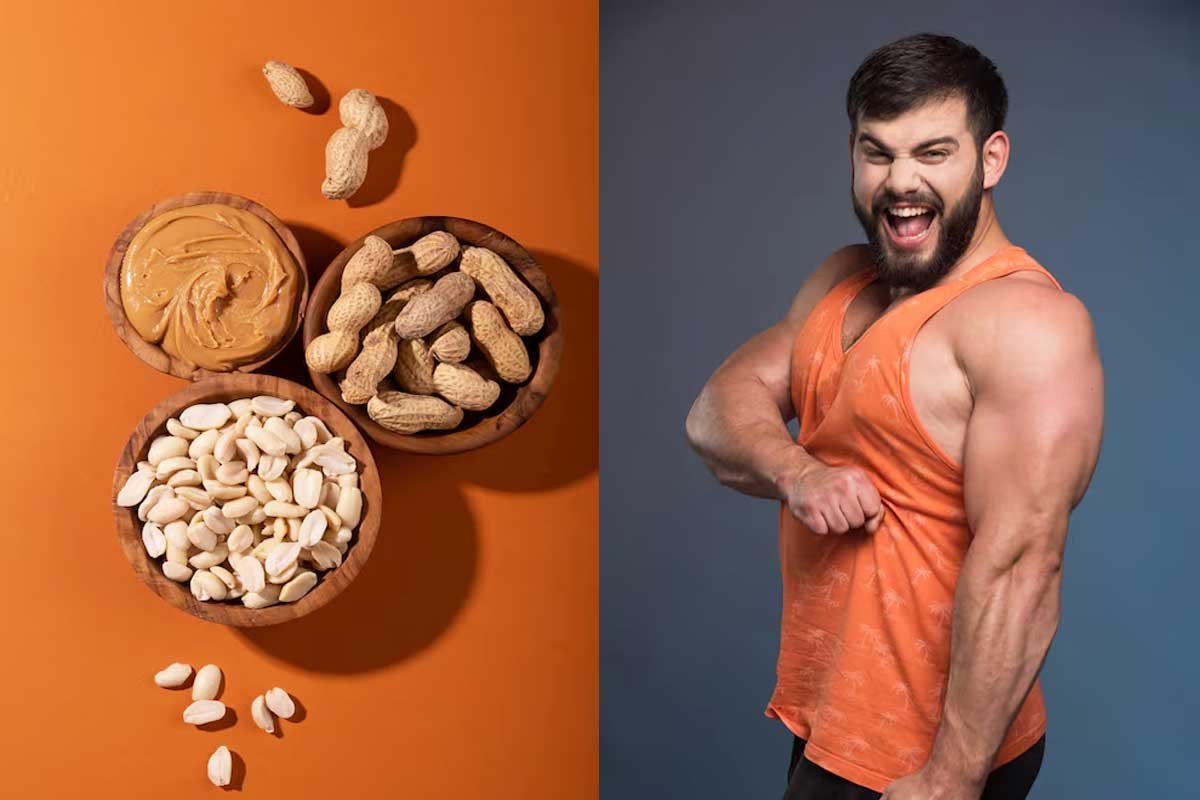
Is peanut butter good for weight loss? The answer is yes, it can be, but the portion size and the type of peanut butter you choose matter. Peanut butter is calorie-dense, yet it also provides protein, fat, and other nutrients that may help make meals and snacks more satisfying.
The key is not to think of peanut butter as a special weight-loss food. Weight loss depends largely on maintaining a calorie deficit over time, while the quality and balance of your diet can make that process easier to follow.
A small serving of peanut butter can work well with foods such as whole-grain toast, fruit, oatmeal, or yogurt. However, large spoonfuls can quickly add hundreds of calories to your daily intake.
So, is peanut butter good for weight loss? It can be a smart choice when eaten in sensible portions and included as part of an overall balanced eating pattern.
Quick Answer: Is Peanut Butter Good for Weight Loss?
Yes, peanut butter can be included in a weight-loss diet, but it is not a magic food for losing fat.
Peanut butter contains protein and healthy unsaturated fats, which can make it a satisfying addition to meals and snacks. However, it is also relatively high in calories, so eating too much can make it harder to maintain the calorie deficit needed for weight loss.
For many people, a practical serving is around 1 tablespoon (about 16 grams). If you enjoy peanut butter, the goal is not necessarily to eliminate it but to control the portion and choose a nutritious variety.
Table of Contents
Is Peanut Butter Good for Weight Loss?
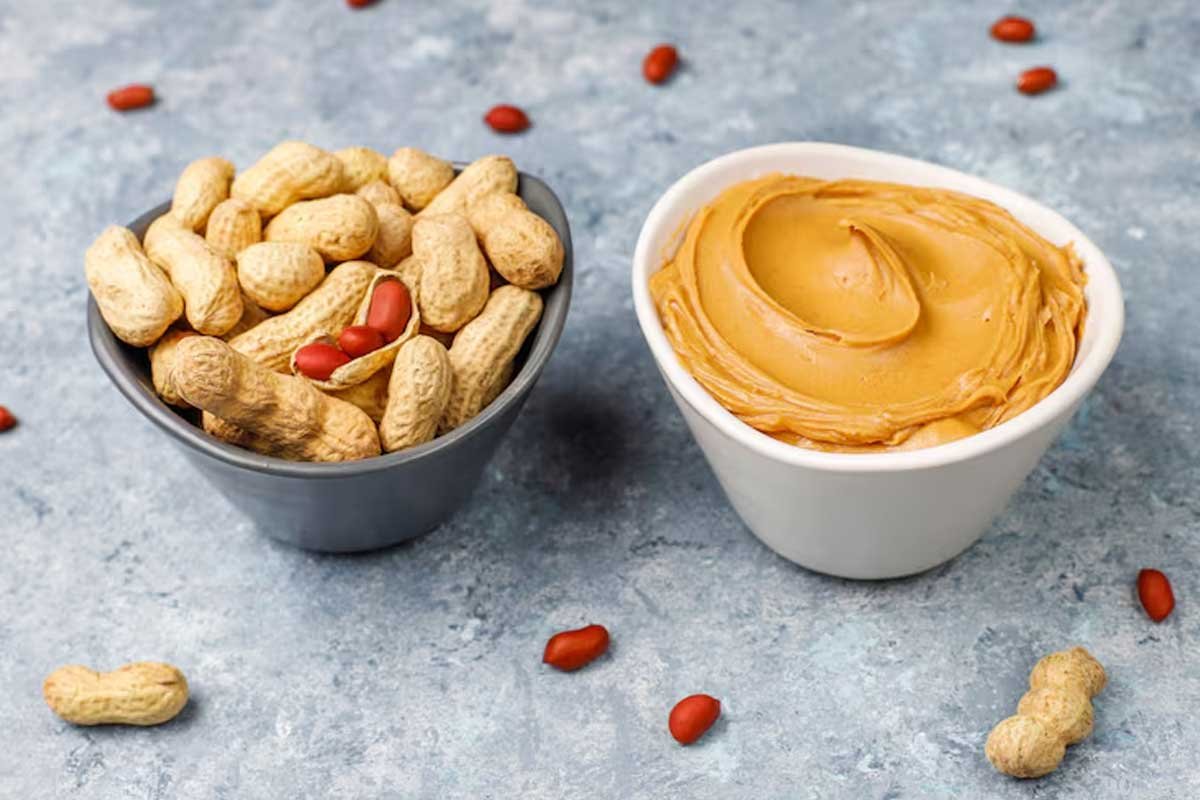
Peanut butter can be good for weight loss when consumed in moderation. Its combination of protein and fat can make it more satisfying than many highly processed snack foods, potentially making it easier to manage hunger between meals.
However, peanut butter is also energy-dense, meaning a relatively small amount contains a significant number of calories. This is why portion control is particularly important if your goal is to lose weight.
For example, spreading a measured tablespoon of peanut butter on whole-grain toast can be a reasonable breakfast or snack. Eating several unmeasured spoonfuls directly from the jar can turn a small snack into a much larger calorie intake without you realizing it.
The bigger picture matters, too. Your total daily calorie intake, physical activity, sleep, food choices, and consistency all influence weight management. No single food automatically causes weight loss or weight gain.
9 Things to Know About Peanut Butter and Weight Loss
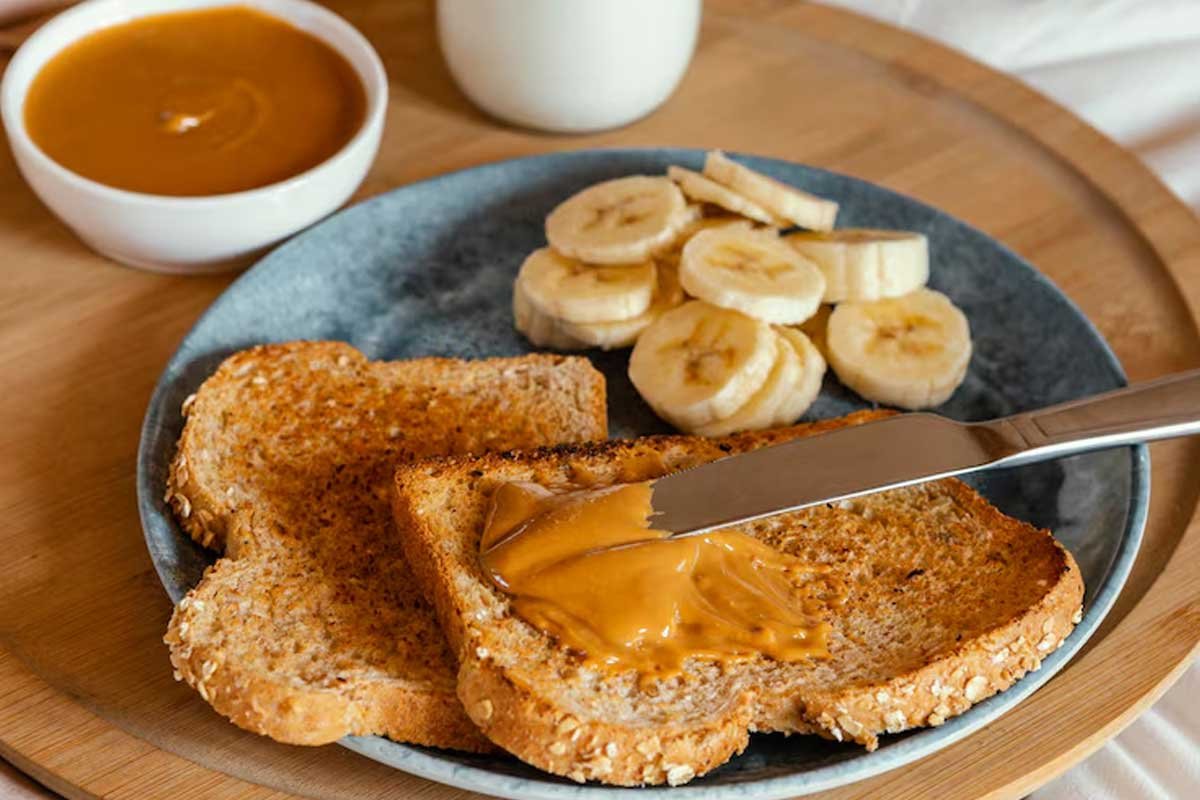
If you enjoy peanut butter and are trying to lose weight, these 9 important points can help you use it more wisely.
1. Peanut Butter Contains Protein
One reason peanut butter can fit into a weight-loss diet is its protein content.
Protein is an important nutrient for maintaining muscle and supporting fullness. Although peanut butter is not as protein-rich as foods such as eggs, Greek yogurt, chicken, fish, or legumes, it can still contribute some protein to a meal or snack.
Pairing peanut butter with another nutritious protein source can make a meal more balanced. For example, you could combine a small amount of peanut butter with Greek yogurt or add it to oatmeal alongside other protein-rich ingredients.
2. It Contains Healthy Fats
Peanut butter contains a significant amount of fat, including mostly unsaturated fats.
Dietary fat is important for normal body functions and can contribute to the satisfaction you get from a meal. Foods containing fat may also help make meals feel more substantial.
But healthy fat still contains calories. This means that even nutritious foods can contribute to excess calorie intake when portions become too large.
For weight loss, the goal is not to avoid all fat. Instead, focus on reasonable portions and overall dietary balance.
3. Peanut Butter Is High in Calories
This is one of the most important things to remember when eating peanut butter for weight loss.
A typical 2-tablespoon serving contains roughly 180-200 calories, although the exact amount varies between brands and products. Because peanut butter is dense, it is easy to eat more than one serving without noticing.
For someone trying to lose weight, measuring your portion can make a big difference.
Instead of grabbing a large spoon and estimating, try using a measuring tablespoon. This simple habit can help you understand how much you are actually eating.
4. Portion Size Matters More Than You Think
When it comes to peanut butter and weight loss, portion control is crucial.
A tablespoon may look small, but peanut butter contains a lot of calories in a relatively compact amount. Two or three generous spoonfuls can provide significantly more calories than you may expect.
A practical approach is to start with 1 tablespoon and adjust based on your overall meal and calorie needs.
You do not necessarily need to avoid 2 tablespoons if they fit comfortably within your daily diet. What matters is how the portion fits into your total calorie intake.
5. It May Help Make Snacks More Satisfying
Peanut butter can be useful when you want a snack that feels more satisfying than a low-nutrient, highly processed option.
For example, an apple alone provides carbohydrates and fiber, while adding a small amount of peanut butter provides fat and protein as well.
This combination can create a more substantial snack and may help some people feel satisfied for longer.
However, individual responses vary. If peanut butter makes you want to keep eating more, it may not be the best snack choice for you.
6. Choose Peanut Butter With a Simple Ingredient List
Not all peanut butter products are identical.
Some varieties contain added sugar, additional oils, salt, or other ingredients. These products can still fit into a healthy diet, but if you want a simple option, look for peanut butter made primarily from peanuts, with little or no added sugar.
Natural peanut butter can be a good option, but always check the nutrition label rather than assuming a product is automatically healthier because it says “natural.”
Also remember that reduced-fat peanut butter is not automatically better for weight loss. Removing fat may change the product’s texture and flavor, and some reduced-fat products compensate with other ingredients.
7. What You Eat With Peanut Butter Matters
Peanut butter itself is only one part of the meal.
A tablespoon of peanut butter paired with an apple, berries, whole-grain toast, or oatmeal can create a very different meal from peanut butter combined with sugary spreads, refined bread, or high-calorie desserts.
For weight loss, consider pairing peanut butter with fiber-rich and minimally processed foods.
Good combinations include:
| Peanut Butter | Pair It With |
|---|---|
| 1 tablespoon | Apple slices |
| 1 tablespoon | Banana slices |
| 1 tablespoon | Whole-grain toast |
| 1 tablespoon | Oatmeal |
| 1 tablespoon | Greek yogurt |
| 1 tablespoon | Celery or other crunchy vegetables |
The best combination depends on your dietary needs, preferences, and total calorie intake.
8. You Do Not Need to Eat Peanut Butter Every Day
If you love peanut butter, there is no requirement to eat it every day to get results.
Weight loss does not depend on eating a particular food daily. What matters more is the overall pattern of your diet and whether you can maintain it consistently.
You can enjoy peanut butter several times a week, occasionally, or daily in a controlled portion if it fits your nutritional needs.
Variety is also useful. Rotate different sources of protein and healthy fats, such as nuts, seeds, eggs, yogurt, fish, legumes, and other nutritious foods.
9. Peanut Butter Can Fit Into a Calorie-Deficit Diet
Ultimately, the answer to is peanut butter good for weight loss comes down to how it fits into your overall diet.
If your meals provide appropriate portions of protein, vegetables, fruits, whole grains, and other nutrient-dense foods, a small serving of peanut butter can easily be included.
The biggest mistake is treating peanut butter as either a “weight-loss food” or a “bad food.” It is simply a calorie-dense, nutrient-containing food that can be used in different ways.
You can lose weight while eating peanut butter if your overall eating pattern supports your calorie and nutrition goals.
How Many Calories Are in Peanut Butter?
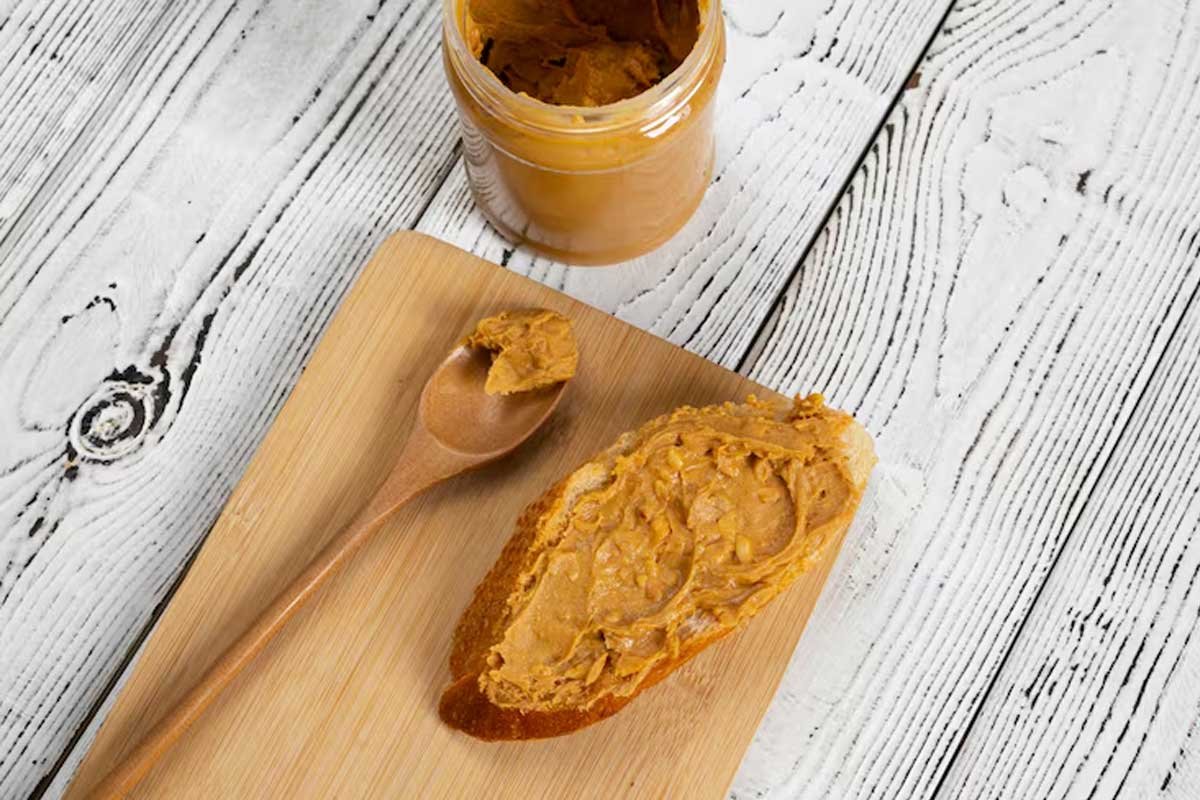
Peanut butter is relatively high in calories because it contains a substantial amount of fat.
A typical serving of 2 tablespoons (about 32 grams) provides approximately:
| Nutrient | Approximate Amount |
| Calories | 180-200 |
| Protein | 7-8 g |
| Fat | 15-17 g |
| Carbohydrates | 6-8 g |
| Fiber | 1-2 g |
Exact values vary depending on the brand and recipe, so checking the nutrition label is the best way to know what you are eating.
If you are trying to lose weight, the calories in peanut butter are not necessarily a problem. The important factor is whether the serving fits within your overall daily calorie needs.
Also Read: What to Drink to Lose Belly Fat in 1 Week: 7 Best Choices
Does Peanut Butter Keep You Full?
Peanut butter may help with fullness because it contains a combination of protein, fat, and a small amount of fiber.
However, fullness is influenced by many factors, including the size of the meal, total protein and fiber intake, food volume, hydration, sleep, and individual appetite.
This means peanut butter should not be viewed as a guaranteed appetite-control food.
A useful strategy is to combine a small portion of peanut butter with foods that provide more volume and fiber. For example, apple slices with peanut butter can be more substantial than eating peanut butter alone.
Can Peanut Butter Help Control Hunger?
For some people, yes. A balanced snack containing peanut butter may be more satisfying than a snack made mainly from refined carbohydrates or added sugar.
For example, instead of reaching for cookies when you are hungry between meals, you might choose an apple with 1 tablespoon of peanut butter.
The goal is not simply to add peanut butter to everything you eat. It is to use a controlled amount to make an already nutritious meal or snack more satisfying.
If you are consistently hungry despite eating enough food, look at your overall diet rather than relying on peanut butter alone.
Which Type of Peanut Butter Is Best for Weight Loss?
For weight loss, there is no single peanut butter brand that everyone needs to buy.
A good starting point is to choose a product with a simple ingredient list and compare the nutrition labels.
Look for:
- Peanuts as the main ingredient
- Little or no added sugar
- A reasonable amount of sodium
- No unnecessary ingredients if you prefer a simpler product
- A calorie level that fits your portion and diet
Creamy and crunchy peanut butter can both work. The better choice is the one you enjoy and can eat in an appropriate portion.
Most importantly, portion size matters more than whether the peanut butter is creamy or crunchy.
How Much Peanut Butter Should You Eat for Weight Loss?

There is no universal amount that guarantees weight loss.
For many people, 1 tablespoon (about 16 grams) is a practical starting portion, while 2 tablespoons may also fit into a balanced diet depending on individual calorie needs.
If you are tracking calories, weigh or measure your serving rather than estimating.
Remember that your ideal portion depends on your overall diet, activity level, hunger, and calorie requirements.
Best Ways to Add Peanut Butter to a Weight-Loss Diet
Instead of eating peanut butter straight from the jar, try incorporating a measured portion into a balanced meal.
Some simple options include:
- Peanut butter with apple slices
- Whole-grain toast with peanut butter and banana
- A small amount mixed into oatmeal
- Peanut butter added to Greek yogurt
- A peanut butter and berry smoothie without added sugar
- Peanut butter spread on whole-grain crackers
The key is to keep the portion controlled and avoid turning a nutritious snack into a high-calorie meal through excessive additions.
Common Mistakes When Eating Peanut Butter for Weight Loss
One of the biggest mistakes is underestimating portion size. A spoonful from the jar can easily become two or three servings.
Another common mistake is assuming that “natural,” “organic,” or “reduced-fat” automatically means the product will help you lose weight.
Finally, some people add peanut butter to an already calorie-heavy meal without accounting for the extra calories. Even healthy foods can make weight loss harder when total intake consistently exceeds your needs.
Benefits of Peanut Butter for Weight Loss
When used in the right portion, peanut butter can offer several nutritional advantages for people trying to manage their weight.
It Provides a Combination of Protein and Fat
Peanut butter contains both protein and dietary fat, two nutrients that can make a meal or snack more satisfying. This can be useful when you want something more substantial than a snack made mostly from refined carbohydrates.
However, peanut butter should complement your diet rather than replace more protein-rich foods.
It Can Make Healthy Foods More Enjoyable
Eating nutritious foods consistently becomes easier when you actually enjoy them. A small amount of peanut butter can add flavor and creaminess to foods such as oatmeal, apples, bananas, whole-grain toast, and Greek yogurt.
This can make simple meals more appealing without requiring large amounts of added sugar.
It Is Convenient
Peanut butter requires little preparation and can be stored for relatively long periods. This makes it a convenient option for busy mornings or quick snacks.
Having nutritious, portion-controlled foods available can make it easier to avoid less nutritious choices when hunger strikes.
It Contains Important Nutrients
Peanuts naturally provide several nutrients, including magnesium, vitamin E, niacin, and other plant compounds. Peanut butter can therefore contribute useful nutrients to the diet when consumed as part of a balanced eating pattern.
Still, it should not be treated as a replacement for a varied diet containing fruits, vegetables, whole grains, legumes, and other protein sources.
Also Read: Black Coffee for Weight Loss: Does It Really Work?
Are There Any Risks or Side Effects?
For most people, moderate amounts of peanut butter can fit comfortably into a balanced diet. However, there are several things to consider.
Peanut Allergy
People with a peanut allergy should avoid peanut butter unless their healthcare professional has specifically advised otherwise.
Peanut allergy can cause serious reactions, so anyone with a known allergy should carefully check food labels and avoid products that may contain peanuts or cross-contact with them.
Too Many Calories
The biggest concern for weight loss is usually portion size.
Because peanut butter is calorie-dense, eating several large spoonfuls can add a substantial number of calories to your day.
If your weight has stopped decreasing despite otherwise healthy eating, check whether calorie-dense foods such as peanut butter, nuts, oils, dressings, and snacks are being consumed in larger portions than you realize.
Added Sugar and Sodium
Some peanut butter products contain added sugar or significant amounts of sodium.
These ingredients do not automatically make a product unhealthy, but comparing labels can help you choose an option that better matches your dietary goals.
Digestive Discomfort
Some people may experience digestive discomfort after eating larger amounts of peanut butter, particularly if their overall diet is low in fiber and they suddenly increase their intake of nuts and nut products.
If peanut butter consistently causes discomfort, consider reducing the portion or discussing persistent symptoms with a healthcare professional.
Who Should Avoid or Limit Peanut Butter?
Peanut butter may not be appropriate for everyone.
People with a peanut allergy should avoid it. Those following a medically prescribed diet may also need to consider its calorie, fat, carbohydrate, or sodium content depending on their individual needs.
People trying to lose weight do not necessarily need to eliminate peanut butter. Instead, they may benefit from measuring portions and accounting for the calories within their overall eating plan.
If you have a medical condition or specific dietary restriction, follow the advice provided by your healthcare professional.
What Is the Best Time to Eat Peanut Butter for Weight Loss?
There is no scientifically established “best time” to eat peanut butter for weight loss.
The most important factors are your total calorie intake, food quality, portion sizes, and consistency.
That said, different times of day may work better for different people.
Peanut Butter at Breakfast
Adding a measured amount of peanut butter to oatmeal, whole-grain toast, or fruit can make breakfast more satisfying.
For example, whole-grain toast with 1 tablespoon of peanut butter and sliced banana can provide carbohydrates, fat, and protein in one simple meal.
Peanut Butter as a Snack
A small portion of peanut butter with an apple or another piece of fruit can be a convenient snack.
This can be particularly useful if you tend to become very hungry between meals and want something more substantial.
Peanut Butter Before or After Exercise
Peanut butter can also be included around workouts, depending on your overall diet and exercise goals.
For a pre-workout snack, a small amount with a carbohydrate source such as banana or toast may work well for some people.
After exercise, peanut butter can contribute some protein and calories, but it is not a complete post-workout protein source. Foods such as Greek yogurt, eggs, milk, fish, poultry, tofu, or other protein-rich foods may provide more protein.
Best Ways to Eat Peanut Butter for Weight Loss

The easiest way to make peanut butter work in a weight-loss diet is to combine it with foods that provide fiber, protein, or greater food volume.
1. Apple With Peanut Butter
Slice an apple and serve it with 1 tablespoon of peanut butter.
This combination provides fruit, fiber, carbohydrates, fat, and some protein while keeping the peanut butter portion controlled.
2. Peanut Butter and Oatmeal
Add a measured spoonful of peanut butter to oatmeal for extra flavor and richness.
You can also add berries, chia seeds, or sliced fruit for additional fiber and nutrients.
3. Whole-Grain Toast
Spread 1 tablespoon of peanut butter over whole-grain toast.
For additional flavor, add banana slices or a small amount of cinnamon rather than sugary spreads.
4. Greek Yogurt and Peanut Butter
Mix a small amount of peanut butter into plain Greek yogurt.
This combination can provide substantially more protein than peanut butter alone and can work as a filling breakfast or snack.
5. Peanut Butter Smoothie
A small amount of peanut butter can be blended with milk or an unsweetened milk alternative, fruit, and Greek yogurt.
Be careful with smoothies, though. Ingredients such as honey, large amounts of nut butter, full-fat dairy, and sweetened powders can quickly increase the calorie content.
Peanut Butter Nutrition: What to Look For
Nutrition labels vary between brands, so there is no single nutritional profile for every peanut butter product.
A typical 2-tablespoon serving provides roughly 180-200 calories, around 7-8 grams of protein, and approximately 15-17 grams of fat.
| Nutrient | Typical 2-Tbsp Serving |
|---|---|
| Calories | About 180-200 |
| Protein | About 7-8 g |
| Total Fat | About 15-17 g |
| Carbohydrates | About 6-8 g |
| Fiber | About 1-2 g |
These numbers are approximate. Always check the nutrition label of the specific product you buy.
If you normally eat only 1 tablespoon, remember that the calories and nutrients will be roughly half of the 2-tablespoon serving, although exact values can vary.
Peanut Butter vs Other Nut Butters for Weight Loss
Peanut butter is not necessarily better or worse than every other nut butter for weight loss.
Almond butter, cashew butter, and other nut butters can also contain substantial amounts of calories and fat. The nutritional differences between products are often less important than portion size and the overall quality of your diet.
| Nut Butter | Weight-Loss Consideration |
| Peanut butter | Affordable, protein-containing, calorie-dense |
| Almond butter | Nutrient-rich, calorie-dense |
| Cashew butter | Creamy and calorie-dense |
| Mixed nut butter | Can provide varied nutrients, check ingredients |
If you enjoy peanut butter and can control the portion, there is generally no reason to switch solely because you are trying to lose weight.
Common Mistakes to Avoid
Mistake 1: Eating It Straight From the Jar
This is one of the easiest ways to underestimate your intake.
A tablespoon can quickly become two or three without you noticing.
Mistake 2: Assuming Healthy Means Low-Calorie
Peanut butter contains beneficial nutrients, but healthy does not mean calorie-free.
Foods can be nutritious and still contribute significantly to your calorie intake.
Mistake 3: Choosing Peanut Butter Only Because It Says “Natural”
“Natural” on the front of a package does not automatically mean the product is lower in calories.
Look at the complete nutrition label and ingredient list.
Mistake 4: Adding It to Everything
Peanut butter on toast, in oatmeal, in a smoothie, and as a snack can add up quickly.
If you are struggling with calorie control, look at your total daily intake rather than focusing on individual foods.
Mistake 5: Replacing Protein-Rich Foods With Peanut Butter
Peanut butter contains protein, but it is not as protein-dense as many foods commonly used to support muscle maintenance.
Include a variety of protein sources in your diet instead of relying heavily on peanut butter.
Also Read: Is Chickpeas Good for Weight Loss? Calories & Benefits
Can You Eat Peanut Butter Every Day and Still Lose Weight?
Yes, you can eat peanut butter every day and still lose weight if your overall calorie intake supports weight loss.
Eating peanut butter daily does not automatically stop fat loss. Likewise, eating it only occasionally does not guarantee weight loss.
What matters is how the food fits into your overall eating pattern.
For someone who enjoys peanut butter, a measured daily serving can be perfectly reasonable. The important part is keeping the portion appropriate and making sure the rest of the diet provides enough protein, fiber, fruits, vegetables, whole grains, and other nutrient-dense foods.
Is Peanut Butter Good for Belly Fat?
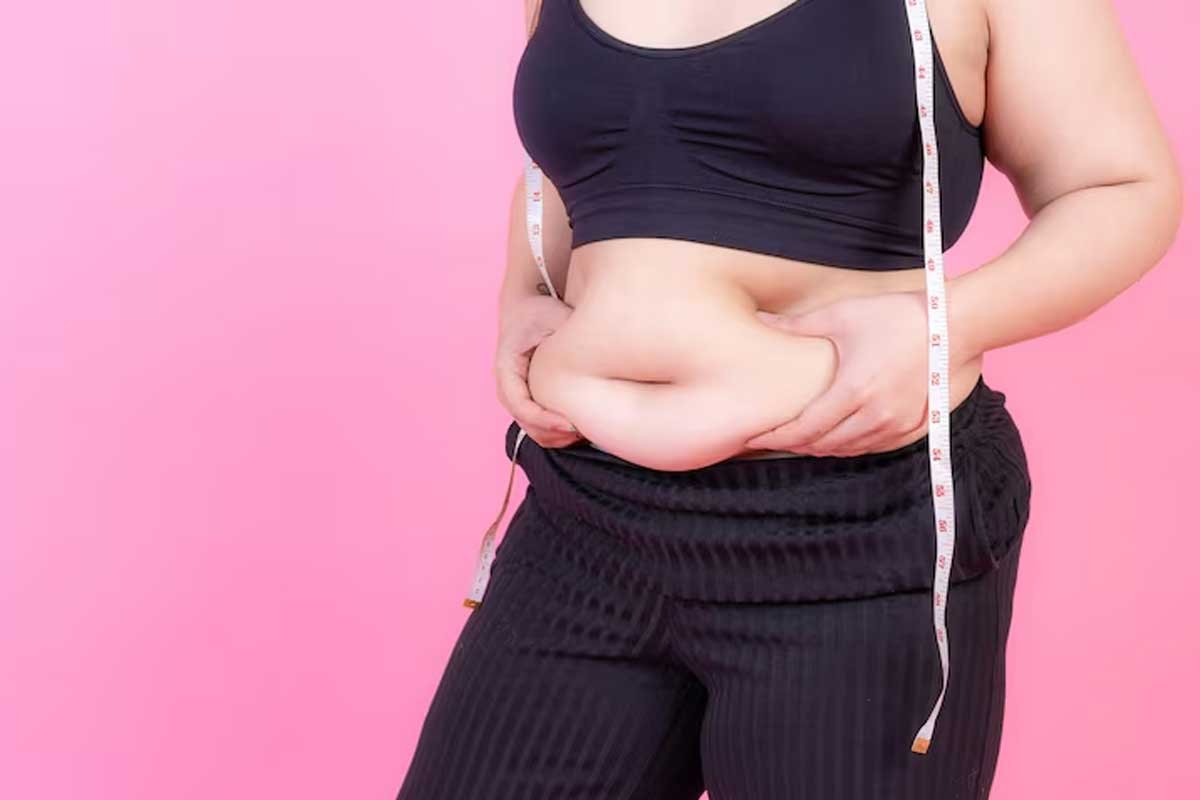
Peanut butter does not specifically burn or target belly fat.
When body fat decreases, where you lose fat first or last is influenced by factors such as genetics, hormones, age, sex, and overall body composition.
Instead of looking for foods that specifically melt belly fat, focus on sustainable habits such as maintaining an appropriate calorie deficit, eating enough protein and fiber, staying physically active, and getting adequate sleep.
Peanut butter can be part of that overall approach, but it should not be considered a belly-fat-burning food.
Frequently Asked Questions
Q1. Is peanut butter good for weight loss?
Yes, peanut butter can be part of a weight-loss diet when eaten in a controlled portion. It provides protein and unsaturated fats, but it is also high in calories, so portion size matters.
Q2. How much peanut butter should I eat for weight loss?
For many people, 1 tablespoon (about 16 grams) is a practical portion. Two tablespoons can also fit into a weight-loss diet if they are accounted for within your overall calorie intake.
Q3. Can I eat peanut butter every day and still lose weight?
Yes. Eating peanut butter every day does not automatically prevent weight loss. What matters is your overall calorie intake, portion size, food quality, and consistency.
Q4. Does peanut butter help reduce belly fat?
Peanut butter does not specifically burn belly fat. No single food can selectively target abdominal fat. Reducing overall body fat through sustainable eating and physical activity is the more appropriate approach.
Q5. Is peanut butter high in calories?
Yes. A typical 2-tablespoon serving contains around 180-200 calories, although the exact amount varies by brand. This is why measuring your serving can be particularly useful during weight loss.
Q6. What is the best peanut butter for weight loss?
A suitable choice is often peanut butter with a simple ingredient list and little or no added sugar, depending on your dietary preferences. However, portion size is more important than choosing a product marketed specifically for weight loss.
Q7. Is peanut butter good before a workout?
Peanut butter can be included in a pre-workout snack, particularly when paired with a carbohydrate source such as banana or whole-grain toast. The ideal choice depends on the timing and intensity of your workout and your individual tolerance.
Q8. Can I eat peanut butter at night while trying to lose weight?
Yes. Eating peanut butter at night does not automatically cause weight gain. Your overall calorie intake and dietary pattern matter more than the specific time you eat it.
Q9. Is natural peanut butter better for weight loss?
Natural peanut butter can be a good option if you prefer a simpler ingredient list, but it is not automatically a weight-loss food. Calories and portion size still matter, regardless of the product label.
Q10. What can I eat with peanut butter for weight loss?
Good options include apple slices, banana, oatmeal, whole-grain toast, Greek yogurt, and berries. Pairing peanut butter with nutrient-dense foods can create a more balanced snack or meal.
Conclusion
So, is peanut butter good for weight loss? Yes, it can be.
Peanut butter provides protein, unsaturated fats, and useful nutrients, making it a nutritious addition to many meals and snacks. However, its calorie density means that portion control is essential, especially when your goal is to lose weight.
You do not need to completely avoid peanut butter to make progress. A measured serving paired with foods such as fruit, oatmeal, Greek yogurt, or whole-grain toast can fit into a balanced eating pattern.
The most important thing is to look beyond individual foods. Sustainable weight loss comes from your overall diet, calorie balance, physical activity, sleep, and long-term consistency.
If you enjoy peanut butter, keep it in your diet in a way that works for your calorie and nutrition goals rather than treating it as either a miracle weight-loss food or something you must completely avoid.
Medical Disclaimer
This article is for general informational and educational purposes only and is not a substitute for professional medical advice, diagnosis, or treatment. Individual nutrition and calorie needs can vary based on age, activity level, health status, medications, and other factors. If you have a peanut allergy, a medical condition, or specific dietary requirements, speak with a qualified healthcare professional or registered dietitian before making significant changes to your diet.

I am Danish, the creator of Health Update 24. I write about health, nutrition, fitness, and healthy lifestyle topics, sharing simple, practical, and well-researched information to help readers make informed decisions about their well-being. Know More