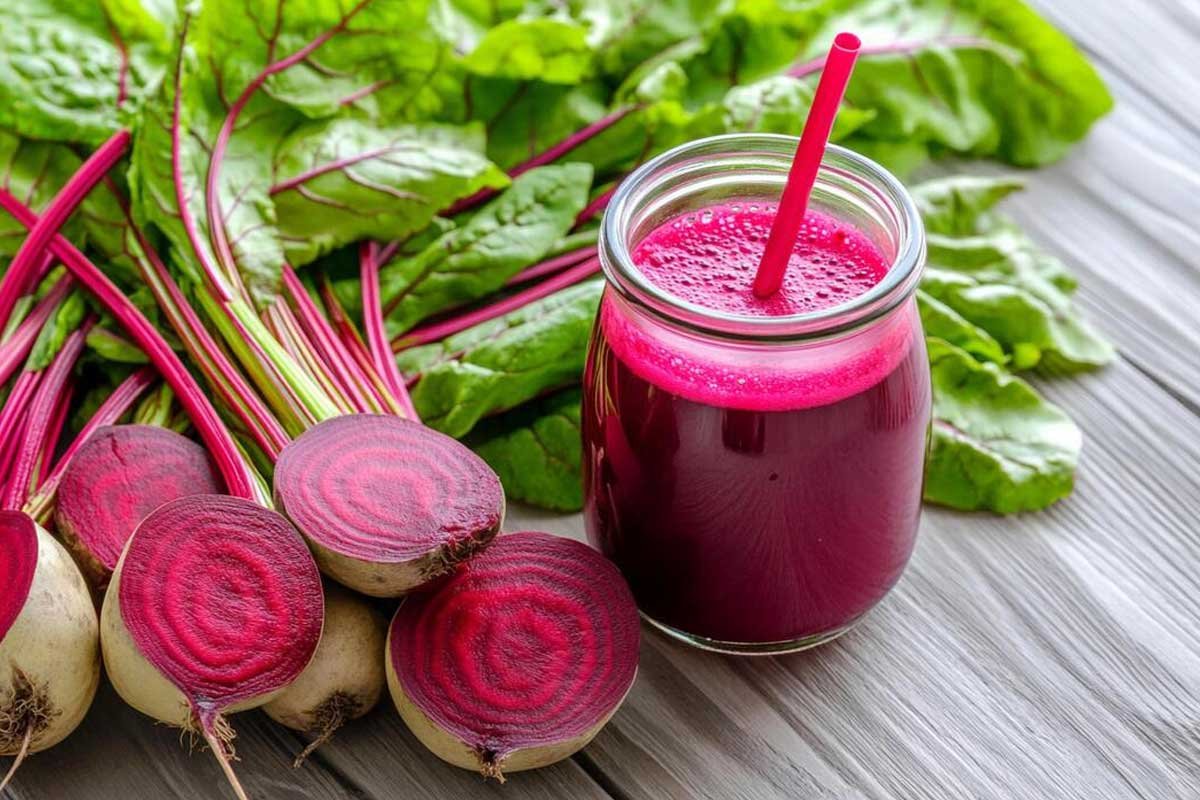
If you are looking for beetroot juice benefits for weight loss, you may have seen claims that this bright red drink can help burn belly fat or speed up metabolism. The reality is more balanced: beetroot juice is not a magic fat-burning drink, but it can fit into a healthy weight-loss plan.
Beetroot contains naturally occurring nitrates, antioxidants and other plant compounds. When beetroot is made into juice, these nutrients remain, although much of the fibre found in whole beetroot is lost. Its nitrate content may support blood flow and exercise performance, which can indirectly make an active lifestyle easier to maintain.
For weight management, however, the basics still matter most: overall calorie intake, food quality, protein, fibre, physical activity, sleep and consistency.
Quick Answer: Is Beetroot Juice Good for Weight Loss?
Beetroot juice can be good for weight loss when consumed in moderation, especially as part of an overall healthy diet. However, it does not directly melt body fat or cause meaningful weight loss on its own.
Its potential value comes mainly from its nutritional profile and naturally occurring nitrates. These compounds may support exercise efficiency and blood flow, which can be useful for people who are physically active.
For better appetite control, whole beetroot may be more filling than beetroot juice because whole vegetables provide substantially more fibre.
Table of Contents
What Is Beetroot Juice?
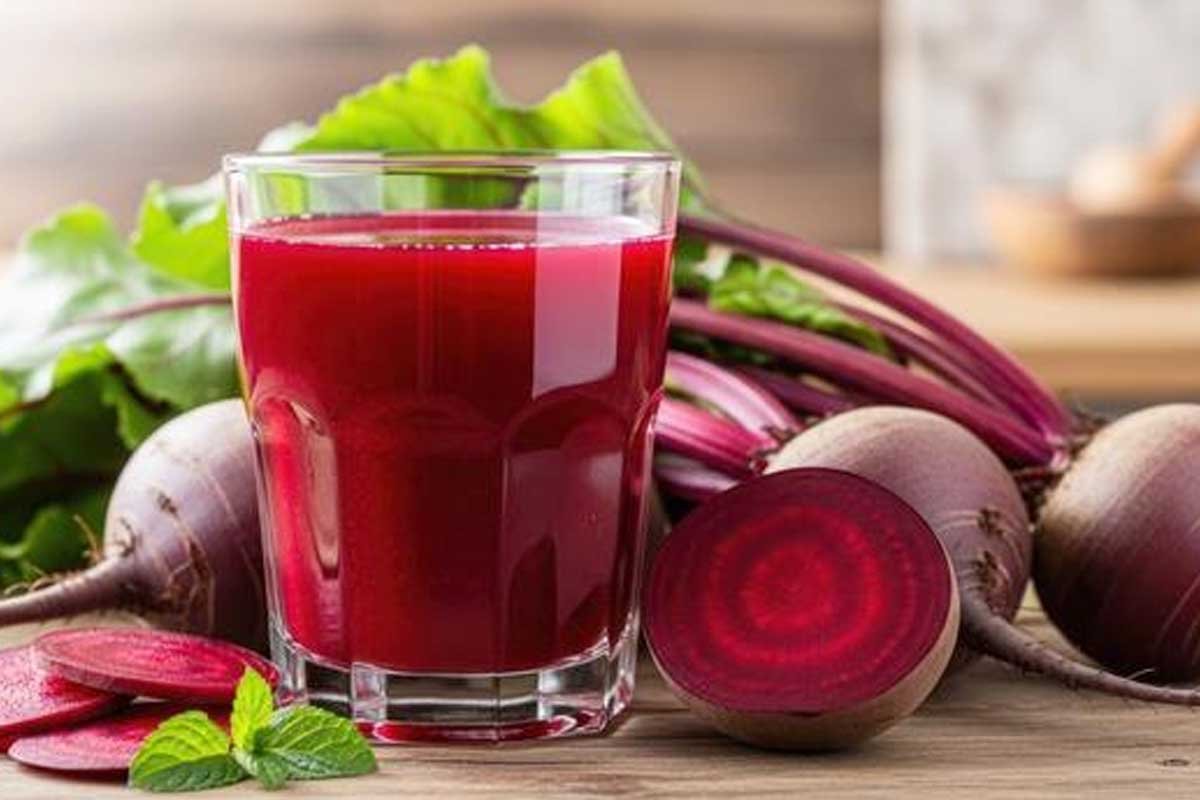
Beetroot juice is a drink made by extracting liquid from fresh beetroot. It has a naturally sweet and earthy taste and is commonly consumed on its own or combined with ingredients such as lemon, ginger, cucumber or apple.
One of the most interesting components of beetroot is its naturally occurring dietary nitrate. The body can convert nitrate into compounds involved in the production of nitric oxide, which plays a role in blood vessel function and blood flow.
Beetroot also contains compounds such as betalain pigments, which are responsible for its deep red or purple colour and contribute antioxidant activity.
However, juicing changes the nutritional characteristics of the vegetable. Whole beetroot contains more fibre, while beetroot juice is easier and quicker to consume.
Beetroot Juice Benefits for Weight Loss
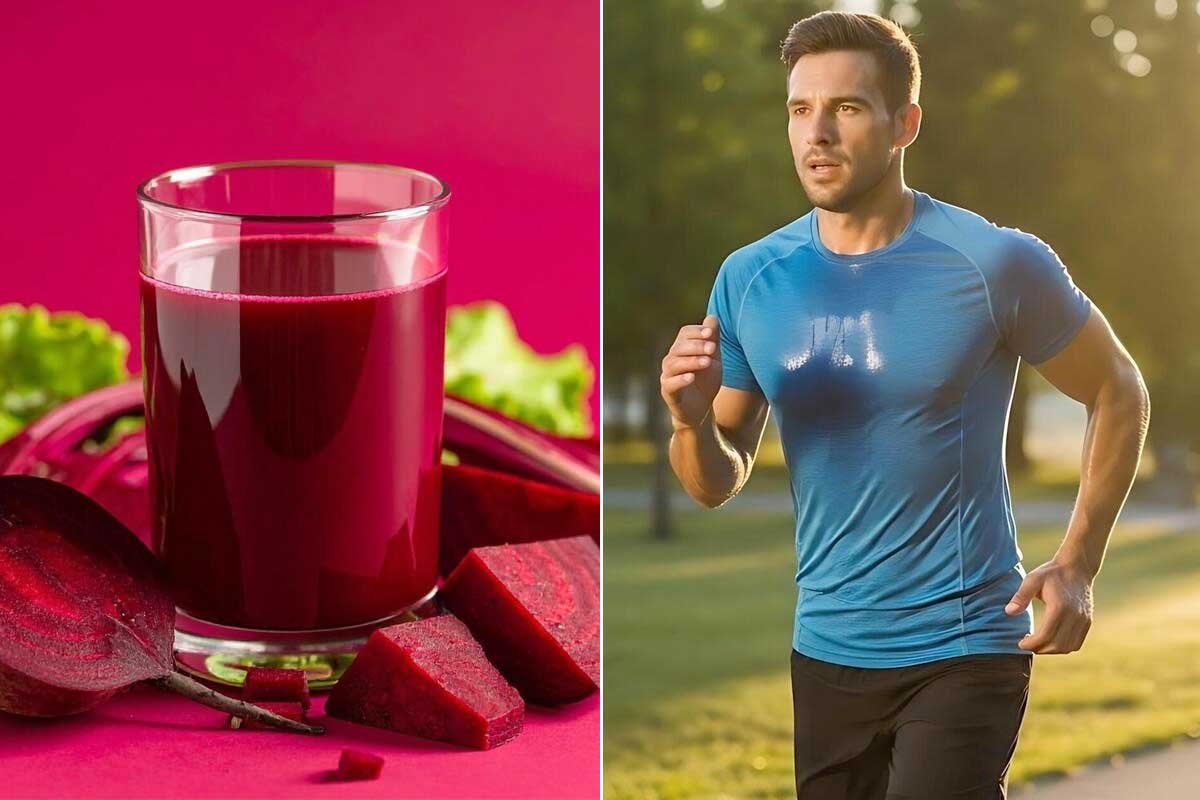
The potential beetroot juice benefits for weight loss should be understood as supportive rather than direct. Drinking beetroot juice does not automatically create a calorie deficit or cause fat loss.
Here are the most relevant ways it may fit into a weight-management routine.
1. It May Support Exercise Performance
Beetroot is naturally rich in nitrate. Research on dietary nitrate suggests that it may improve certain aspects of exercise efficiency, particularly during endurance or high-intensity physical activity.
This matters for weight management because regular exercise increases energy expenditure and supports overall fitness. However, beetroot juice is not a substitute for exercise. Its potential benefit is best viewed as an addition to an already active lifestyle.
2. It Can Be a Nutrient-Rich Alternative to Sugary Drinks
Replacing soft drinks, sweetened beverages or other high-calorie drinks with an unsweetened vegetable-based drink can make it easier to control overall calorie intake.
This is especially relevant if your usual beverages contain added sugar. The important distinction is that plain beetroot juice is different from beetroot juice drinks containing added sugar, syrups or large amounts of fruit juice.
3. It Provides Useful Plant Compounds
Beetroot contains naturally occurring compounds with antioxidant properties. These compounds contribute to the nutritional value of the vegetable.
A weight-loss diet should not focus on one nutrient or ingredient. Instead, it should include a variety of vegetables, fruits, legumes, whole grains, protein sources and healthy fats. Beetroot juice can be one small part of that pattern.
4. It May Complement an Active Lifestyle
Some people consume beetroot juice before exercise because of its nitrate content. If it helps you feel more comfortable or efficient during certain workouts, it may indirectly support your ability to stay active.
Still, the overall amount and consistency of physical activity matter much more for weight loss than any individual drink.
5. It Can Add Variety to a Healthy Diet
Healthy eating does not need to be repetitive. Beetroot juice can provide variety when used alongside other nutrient-rich foods. You can combine it with ingredients such as cucumber, lemon, ginger or leafy greens without turning it into a heavily sweetened beverage.
Also Read: Bitter Gourd Juice Benefits for Diabetes: 7 Key Benefits
How Beetroot Juice May Support Weight Management
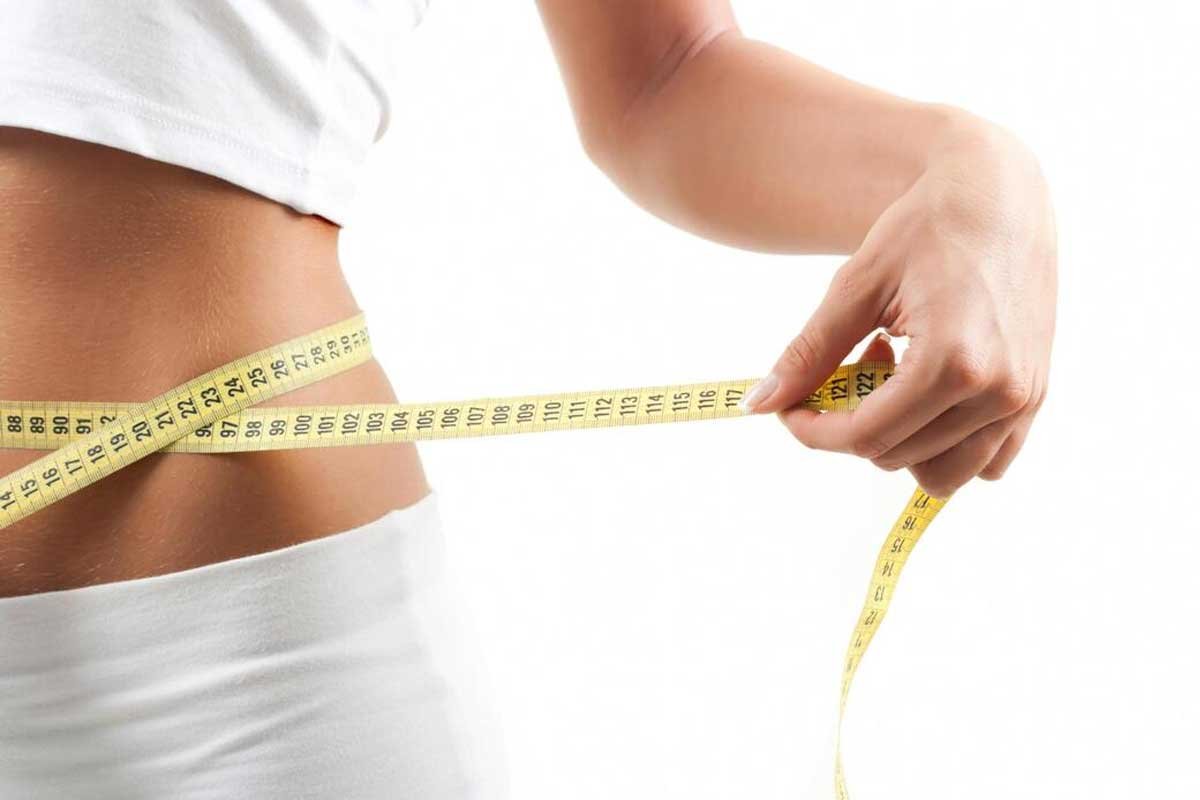
The key point is that weight loss occurs when your body consistently uses more energy than you consume over time. Beetroot juice does not bypass this principle.
Its possible role is indirect. For example, someone who replaces a sugary drink with a moderate serving of unsweetened beetroot juice may reduce their calorie intake. Someone who uses beetroot juice around exercise may also find it easier to maintain their training routine.
But if you add beetroot juice on top of an already calorie-sufficient diet, it may simply add extra calories. Think of beetroot juice as a supportive food choice, not a weight-loss treatment.
Is Beetroot Juice Good for Weight Loss?
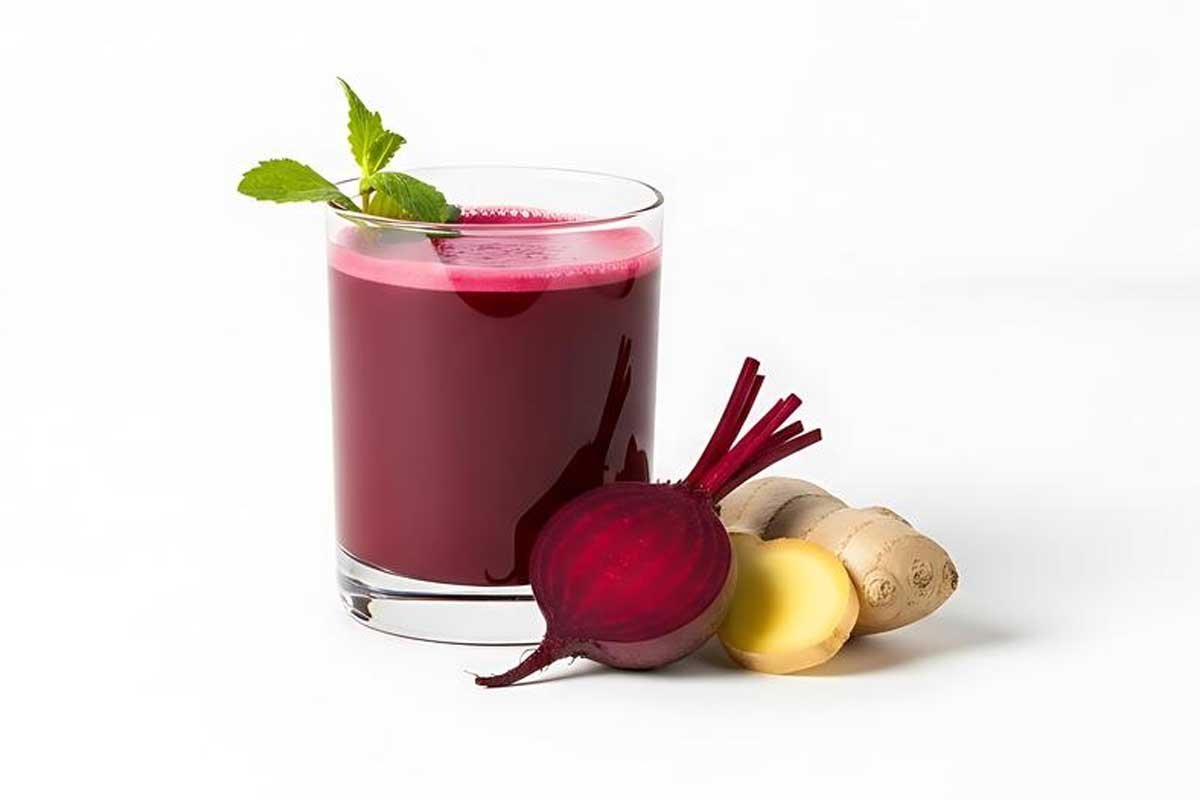
Yes, beetroot juice can be included in a weight-loss diet, but it should not be treated as a fat burner. For many people, the best approach is to keep the portion moderate and choose 100% beetroot juice without added sugar.
If your main goal is appetite control, whole beetroot may be a better everyday choice because chewing and digesting a whole vegetable provides more fibre and can be more filling. A simple approach is to use beetroot juice occasionally or strategically around physical activity while getting most of your vegetables from whole foods.
Best Time to Drink Beetroot Juice for Weight Loss
The best time to drink beetroot juice for weight loss depends on how you use it.
There is no scientifically established time of day when beetroot juice automatically causes more fat loss. Your overall diet and calorie intake matter far more than the clock.
Before Exercise
If you are drinking beetroot juice because of its nitrate content, consuming it before exercise may be a practical option. Some people choose to drink it a few hours before a workout because dietary nitrate needs time to be processed by the body.
However, individual responses vary. If you are trying it for the first time, avoid testing a large amount immediately before an important workout.
In the Morning
Beetroot juice can also be consumed in the morning if you enjoy it. There is nothing inherently wrong with drinking it on an empty stomach, but you do not need to drink it before breakfast to make it work for weight loss.
If it leaves you hungry soon afterward, pairing your breakfast with protein and fibre may be more useful for appetite control.
With a Meal
Having a small serving alongside a balanced meal is another option. This may be particularly useful if you prefer not to drink juice on an empty stomach.
Also Read: What to Drink to Lose Belly Fat in 1 Week: 7 Best Choices
How Much Beetroot Juice Should You Drink?
There is no universal weight-loss dose of beetroot juice.
A practical starting point for many healthy adults is around 120-240 mL (4-8 oz) of unsweetened beetroot juice, depending on the rest of the diet and individual tolerance.
More is not necessarily better. Large servings can increase calorie and natural sugar intake without providing a proportional weight-loss benefit. Commercial products can also vary considerably in their nutritional content.
If you have a medical condition or take medication that affects blood pressure or kidney function, discuss regular beetroot juice consumption with a healthcare professional.
Best Ways to Use Beetroot Juice for Weight Loss
Choose Unsweetened Beetroot Juice
Read the ingredient list before buying a packaged product. Look for 100% beetroot juice or beet juice with no added sugar when possible.
Some products marketed as beetroot drinks contain added fruit juice, sugar or other sweeteners, which can significantly change their calorie content.
Keep the Portion Moderate
A small glass is generally more appropriate than consuming a large bottle at once. Remember that liquid calories are often less filling than calories from whole foods.
Combine It With a Balanced Diet
Beetroot juice works best when the rest of your diet contains:
- Protein-rich foods
- High-fibre vegetables
- Whole grains or other minimally processed carbohydrates
- Healthy fats
- Whole fruits
- Adequate fluids
Consider Whole Beetroot
If your primary goal is appetite control, do not replace all whole vegetables with juice.
Whole beetroot provides fibre and greater chewing volume, which can make it more satisfying.
Beetroot Juice Nutrition Information
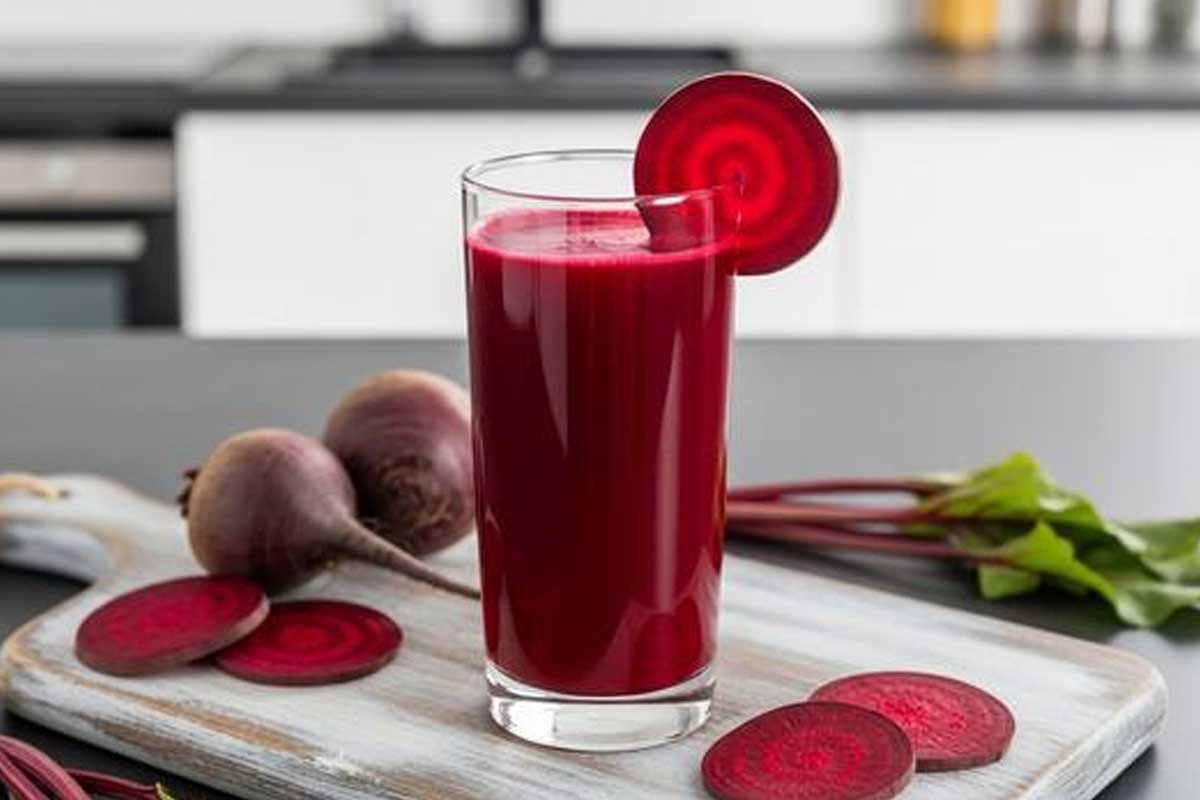
The exact nutritional content of beetroot juice depends on the amount of beetroot used, preparation method and whether other ingredients are added.
A typical serving of plain beetroot juice can provide carbohydrates and naturally occurring sugars along with small amounts of protein and other nutrients.
| Nutrient | What to Know |
|---|---|
| Calories | Varies with serving size and recipe |
| Carbohydrates | Naturally present, mainly from beetroot |
| Sugar | Naturally occurring sugar; added sugar varies by product |
| Fibre | Low compared with whole beetroot |
| Fat | Naturally very low |
| Protein | Present only in a small amount |
| Nitrates | Naturally occurring in beetroot |
| Antioxidant compounds | Naturally present in beetroot |
Always check the product label if you are buying packaged beetroot juice because nutritional values can differ substantially between brands.
Also Read: Bottle Gourd Juice for Weight Loss
Beetroot Juice Side Effects
For most healthy people, moderate amounts of beetroot juice are generally well tolerated. However, beetroot juice side effects can occur, particularly when large amounts are consumed.
Beeturia
Beetroot can turn urine pink, red or reddish-purple. This is known as beeturia and is usually harmless. It can also temporarily change the colour of bowel movements.
Stomach Discomfort
Some people may experience:
- Bloating
- Nausea
- Loose stools
- Stomach discomfort
These effects may be more noticeable after consuming a large amount.
Low Blood Pressure
Because nitrate-derived nitric oxide can influence blood vessel function, beetroot may contribute to lower blood pressure in some people.
If you already have low blood pressure or take blood-pressure-lowering medication, speak with a healthcare professional before regularly consuming concentrated beetroot juice.
Kidney Stone Considerations
Beetroot contains oxalates. People who have been advised to follow a low-oxalate diet or who have a history of certain kidney stones should discuss regular or high-volume beetroot consumption with a healthcare professional.
Who Should Avoid or Limit Beetroot Juice?
Beetroot juice may not be appropriate for everyone in large or frequent amounts.
Consider professional medical advice if you:
- Have low blood pressure
- Take medication that lowers blood pressure
- Have a history of certain kidney stones
- Have been advised to restrict oxalate-rich foods
- Have kidney-related dietary restrictions
- Experience digestive symptoms after drinking it
- Need to carefully manage carbohydrate or calorie intake
People with medical conditions should not use beetroot juice as a replacement for prescribed treatment or dietary advice.
For more information about beetroot’s nutrients, nitrates and potential health benefits, read this guide on beets and their health benefits.
Frequently Asked Questions
Q1. Is beetroot juice good for weight loss?
Beetroot juice can fit into a weight-loss diet, but it does not directly burn body fat. Its potential benefits are related to its nutrient content and possible support for exercise performance. Portion size and total calorie intake remain important.
Q2. Can beetroot juice reduce belly fat?
There is no good evidence that beetroot juice specifically targets belly fat. Losing abdominal fat generally requires overall body-fat reduction through sustainable nutrition, physical activity and other healthy lifestyle habits.
Q3. What is the best time to drink beetroot juice for weight loss?
There is no special time that guarantees weight loss. If you use beetroot juice around exercise, drinking it before a workout may be practical. Otherwise, you can consume it at a time that fits comfortably into your diet.
Q4. Can I drink beetroot juice every day?
Some healthy adults can include a moderate amount of beetroot juice regularly, but daily consumption is not necessary for weight loss. If you have low blood pressure, kidney-related concerns, a history of certain kidney stones or take relevant medication, seek professional advice first.
Q5. Does beetroot juice burn calories?
Beetroot juice does not meaningfully burn body fat by itself. Any contribution to weight management is more likely to be indirect, such as helping replace higher-calorie drinks or supporting an active lifestyle.
Q6. Is beetroot juice better than whole beetroot for weight loss?
Whole beetroot may be more filling because it contains more fibre and requires chewing. Beetroot juice is more convenient but can be easier to consume quickly and in larger quantities.
Q7. Can I drink beetroot juice on an empty stomach?
Yes, many people can drink it on an empty stomach. However, it is not necessary for weight loss. If it causes nausea, bloating or stomach discomfort, try consuming a smaller serving with food.
Q8. Can beetroot juice cause weight gain?
Beetroot juice itself is not inherently fattening, but excess calories can contribute to weight gain. Drinking large amounts, particularly sweetened beetroot beverages, can add calories to your diet.
Q9. What are the main beetroot juice side effects?
Possible side effects include red or pink urine, digestive discomfort, bloating, nausea or loose stools. Beetroot may also affect blood pressure, so people taking blood-pressure medication should use caution.
Q10. Can I drink beetroot juice before a workout?
Yes. Beetroot juice is commonly used before exercise because of its naturally occurring nitrate content. If you are trying it for the first time, use a moderate amount and see how your body responds before an important workout.
Conclusion
The beetroot juice benefits for weight loss are best understood as supportive rather than transformative. Beetroot juice provides naturally occurring nitrates and other plant compounds, and it may complement exercise and a nutrient-rich diet.
However, beetroot juice is not a fat-burning drink. It cannot specifically target belly fat, and drinking more of it will not automatically produce faster weight loss.
For the best results, choose unsweetened beetroot juice, keep portions moderate and make whole foods the foundation of your diet. Whole beetroot can be particularly useful when you want more fibre and greater fullness.
If your goal is sustainable weight loss, focus on the bigger picture: appropriate calorie intake, enough protein, plenty of fibre, regular physical activity, good sleep and habits you can maintain long term.
Medical Disclaimer
This article is intended for general educational purposes only and should not be considered medical advice, diagnosis or treatment.
Individual nutritional needs vary. If you have a medical condition, take prescription medication, have low blood pressure, have a history of kidney stones or have been advised to follow a specific diet, consult a qualified healthcare professional before making significant dietary changes or regularly consuming concentrated beetroot juice.

I am Danish, the creator of Health Update 24. I write about health, nutrition, fitness, and healthy lifestyle topics, sharing simple, practical, and well-researched information to help readers make informed decisions about their well-being. Know More