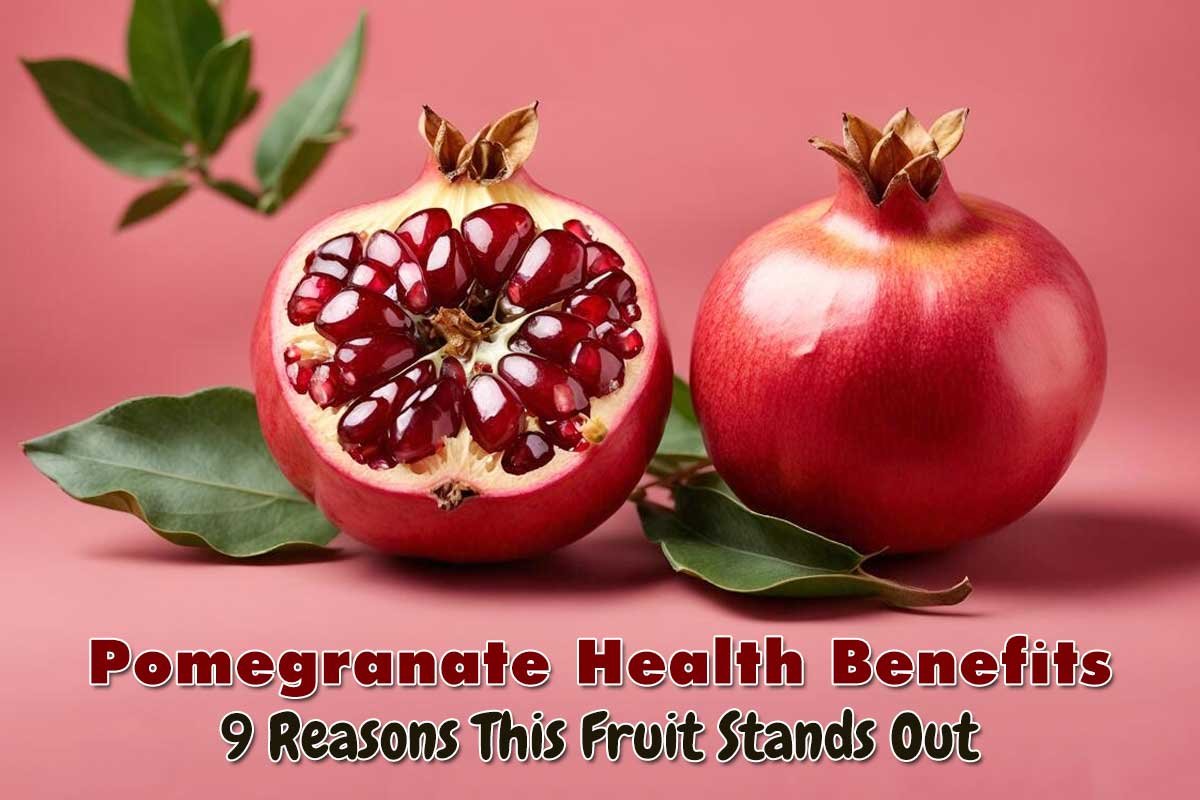
Pomegranate health benefits have made this bright red fruit increasingly popular among people looking for nutritious foods to add to their daily diet. Pomegranate is packed with fiber, vitamins, minerals, and antioxidant plant compounds that can support overall health when included as part of a balanced diet.
The juicy arils can be eaten on their own, added to yogurt, salads, oatmeal, or smoothies. Pomegranate juice is another popular option, although it does not provide the same amount of fiber as the whole fruit.
From supporting a healthy diet to providing nutrients important for skin, digestion, heart health, and weight management, pomegranate offers several nutritional advantages. Here are 9 potential benefits of eating pomegranate that are worth knowing.
Table of Contents
1. Rich in Antioxidant Plant Compounds
One of the best-known pomegranate health benefits is its high concentration of polyphenols and other antioxidant plant compounds.
These compounds help protect cells from oxidative stress. Pomegranate contains naturally occurring compounds such as anthocyanins and punicalagins, which are responsible for much of its antioxidant activity.
Adding pomegranate to a diet that already includes a variety of fruits and vegetables can increase your intake of beneficial plant compounds.
2. May Support Heart Health
Pomegranate has been studied for its potential relationship with heart and blood vessel health. Its polyphenols may support healthy blood vessel function and help the body manage oxidative stress.
Some research has found promising effects from pomegranate products, although more research is needed before making strong health claims. Pomegranate should be considered part of an overall heart-healthy diet, rather than a treatment for heart disease.
3. Supports Digestive Health
Whole pomegranate arils contain dietary fiber, which is important for normal digestion and regular bowel movements. Fiber can also help you feel fuller after eating.
This makes whole pomegranate a useful addition to meals and snacks, especially when compared with low-fiber processed foods. If you are not used to eating much fiber, increase your intake gradually and drink enough water.
4. Pomegranate Benefits for Skin
The pomegranate benefits for skin are mainly related to its nutritional content. Pomegranate provides vitamin C, which contributes to normal collagen formation and healthy skin maintenance. Its polyphenols also have antioxidant properties that have attracted interest in skin health research.
However, eating pomegranate alone cannot remove wrinkles, acne, or pigmentation. Healthy skin depends on your overall diet, sun protection, sleep, hydration, genetics, and skincare habits.
5. Pomegranate Benefits for Weight Loss
One of the most common questions is whether pomegranate can help with weight loss. Pomegranate benefits for weight loss mainly come from its fiber and nutritional value. Whole pomegranate can be used as a snack or dessert replacement, helping you choose a nutrient-rich food instead of highly processed sweets.
However, pomegranate does not directly burn body fat. Weight loss depends primarily on your overall calorie intake, physical activity, food choices, sleep, and consistency. A practical option is to combine pomegranate arils with plain Greek yogurt, nuts, or seeds for a more filling snack.
Also Read: Cranberry Health Benefits: 7 Reasons to Add Them to Your Diet
6. Provides Important Vitamins and Minerals
Pomegranate provides several nutrients that contribute to a healthy diet. These include vitamin C, vitamin K, folate, potassium, and fiber. The fruit also contains a variety of naturally occurring plant compounds.
Eating different fruits and vegetables is important because each food provides its own combination of nutrients.
7. May Support Healthy Blood Vessel Function
Pomegranate polyphenols have been investigated for their potential effects on vascular function. Healthy blood vessels are important for normal circulation and cardiovascular function.
Some studies suggest that pomegranate may have favorable effects on certain measures of vascular health. Still, eating pomegranate should not replace exercise, a balanced diet, blood pressure management, or medication prescribed by a healthcare professional.
8. May Support Exercise Recovery
Pomegranate and pomegranate juice have been studied in relation to exercise performance and recovery. The fruit’s polyphenols may influence oxidative stress and other processes associated with physical activity. However, evidence is not strong enough to say that pomegranate will improve athletic performance for everyone.
For active people, pomegranate can simply be one nutritious food included alongside adequate protein, carbohydrates, fluids, and overall calories.
9. Provides a Nutritious Alternative to Processed Snacks
Another practical benefit of pomegranate is that it can make healthy eating more enjoyable. The naturally sweet and tart flavor makes pomegranate arils useful as an alternative to highly processed desserts and sugary snacks.
Try adding them to oatmeal, yogurt, salads, chia pudding, cottage cheese, or fruit bowls. This makes it easier to add whole fruit and plant-based nutrients to your everyday meals.
Also Read: Dragon Fruit Health Benefits: 11 Powerful Reasons to Eat It
Pomegranate Juice Benefits
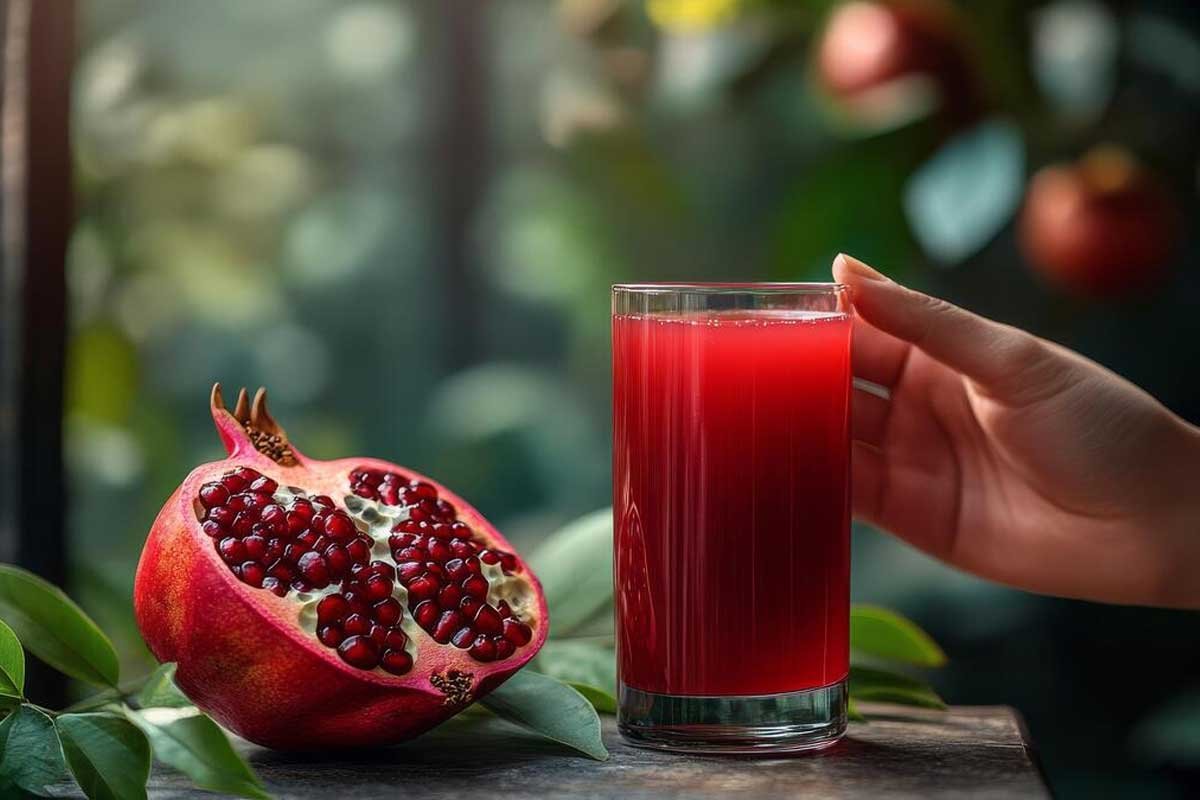
The pomegranate juice benefits are related mainly to the nutrients and polyphenols naturally present in the fruit. However, juice has an important difference compared with whole pomegranate: it contains little or no dietary fiber.
If you drink pomegranate juice, choose 100% pomegranate juice without added sugar and keep portions moderate. Whole pomegranate is generally a better everyday option when you want the additional benefits of fiber and chewing satisfaction.
Pomegranate Side Effects
Pomegranate is generally well tolerated when eaten as a food, but some people may experience pomegranate side effects.
Possible side effects include:
- Bloating or gas
- Digestive discomfort
- Loose stools when consumed in large amounts
- Allergic reactions in sensitive individuals
People taking prescription medications should ask a doctor or pharmacist about possible interactions before regularly consuming concentrated pomegranate extracts or large amounts of pomegranate products.
How Much Pomegranate Should You Eat?

There is no universally established daily amount required to obtain the health benefits of pomegranate. For most people, a practical serving is around ½ to 1 cup of fresh arils, depending on individual calorie and carbohydrate needs.
The most important thing is to include pomegranate as part of a varied and balanced diet rather than relying on it as a single health food.
Also Read: Fruits Low in Sugar for Diabetes: 9 Best Choices
Best Ways to Eat Pomegranate
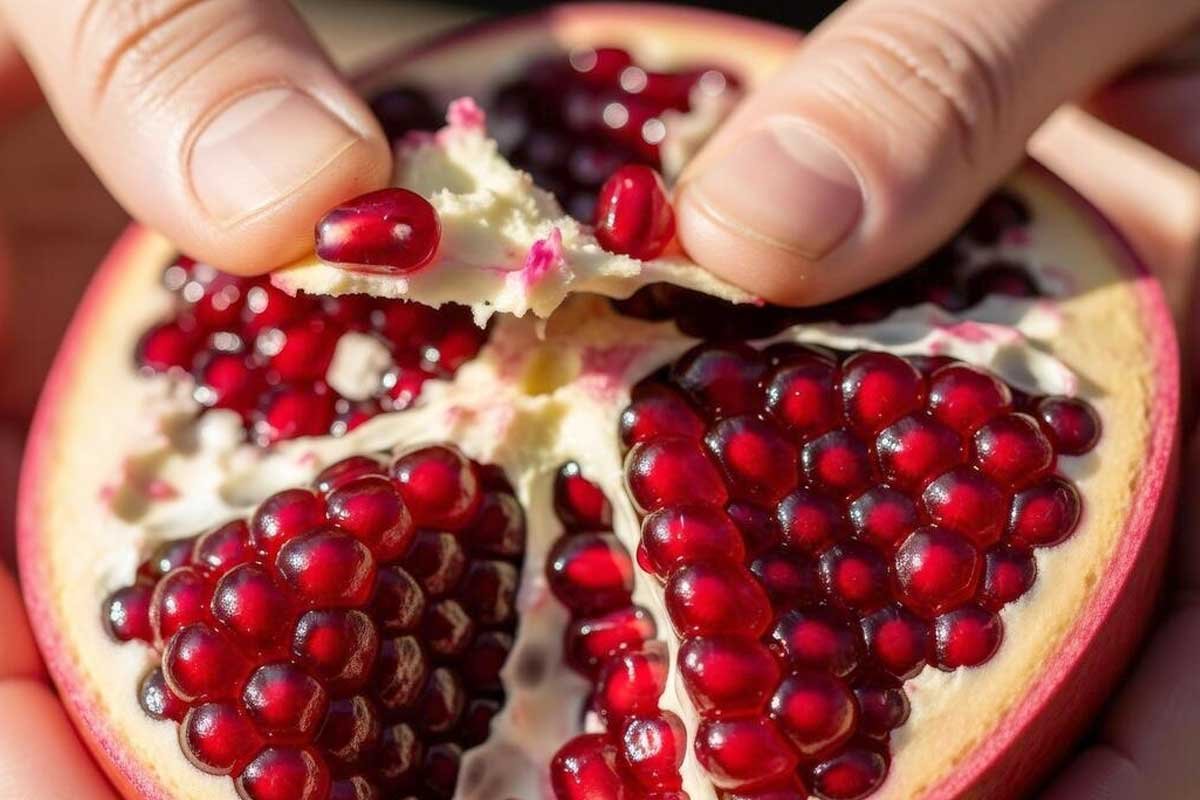
You can easily add pomegranate to your regular meals:
- Add arils to Greek yogurt
- Mix them into oatmeal
- Add them to green salads
- Sprinkle them over chia pudding
- Combine them with cottage cheese
- Add them to homemade fruit bowls
- Use a small amount in homemade salad dressing
For the greatest nutritional value, choose whole pomegranate arils more often than juice.
If you’re tracking your calorie intake and weight-loss progress, use our Weight Loss Calculator to estimate your daily weight-loss needs.
Frequently Asked Questions About Pomegranate
Q1. What are the main pomegranate health benefits?
The main pomegranate health benefits include providing fiber, vitamin C, vitamin K, folate, potassium, and antioxidant plant compounds. It can be a nutritious addition to a balanced diet.
Q2. Is it good to eat pomegranate every day?
For most healthy people, pomegranate can be eaten regularly as part of a varied diet. A moderate serving of fresh arils is a practical choice.
Q3. What is the best time to eat pomegranate?
There is no scientifically proven best time to eat pomegranate. You can enjoy it at breakfast, as a snack, with meals, or around exercise based on your personal preferences and dietary needs.f
Q4. What are the pomegranate benefits for skin?
The pomegranate benefits for skin are mainly linked to vitamin C and antioxidant plant compounds. Vitamin C supports normal collagen production, which is important for healthy skin.
Q5. Can pomegranate help with weight loss?
Pomegranate benefits for weight loss are mainly related to its fiber and nutrient content. Whole pomegranate can be a filling alternative to highly processed snacks, but it does not directly burn body fat.
Q6. What are the pomegranate juice benefits?
Pomegranate juice benefits include providing naturally occurring polyphenols and other nutrients. However, juice contains much less fiber than whole pomegranate, so whole fruit is generally a better everyday option.
Q7. What are the common pomegranate side effects?
Possible pomegranate side effects include bloating, gas, digestive discomfort, or loose stools, particularly when large amounts are consumed. Allergic reactions are possible but uncommon.
Q8. Is pomegranate good for heart health?
Pomegranate contains polyphenols that have been studied for their potential relationship with blood vessel and cardiovascular health. It should be considered part of an overall heart-healthy lifestyle rather than a treatment for heart disease.
Q9. How much pomegranate should I eat per day?
There is no universally required daily amount. For many people, around ½ to 1 cup of fresh pomegranate arils can be a reasonable serving, depending on their overall diet and nutritional needs.
Q10. Is whole pomegranate better than pomegranate juice?
For everyday eating, whole pomegranate is generally preferable because it provides dietary fiber and requires chewing. Juice can still contain beneficial plant compounds but is easier to consume in larger amounts.
Conclusion
The pomegranate health benefits come from its combination of fiber, vitamins, minerals, and antioxidant plant compounds. Eating whole pomegranate can support a nutritious diet and may contribute to healthy digestion, skin nutrition, cardiovascular health, and weight-management goals.
The fruit is not a miracle food and does not directly burn fat or cure disease. Instead, think of pomegranate as one nutritious option within an overall diet rich in fruits, vegetables, whole grains, protein, healthy fats, and minimally processed foods.
Whether you enjoy the arils on yogurt, oatmeal, salads, or as a snack, pomegranate can be a flavorful and nutrient-rich addition to your everyday eating pattern.
Medical Disclaimer
This article is for general informational purposes only and does not replace professional medical advice, diagnosis, or treatment. If you have a medical condition, take prescription medications, or have concerns about allergies or food interactions, speak with a qualified healthcare professional before making significant dietary changes.

I am Danish, the creator of Health Update 24. I write about health, nutrition, fitness, and healthy lifestyle topics, sharing simple, practical, and well-researched information to help readers make informed decisions about their well-being. Know More