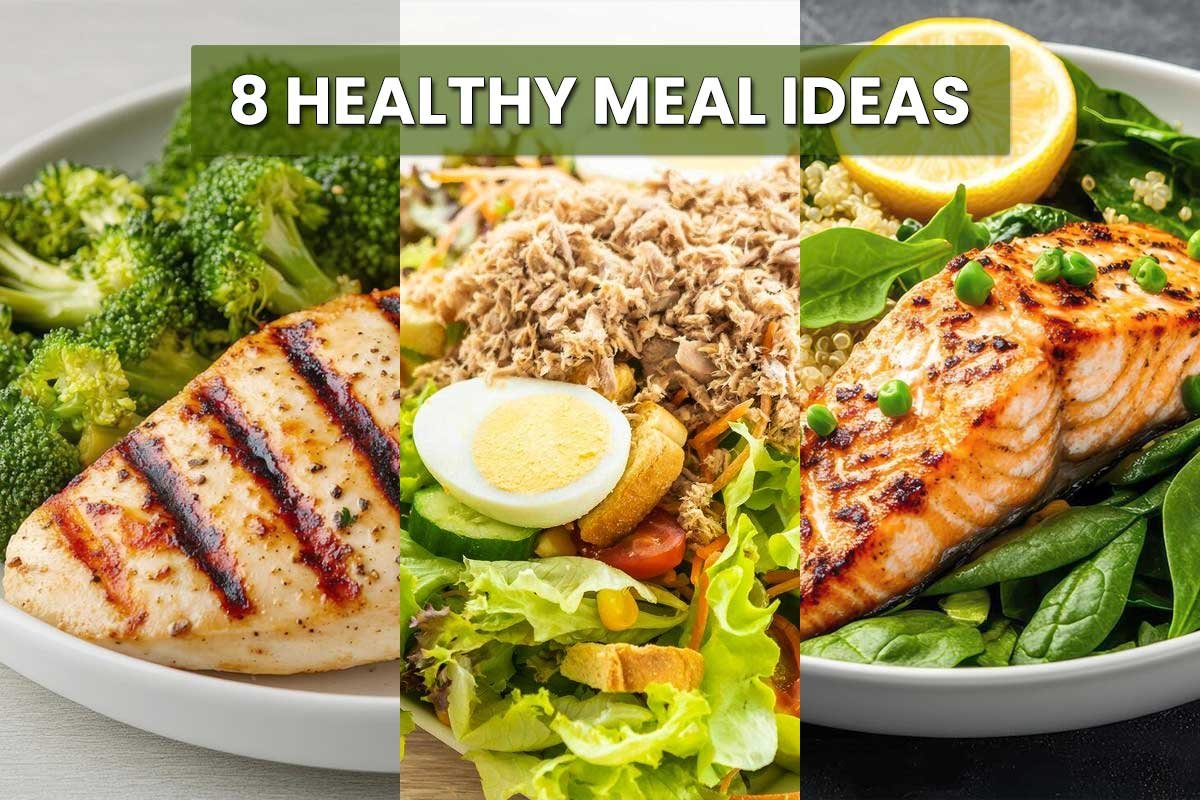
Many people today are looking for a way of eating that supports weight loss while providing steady energy throughout the day. That’s why low carb and high protein meals have become one of the most popular choices for healthy eating. These meals contain fewer carbohydrates and a higher amount of protein, helping you feel full for longer, reduce unnecessary snacking, and provide the nutrients your body needs to maintain and repair muscle.
If your goal is to lose weight, improve your fitness, build lean muscle, or manage your blood sugar more effectively, choosing the right low carb and high protein meals can be an important part of your daily diet. However, everyone’s nutritional needs are different. The best meal plan depends on factors such as your age, overall health, activity level, and personal dietary preferences.
Table of Contents
Why Choose Low Carb and High Protein Meals?
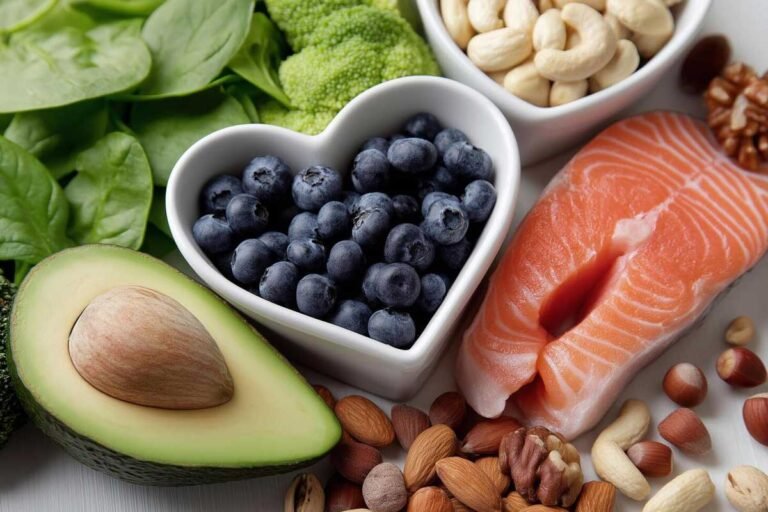
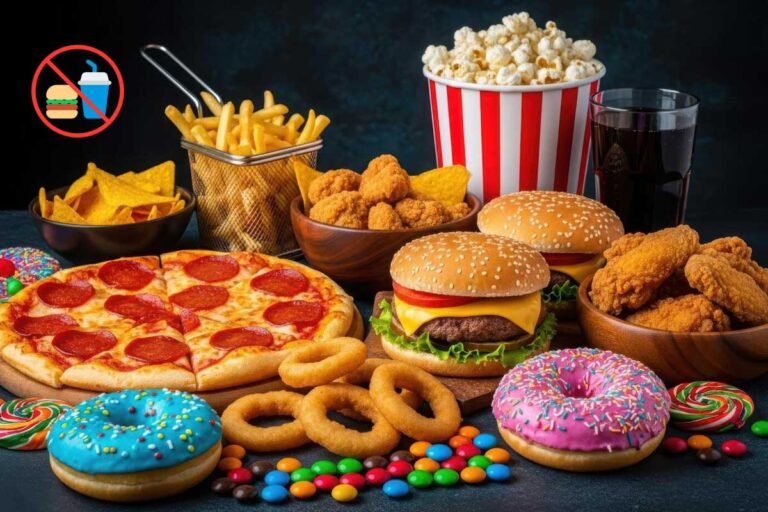
Low carb and high protein meals are often recommended because they combine satisfying nutrition with balanced energy. Protein supports muscle health, helps keep you feeling full, and may reduce cravings between meals, while limiting refined carbohydrates can help some people better manage their calorie intake and blood sugar levels. When paired with healthy fats and plenty of vegetables, these meals can fit into a balanced lifestyle.
In this guide, you’ll learn why these meals are considered beneficial, which key nutrients they provide, and discover eight simple, delicious, and well-balanced meal ideas. Each option also includes an estimated nutritional value, making it easier to choose meals that match your health and fitness goals.
Some of the key benefits include:
- Helps you stay full for longer, which may reduce unnecessary snacking.
- Supports healthy weight management by helping control overall calorie intake.
- Promotes muscle recovery and growth, especially when combined with regular exercise.
- May help reduce sudden blood sugar spikes by limiting high-carbohydrate foods.
- Provides steady energy throughout the day, helping you stay active and focused.
1. Grilled Chicken & Broccoli
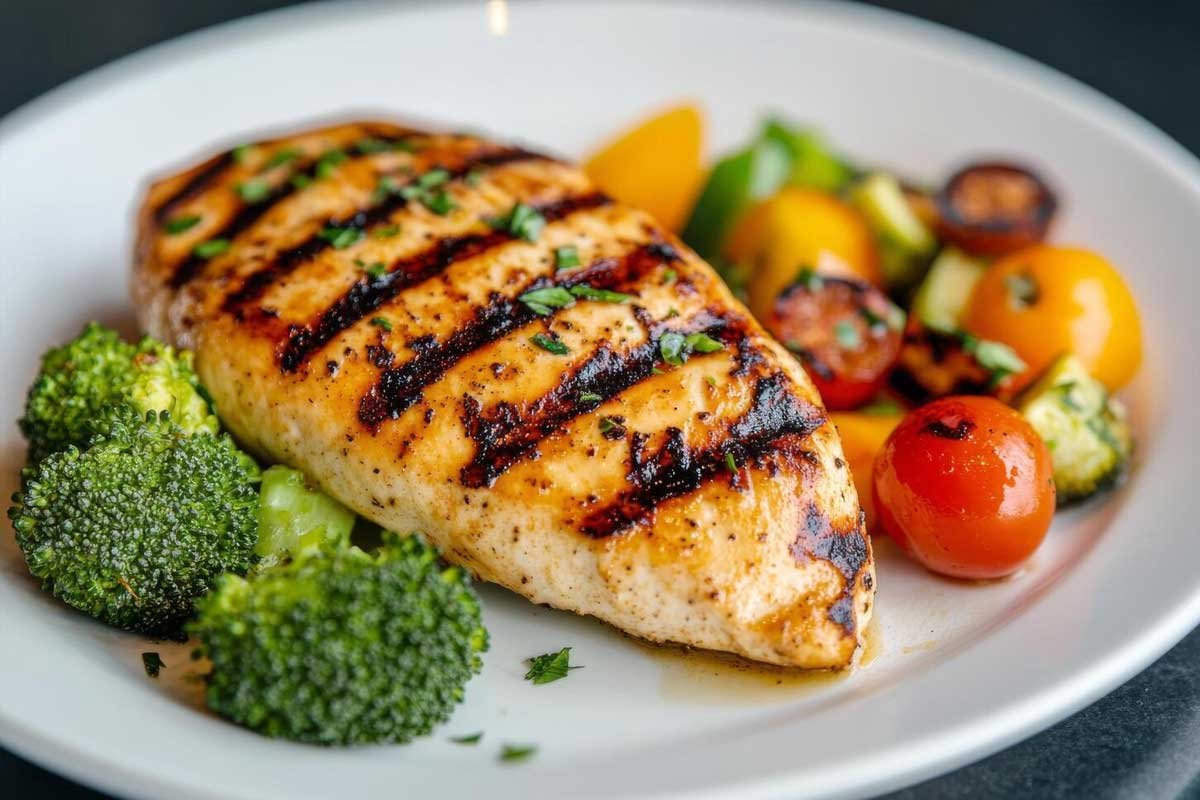
Grilled chicken with steamed broccoli is one of the easiest and most popular low carb and high protein meals. Chicken breast is an excellent source of lean protein, while broccoli provides fiber, vitamin C, and antioxidants that support overall health.
Estimated Nutrition Value (Per Serving)
- Calories: ~340 kcal
- Protein: 42 g
- Carbohydrates: 8 g
- Fat: 14 g
- Fiber: 4 g
Best For
- Weight Loss
- Muscle Building
- Fitness Diet
2. Salmon & Spinach
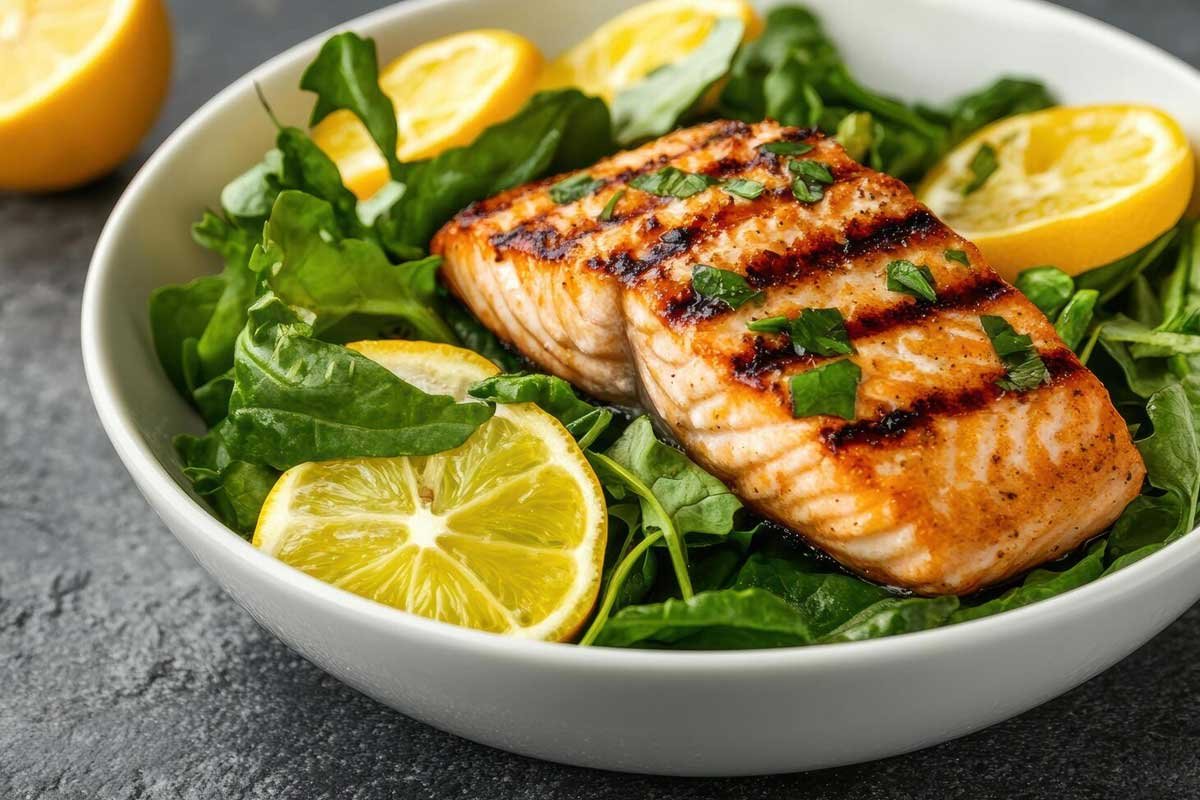
Salmon is rich in high-quality protein and heart-healthy omega-3 fatty acids, while spinach provides iron, folate, and a variety of essential vitamins and minerals. Together, they make a nutritious, well-balanced meal that’s ideal for a healthy lifestyle.
Estimated Nutrition Value (Per Serving)
- Calories: ~380 kcal
- Protein: 36 g
- Carbohydrates: 6 g
- Fat: 22 g
- Fiber: 3 g
Key Nutrients
- Omega-3 Fatty Acids
- Vitamin D
- Iron
- Vitamin K
Also Read: Health Benefits of Avocado Toast: Complete Guide
3. Shrimp Stir-Fry
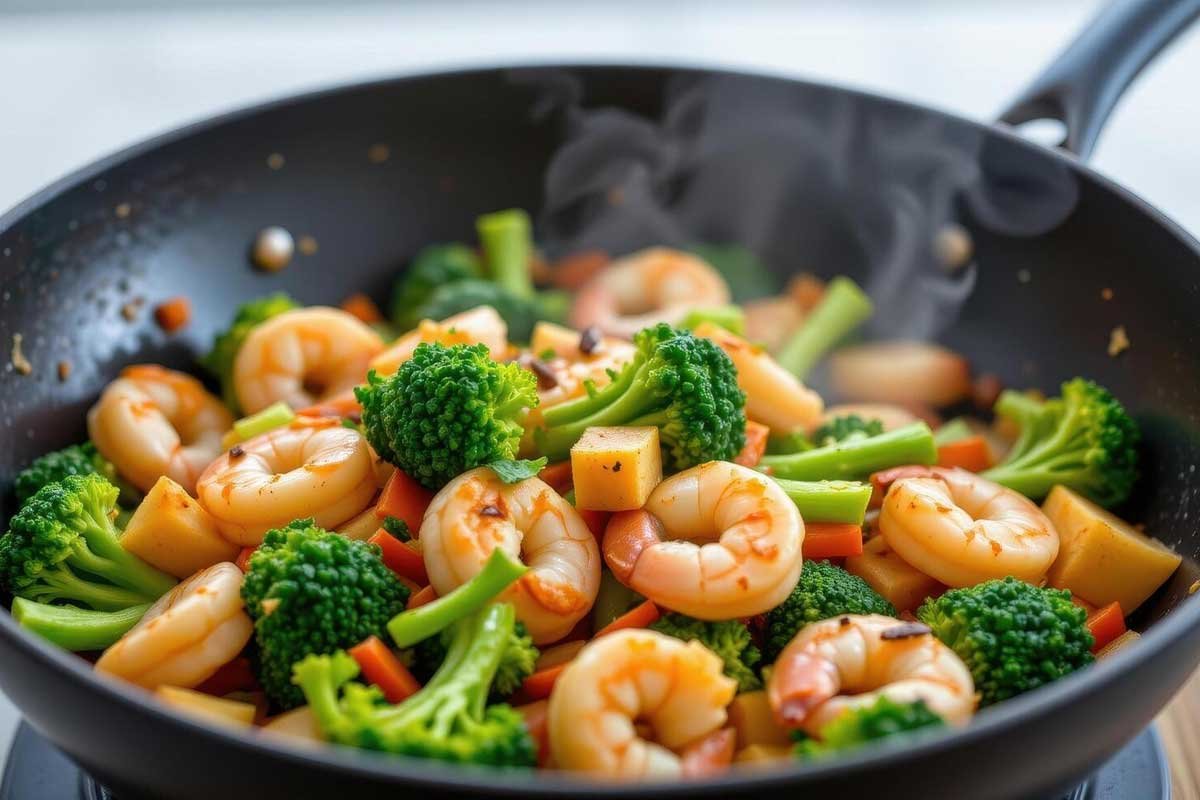
Shrimp is a lean seafood that’s naturally low in fat and high in protein. When stir-fried with colorful vegetables such as bell peppers, broccoli, and mushrooms, it creates a flavorful, nutrient-rich meal that’s both satisfying and easy to prepare.
Estimated Nutrition Value (Per Serving)
- Calories: ~310 kcal
- Protein: 34 g
- Carbohydrates: 10 g
- Fat: 12 g
- Fiber: 3 g
Benefits
- Quick and easy to prepare
- Low in calories
- High in protein
- Rich in vitamins and minerals
4. Turkey Meatballs with Zoodles
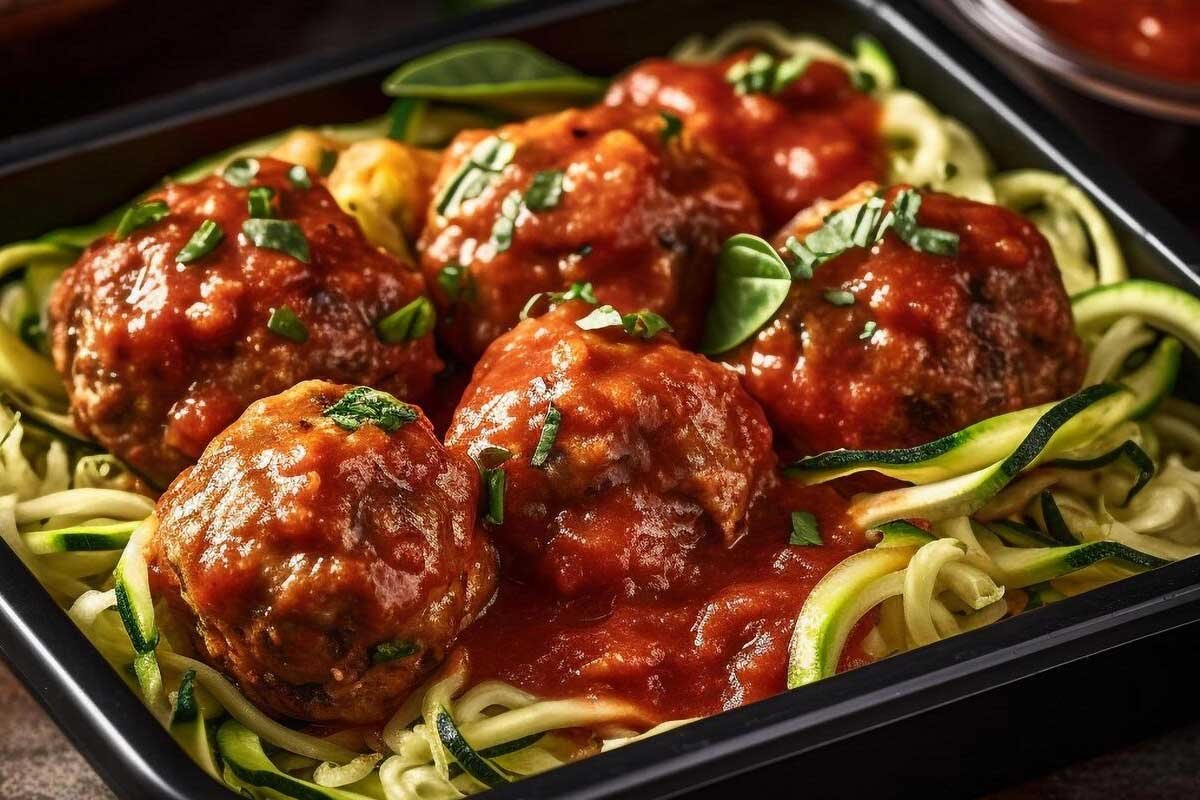
Turkey meatballs served with zoodles (zucchini noodles) are a delicious low-carb alternative to traditional pasta. This meal is packed with lean protein while keeping carbohydrates low, making it a great choice for balanced eating.
Estimated Nutrition Value (Per Serving)
- Calories: ~360 kcal
- Protein: 38 g
- Carbohydrates: 9 g
- Fat: 18 g
- Fiber: 3 g
Why This Meal Stands Out
- Lower in carbohydrates than traditional pasta
- High in lean protein
- Rich in dietary fiber
5. Tuna Salad
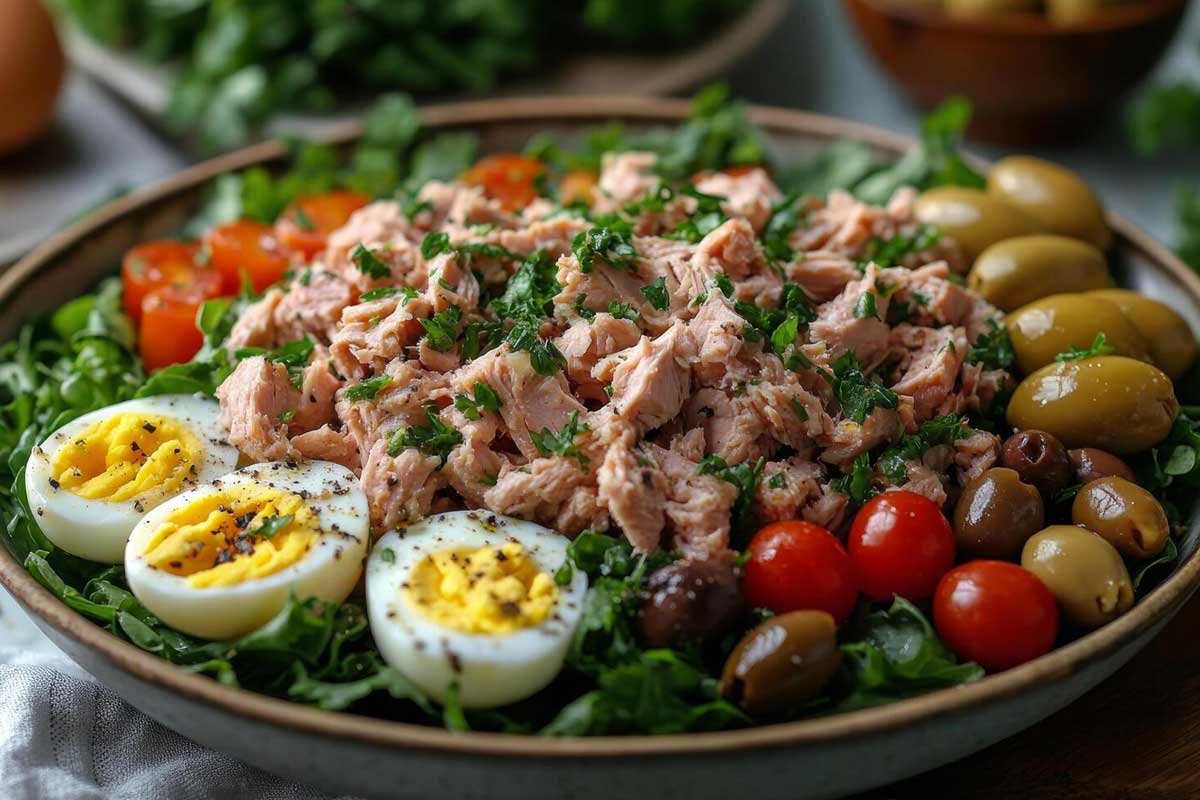
Tuna is an excellent source of high-quality protein and omega-3 fatty acids. Combined with fresh vegetables such as cucumber, tomatoes, lettuce, olive oil, and a squeeze of lemon juice, it makes a light, nutritious, and satisfying salad.
Estimated Nutrition Value (Per Serving)
- Calories: ~290 kcal
- Protein: 34 g
- Carbohydrates: 7 g
- Fat: 13 g
- Fiber: 2 g
Key Nutrients
- Protein
- Omega-3 Fatty Acids
- Selenium
- Vitamin B12
6. Stuffed Bell Peppers

Stuffed bell peppers are made by filling fresh peppers with lean chicken, turkey, or lean beef and baking them until tender. This meal combines great flavor with balanced nutrition, making it an excellent option for a healthy diet.
Estimated Nutrition Value (Per Serving)
- Calories: ~360 kcal
- Protein: 35 g
- Carbohydrates: 12 g
- Fat: 16 g
- Fiber: 4 g
Benefits
- Rich in Vitamin C
- High in protein
- Low in carbohydrates
- Good source of dietary fiber
Also Read: Healthy High Protein Breakfast: 10 Healthy Breakfast Ideas
7. Chicken Avocado Salad
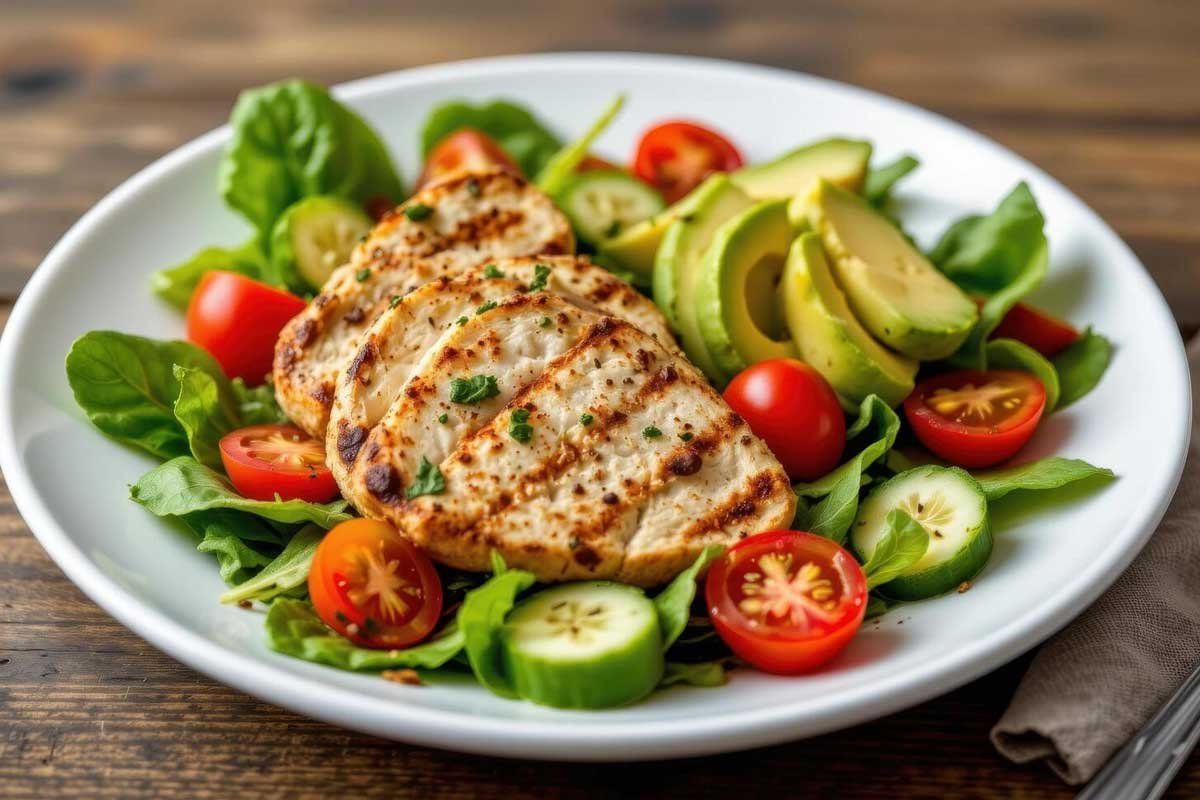
If you want a filling meal without feeling overly heavy, chicken avocado salad is an excellent choice. Lean chicken provides high-quality protein, while avocado adds heart-healthy fats, creating a balanced and satisfying meal.
Estimated Nutrition Value (Per Serving)
- Calories: ~420 kcal
- Protein: 38 g
- Carbohydrates: 11 g
- Fat: 24 g
- Fiber: 7 g
Key Nutrients
- Healthy Fats
- Protein
- Potassium
- Vitamin E
8. Steak & Asparagus
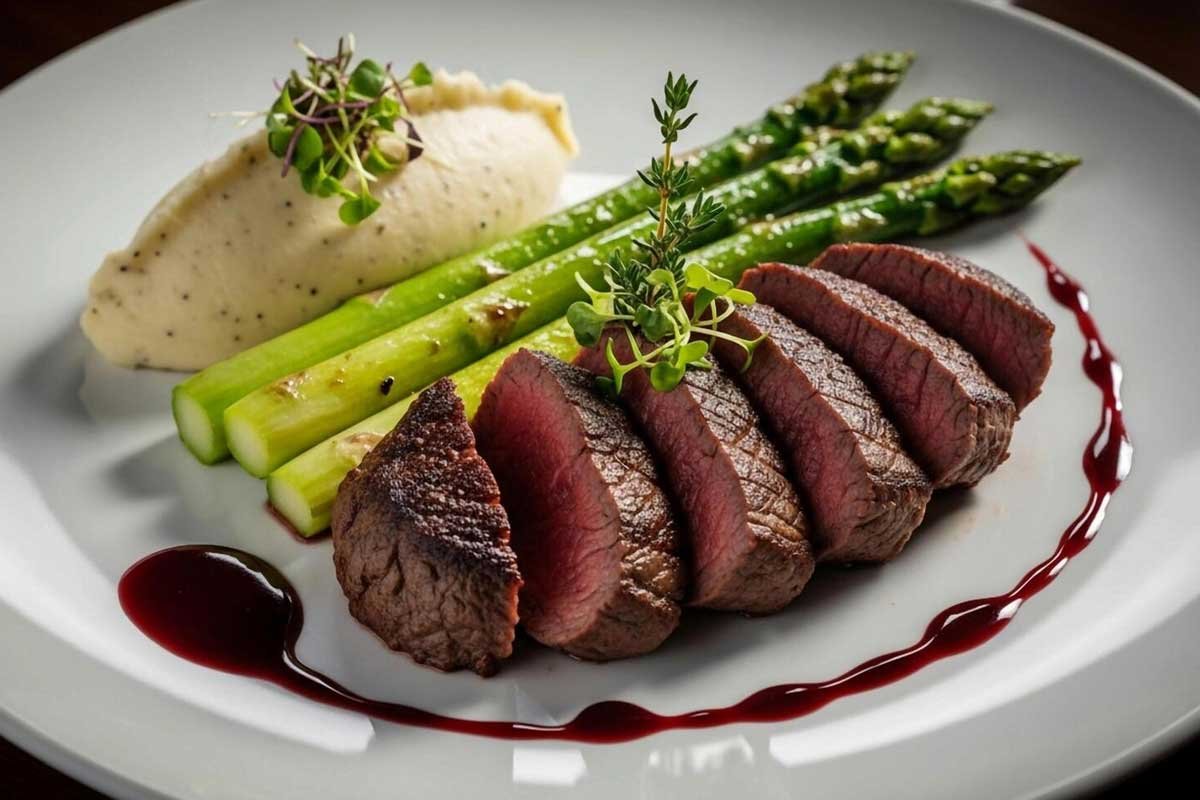
Lean beef steak paired with asparagus is a popular choice for people following a high-protein, low-carb diet. This meal is rich in quality protein and also provides important nutrients such as iron and vitamin B12 to support overall health.
Estimated Nutrition Value (Per Serving)
- Calories: ~410 kcal
- Protein: 40 g
- Carbohydrates: 7 g
- Fat: 22 g
- Fiber: 3 g
Best For
- People following a strength training program
- Muscle gain and recovery
- High-protein diets
Also Read: How to Eat Egg for Weight Loss: Best Time and Portions Explained
Tips for Eating Low Carb and High Protein Meals
To get the most benefits from low carb and high protein meals, keep these simple tips in mind:
- Include plenty of non-starchy vegetables with every meal.
- Choose fresh, lean sources of protein instead of processed meats.
- Drink enough water throughout the day to stay hydrated.
- Avoid consuming more protein than your body needs.
- Adjust your portion sizes based on your daily calorie and nutrition requirements.
- If you have kidney disease, liver disease, or any other serious medical condition, consult your doctor or a registered dietitian before making significant changes to your diet.
FAQs – Low Carb and High Protein Meals
Q1. What are low carb and high protein meals?
Low carb and high protein meals are meals that contain fewer carbohydrates and a higher amount of protein. They may help with weight management, muscle recovery, and keeping you feeling full for longer.
Q2. Can low carb and high protein meals help with weight loss?
Yes. For many people, these meals can support weight loss because protein helps increase fullness, which may reduce overall calorie intake and unnecessary snacking.
Q3. What are the best protein sources for a low-carb diet?
Good options include chicken breast, salmon, tuna, shrimp, eggs, turkey, lean beef, Greek yogurt, tofu, and cottage cheese. Choose the protein sources that best fit your dietary preferences and nutritional needs.
Q4. Can I eat low carb and high protein meals every day?
Yes, as long as your meals are well-balanced and meet your individual nutritional needs. If you plan to follow this eating pattern long term, it’s a good idea to consult a doctor or a registered dietitian.
Q5. Can vegetarians follow a low carb and high protein diet?
Yes. Vegetarians can include foods such as paneer, tofu, tempeh, Greek yogurt, eggs (if included in their diet), soy products, and low-carb vegetables to create balanced, high-protein meals.
Q6. When is the best time to eat low carb and high protein meals?
These meals can be enjoyed at lunch or dinner. A high-protein meal after exercise may also help support muscle recovery and repair.
Q7. Are low carb and high protein meals safe for everyone?
They are generally safe for most healthy adults when eaten as part of a balanced diet. However, people with kidney disease, liver disease, diabetes, or other medical conditions should consult a doctor or a registered dietitian before making significant dietary changes.
Conclusion
If your goal is to lose weight, build lean muscle, or follow a balanced eating plan, low carb and high protein meals can be a smart addition to your diet. The eight meal ideas featured in this guide offer a great balance of flavor, nutrition, and convenience. They provide plenty of protein while keeping carbohydrates relatively low, making them suitable for a variety of health and fitness goals. Combined with appropriate portion sizes, regular physical activity, and an overall healthy lifestyle, these meals can help support long-term wellness.
Disclaimer
This article is intended for general informational purposes only. The nutritional values provided are estimates and may vary depending on the ingredients, portion sizes, and cooking methods used. If you have diabetes, kidney disease, liver disease, or any other medical condition, consult your doctor or a registered dietitian before making significant changes to your diet.

I am Danish, the creator of Health Update 24. I write about health, nutrition, fitness, and healthy lifestyle topics, sharing simple, practical, and well-researched information to help readers make informed decisions about their well-being. Know More