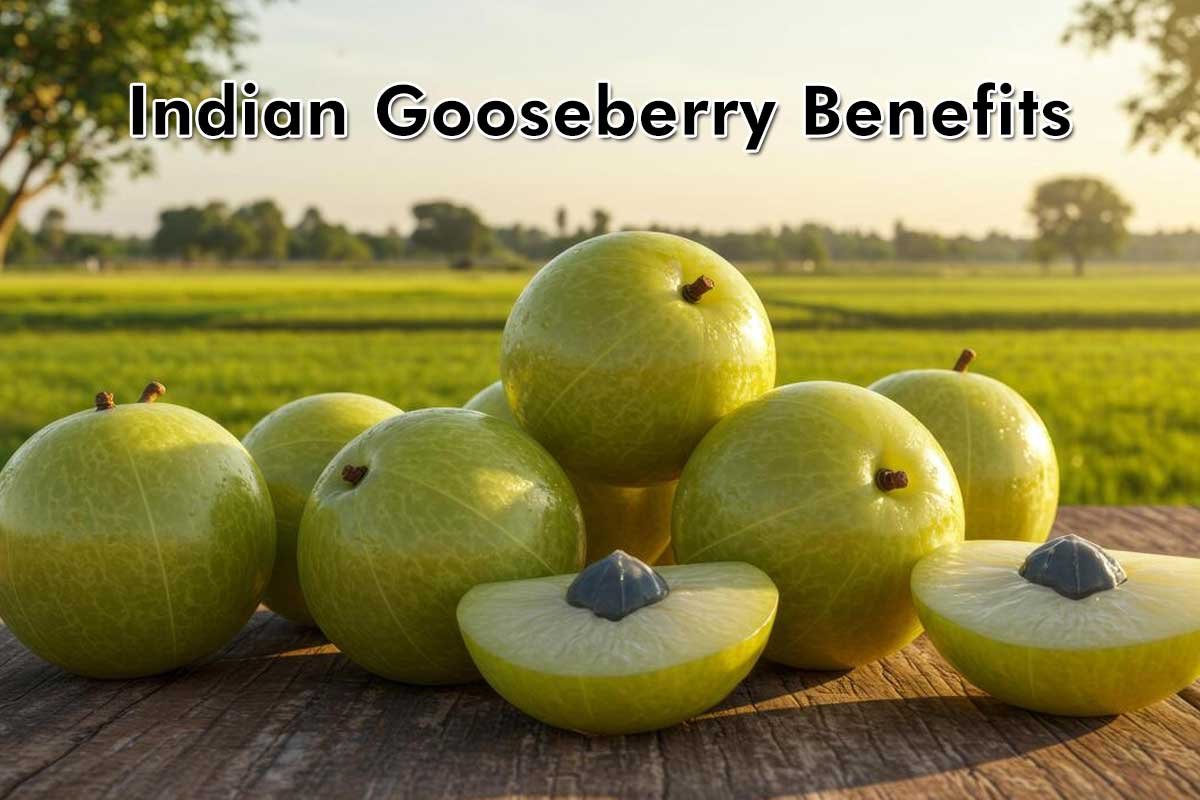
Indian gooseberry, commonly known as amla or Phyllanthus emblica, is a small green fruit widely used in South Asian food traditions. Its naturally tart flavor makes it popular in fresh, dried, powdered, pickled, and juice forms.
The growing interest in indian gooseberry benefits comes largely from its nutritional profile. Amla provides vitamin C, fiber, and plant compounds with antioxidant activity, making it an interesting addition to a balanced diet.
However, amla is not a miracle food. Eating it does not replace a varied diet, medical treatment, or healthy lifestyle. The most sensible approach is to view Indian gooseberry as a nutrient-dense fruit that can complement an overall healthy eating pattern.
Quick Answer Box
What are the main Indian gooseberry benefits?
Indian gooseberry may support overall nutrition because it contains vitamin C, fiber, and antioxidant plant compounds. Regularly including fresh amla or an appropriate unsweetened preparation in the diet may contribute to:
- Antioxidant protection
- Normal immune function
- Healthy digestion
- Collagen production and skin health
- Iron absorption from plant foods
- A nutrient-rich diet with relatively little energy
Some traditional uses also focus on hair and skin, but evidence for specific hair-growth or skin-treatment claims is more limited than the evidence supporting amla’s basic nutritional value.
Table of Contents
What Is Indian Gooseberry?
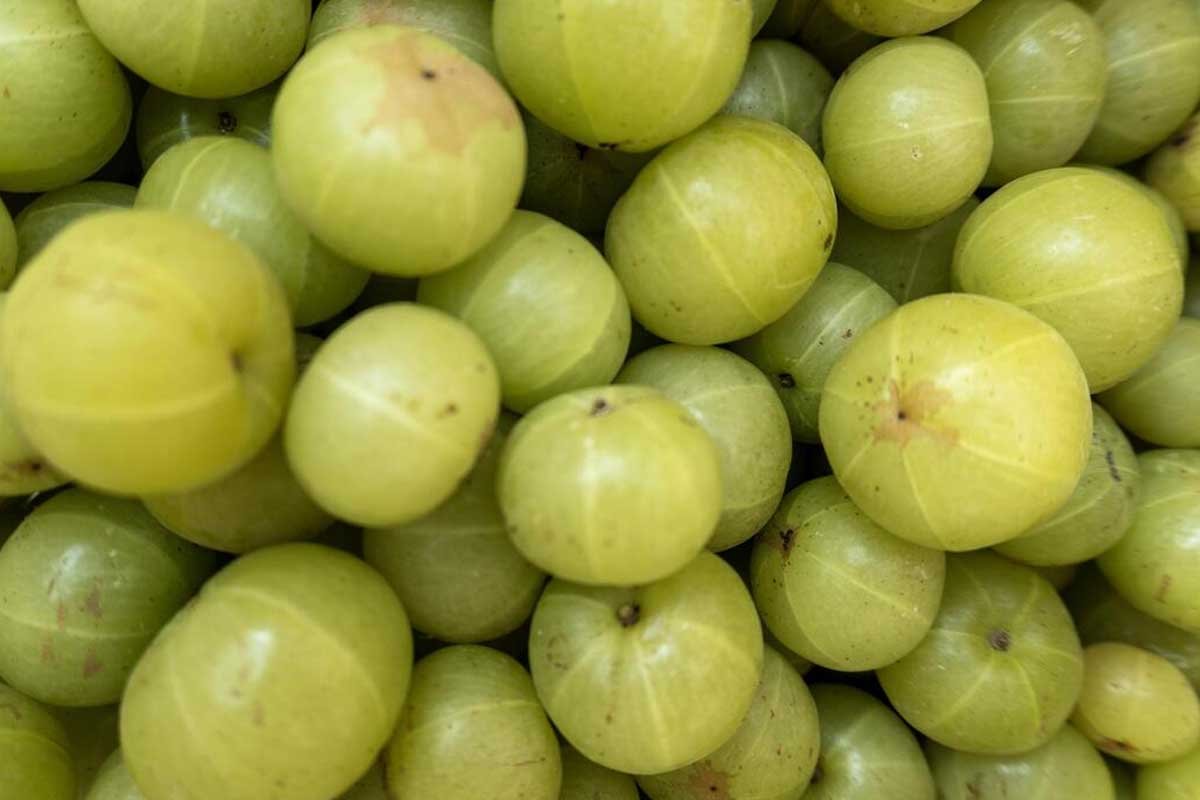
Indian gooseberry, or amla, is a small, round, greenish-yellow fruit with a distinctive combination of sour, bitter, and slightly astringent flavors.
It has been used traditionally in South Asian cuisine and wellness practices for generations. Today, amla is available in many forms, including fresh fruit, juice, dried pieces, powder, preserves, and supplements.
The nutritional value can vary considerably depending on the form. Fresh fruit and unsweetened preparations are generally different from products containing added sugar, syrups, or concentrated extracts.
For everyday eating, the simplest options are usually fresh amla or minimally processed, unsweetened products.
Indian Gooseberry Nutrition
Amla is particularly interesting because it combines vitamin C and beneficial plant compounds in a relatively small fruit.
The exact nutritional content depends on the fruit’s variety, maturity, preparation, and serving size. Processing can also change the amount of certain nutrients.
| Nutrient or compound | Why it matters |
|---|---|
| Vitamin C | Supports normal immune function and collagen formation |
| Fiber | Supports digestive health and helps add bulk to the diet |
| Polyphenols | Plant compounds with antioxidant activity |
| Other phytochemicals | Contribute to the fruit’s overall nutritional profile |
| Water | Contributes to hydration when eaten as fresh fruit |
One important point is that fresh amla and sweetened amla products are not nutritionally equivalent. Amla candy, sweetened juice, and preserved products may contain substantially more added sugar.
Indian Gooseberry Health Benefits
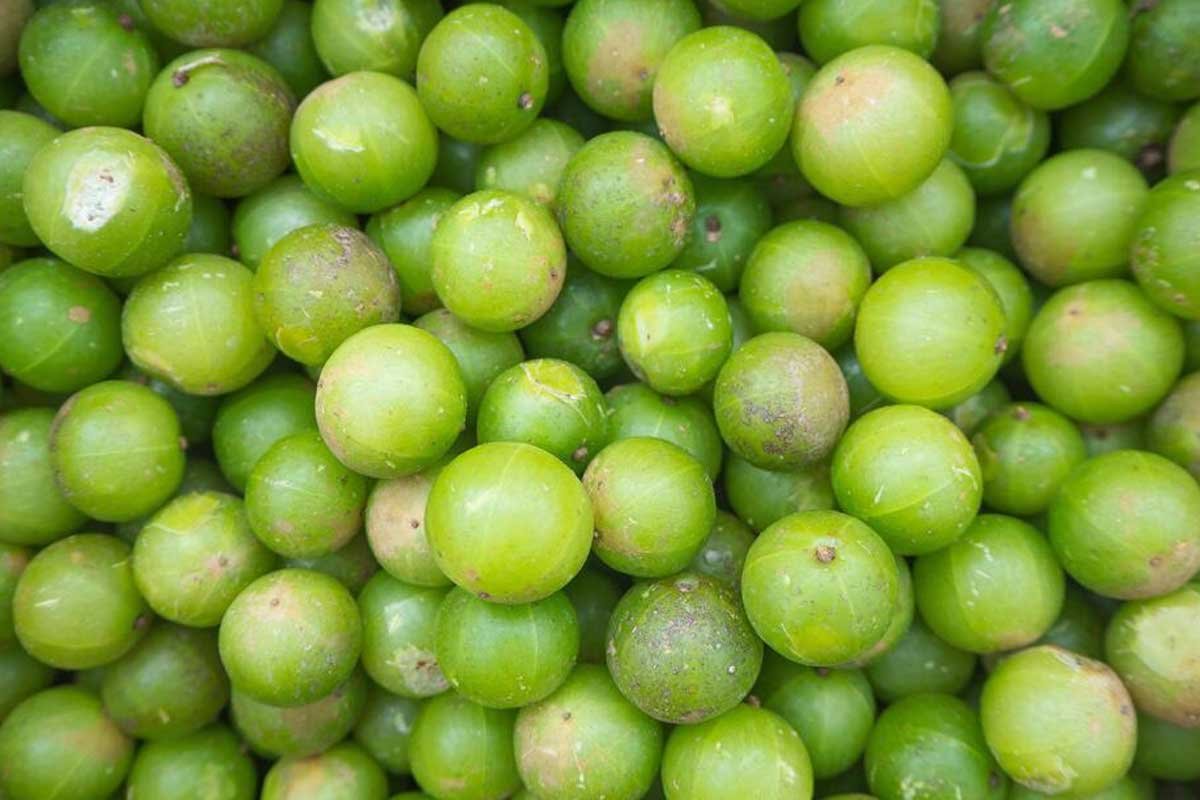
In this section, you’ll learn about the Indian gooseberry health benefits backed by its nutritional profile, including how its vitamin C, fiber, and antioxidant plant compounds may support immune function, digestion, skin health, and overall wellness. We’ll also look at what the evidence does, and does not, tell us about these benefits.
1. Provides Vitamin C
One of the most notable nutritional features of amla is its vitamin C content. Vitamin C plays several important roles in the body. It contributes to normal immune function, collagen formation, wound healing, and protection of cells from oxidative stress.
Vitamin C also helps the body absorb non-heme iron, the form of iron found primarily in plant foods. Adding a vitamin C-rich food such as amla to a meal containing beans, lentils, leafy vegetables, or other plant sources of iron can therefore be a practical dietary combination.
2. Contains Antioxidant Plant Compounds
Amla contains various polyphenols and other phytochemicals that contribute to its antioxidant activity.
Antioxidants are compounds that help protect cells from oxidative damage. The body naturally has antioxidant defense systems, and a diet rich in fruits and vegetables provides a broad range of plant compounds that support overall dietary quality.
It is important, however, not to interpret antioxidant activity as proof that amla can prevent or cure a specific disease. Nutrition is more complex than the effect of a single food.
3. May Support Normal Immune Function
The vitamin C in Indian gooseberry contributes to normal immune system function. Eating foods that provide vitamin C is useful as part of a balanced diet, particularly when overall fruit and vegetable intake is low.
However, eating extra amla does not guarantee protection from infections. A healthy immune system depends on adequate nutrition, sleep, physical activity, stress management, and appropriate medical care.
4. May Support Digestive Health
Fresh amla contains dietary fiber, although the amount you consume depends on the serving size and preparation. Fiber supports normal bowel function and can contribute to a healthy digestive system.
Regularly eating a variety of fruits, vegetables, whole grains, beans, nuts, and seeds is generally more important than relying on one particular fruit. If you are increasing your fiber intake, do so gradually and drink enough fluids to reduce the chance of digestive discomfort.
5. May Help the Body Absorb Plant-Based Iron
One practical indian gooseberry health benefit is its vitamin C content.
Vitamin C can improve the absorption of non-heme iron from plant foods. This makes combinations such as amla with lentils, beans, leafy greens, or other plant-based meals nutritionally interesting.
For example, adding a small serving of fresh amla alongside a lentil-based meal can provide vitamin C while complementing the meal’s existing nutrients.
6. Adds Nutritional Variety to the Diet
A healthy diet is not about finding one “superfood.” It is about eating a wide variety of nutrient-rich foods.
Amla can add variety to your fruit intake while providing vitamin C and plant compounds. Its strong flavor also makes it useful in chutneys, salads, sauces, and other dishes where a small amount can add acidity and freshness.
Also Read: Beetroot Juice Benefits for Weight Loss: Does It Really Help?
Indian Gooseberry and Antioxidants
The antioxidant properties of amla are one reason it receives so much attention. Amla contains several plant compounds that can participate in antioxidant activity. These compounds may help explain why the fruit has attracted scientific and nutritional interest.
Still, a key distinction matters: antioxidant activity measured in a laboratory does not automatically mean a food will produce a specific health outcome in humans.
For this reason, it is better to focus on the overall nutritional role of amla rather than treating it as a therapeutic product.
Indian Gooseberry and Immune Health
Vitamin C is an essential nutrient involved in normal immune function. Amla can therefore be part of a diet that provides vitamin C, alongside foods such as citrus fruits, berries, kiwi, peppers, tomatoes, and broccoli.
If someone is already meeting their nutritional needs, consuming very large amounts of one vitamin C-rich food is unlikely to provide proportionally greater benefits.
Consistency and dietary variety matter more than excessive consumption of a single food.
Indian Gooseberry and Digestive Health
Fresh amla can contribute to fiber intake and may fit well into a balanced, plant-rich diet.
Some people enjoy it before or with meals, while others prefer it as part of a chutney or mixed into another dish. Because amla is naturally acidic and astringent, large amounts may not be comfortable for everyone.
People who experience acid reflux, stomach irritation, or digestive discomfort after eating acidic foods should pay attention to their individual response.
Indian Gooseberry and Iron Absorption
For people who eat mostly or entirely plant-based foods, vitamin C-rich foods can be particularly useful because plant-based iron is absorbed differently from the heme iron found in animal foods.
Amla can be paired with foods such as:
- Lentils
- Chickpeas
- Beans
- Tofu
- Spinach and other leafy greens
- Fortified plant foods
- Seeds and nuts
The combination of iron-containing foods plus vitamin C-rich foods is a simple way to improve the nutritional value of plant-based meals.
Indian Gooseberry for Everyday Nutrition
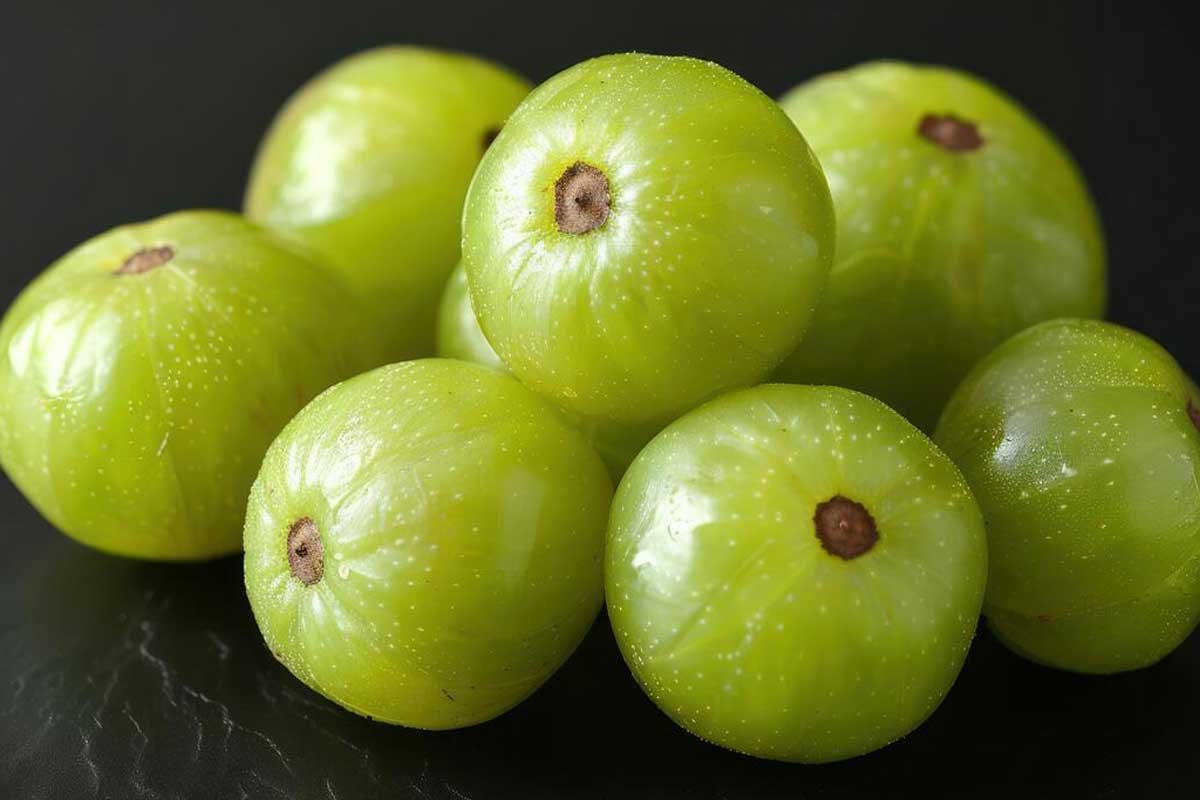
The easiest way to benefit from amla is to treat it as a food rather than a medicine.
Fresh amla can be eaten in small portions, chopped into salads, blended into an unsweetened drink, or used to prepare chutney. Amla powder can also be mixed into foods, although the nutritional profile depends on how the product was processed.
When choosing packaged amla products, check the ingredient list and nutrition label. Products with large amounts of added sugar should not be treated as equivalent to fresh fruit.
The goal is simple: use amla as one nutritious component of a varied diet rather than depending on it for a particular health outcome.
Also Read: 11 Health Benefits of Boiled Eggs
Indian Gooseberry Benefits for Hair
Amla has a long history of traditional use in hair care, particularly in oils, powders, and other preparations.
The nutrients and plant compounds found in amla make it an interesting ingredient, but it is important to separate traditional use from established clinical evidence.
Eating amla can contribute vitamin C and other nutrients to the diet, which supports overall nutritional health. However, there is not enough evidence to say that eating amla alone will make hair grow faster or reverse hair loss.
Hair health is influenced by many factors, including genetics, age, hormonal changes, nutritional deficiencies, medications, scalp conditions, and overall health.
Does Amla Make Hair Grow Faster?
There is no strong evidence that simply eating amla causes faster hair growth in otherwise healthy people.
A nutrient-rich diet can support normal hair growth by providing the body with essential nutrients. If hair loss is caused by a nutritional deficiency or another medical condition, addressing the underlying problem is more important than relying on a single food.
Persistent or sudden hair loss should be discussed with a qualified healthcare professional.
Amla Oil and Hair Care
Amla oil is commonly used as a traditional hair-care product. It may help condition the hair or scalp depending on the formulation and other ingredients.
However, topical amla oil should not be confused with the nutritional benefits of eating fresh amla. These are different uses with different evidence.
Gooseberry Benefits for Skin
The gooseberry benefits for skin are often linked to its vitamin C content. Vitamin C is needed for collagen formation, which is important for normal skin structure. It also contributes to protection against oxidative stress.
Eating vitamin C-rich foods can therefore support overall skin nutrition. However, eating amla should not be presented as a treatment for acne, wrinkles, pigmentation, eczema, or other skin conditions.
Can Amla Improve Skin?
Amla can contribute nutrients that support normal skin function, but there is no reason to expect dramatic changes from eating one fruit.
Skin health is influenced by sun exposure, genetics, sleep, nutrition, hydration, smoking, skincare habits, and underlying medical conditions.
For visible or persistent skin problems, evidence-based skincare and professional medical advice are more appropriate than relying on amla alone.
Indian Gooseberry Juice Benefits

Indian gooseberry juice benefits depend heavily on how the juice is prepared.
Fresh, unsweetened amla juice can provide nutrients and plant compounds. However, many commercial preparations contain added sugar, concentrates, or other ingredients.
| Amla form | What to consider |
|---|---|
| Fresh amla | Minimally processed and provides fiber |
| Unsweetened juice | Convenient but may contain less fiber |
| Amla powder | Easy to add to foods; quality varies |
| Sweetened juice | May contain significant added sugar |
| Amla candy | Often high in added sugar |
| Supplements/extracts | More concentrated and require greater caution |
If you choose juice, unsweetened is generally the more sensible option. Drinking a large quantity does not necessarily provide greater benefits than consuming a reasonable serving.
Also Read: Bottle Gourd Juice for Weight Loss
How Much Indian Gooseberry Should You Eat?
There is no universally established daily serving of amla that everyone needs. A practical approach is to consume a small serving of fresh amla as part of a varied diet, rather than treating it like a supplement that must be taken in large doses.
If you use amla powder, juice, or a concentrated supplement, follow the product’s serving instructions and consider the other ingredients. More is not always better. Excessive intake may cause digestive discomfort, particularly in people who are sensitive to acidic foods.
Best Time to Consume Indian Gooseberry
There is no strong evidence that one particular time of day makes amla significantly more beneficial.
You can consume it:
- With breakfast
- As part of lunch
- With a balanced snack
- Alongside plant-based meals
- As an ingredient in chutney or salad
If amla causes stomach irritation when consumed on an empty stomach, try having it with food instead.
The best time is therefore the time that fits comfortably into your regular eating pattern.
Best Ways to Use Indian Gooseberry
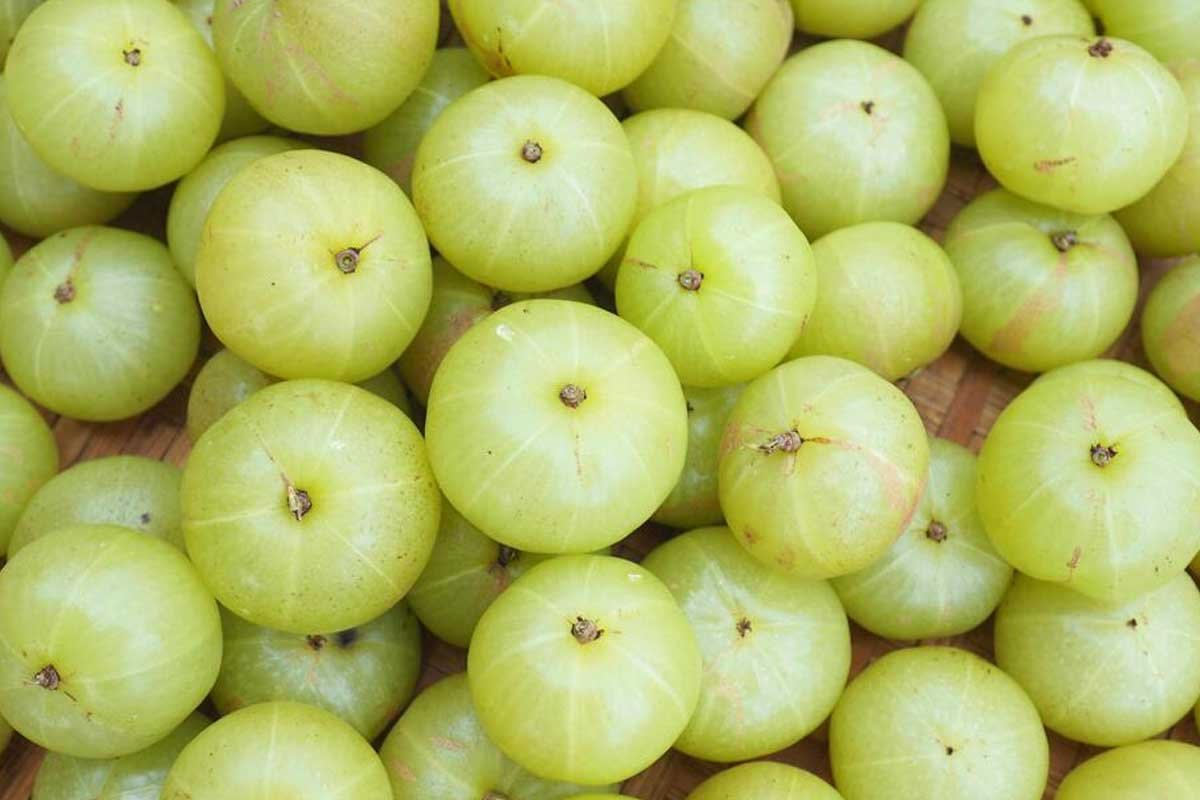
Fresh Amla
Fresh amla is one of the simplest options. It can be sliced and eaten in a small portion, although its strong sour and astringent flavor may take some getting used to.
Amla Chutney
Amla can be combined with herbs, spices, and other vegetables to make a flavorful chutney. Be mindful of added salt and sugar, particularly if you are eating chutney regularly.
Amla in Salads
Small pieces of fresh amla can add a sharp, refreshing flavor to salads. It pairs well with ingredients such as cucumber, carrots, leafy greens, herbs, and legumes.
Unsweetened Amla Drink
A small amount of fresh amla can be blended with water and other fruits or vegetables. Avoid turning a healthy drink into a high-sugar beverage by adding large amounts of sugar, honey, syrups, or sweetened concentrates.
Amla Powder
Amla powder can be mixed into yogurt, smoothies, chutneys, or other foods. Because concentrated powders can vary in strength and quality, follow the manufacturer’s serving guidance rather than assuming that more powder means more health benefits.
Indian Gooseberry Nutrition: Fresh Fruit vs Juice
Fresh fruit and juice have important differences.
| Feature | Fresh amla | Amla juice |
| Fiber | Higher | Usually lower |
| Convenience | Moderate | High |
| Added sugar | None naturally | May be present |
| Portion control | Easier to judge | Easy to overconsume |
| Processing | Minimal | Varies by product |
For everyday nutrition, whole fruit generally has an advantage because it retains its natural fiber.
Also Read: Avocado Milkshake: Benefits, Nutrition and Easy Recipe
Risks or Side Effects
Amla is generally used as a food, but it may not suit everyone in large amounts.
Possible problems can include:
- Stomach discomfort
- Acid reflux or irritation
- Nausea
- Loose stools when consumed excessively
- Discomfort from highly acidic preparations
The risk may be higher with concentrated juices, powders, extracts, or supplements than with a modest serving of fresh fruit. If you develop a significant or persistent reaction after consuming amla, stop using the product and seek appropriate medical advice.
10 Frequently Asked Questions About Indian Gooseberry Benefits
Q1. What are the main Indian gooseberry benefits?
The main indian gooseberry benefits come from its nutritional content, particularly vitamin C, fiber, and antioxidant plant compounds. It can support overall nutrition, normal immune function, collagen formation, and digestive health when included as part of a balanced diet.
Q2. Is Indian gooseberry good to eat every day?
For most healthy people, a reasonable amount of fresh amla can fit into a balanced diet. However, there is no requirement to eat it every day, and consuming excessive amounts is not expected to provide extra benefits.
Q3. Is amla high in vitamin C?
Yes. Amla is recognized as a vitamin C-rich fruit, although the exact amount varies according to variety, maturity, processing, and serving size.
Q4. Does Indian gooseberry help with hair growth?
Amla provides nutrients that contribute to overall nutritional health, but there is not enough evidence to conclude that eating amla alone increases hair growth or reverses hair loss. Persistent hair loss should be evaluated for possible nutritional, hormonal, genetic, scalp, or other medical causes.
Q5. What are the gooseberry benefits for skin?
The gooseberry benefits for skin are mainly related to its vitamin C content. Vitamin C contributes to normal collagen formation and helps protect cells from oxidative stress. However, eating amla should not be considered a treatment for specific skin conditions.
Q6. What are the Indian gooseberry juice benefits?
Unsweetened amla juice can provide vitamin C and other plant compounds. However, juice generally contains less fiber than whole fruit, and some commercial products contain added sugar.
Q7. Can I drink amla juice on an empty stomach?
Some people tolerate amla juice well before eating, while others may experience stomach irritation or reflux because of its acidity. If it causes discomfort, have it with a meal or avoid it.
Q8. Is fresh amla better than amla juice?
For everyday nutrition, fresh amla has an advantage because it contains natural fiber and requires less processing. Unsweetened juice can still be a convenient option, but it is easier to consume a large amount of juice quickly.
Q9. Can Indian gooseberry cure diabetes or other diseases?
No. Amla should not be described as a cure for diabetes, cancer, heart disease, or other medical conditions. It can be part of a nutritious diet, but medical conditions require evidence-based diagnosis and treatment.
Q10. What is the best way to consume Indian gooseberry?
Fresh amla, unsweetened preparations, chutney, salads, and small amounts of amla powder are practical options. Choose forms with little or no added sugar and consume them as part of a varied diet.
Conclusion
Indian gooseberry benefits are best understood through its nutritional value rather than exaggerated “superfood” claims.
Amla provides vitamin C, fiber, and beneficial plant compounds, making it a useful addition to a varied diet. Its vitamin C content can support normal immune function, collagen formation, and the absorption of plant-based iron, while its plant compounds contribute to the overall antioxidant profile of the fruit.
Amla is also widely used in traditional hair and skin care. While its nutrients can contribute to overall nutritional health, claims that it directly causes faster hair growth, reverses hair loss, or treats skin conditions should be approached cautiously.
For most people, the simplest strategy is to enjoy fresh or minimally processed amla in reasonable portions, avoid heavily sweetened products, and focus on the quality of the entire diet rather than relying on one food.
Medical Disclaimer
This article is provided for general educational and informational purposes only. It is not intended to diagnose, treat, cure, or prevent any disease or medical condition.
Individual nutritional needs vary. If you have a medical condition, take prescription medication, are pregnant or breastfeeding, or are considering concentrated amla supplements or extracts, speak with a qualified healthcare professional before making significant dietary changes.
If you experience persistent or severe symptoms, seek appropriate medical care rather than relying on Indian gooseberry or any other food as a treatment.

I am Danish, the creator of Health Update 24. I write about health, nutrition, fitness, and healthy lifestyle topics, sharing simple, practical, and well-researched information to help readers make informed decisions about their well-being. Know More