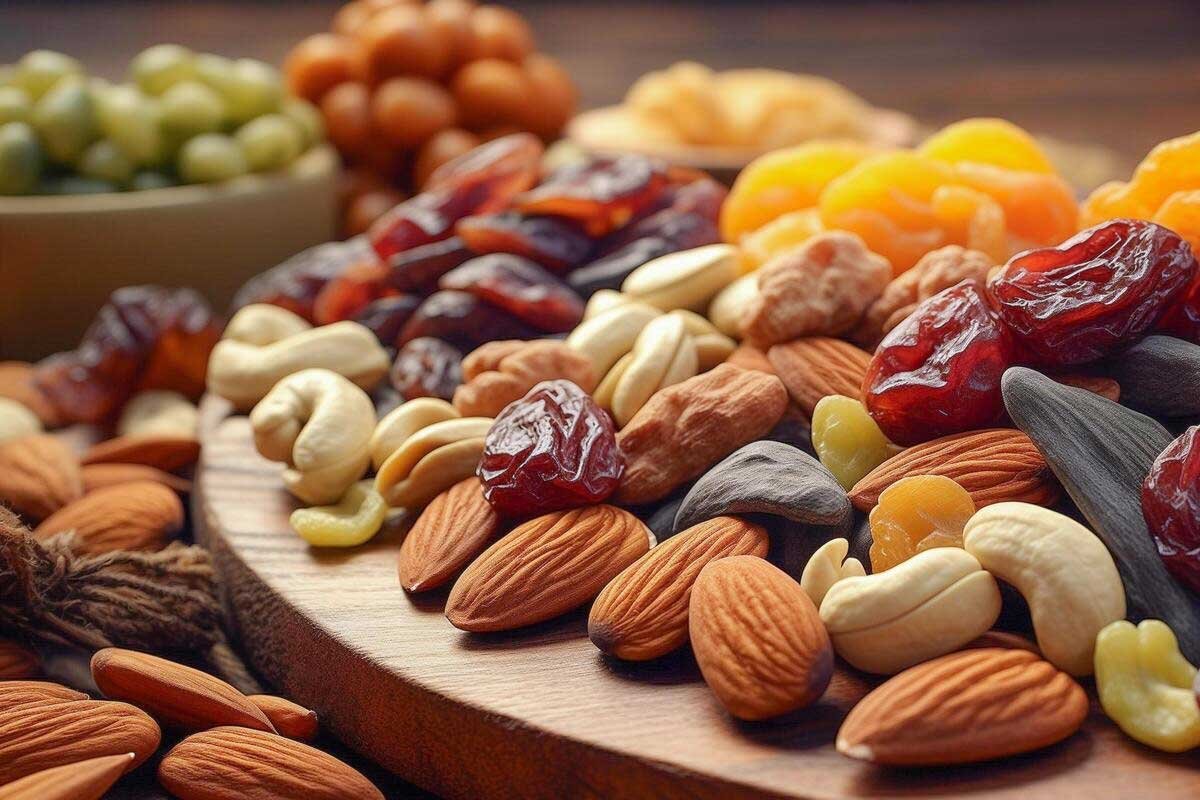
Today’s health-conscious consumers are increasingly looking for a high protein dry fruits list as they focus on fitness, weight management, and maintaining a healthy lifestyle. Protein is an essential nutrient that supports muscle growth, strengthens bones, maintains healthy skin, and helps the immune system function properly.
It also plays a vital role in building new cells, repairing body tissues, and carrying out many important biological processes. Getting enough protein can help you feel full for longer, reduce frequent hunger, and support healthy weight management. That’s why athletes, fitness enthusiasts, and people following a balanced diet often prioritize protein-rich foods in their daily nutrition.
When people think of protein, foods like eggs, chicken, fish, and dairy products usually come to mind. However, several dry fruits are also excellent sources of protein, along with healthy fats, dietary fiber, vitamins, and essential minerals. Including these nutrient-dense foods in moderation can provide lasting energy while improving your overall nutritional intake. In this article, we’ll explore a high protein dry fruits list featuring five nutritious dry fruits that contain a good amount of protein and can be a valuable addition to a healthy, well-balanced diet.
Table of Contents
1. Almonds: One of the Most Popular High-Protein Dry Fruits
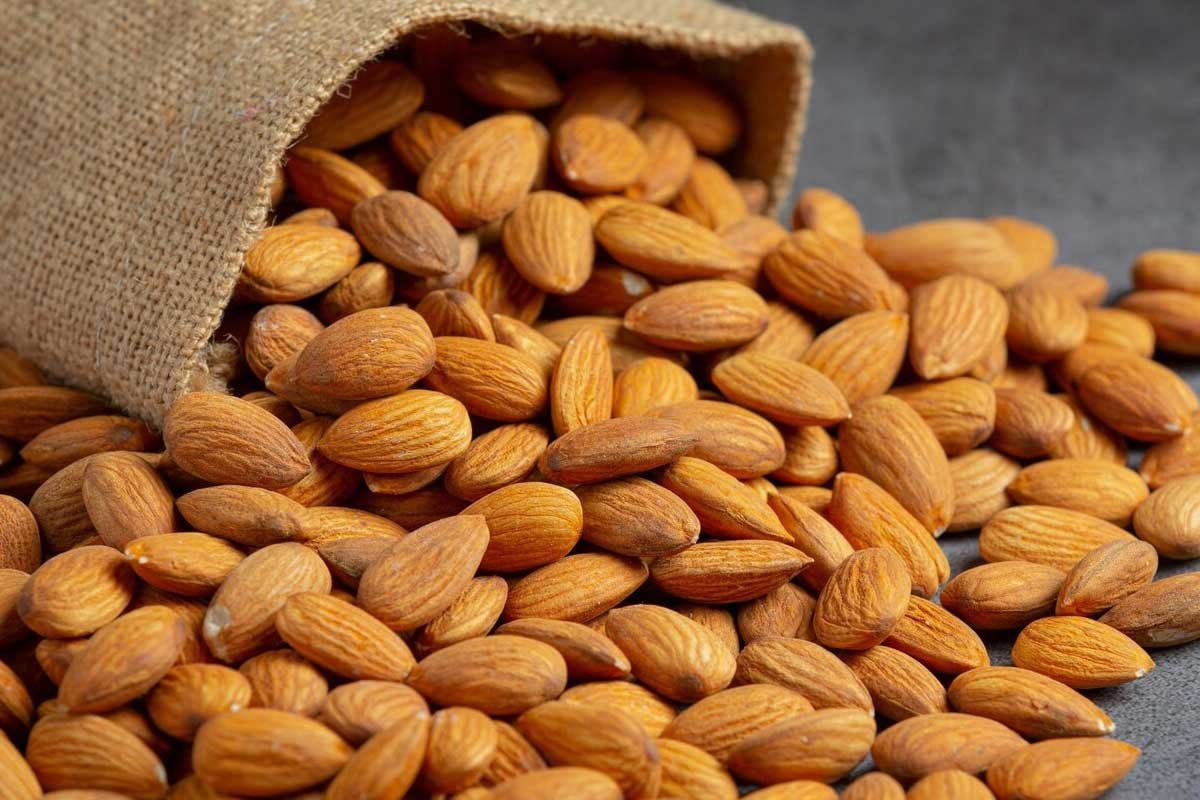
Almonds are among the most widely consumed dry fruits in the world and are considered one of the best natural sources of plant-based protein. In addition to protein, they are rich in vitamin E, magnesium, healthy unsaturated fats, and dietary fiber, making them a nutrient-dense choice for everyday nutrition.
Also Read: How Many Steps to Walk a Day to Lose Weight? Know the Right Calculation
Eating almonds in moderation can provide long-lasting energy, support muscle recovery after exercise, and promote overall health. Their combination of protein and healthy fats also helps keep you feeling full for longer, making them a smart snack for weight management and an active lifestyle.
Nutrition per 100 grams:
- Protein: Approximately 21.2 g
- Calories: Approximately 579 kcal
- Fat: 49.9 g
- Carbohydrates: 21.6 g
- Dietary Fiber: 12.5 g
2. Pistachios: A Great Source of Protein and Dietary Fiber
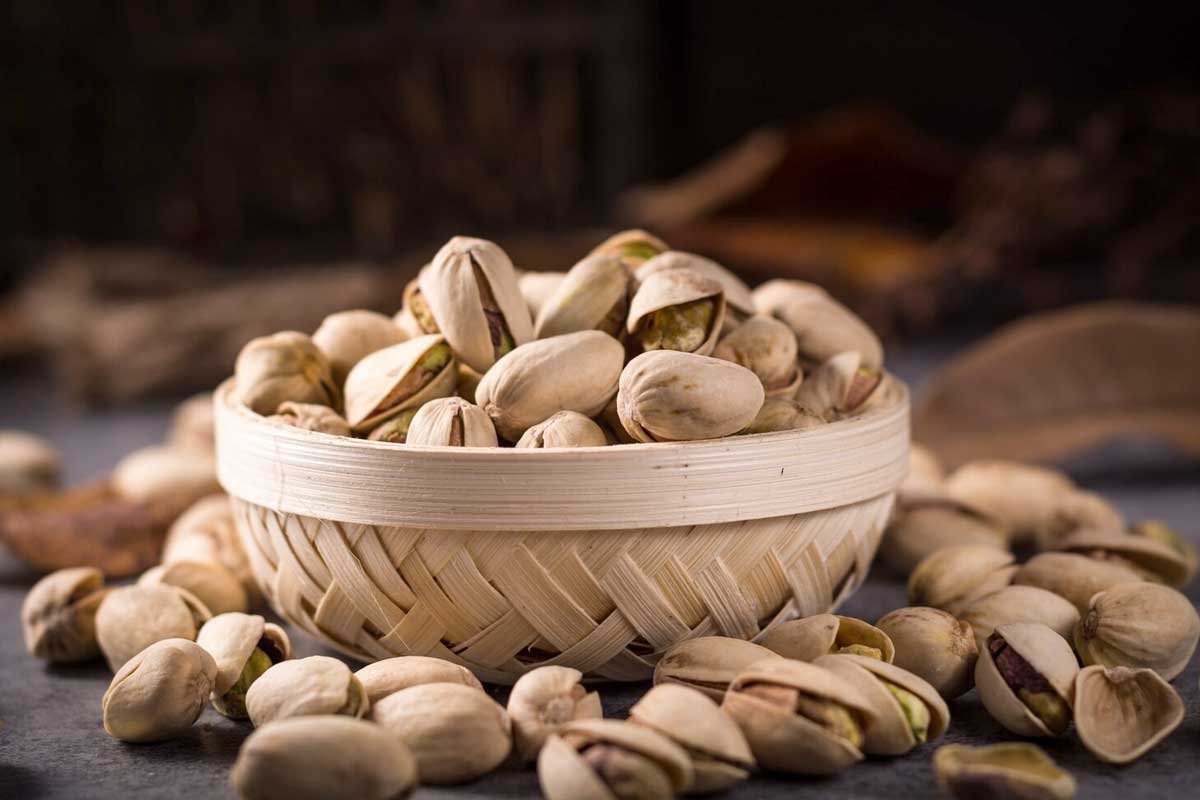
Pistachios are an excellent choice for anyone looking for a healthy, nutrient-packed snack. They provide a generous amount of plant-based protein, along with dietary fiber, potassium, healthy fats, and antioxidants that support overall wellness. Thanks to their combination of protein and fiber, pistachios can help you stay full for longer, making them a satisfying snack for weight management and healthy eating. They also support heart health, muscle function, and sustained energy throughout the day when enjoyed in moderation.
Nutrition per 100 grams:
- Protein: Approximately 20.2 g
- Calories: Approximately 562 kcal
- Fat: 45.3 g
- Carbohydrates: 27.2 g
- Dietary Fiber: 10.6 g
3. Cashews: A Delicious Dry Fruit Rich in Protein
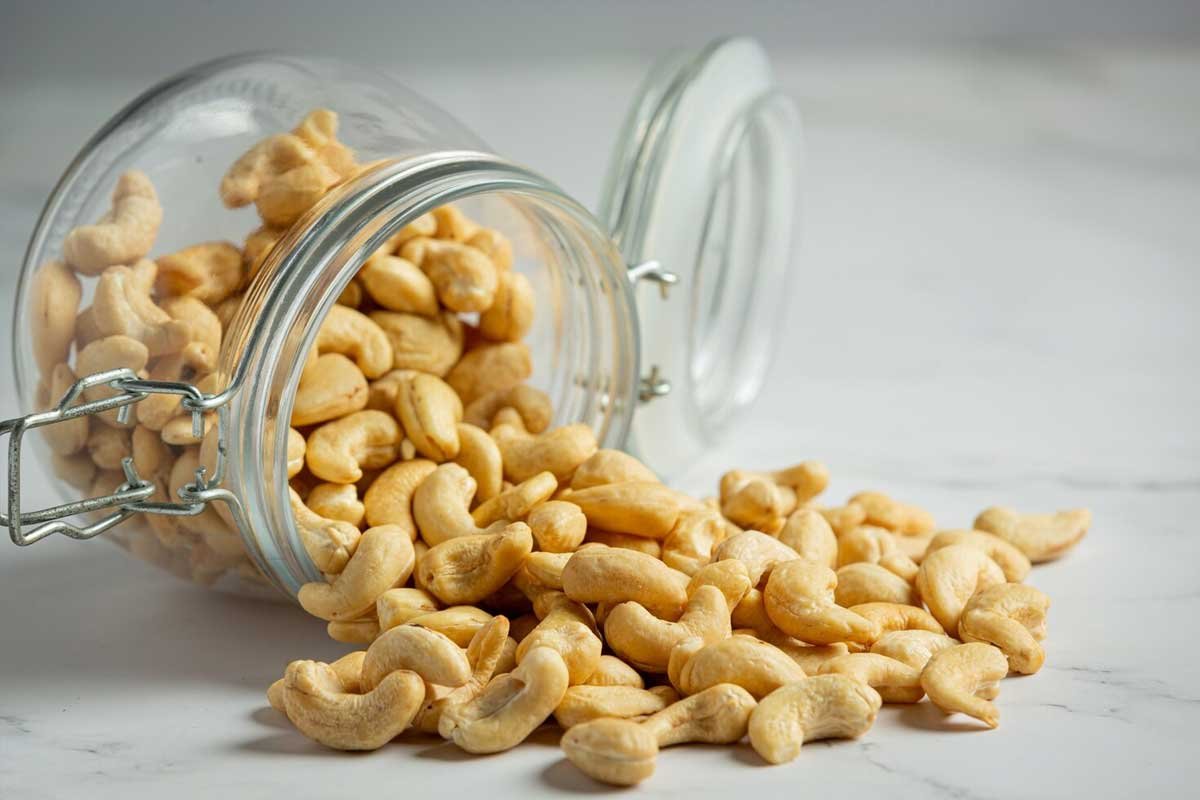
Cashews are not only delicious but also a good source of plant-based protein, making them a nutritious addition to a balanced diet. They are packed with essential minerals such as iron, magnesium, copper, and zinc, which support energy production, immune function, and overall health. Although cashews are relatively high in calories and healthy fats, enjoying them in moderation can provide valuable nutrients while fitting into a healthy eating plan.
Nutrition per 100 grams:
- Protein: Approximately 18.2 g
- Calories: Approximately 553 kcal
- Fat: 43.8 g
- Carbohydrates: 30.2 g
- Dietary Fiber: 3.3 g
4. Peanuts: An Affordable and High-Protein Option
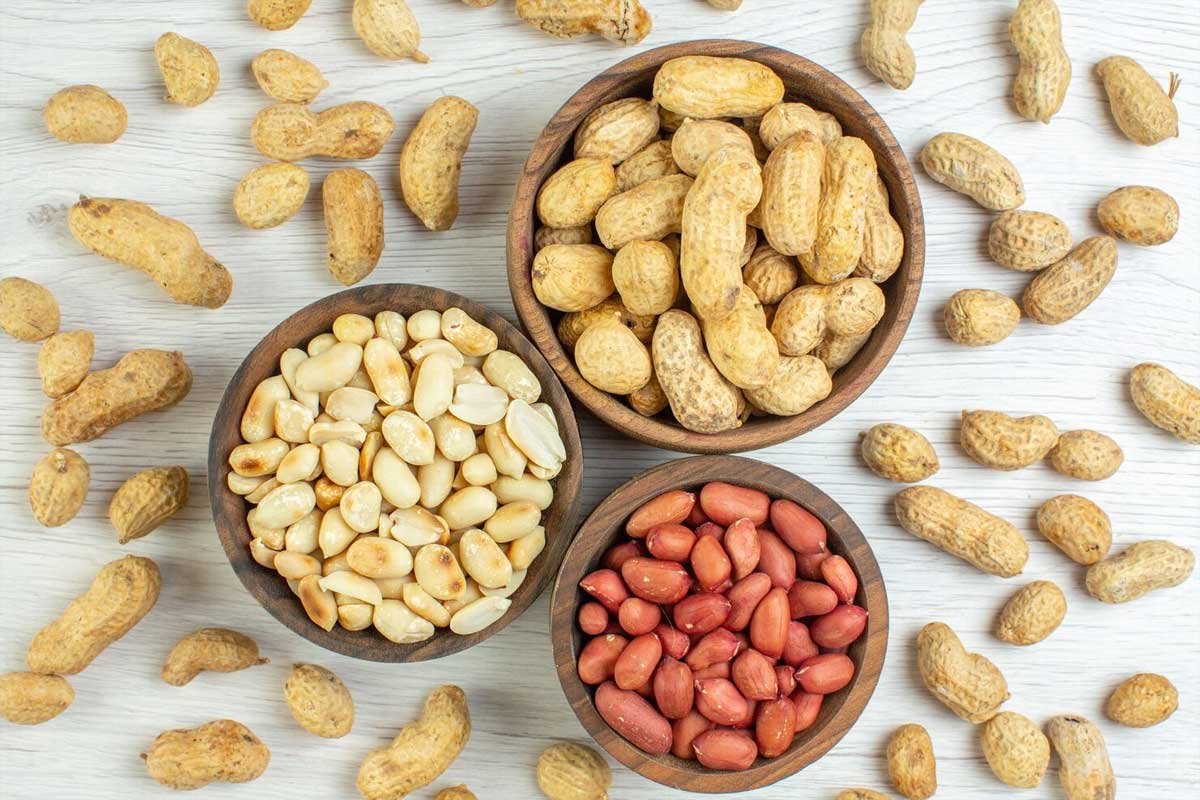
Although peanuts are technically legumes rather than true tree nuts, they are often grouped with dry fruits because of their impressive nutritional profile. In fact, peanuts are one of the richest and most affordable sources of plant-based protein. They also provide healthy unsaturated fats, dietary fiber, antioxidants, and important nutrients such as niacin, folate, and vitamin E. Including peanuts in moderation can help support muscle maintenance, promote satiety, and provide sustained energy throughout the day.
Also Read: What Are the Benefits of Moringa Leaves? Why Is It So Popular?
Nutrition per 100 grams:
- Protein: Approximately 25.8 g
- Calories: Approximately 567 kcal
- Fat: 49.2 g
- Carbohydrates: 16.1 g
- Dietary Fiber: 8.5 g
5. Walnuts: A Nutrient-Dense Choice for Heart and Brain Health
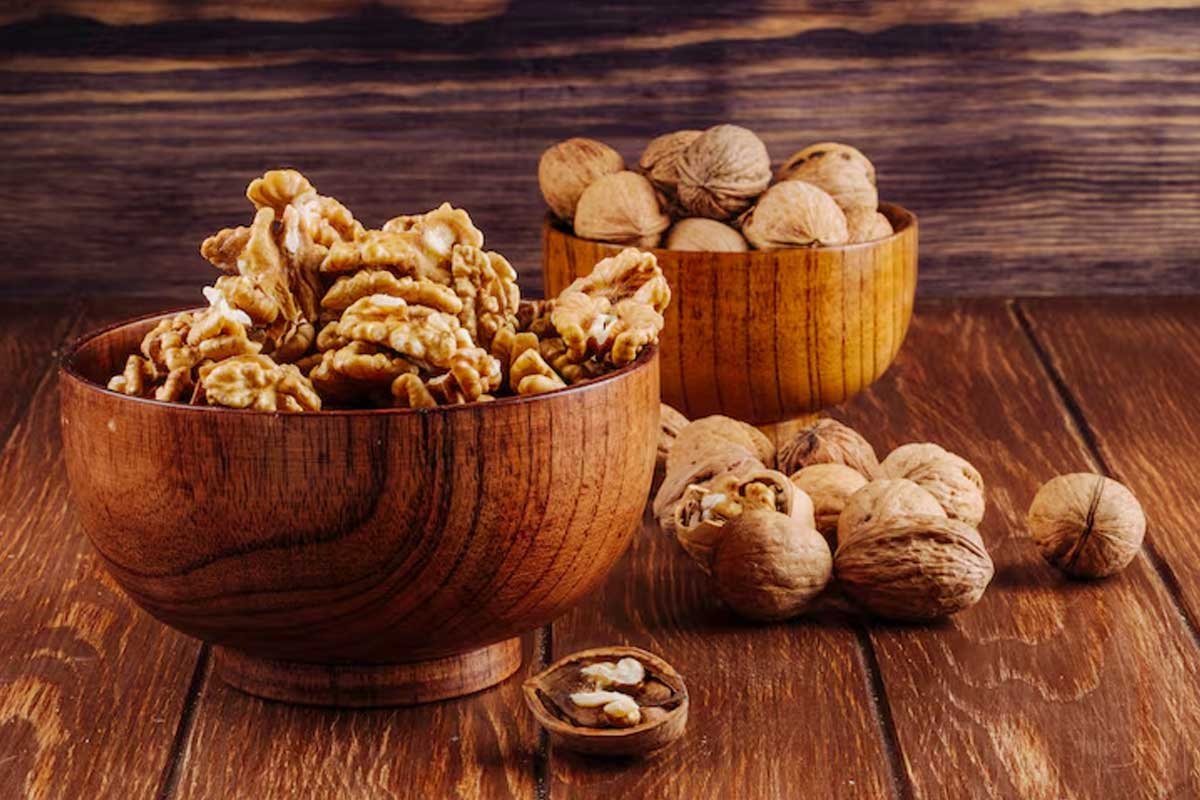
Walnuts are widely recognized for their impressive nutritional profile and are one of the best natural sources of plant-based omega-3 fatty acids (ALA). While they contain slightly less protein than some other dry fruits, they are packed with healthy fats, antioxidants, copper, manganese, and other essential nutrients that support overall wellness. Regularly enjoying walnuts in moderation may help promote heart health, support normal brain function, reduce inflammation, and contribute to a balanced, nutrient-rich diet.
Nutrition per 100 grams:
- Protein: Approximately 15.2 g
- Calories: Approximately 654 kcal
- Fat: 65.2 g
- Carbohydrates: 13.7 g
- Dietary Fiber: 6.7 g
The Best Way to Eat High-Protein Dry Fruits

If your goal is to build muscle, maintain a healthy weight, or enjoy long-lasting energy throughout the day, it’s important to eat dry fruits in moderation. Many nutrition experts recommend consuming about 25 to 40 grams of mixed dry fruits per day as part of a balanced diet, though individual needs may vary depending on age, activity level, and overall calorie intake.
High-protein dry fruits make an excellent addition to breakfast, a post-workout meal, or a healthy snack between meals. For the healthiest option, choose unsalted and unsweetened varieties to avoid excess sodium and added sugars while getting the maximum nutritional benefits.
Who Should Be Cautious When Eating Dry Fruits?
While dry fruits are packed with essential nutrients, they are also calorie-dense, so portion control is important. People with tree nut allergies or peanut allergies, kidney disease, or those following a medically prescribed diet should consult their healthcare provider or a registered dietitian before making significant changes to their diet.
Individuals living with diabetes should also pay attention to portion sizes, as excessive intake may increase overall calorie and carbohydrate consumption. Choosing the right serving size can help you enjoy the nutritional benefits of dry fruits while supporting your overall health goals.
Also Read: How Many Bananas Can I Eat in a Day, Find Out What Experts Say
Frequently Asked Questions (FAQs)
Q1. Which dry fruit has the highest protein?
Peanuts are among the highest-protein options, providing approximately 25.8 grams of protein per 100 grams, followed closely by almonds, which offer about 21.2 grams per 100 grams.
Q2. Are dry fruits good for muscle building?
Yes. Many dry fruits contain plant-based protein, healthy fats, and essential nutrients that support muscle recovery, muscle growth, and overall fitness when combined with a balanced diet and regular strength training.
Q3. How many dry fruits should I eat daily?
Most nutrition experts recommend 25-40 grams of mixed dry fruits per day, depending on your age, activity level, and overall calorie needs.
Q4. Can dry fruits help with weight management?
Yes. When eaten in moderation, the protein, healthy fats, and dietary fiber in dry fruits can help you feel full for longer, reducing unnecessary snacking and supporting healthy weight management.
Q5. Is this high protein dry fruits list suitable for a healthy diet?
Yes. This high protein dry fruits list includes nutrient-dense options that can be an excellent addition to a healthy, balanced diet when consumed in appropriate portions.
Conclusion
This high protein dry fruits list highlights some of the best nutrient-rich options, including almonds, pistachios, cashews, peanuts, and walnuts. Each offers a unique combination of plant-based protein, healthy fats, dietary fiber, vitamins, and essential minerals that can support overall health and wellness. When enjoyed in appropriate portions, these dry fruits can be a valuable part of a balanced diet, helping provide sustained energy, support muscle health, and contribute to your daily nutritional needs. For the best results, pair them with a well-balanced eating plan, regular physical activity, and other healthy lifestyle habits.
Disclaimer
This article is intended for general informational and educational purposes only and should not be considered a substitute for professional medical advice, diagnosis, or treatment. If you have a medical condition, food allergy, kidney disease, diabetes, or specific dietary requirements, consult your healthcare provider or a registered dietitian before making any significant changes to your diet. Always seek personalized medical guidance for health-related decisions.

I am Danish, the creator of Health Update 24. I write about health, nutrition, fitness, and healthy lifestyle topics, sharing simple, practical, and well-researched information to help readers make informed decisions about their well-being. Know More