
Type 2 diabetes signs and symptoms often appear slowly over months or even years, which is why many people live with the condition without realizing it. Unlike type 1 diabetes, which usually develops suddenly, type 2 diabetes progresses gradually as the body becomes resistant to insulin or doesn’t produce enough insulin to keep blood sugar within a healthy range.
In the early stages, symptoms such as increased thirst, frequent urination, constant fatigue, blurry vision, or slow-healing wounds may seem harmless or be mistaken for everyday stress, aging, or a busy lifestyle. However, ignoring these warning signs can allow high blood sugar to damage the heart, kidneys, nerves, eyes, and blood vessels over time.
The good news is that recognizing the early symptoms and getting tested promptly can make a significant difference. Lifestyle changes, timely diagnosis, and appropriate medical treatment can help many people manage type 2 diabetes successfully and reduce the risk of long-term complications.
This guide explains the most common type 2 diabetes signs and symptoms, why they happen, who is at higher risk, and when you should speak with a healthcare professional.
Table of Contents
What Is Type 2 Diabetes?
Type 2 diabetes is a chronic metabolic condition in which the body cannot effectively use insulin, a hormone produced by the pancreas that allows glucose (sugar) to move from the bloodstream into cells for energy. Over time, the body becomes resistant to insulin, and the pancreas may struggle to produce enough insulin to keep blood sugar levels under control.
As glucose builds up in the bloodstream instead of entering the body’s cells, organs and tissues are exposed to persistently high blood sugar. This can gradually damage blood vessels and nerves, increasing the risk of serious health problems if the condition is not managed.
Today, type 2 diabetes affects hundreds of millions of people worldwide and has become one of the most common chronic diseases. While it is more frequently diagnosed in adults, it is increasingly seen in younger adults, teenagers, and even children due to rising rates of obesity, physical inactivity, and unhealthy dietary patterns.
According to the Centers for Disease Control and Prevention (CDC), type 2 diabetes is the most common form of diabetes and develops when the body becomes resistant to insulin or does not produce enough insulin to maintain healthy blood sugar levels. Early recognition of symptoms and timely treatment can help reduce the risk of serious complications.
Why Do Type 2 Diabetes Symptoms Develop?
Every cell in your body needs glucose for energy. Insulin acts like a key, helping glucose enter the cells. In type 2 diabetes, this process no longer works efficiently.
Initially, the pancreas compensates by producing more insulin. Over time, however, insulin resistance increases and the pancreas cannot keep up with the body’s demands. As a result, glucose remains in the bloodstream, causing elevated blood sugar levels.
High blood sugar affects many organs simultaneously. The kidneys try to remove excess glucose through urine, leading to increased urination and dehydration. Cells receive less glucose for energy, causing tiredness and weakness. Elevated blood sugar can also affect the eyes, nerves, skin, and immune system, explaining why symptoms often appear in different parts of the body.
Because this process develops gradually, many people overlook the early warning signs until routine blood tests reveal high glucose levels or complications begin to develop.
Also Read: Healthy High Protein Breakfast: 10 Healthy Breakfast Ideas
Early Type 2 Diabetes Signs and Symptoms
The early type 2 diabetes signs and symptoms can be subtle and easy to overlook because they often develop gradually. Many people mistake these changes for stress, aging, or a busy lifestyle. Recognizing these warning signs early is important, as timely diagnosis and treatment can help prevent serious complications such as heart disease, kidney damage, nerve problems, and vision loss. Below are the most common early symptoms you should never ignore.
1. Increased Thirst (Polydipsia)
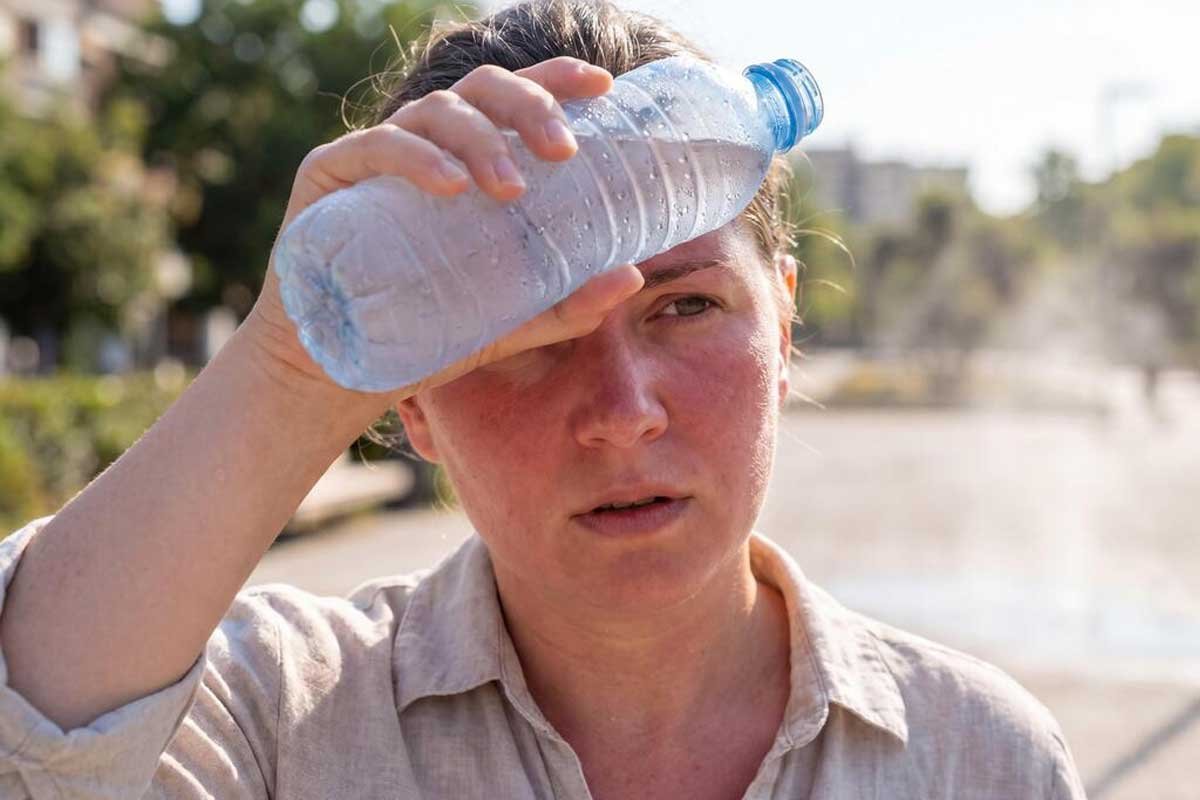
One of the earliest type 2 diabetes signs and symptoms is feeling unusually thirsty throughout the day. As excess glucose leaves the body through urine, it pulls water with it, leading to dehydration. Your brain responds by triggering persistent thirst, even if you’re drinking enough fluids.
If you constantly feel thirsty without an obvious cause, especially when combined with frequent urination, it is worth discussing with a healthcare provider.
2. Frequent Urination (Polyuria)
Frequent trips to the bathroom, particularly during the night, are another common warning sign. When blood sugar levels rise above normal, the kidneys work harder to filter and remove the excess glucose.
This process increases urine production and may disrupt sleep due to nighttime urination.
3. Constant Fatigue
Feeling exhausted despite getting enough sleep is common among people with undiagnosed type 2 diabetes. Since glucose cannot efficiently enter the body’s cells, your muscles and organs do not receive the energy they need. Dehydration caused by increased urination can make fatigue even worse. Persistent tiredness that lasts for weeks should never be ignored.
4. Increased Hunger (Polyphagia)
Even after eating a full meal, you may feel hungry again within a short period. This happens because your body’s cells are unable to access glucose effectively, leaving them “starved” for energy despite high blood sugar levels. Many people notice unexplained increases in appetite before receiving a diagnosis.
5. Blurred Vision
High blood sugar can temporarily change the shape of the eye’s lens by drawing fluid into surrounding tissues. This affects how light focuses on the retina, causing blurry or fluctuating vision. If blood sugar remains uncontrolled for long periods, damage to the retina (diabetic retinopathy) may eventually develop.
6. Slow-Healing Cuts and Wounds
High blood sugar affects circulation and weakens the body’s immune response. As a result, cuts, scrapes, blisters, or surgical wounds may take much longer to heal than usual. People may also notice frequent skin infections or wounds that repeatedly become infected.
7. Frequent Infections
People with elevated blood sugar are more likely to experience:
- Urinary tract infections (UTIs)
- Skin infections
- Gum infections
- Yeast infections
- Fungal infections
Excess glucose creates an environment where bacteria and fungi can grow more easily.
8. Numbness or Tingling in Hands and Feet
One of the early signs of diabetic nerve damage is tingling, burning, or numbness in the feet or hands. Although nerve damage typically develops over time, some people notice these symptoms before receiving a diagnosis. Early blood sugar control may help slow further nerve damage.
9. Unexplained Weight Loss
Although weight gain is more commonly associated with type 2 diabetes, some people experience unexpected weight loss. When cells cannot use glucose effectively, the body begins breaking down fat and muscle for energy, leading to gradual weight loss without trying.
If you lose weight unintentionally while also experiencing increased thirst and fatigue, medical evaluation is recommended.
10. Dark Patches of Skin (Acanthosis Nigricans)
Dark, thickened, velvety patches of skin, especially around the neck, underarms, elbows, or groin, may be an early indicator of insulin resistance. While not everyone with insulin resistance develops these skin changes, they are considered an important clinical clue and should prompt further evaluation.
Also Read: List of High Protein Vegetables: Top 6 Veggies
Less Common Type 2 Diabetes Symptoms You Shouldn’t Ignore
Some people experience less obvious symptoms before diagnosis, including:
| Symptom | Why It Happens |
|---|---|
| Dry mouth | Dehydration from increased urination |
| Dry or itchy skin | Reduced hydration and circulation |
| Irritability | Blood sugar fluctuations |
| Difficulty concentrating | Brain cells rely on steady glucose levels |
| Recurrent gum disease | High blood sugar weakens immune defenses |
| Sexual dysfunction | Nerve and blood vessel damage over time |
Although these symptoms can have many causes, experiencing several together increases the likelihood that blood sugar should be checked.
When Should You See a Doctor?

You should schedule a medical evaluation if you experience any combination of the following:
- Excessive thirst lasting several weeks
- Frequent urination, especially at night
- Persistent fatigue
- Blurry vision
- Slow-healing wounds
- Recurrent infections
- Tingling or numbness in the feet or hands
- Unexplained weight loss
- Dark skin patches around the neck or underarms
Early diagnosis allows treatment to begin before serious complications develop. Healthcare professionals typically confirm the condition using blood tests rather than symptoms alone.
Type 2 Diabetes Causes
Understanding type 2 diabetes causes can help you reduce your risk and recognize why the disease develops. Type 2 diabetes does not have a single cause. Instead, it results from a combination of genetics, lifestyle, and environmental factors that gradually affect how the body uses insulin.
The underlying problem is insulin resistance, where the body’s cells stop responding effectively to insulin. To compensate, the pancreas produces more insulin. Over time, the pancreas can no longer keep up with the increased demand, causing blood sugar levels to rise.
According to health authorities such as the CDC, NIH, and WHO, several factors increase the likelihood of developing type 2 diabetes.
Common Risk Factors
| Risk Factor | How It Increases Risk |
|---|---|
| Overweight or obesity | Increases insulin resistance |
| Physical inactivity | Reduces insulin sensitivity |
| Family history | Genetics can increase susceptibility |
| Age over 45 | Risk generally increases with age, although younger adults can also develop it |
| Prediabetes | Blood sugar is already higher than normal |
| High blood pressure | Often occurs alongside metabolic disorders |
| High cholesterol or triglycerides | Associated with insulin resistance |
| History of gestational diabetes | Raises future diabetes risk |
| Polycystic Ovary Syndrome (PCOS) | Linked to insulin resistance |
| Smoking | Damages blood vessels and increases insulin resistance |
It is important to remember that not everyone with these risk factors develops diabetes, and some people with few risk factors still receive a diagnosis. Genetics and overall metabolic health play an important role.
How to Diagnose Type 2 Diabetes
Because symptoms often develop slowly, blood tests are the only reliable way to confirm the diagnosis. If your healthcare provider suspects diabetes based on your symptoms or risk factors, they may recommend one or more of the following tests.
Common Diagnostic Tests
| Test | Diabetes Range |
|---|---|
| HbA1c (A1C) | 6.5% or higher |
| Fasting Blood Sugar | 126 mg/dL (7.0 mmol/L) or higher |
| Oral Glucose Tolerance Test | 200 mg/dL (11.1 mmol/L) or higher after 2 hours |
| Random Blood Sugar | 200 mg/dL (11.1 mmol/L) or higher with classic symptoms |
The HbA1c test is commonly used because it reflects your average blood sugar over the previous two to three months rather than a single point in time. Your healthcare provider may repeat abnormal results on another day unless symptoms and blood sugar levels clearly indicate diabetes.
Also Read: 10 Tips for Good Health to Stay Fit
Type 2 Diabetes Treatments
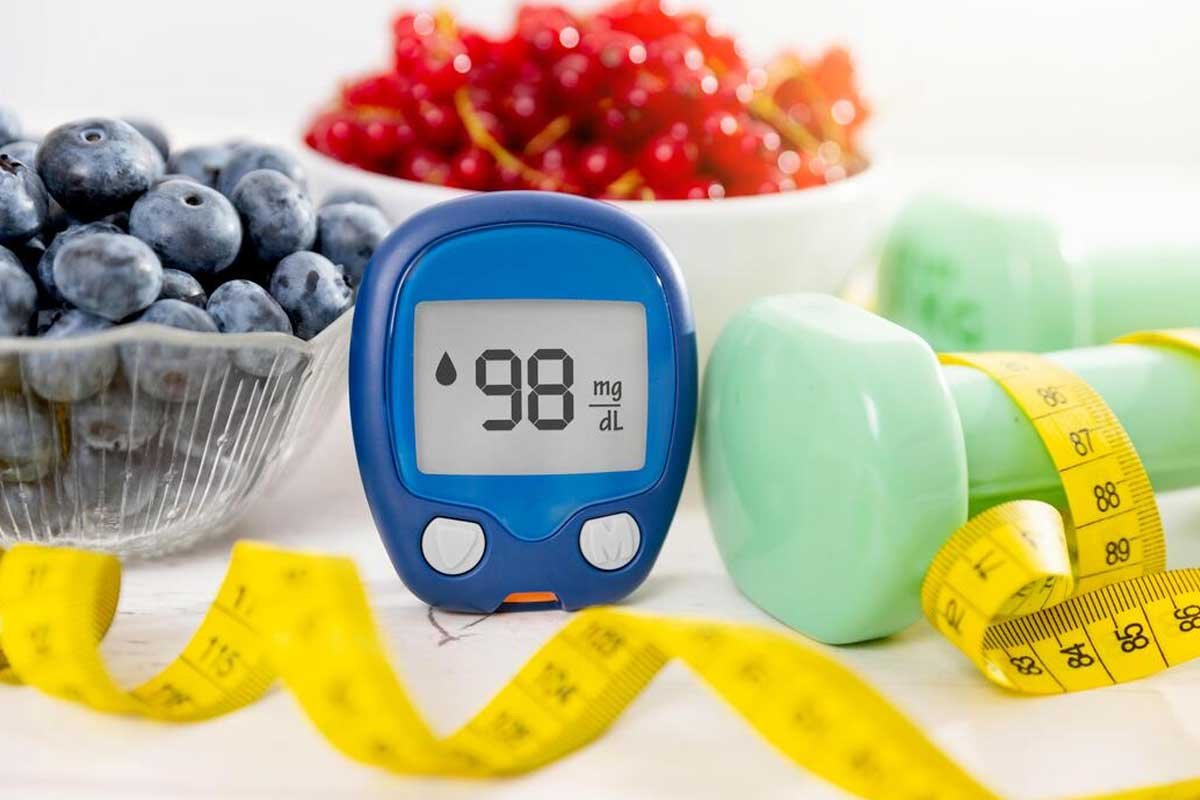
Many people ask about type 2 diabetes treatments immediately after diagnosis. While there is currently no permanent cure, the condition can often be managed successfully through lifestyle changes, medication, and regular monitoring.
Treatment plans are individualized based on age, overall health, blood sugar levels, and the presence of other medical conditions.
Lifestyle Changes
For many people, healthy habits form the foundation of treatment.
These may include:
- Eating a balanced, high-fiber diet
- Reducing added sugars and refined carbohydrates
- Choosing whole grains, lean proteins, legumes, vegetables, and healthy fats
- Exercising for at least 150 minutes per week
- Losing excess body weight if recommended
- Getting adequate sleep
- Managing stress
- Quitting smoking
Medications
If lifestyle changes alone are not enough, your healthcare provider may prescribe medications such as:
- Metformin
- GLP-1 receptor agonists
- SGLT2 inhibitors
- DPP-4 inhibitors
- Sulfonylureas
- Thiazolidinediones (TZDs)
Some people may also require insulin, particularly if blood sugar remains difficult to control. Medication choices depend on factors including heart health, kidney function, weight management goals, and individual preferences.
Is Type 2 Diabetes Dangerous?
Many readers ask, “Type 2 diabetes is it dangerous?”
The short answer is yes, but primarily when it remains untreated or poorly controlled. Persistently high blood sugar damages blood vessels, nerves, and vital organs over many years. The condition itself develops slowly, but its complications can become serious if treatment is delayed.
Fortunately, research consistently shows that early diagnosis, healthy lifestyle changes, regular monitoring, and appropriate medication significantly reduce the risk of complications.
Type 2 Diabetes Effects and Long-Term Complications
One reason early diagnosis matters is that type 2 diabetes effects extend beyond blood sugar. Chronic high glucose levels can affect nearly every organ system in the body.

Possible Complications
| Body System | Possible Effect |
|---|---|
| Heart | Heart disease, heart attack |
| Brain | Stroke |
| Eyes | Diabetic retinopathy, vision loss |
| Kidneys | Chronic kidney disease |
| Nerves | Peripheral neuropathy |
| Feet | Ulcers, infections, amputation risk |
| Blood vessels | Poor circulation |
| Immune system | Increased infection risk |
| Oral health | Gum disease |
| Sexual health | Erectile dysfunction or reduced sexual function |
These complications usually develop over years rather than weeks. Keeping blood sugar, blood pressure, and cholesterol under control greatly lowers these risks.
Can Type 2 Diabetes Be Prevented?
Although not every case is preventable, many people can significantly reduce their risk. Research has shown that healthy lifestyle habits improve insulin sensitivity and lower the chance of developing diabetes.
Prevention Tips
- Maintain a healthy body weight.
- Stay physically active most days of the week.
- Eat more vegetables, fruits, legumes, and whole grains.
- Limit sugary drinks and ultra-processed foods.
- Avoid smoking.
- Get regular sleep.
- Have routine blood sugar screening if you have risk factors.
Even modest weight loss can make a meaningful difference for people with prediabetes.
What Should You Eat If You Have Type 2 Diabetes?
A diabetes-friendly diet focuses on balanced nutrition rather than strict food restrictions.
Foods to Eat More Often
| Food Group | Healthy Choices |
|---|---|
| Vegetables | Broccoli, spinach, peppers, carrots |
| Fruits | Berries, apples, citrus fruits (in moderation) |
| Whole grains | Oats, quinoa, brown rice |
| Protein | Fish, chicken, beans, lentils, tofu |
| Healthy fats | Nuts, seeds, olive oil, avocado |
| Dairy | Unsweetened yogurt, low-fat milk (if tolerated) |
Foods to Limit
- Sugary beverages
- Candy
- Cakes and pastries
- Refined white bread
- Processed snacks
- Deep-fried foods
- Highly processed meats
No single food causes or cures diabetes. Overall dietary patterns matter much more than individual foods.
Daily Habits That Help Manage Type 2 Diabetes
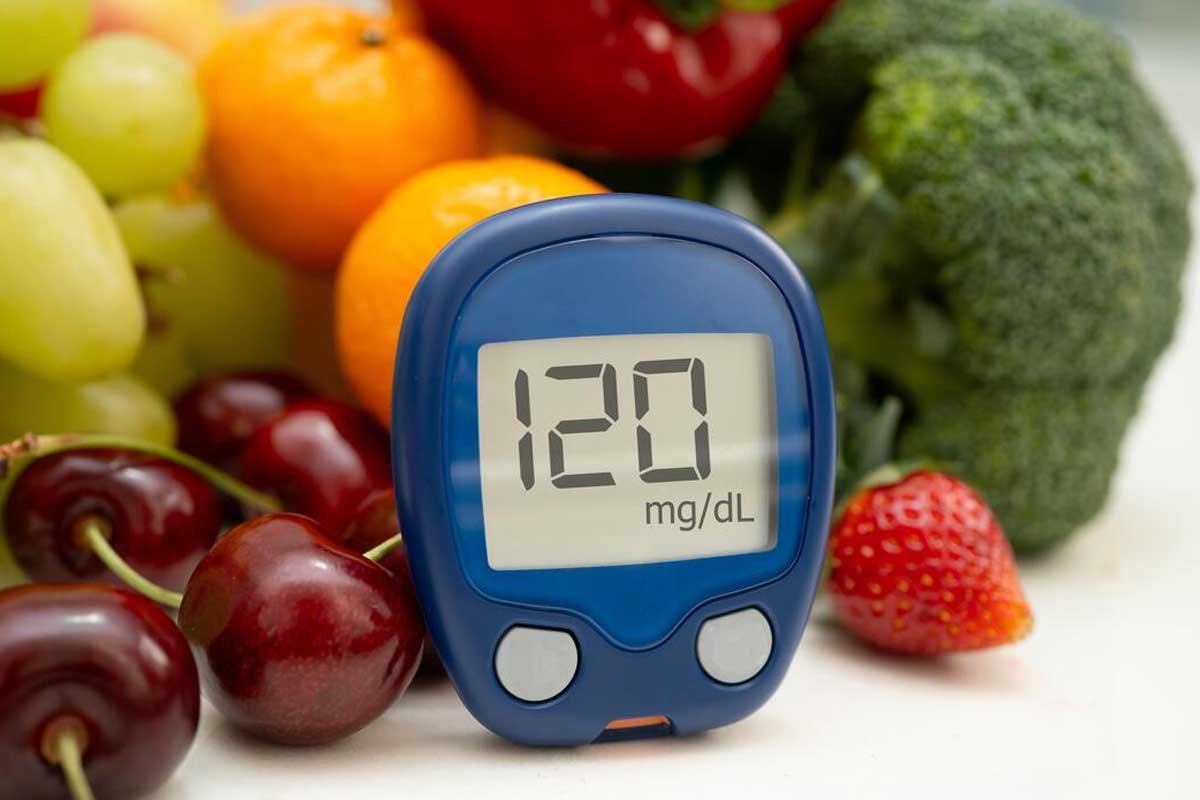
Small daily habits often have a greater long-term impact than occasional drastic changes.
Consider these practical strategies:
- Check blood sugar if recommended by your healthcare provider.
- Stay hydrated throughout the day.
- Walk after meals to support blood sugar control.
- Plan meals in advance.
- Read nutrition labels.
- Take medications exactly as prescribed.
- Schedule routine eye, kidney, and foot examinations.
- Keep follow-up appointments even if you feel well.
Consistency is usually more effective than trying extreme diets or exercise programs.
Also Read: Low Carb and High Protein Meals: 8 Healthy Meal Ideas
Common Mistakes People Make
Many people unknowingly make choices that can interfere with diabetes management.
Waiting Until Symptoms Become Severe
Because symptoms often develop gradually, some people postpone testing. Early diagnosis offers the best opportunity to prevent complications.
Skipping Regular Check-Ups
Blood sugar may appear stable while silent damage is occurring. Routine monitoring helps identify problems before they become serious.
Believing Medication Alone Is Enough
Medications work best when combined with healthy eating, physical activity, and weight management.
Following Unproven “Cures”
Be cautious of supplements, detox products, or online claims promising to reverse diabetes quickly. Always discuss alternative therapies with a qualified healthcare professional.
Ignoring Foot Care
Even minor cuts or blisters can become serious if nerve damage or poor circulation develops.
Expert Tips for Living Well With Type 2 Diabetes

Healthcare professionals generally recommend focusing on sustainable habits rather than perfection.
- Aim for gradual lifestyle improvements instead of drastic changes.
- Build meals around vegetables, lean protein, and high-fiber carbohydrates.
- Stay active even if you can only exercise for short periods.
- Monitor blood sugar as advised by your healthcare provider.
- Manage blood pressure and cholesterol alongside blood sugar.
- Prioritize quality sleep and stress management.
- Seek medical advice if symptoms change or worsen.
People who actively participate in their diabetes care often achieve better long-term health outcomes.
Type 1 vs. Type 2 Diabetes
| Feature | Type 1 Diabetes | Type 2 Diabetes |
|---|---|---|
| Cause | Autoimmune destruction of insulin-producing cells | Insulin resistance with reduced insulin production over time |
| Typical Onset | Often childhood or young adulthood | Usually adulthood, but increasingly seen in younger people |
| Insulin Required | Yes | Sometimes |
| Prevention | Currently not preventable | Many cases may be delayed or prevented through lifestyle changes |
| Progression | Usually rapid | Usually gradual |
Frequently Asked Questions (FAQs)
Q1. What are the first signs of type 2 diabetes?
The earliest type 2 diabetes signs and symptoms often include increased thirst, frequent urination, constant fatigue, increased hunger, blurred vision, and slow-healing cuts or wounds. Because these symptoms usually develop gradually, many people may not notice them until blood sugar levels become significantly elevated.
Q2. Can you have type 2 diabetes without symptoms?
Yes. Many people have type 2 diabetes for months or even years without obvious symptoms. This is why routine blood sugar screening is recommended for individuals with risk factors such as obesity, a family history of diabetes, prediabetes, or high blood pressure.
Q3. Is type 2 diabetes dangerous?
Yes, untreated or poorly managed type 2 diabetes can be dangerous. Over time, high blood sugar may damage the heart, kidneys, eyes, nerves, and blood vessels, increasing the risk of heart disease, stroke, kidney failure, vision loss, and nerve damage. Early diagnosis and proper treatment greatly reduce these risks.
Q4. What causes type 2 diabetes?
The most common type 2 diabetes causes include insulin resistance, excess body weight, physical inactivity, genetics, aging, prediabetes, gestational diabetes, and certain medical conditions such as polycystic ovary syndrome (PCOS). Lifestyle and genetic factors often work together to increase the risk.
Q5. How is type 2 diabetes diagnosed?
Healthcare providers use blood tests such as the HbA1c test, fasting blood sugar test, oral glucose tolerance test (OGTT), or random blood glucose test to diagnose diabetes. Symptoms alone cannot confirm the condition.
Q6. Can type 2 diabetes be reversed?
Some people can achieve diabetes remission through significant weight loss, healthy eating, regular physical activity, and medical supervision. However, remission does not mean the disease is permanently cured, and ongoing lifestyle management remains essential.
Q7. What foods should people with type 2 diabetes avoid?
People with type 2 diabetes should limit foods and drinks high in added sugars, refined carbohydrates, sugary beverages, processed snacks, pastries, and deep-fried foods. Instead, focus on vegetables, whole grains, lean proteins, healthy fats, and high-fiber foods.
Q8. Can exercise help control type 2 diabetes?
Yes. Regular physical activity improves insulin sensitivity, helps lower blood sugar, supports weight management, and reduces the risk of cardiovascular disease. Most adults should aim for at least 150 minutes of moderate-intensity exercise per week, unless advised otherwise by their healthcare provider.
Q9. When should I see a doctor?
You should consult a healthcare professional if you experience persistent thirst, frequent urination, unexplained weight loss, fatigue, blurry vision, numbness in your hands or feet, slow-healing wounds, or recurrent infections. Prompt evaluation can help detect diabetes before serious complications develop.
Q10. Can type 2 diabetes be prevented?
Although not every case can be prevented, maintaining a healthy weight, eating a balanced diet, exercising regularly, avoiding smoking, getting enough sleep, and having routine health checkups can significantly reduce your risk of developing type 2 diabetes.
Conclusion
Recognizing type 2 diabetes signs and symptoms early can make a significant difference to your long-term health. Because the condition often develops silently, symptoms such as excessive thirst, frequent urination, persistent fatigue, blurred vision, slow-healing wounds, and unexplained weight changes should never be ignored.
While receiving a diagnosis can feel overwhelming, modern type 2 diabetes treatments, healthy lifestyle changes, and regular medical care allow many people to live active, healthy lives. The earlier diabetes is identified, the greater the opportunity to prevent or delay serious complications affecting the heart, kidneys, eyes, and nerves.
If you notice several warning signs or have risk factors such as obesity, a family history of diabetes, or prediabetes, schedule a blood sugar test and speak with a qualified healthcare professional. Early action is one of the most effective steps you can take to protect your future health.
Medical Disclaimer
This article is intended for educational and informational purposes only and should not be considered medical advice. It is not a substitute for diagnosis, treatment, or guidance from a qualified healthcare professional. Never ignore professional medical advice or delay seeking medical care because of information you have read online.
If you think you may have diabetes or experience symptoms of high blood sugar, consult your healthcare provider promptly. In case of a medical emergency, contact your local emergency services immediately.

I am Danish, the creator of Health Update 24. I write about health, nutrition, fitness, and healthy lifestyle topics, sharing simple, practical, and well-researched information to help readers make informed decisions about their well-being. Know More