Celery Juice for Weight Loss has become one of the most talked-about wellness drinks in recent years. From social media influencers to health-conscious individuals, many people claim that drinking fresh celery juice every morning can help shed extra pounds, reduce bloating, and improve digestion. But does science actually support these claims?
The truth is that celery juice is not a magic weight-loss drink, yet it can be a smart addition to a healthy lifestyle. Celery is naturally low in calories, contains a high amount of water, and provides vitamins, minerals, and beneficial plant compounds that may support hydration and overall health. When used alongside a balanced diet, regular physical activity, and healthy habits, celery juice may help some people manage their weight more effectively.
In this comprehensive guide, you’ll learn how celery juice may support weight loss, its nutrition profile, potential benefits, the best time to drink it, easy recipes, common mistakes to avoid, and who should be cautious before adding it to their daily routine.
Table of Contents
What Is Celery Juice?
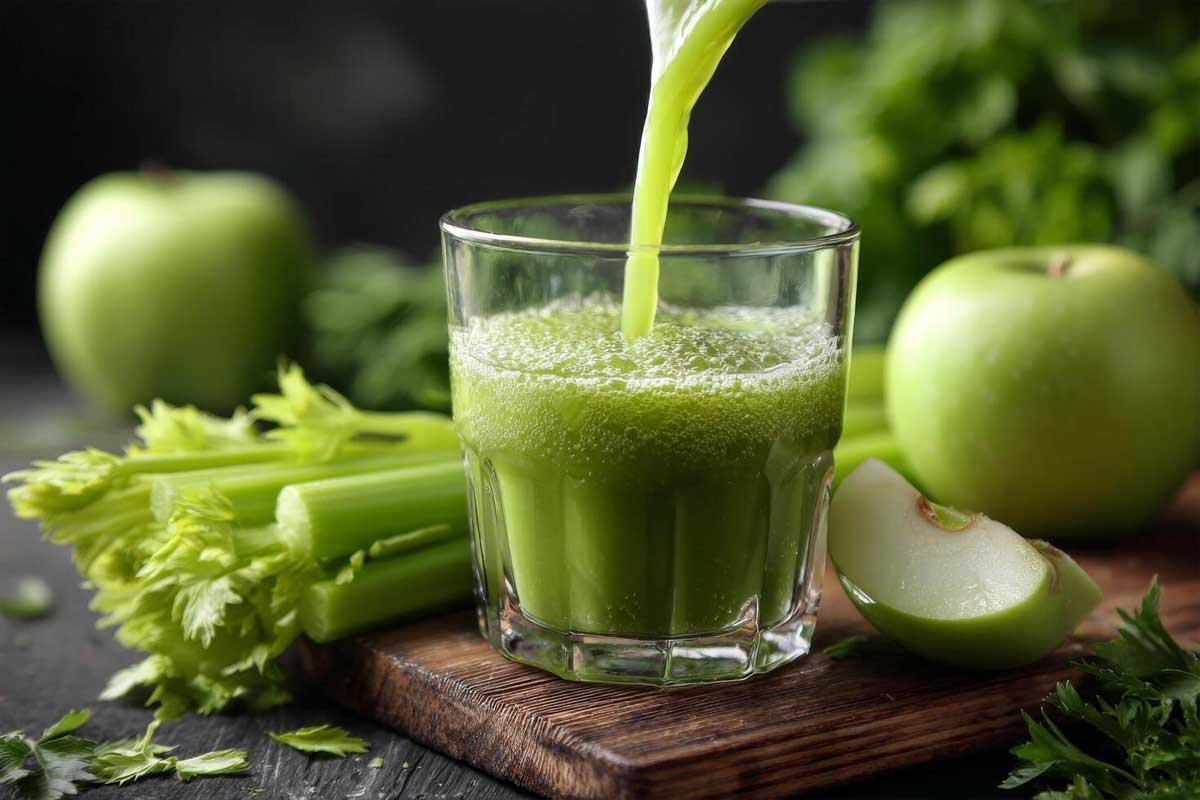
Celery juice is a simple beverage made by extracting liquid from fresh celery stalks using a juicer or blender. Unlike smoothies, most celery juice recipes remove much of the plant’s natural fiber during the juicing process, leaving behind a light, refreshing drink rich in water and small amounts of vitamins and minerals.
Celery contains nutrients such as vitamin K, vitamin C, folate, potassium, and antioxidants, including flavonoids and polyphenols. These compounds help support overall health, although they should not be viewed as a substitute for a balanced diet.
Many people drink celery juice first thing in the morning, believing it boosts metabolism or detoxifies the body. However, current scientific evidence does not support claims that celery juice detoxes the body or directly speeds fat burning. Your liver and kidneys naturally perform detoxification.
For weight management, celery juice is best viewed as a refreshing, low-calorie beverage rather than a miracle solution.
Is Celery Juice Good for Weight Loss?
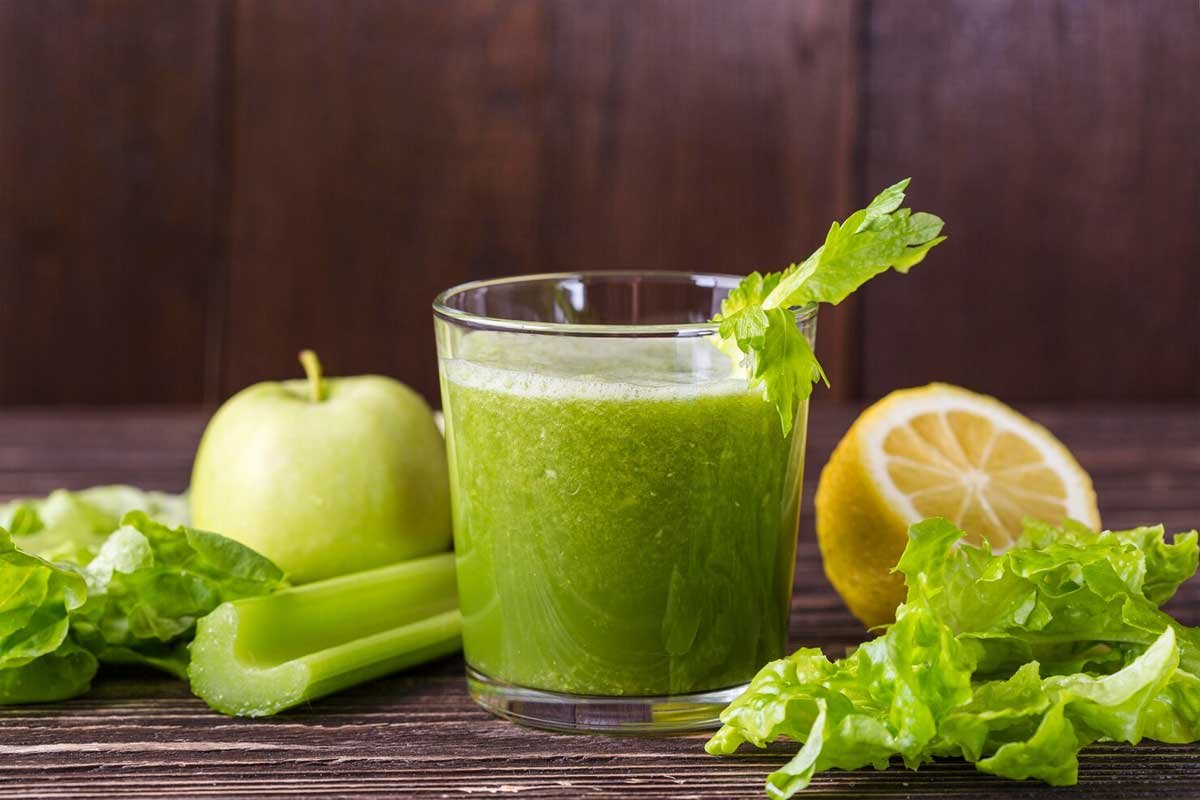
The short answer is yes, when used appropriately, but not for the reasons many people think. Celery juice contains very few calories compared with sugar-sweetened beverages, specialty coffee drinks, or fruit juices. Swapping these higher-calorie drinks for celery juice can help reduce overall calorie intake, which is one of the key factors in weight loss.
Another advantage is its high water content. Staying hydrated can support normal body functions and may help some people better distinguish thirst from hunger. Drinking a low-calorie beverage before meals may also encourage mindful eating for some individuals.
However, celery juice does not contain special fat-burning compounds that melt body fat. Scientific studies have not shown that celery juice alone leads to significant weight loss. Sustainable results come from combining healthy eating, regular exercise, sufficient sleep, and consistent habits.
If you’re already following a healthy eating plan, celery juice can be a nutritious addition, but it should complement, not replace, whole vegetables and balanced meals.
For better results, pair celery juice with a healthy high-protein breakfast, such as eggs, Greek yogurt, or cottage cheese, to help improve satiety and reduce unnecessary snacking later in the day.
Why Celery Juice May Support Weight Loss

Although celery juice isn’t a fat-burning drink, several characteristics make it compatible with a weight-loss plan.
1. Naturally Low in Calories
A typical serving contains relatively few calories, making it an excellent replacement for sugary beverages that can easily add hundreds of extra calories each day.
2. High Water Content
Celery is composed of about 95% water. Good hydration supports overall health and may help some people manage appetite throughout the day.
3. Supports Healthy Eating Habits
Starting the day with a nutritious drink may encourage healthier food choices later, although this effect depends on the individual’s overall diet.
4. Rich in Plant Compounds
Celery contains antioxidants such as apigenin and luteolin that help protect cells from oxidative stress. While these compounds support general health, more research is needed to determine their direct impact on body weight.
5. Helps Replace Sugary Drinks
One of the biggest benefits of celery juice for weight loss is what it replaces. Choosing celery juice instead of soda, sweetened juices, or high-calorie coffee beverages can reduce daily energy intake over time.
Celery Juice Calories and Nutrition
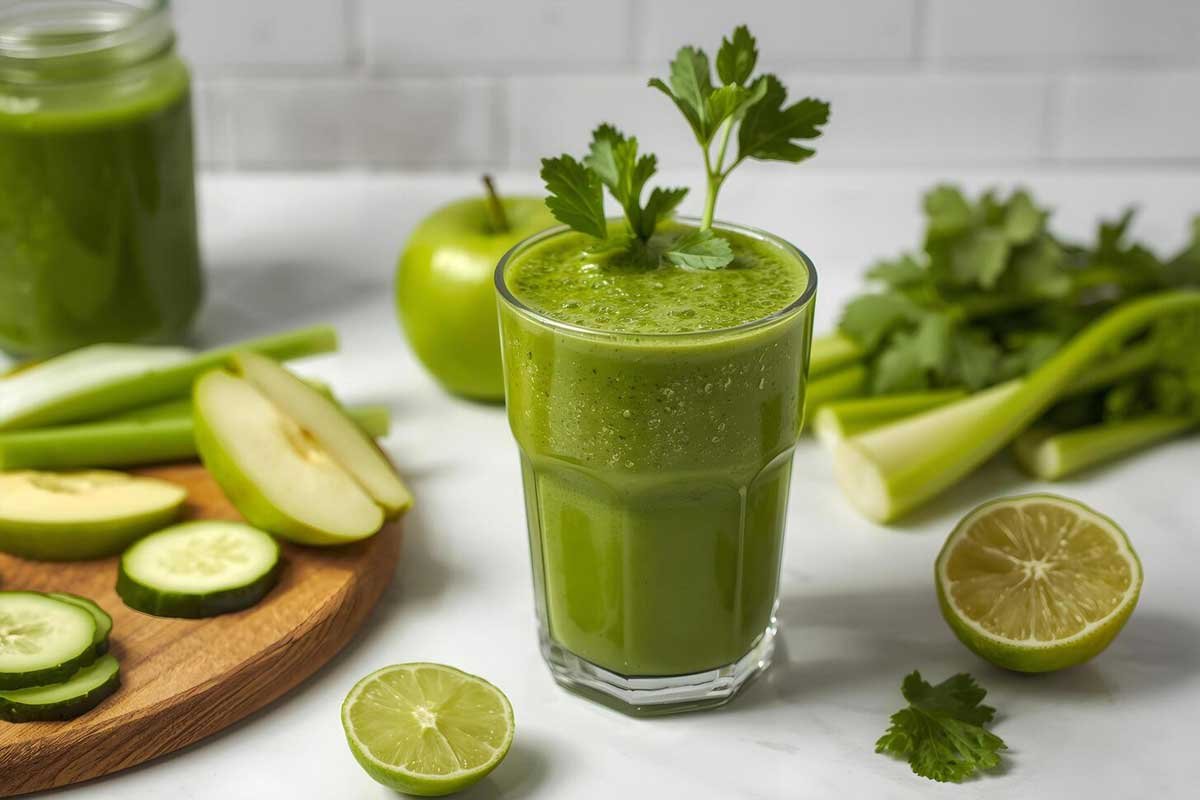
The nutritional values below are approximate for 8 ounces (240 ml) of plain fresh celery juice without added sugar.
| Nutrient | Approximate Amount |
|---|---|
| Calories | 30-40 kcal |
| Protein | 1-2 g |
| Carbohydrates | 6-7 g |
| Natural Sugars | 3-4 g |
| Dietary Fiber | Less than 1 g |
| Fat | 0 g |
| Potassium | ~450 mg |
| Vitamin K | Good source |
| Folate | Small amount |
| Vitamin C | Small amount |
| Water | Over 90% |
Key Takeaway: Celery juice is low in calories and hydrating, but because most fiber is removed during juicing, whole celery is generally more filling and may better support appetite control.
Also Read: Is Chickpeas Good for Weight Loss? Calories & Benefits
Celery Juice Benefits for Weight Loss
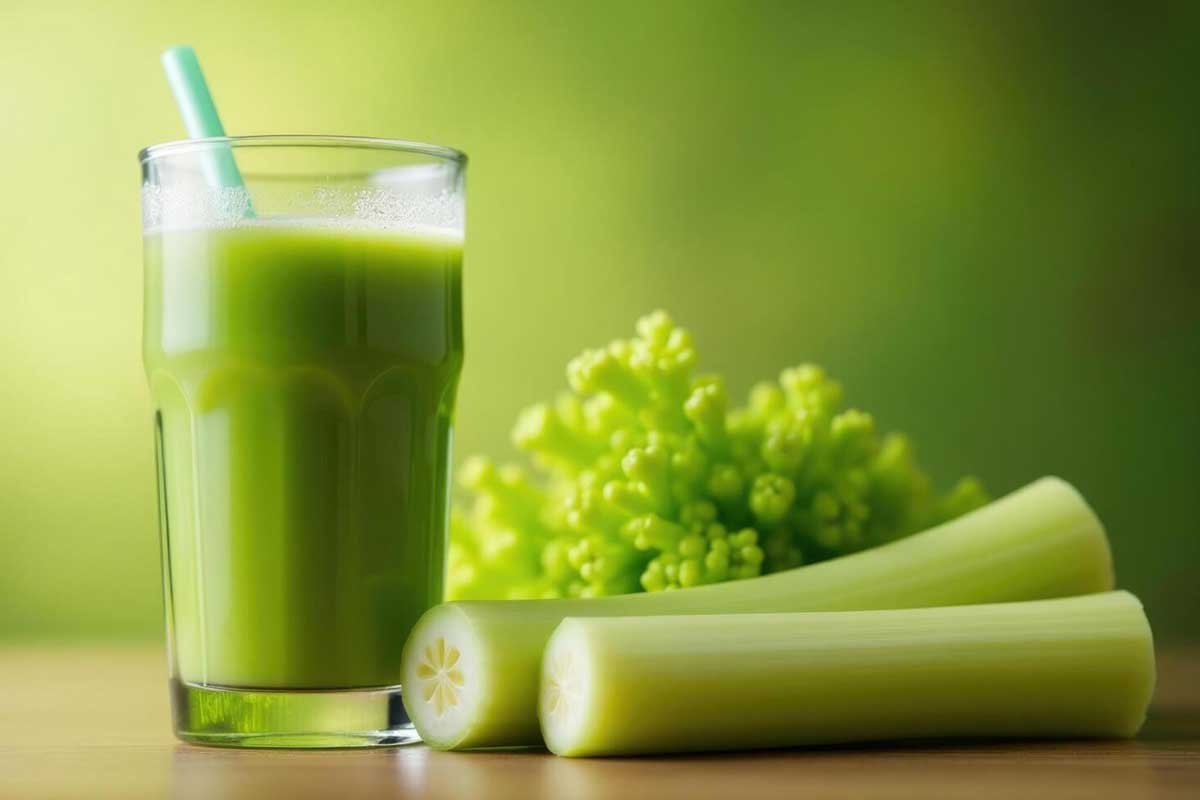
1. May Help Reduce Overall Calorie Intake
Replacing calorie-dense drinks with celery juice can support a calorie deficit, the fundamental requirement for weight loss. While the calorie savings from one drink may seem small, making this swap consistently over weeks or months can contribute to gradual, sustainable progress.
2. Supports Hydration
Hydration is often overlooked in weight management. Mild dehydration may sometimes be mistaken for hunger, leading people to snack unnecessarily. Drinking celery juice can help increase fluid intake, especially for those who struggle to drink enough water.
3. Encourages Healthier Morning Habits
Many people who incorporate celery juice into their morning routine also begin paying closer attention to breakfast quality, meal planning, and daily hydration. These lifestyle improvements, not the juice alone, often play a meaningful role in successful weight management.
For even better results, pair celery juice with a protein-rich breakfast instead of relying on juice alone. Foods like eggs, Greek yogurt, or oatmeal can help keep you full for longer. If you’re wondering whether breakfast timing matters, our guide on best time to eat eggs for weight loss explains how eggs can support appetite control and healthy weight management.
4. Provides Beneficial Micronutrients
Celery juice supplies potassium and vitamin K, nutrients involved in normal muscle function, bone health, and overall wellness. Although it should not replace whole vegetables, it can contribute to daily nutrient intake as part of a varied diet.
5. May Help Reduce Consumption of Processed Beverages
For people who regularly consume sweetened soft drinks, replacing just one sugary beverage per day with fresh celery juice can significantly reduce added sugar intake over time. This simple dietary change may support healthier eating patterns.
How Celery Juice Works in the Body
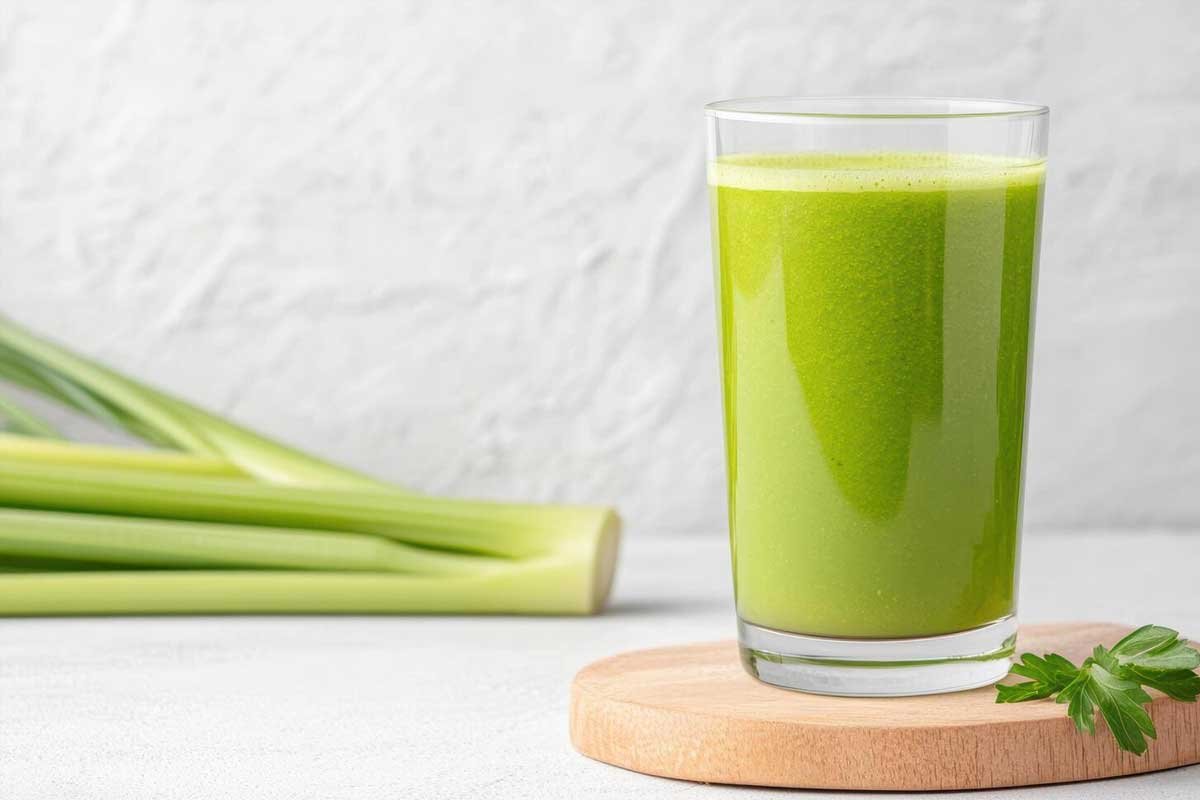
Understanding what happens after you drink celery juice can help separate evidence-based benefits from popular myths.
Once consumed, the water in celery juice helps support hydration, while its natural carbohydrates provide a small amount of energy. Vitamins, minerals, and antioxidants are absorbed and contribute to normal body functions. However, because most of the fiber has been removed during juicing, celery juice is digested more quickly than whole celery and is generally less filling.
Contrary to many online claims, celery juice does not “flush out toxins” or “melt belly fat.” Healthy weight loss occurs when the body consistently uses more energy than it consumes over time. Celery juice can fit into this process by replacing higher-calorie beverages and supporting overall healthy habits, not by changing metabolism on its own.
If you’re trying to build a balanced weight-loss routine, pairing celery juice with nutrient-rich foods and regular movement is far more effective than relying on any single drink.
Celery Juice vs Whole Celery: Which Is Better for Weight Loss?
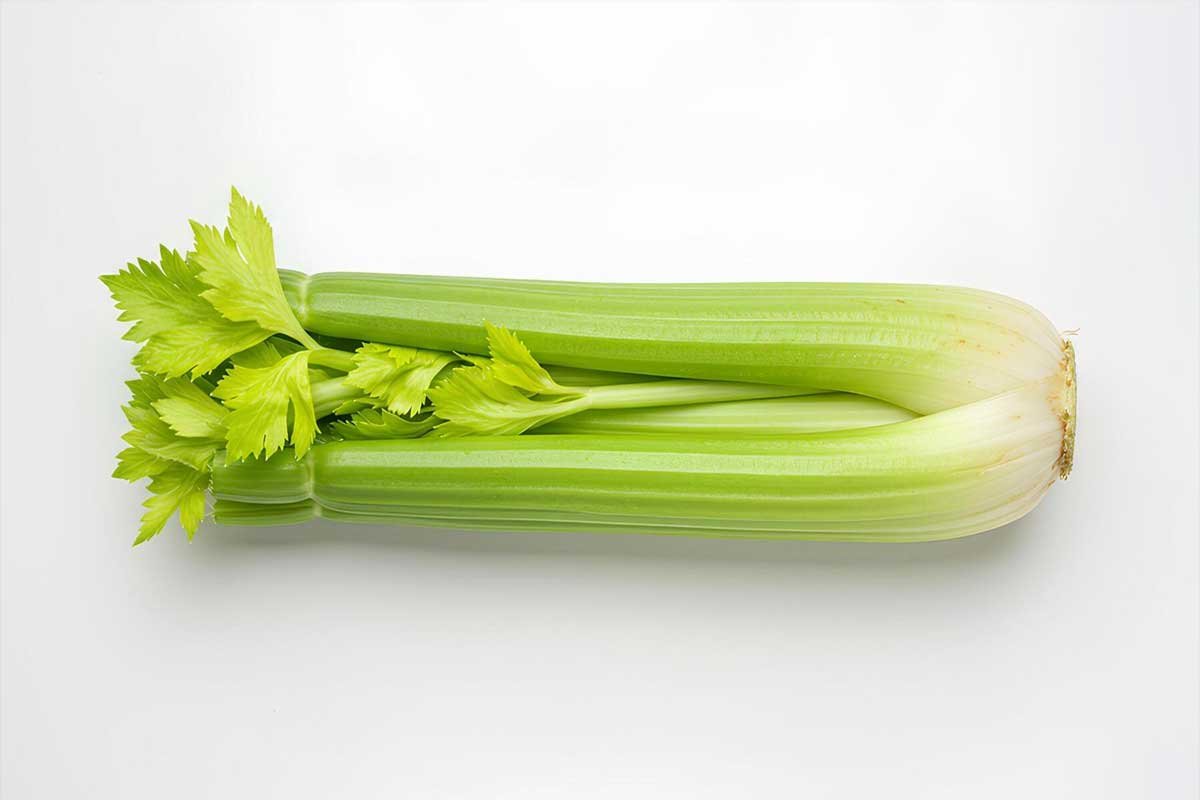
Many people assume celery juice is healthier than eating whole celery, but that’s not always true. While celery juice is refreshing and hydrating, whole celery retains all of its natural fiber, which plays an important role in digestion, fullness, and blood sugar management.
Fiber slows digestion and helps you stay satisfied for longer after eating. Since most of the fiber is removed during juicing, celery juice is generally less filling than eating raw celery sticks. This means you may become hungry sooner if you rely only on juice.
That said, celery juice can still be a convenient option for people who don’t enjoy eating raw vegetables or want a low-calorie beverage. Ideally, include both in your diet rather than choosing one over the other.
| Feature | Celery Juice | Whole Celery |
|---|---|---|
| Calories | Low | Low |
| Fiber | Very low | High |
| Hydration | Excellent | Excellent |
| Satiety | Moderate | High |
| Easy to Digest | Yes | Yes |
| Better for Weight Loss | Good | Better overall because of fiber |
Key Takeaway: If your primary goal is appetite control and long-lasting fullness, whole celery is usually the better choice. Celery juice works best as part of a balanced eating pattern rather than a replacement for vegetables.
How Much Celery Juice Should You Drink Per Day?
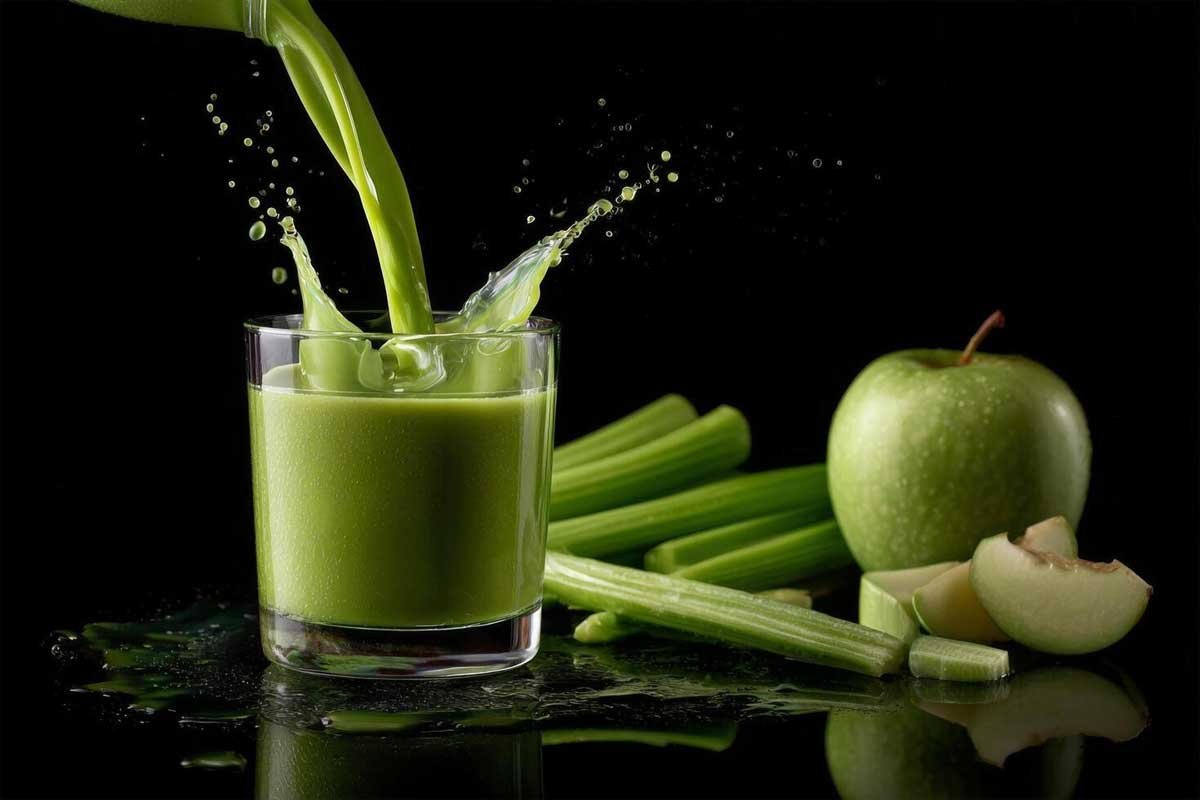
More isn’t always better. Drinking excessive amounts of celery juice won’t speed up weight loss and may increase your intake of sodium or cause digestive discomfort in sensitive individuals.
For most healthy adults:
| Goal | Suggested Amount |
|---|---|
| Beginner | 4-8 oz (120–240 ml) |
| Regular Use | 8-16 oz (240–475 ml) |
| Maximum for Most People | Around 16 oz (475 ml) daily |
Instead of drinking large quantities, focus on consistency and maintaining a balanced diet. If you have kidney disease, high sodium restrictions, digestive disorders, or take medications that may interact with celery, consult your healthcare provider before making it a daily habit.
Best Time to Drink Celery Juice for Weight Loss
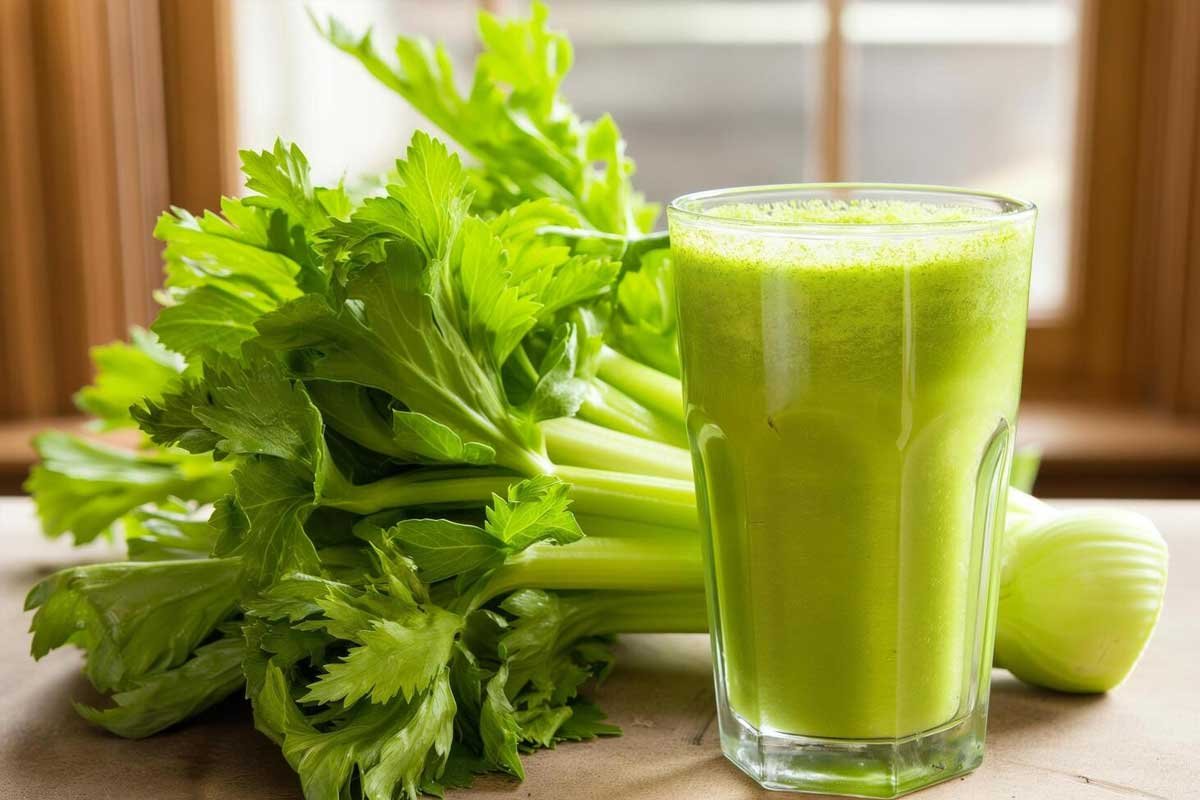
One of the most common questions is whether timing makes a difference. The truth is that there is no scientifically proven “best” time that makes celery juice burn more fat. However, certain times may fit better into your routine.
1. Morning (Most Popular)
Many people prefer drinking celery juice on an empty stomach after waking up because it’s refreshing and helps increase fluid intake after sleeping.
Potential benefits include:
- Helps with morning hydration
- Easy to include in a daily routine
- May replace sugary breakfast drinks
2. Before Meals
Drinking a glass 20-30 minutes before lunch or dinner may help some people feel satisfied before eating, although research on appetite control is mixed.
3. After Exercise
Celery juice can contribute to rehydration after light or moderate physical activity, but it shouldn’t replace water or electrolyte drinks after intense workouts.
Key Takeaway: The best time is simply the time you’ll drink it consistently.
Drinking celery juice in the morning may support hydration, but it should be part of a healthy lifestyle rather than a standalone solution. Pairing it with nutritious meals, regular exercise, and other healthy habits can improve long-term results. If you’re building a complete morning wellness plan, our morning routine for weight loss guide offers practical tips to help you stay consistent.
How to Make Celery Juice (Easy Recipe)
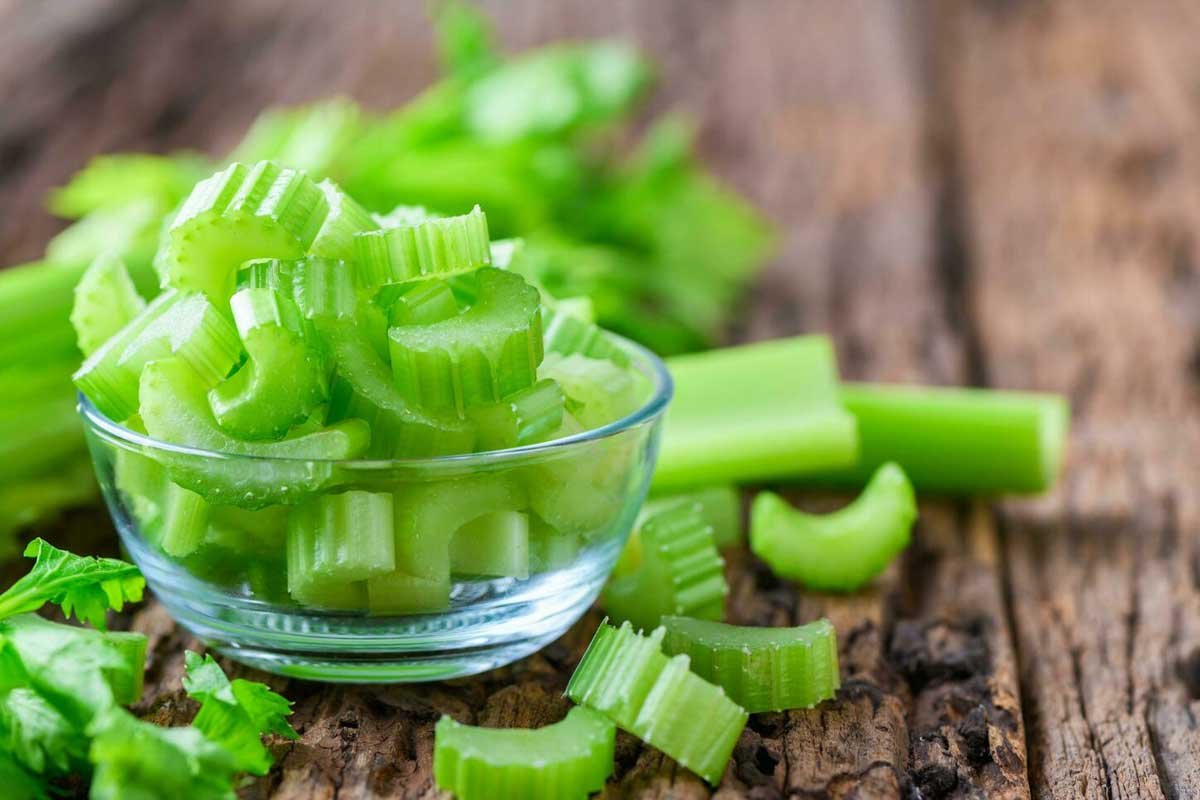
Making celery juice at home is quick, affordable, and requires only a few ingredients. Fresh homemade celery juice contains no added sugars or preservatives, making it a healthier choice than many store-bought beverages. For the best flavor and nutritional value, use fresh celery stalks and drink the juice soon after preparing it.
Celery Juice for Weight Loss Recipe
Ingredients
- 1 large bunch fresh celery
- Cold water (optional)
- Lemon juice (optional)
Instructions (Juicer)
- Wash celery thoroughly.
- Cut into smaller pieces.
- Feed through a juicer.
- Serve immediately.
Instructions (Blender)
- Blend chopped celery with a small amount of water.
- Pour through a fine mesh strainer or nut milk bag.
- Serve fresh.
Nutrition (Approx. 8 oz)
| Nutrient | Amount |
|---|---|
| Calories | 35 |
| Protein | 1.5 g |
| Carbohydrates | 6 g |
| Fat | 0 g |
Avoid adding sugar or flavored syrups if your goal is weight management.
Healthy Celery Juice Combinations

Adding certain ingredients can improve flavor while keeping calories relatively low.
| Combination | Benefits |
|---|---|
| Celery + Lemon | Fresh taste and vitamin C |
| Celery + Cucumber | Extra hydration |
| Celery + Ginger | Warm, spicy flavor |
| Celery + Green Apple | Naturally sweeter taste |
| Celery + Mint | Refreshing summer drink |
| Celery + Spinach | Additional vitamins and minerals |
Remember that fruits like apples increase natural sugar and calories, so keep portions moderate.
Also Read: 10 Tips for Good Health to Stay Fit
Can You Follow a Celery Juice Diet for Weight Loss?
Some social media trends promote drinking only celery juice or replacing meals with juice. This approach is not recommended.
A healthy weight-loss diet should include:
- Lean protein
- Whole grains
- Healthy fats
- Fruits
- Vegetables
- Dairy or fortified alternatives
Using celery juice as a meal replacement may leave you short on protein, fiber, and essential nutrients. Instead, think of celery juice as one component of a healthy eating plan.
Celery juice works best when it’s part of a balanced eating plan rather than a meal replacement. Pair it with nutritious, protein-rich dishes from our low carb and high protein meals guide to support satiety, maintain muscle mass, and promote sustainable weight loss.
Is There Scientific Evidence?
Research supports eating vegetables as part of a healthy dietary pattern, but high-quality studies specifically proving celery juice causes weight loss are limited.
Current evidence suggests the benefits come from:
- Replacing high-calorie beverages
- Increasing vegetable intake
- Supporting hydration
- Encouraging healthier habits
Organizations such as the USDA, Harvard T.H. Chan School of Public Health, and NIH consistently recommend diets rich in vegetables for long-term health and weight management, rather than relying on individual “superfoods.”
Possible Side Effects of Celery Juice
Although celery juice is generally safe for most healthy adults, it’s not suitable for everyone.
Possible side effects include:
1. Digestive Upset
Some people experience:
- Bloating
- Loose stools
- Gas
- Stomach discomfort
This is more likely when consuming large amounts.
2. High Sodium Intake
Celery naturally contains sodium. While the amount isn’t excessive, drinking large quantities every day may not be appropriate for people following sodium-restricted diets.
3. Allergic Reactions
Celery allergy is uncommon but can be serious.
Symptoms may include:
- Itching
- Swelling
- Hives
- Difficulty breathing
Seek immediate medical care if severe symptoms occur.
4. Sun Sensitivity
Celery contains natural compounds called psoralens, which may increase sensitivity to sunlight in susceptible individuals, although this is uncommon with normal dietary intake.
Who Should Avoid or Limit Celery Juice?
Speak with your healthcare provider before drinking celery juice regularly if you:
- Have chronic kidney disease
- Need a low-sodium diet
- Have celery allergies
- Experience digestive disorders
- Are taking blood-thinning medication (because celery contains vitamin K)
- Are pregnant and planning significant dietary changes
Moderation is important, especially if you have underlying health conditions.
Practical Tips for Better Results
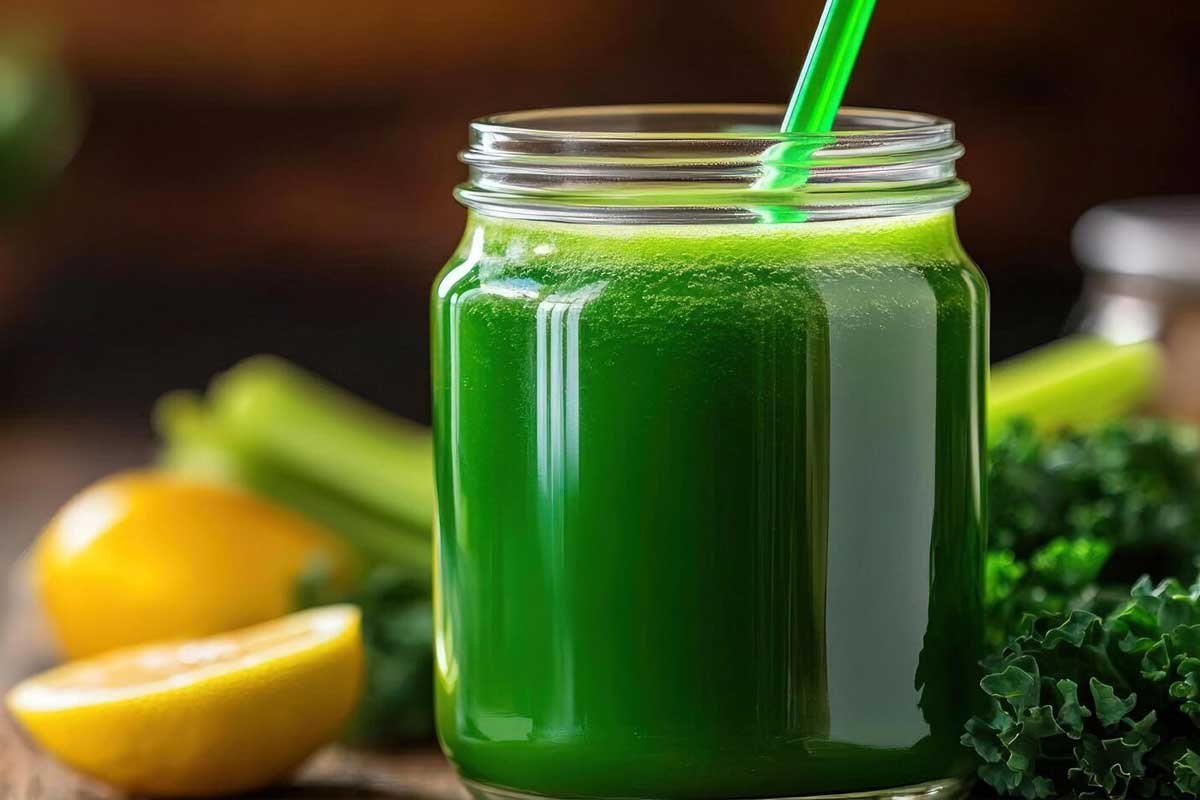
If you’re using celery juice as part of your weight-loss journey:
- Drink it without added sugar.
- Pair it with a high-protein breakfast.
- Continue eating whole vegetables.
- Stay physically active.
- Sleep 7-9 hours each night.
- Drink enough water throughout the day.
- Focus on your weekly eating pattern rather than one “healthy” drink.
Common Mistakes to Avoid
- Expecting Fast Fat Loss – Celery juice cannot melt belly fat overnight.
- Replacing Meals – Skipping balanced meals often leads to hunger later.
- Ignoring Protein – Protein supports fullness and muscle maintenance during weight loss.
- Drinking Sweetened Versions – Store-bought celery beverages may contain added sugars. Always check the nutrition label.
- Forgetting Whole Vegetables – Juice should complement, not replace, whole vegetables.
Expert Tips
Health professionals generally recommend focusing on your overall dietary pattern rather than a single food.
To get the most from celery juice:
- Use fresh celery whenever possible.
- Drink it soon after preparation for the best flavor.
- Include plenty of colorful vegetables throughout the day.
- Prioritize protein and fiber at each meal.
- Exercise regularly, including both strength training and aerobic activity.
- Be patient, healthy weight loss typically occurs gradually through consistent habits rather than quick fixes.
Frequently Asked Questions (FAQs)
Q1. Is celery juice good for weight loss?
Yes, celery juice for weight loss can be a healthy addition to a balanced diet because it is low in calories and high in water content. However, it does not directly burn fat. The best results come from combining celery juice with a calorie-controlled diet, regular exercise, and healthy lifestyle habits.
Q2. How much celery juice should I drink per day?
For most healthy adults, 8-16 ounces (240-475 ml) of fresh celery juice per day is generally enough. Drinking more does not necessarily improve weight loss and may cause digestive discomfort in some people.
Q3. What is the best time to drink celery juice for weight loss?
There is no scientifically proven best time to drink celery juice. Many people prefer it in the morning or about 20-30 minutes before a meal to help increase hydration and support healthy eating habits. The most effective time is whenever you can drink it consistently.
Q4. Can I drink celery juice every day?
Yes, most healthy adults can enjoy fresh celery juice daily in moderation. It should be part of a balanced diet, not a replacement for whole vegetables, fruits, lean protein, and other nutrient-rich foods.
Q5. Does celery juice burn belly fat?
No. There is no strong scientific evidence that celery juice specifically burns belly fat. Fat loss occurs when you maintain a consistent calorie deficit through healthy eating and physical activity. Celery juice may support this process by replacing higher-calorie beverages.
Q6. Is celery juice better than eating whole celery?
Not necessarily. Whole celery contains much more fiber, which helps you stay full longer and supports digestive health. Celery juice is more hydrating and convenient, but eating whole celery is generally the better option for appetite control and long-term weight management.
Conclusion
Celery Juice for Weight Loss can be a refreshing and nutritious addition to a healthy lifestyle, but it is not a miracle solution for losing weight. Its biggest advantages are that it is naturally low in calories, hydrating, and can replace sugary beverages that add unnecessary calories to your diet. While celery juice contains beneficial vitamins, minerals, and antioxidants, current scientific evidence does not support claims that it directly burns fat or detoxifies the body.
For the best results, enjoy fresh celery juice alongside a balanced diet rich in whole foods, lean protein, healthy fats, fruits, and vegetables. Pair it with regular physical activity, adequate sleep, and sustainable eating habits rather than relying on any single drink. If you have kidney disease, a celery allergy, or take medications such as blood thinners, speak with your healthcare provider before making celery juice a daily habit.
Ultimately, lasting weight loss comes from consistent lifestyle choices, and celery juice can be one small, healthy part of that bigger picture.
Disclaimer
This article is for educational purposes only and should not be considered medical advice. It is not intended to diagnose, treat, cure, or prevent any disease. Nutritional needs and health conditions vary from person to person. Always consult a qualified healthcare professional or registered dietitian before making significant changes to your diet, especially if you are pregnant, breastfeeding, have a chronic medical condition, or take prescription medications.

I am Danish, the creator of Health Update 24. I write about health, nutrition, fitness, and healthy lifestyle topics, sharing simple, practical, and well-researched information to help readers make informed decisions about their well-being. Know More