In today’s fast-paced lifestyle, problems such as constant tiredness, weakness, dizziness, and poor memory have become very common. Many people ignore these symptoms, assuming they are caused by stress, aging, or a busy work schedule. However, according to health experts, these symptoms can sometimes be Vitamin B12 Deficiency Symptoms, indicating that your body may not be getting enough vitamin B12. If left untreated, this deficiency can affect not only the body but also the brain, nervous system, and the production of healthy red blood cells.
Table of Contents
What Is Vitamin B12 Deficiency?
Vitamin B12 deficiency occurs when the body does not get enough vitamin B12 or cannot absorb it properly. This essential vitamin plays a vital role in producing healthy red blood cells, making DNA, and keeping the brain and nervous system healthy. If the deficiency continues for a long time without treatment, it can lead to anemia, nerve damage, and several neurological problems.
What Is Vitamin B12?
Vitamin B12 is an essential water-soluble vitamin, also known as cobalamin. It plays an important role in many vital functions of the body, including:
- Helps produce healthy red blood cells.
- Supports a healthy brain and nervous system.
- Plays a key role in DNA production.
- Helps the body maintain normal energy production.
- Contributes to the growth and formation of new cells.
Since the body cannot produce vitamin B12 on its own, it must be obtained through food or dietary supplements.
How Does the Body Absorb Vitamin B12?
When you eat foods that contain vitamin B12, the vitamin first enters the stomach. There, it binds to a special protein called intrinsic factor, which is produced by the stomach. This combination then travels to the small intestine, where vitamin B12 is absorbed into the bloodstream.
If the stomach does not produce enough intrinsic factor or the small intestine is not working properly, the body may not be able to absorb enough vitamin B12. As a result, a vitamin B12 deficiency can develop even if you are eating foods that contain this important vitamin.
Also Read: High Protein Dry Fruits List: Top 5 and Nutrition Facts
What Are the Vitamin B12 Deficiency Symptoms?

Vitamin B12 deficiency usually develops gradually. In the early stages, the symptoms may be mild, but they can become more serious over time.
Common Vitamin B12 Deficiency Symptoms include:
- Constant tiredness and weakness.
- Tingling or numbness in the hands and feet.
- Difficulty maintaining balance while walking.
- Dizziness.
- Shortness of breath.
- Pale or yellowish skin.
- A fast or irregular heartbeat.
- Poor memory.
- Difficulty concentrating.
- Mood changes, irritability, or depression.
- A swollen or sore tongue.
- Loss of appetite and unexplained weight loss.
If these symptoms continue for a long time or become worse, it is important to consult a doctor for proper evaluation and treatment.
What Causes Vitamin B12 Deficiency?
Vitamin B12 deficiency can develop for several reasons. Common causes include:
- Following a vegetarian or vegan diet for a long time without adequate vitamin B12 sources.
- Reduced vitamin B12 absorption with aging.
- Stomach or intestinal disorders that affect nutrient absorption.
- Previous stomach or intestinal surgery.
- Long-term use of certain medications.
- Excessive alcohol consumption.
- Autoimmune conditions, such as pernicious anemia, in which the body does not produce enough intrinsic factor.
In some cases, a person may eat enough vitamin B12-rich foods but still develop a deficiency because the body is unable to absorb the vitamin properly.
How Is Vitamin B12 Deficiency Diagnosed?
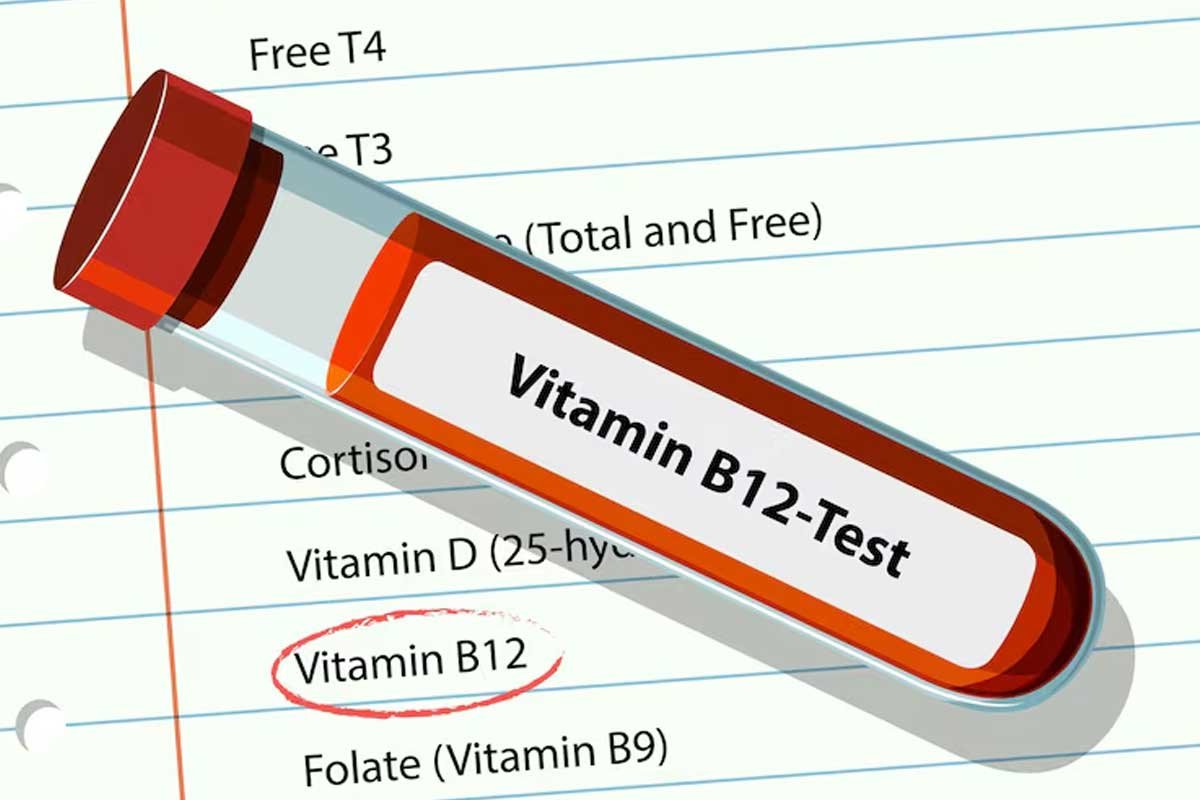
If a doctor suspects vitamin B12 deficiency, they may recommend one or more of the following tests:
- Vitamin B12 blood test.
- Complete Blood Count (CBC).
- Methylmalonic Acid (MMA) test.
- Homocysteine test.
- Additional tests, if needed, to identify the underlying cause.
Based on the test results, the doctor can determine the severity of the deficiency and recommend the most appropriate treatment plan.
Also Read: How Many Steps to Walk a Day to Lose Weight? Know the Right Calculation
Can Vitamin B12 Deficiency Be Prevented?
Yes. In most cases, vitamin B12 deficiency can be prevented with a balanced diet and regular health checkups.
Here are some simple ways to help prevent it:
- Eat a balanced diet that includes vitamin B12-rich foods.
- If you are at higher risk, get regular health checkups.
- Take vitamin B12 supplements only if recommended by your doctor.
- If you take certain medications for a long time, have your vitamin B12 levels checked regularly.
- Older adults and people following a vegan diet should pay special attention to their vitamin B12 intake.
How Is Vitamin B12 Deficiency Treated?
The treatment for vitamin B12 deficiency depends on how severe the deficiency is and what is causing it.
For a mild deficiency, a doctor may recommend vitamin B12 tablets or oral supplements. If the body is unable to absorb vitamin B12 properly or the deficiency is severe, vitamin B12 injections may be needed. Treatment should always be taken under a doctor’s guidance. It is not recommended to take vitamin B12 supplements without medical advice.
How to Get Vitamin B12 from Food
Vitamin B12 is naturally found mainly in animal-based foods. Good dietary sources include:
- Milk and yogurt.
- Cheese.
- Eggs.
- Fish.
- Chicken.
- Fortified breakfast cereals.
- Fortified plant-based milk.
If you follow a strict vegan diet, you may not get enough vitamin B12 from food alone. In such cases, your doctor may recommend a vitamin B12 supplement to help meet your daily needs.
Can You Get Vitamin B12 from Fruits?
Many people believe that certain fruits are good sources of vitamin B12, but this is a common misconception. Most fruits contain little to no natural vitamin B12.
Although fruits are rich in important nutrients such as vitamin C, fiber, potassium, and antioxidants, they cannot provide enough vitamin B12 to meet your body’s needs. To maintain healthy vitamin B12 levels, it is important to eat vitamin B12-rich foods or take supplements if recommended by your doctor.
What Does Research Say?
According to international health organizations and medical research, vitamin B12 deficiency is a common nutritional problem in many parts of the world. Studies have found that older adults, people following a vegan diet, individuals with stomach or intestinal disorders, and those who take certain medications for a long time are at a higher risk of developing this deficiency.
Research also shows that early diagnosis and proper treatment can improve symptoms in most people. However, if nerve damage has already developed, recovery may take longer, and in some cases, the damage may not be completely reversible.
Also Read: What Are the Benefits of Moringa Leaves? Why Is It So Popular?
What Do Health Experts Say?

Health experts advise that symptoms such as persistent tiredness, tingling in the hands and feet, poor memory, or frequent dizziness should not be ignored. If these symptoms continue for a long time, it is important to consult a doctor and undergo the necessary tests to identify the cause.
Experts also emphasize that vitamin B12 supplements should not be taken without proper testing or medical advice. Treatment should begin only after identifying the underlying cause of the deficiency, as the reason for vitamin B12 deficiency can vary from one person to another.
Frequently Asked Questions (FAQs)
Q1. What Are Vitamin B12 Deficiency Symptoms?
Ans: Common Vitamin B12 Deficiency Symptoms include persistent fatigue, weakness, tingling or numbness in the hands and feet, dizziness, poor memory, and pale skin. If these symptoms continue for a long time, it is important to consult a doctor for proper evaluation.
Q2. Who Is More Likely to Develop Vitamin B12 Deficiency?
Ans: Older adults, people following a vegan or strict vegetarian diet, individuals with certain stomach or intestinal disorders, and those taking some medications for a long time are at a higher risk of developing vitamin B12 deficiency.
Q3. How Are Vitamin B12 Deficiency Symptoms Diagnosed?
Ans: To diagnose Vitamin B12 Deficiency Symptoms, doctors usually recommend a vitamin B12 blood test, a Complete Blood Count (CBC), and, if necessary, additional blood tests such as the Methylmalonic Acid (MMA) or Homocysteine test.
Q4. Which Foods Are Rich in Vitamin B12?
Ans: Good sources of vitamin B12 include milk, yogurt, cheese, eggs, fish, chicken, liver, and fortified foods. If needed, your doctor may also recommend vitamin B12 supplements.
Q5. Can You Get Vitamin B12 from Fruits?
Ans: Most fruits contain little to no natural vitamin B12. Therefore, fruits alone cannot provide enough vitamin B12 to meet your body’s daily needs.
Q6. Can Vitamin B12 Deficiency Symptoms Be Treated?
Ans: Yes. Vitamin B12 Deficiency Symptoms can be treated once the underlying cause is identified. Depending on the severity of the deficiency, your doctor may recommend vitamin B12 tablets, oral supplements, or injections.
Q7. How Can You Prevent Vitamin B12 Deficiency?
Ans: You can help prevent vitamin B12 deficiency by eating a balanced diet, getting regular health checkups if you are at risk, and taking vitamin B12 supplements only if recommended by your doctor.
Conclusion
Vitamin B12 Deficiency Symptoms may seem mild at first, but they should never be ignored. Vitamin B12 is an essential nutrient that plays a vital role in the production of red blood cells, supports a healthy nervous system, and helps the brain function properly. If left untreated, vitamin B12 deficiency can lead to serious health problems over time. If you experience ongoing weakness, fatigue, numbness, or memory problems, consult a doctor for proper evaluation. Early diagnosis, timely treatment, and a balanced diet are the best ways to maintain healthy vitamin B12 levels and protect your overall health.
Disclaimer
This article is intended for general health information and educational purposes only. The information provided here is not a substitute for professional medical advice, diagnosis, or treatment. If you experience persistent fatigue, tingling in your hands or feet, weakness, or other symptoms related to vitamin B12 deficiency, consult a qualified healthcare professional instead of self-diagnosing or starting supplements on your own. Always use medications, injections, or dietary supplements only under the guidance of a healthcare provider.

I am Danish, the creator of Health Update 24. I write about health, nutrition, fitness, and healthy lifestyle topics, sharing simple, practical, and well-researched information to help readers make informed decisions about their well-being. Know More