Cranberries are small, naturally tart berries that are commonly enjoyed in sauces, juices, dried fruit mixes, smoothies, and desserts. Despite their sharp flavor, they provide several nutrients and naturally occurring plant compounds that can make them a valuable addition to a balanced diet.
The cranberry health benefits that attract the most attention include their potential role in urinary tract health, antioxidant activity, and overall nutrition. Cranberries contain vitamin C, dietary fiber, polyphenols, and proanthocyanidins, which are plant compounds studied for their potential health effects.
One important point is that not all cranberry products are the same. Fresh cranberries, frozen cranberries, dried cranberries, cranberry juice, and cranberry drinks can differ significantly in fiber, sugar, calories, and other nutrients.
This guide explains 7 potential cranberry health benefits, what research suggests about urinary tract health, the difference between whole cranberries and juice, possible cranberry side effects, and how to include them in your diet.
Table of Contents
What Are Cranberries?
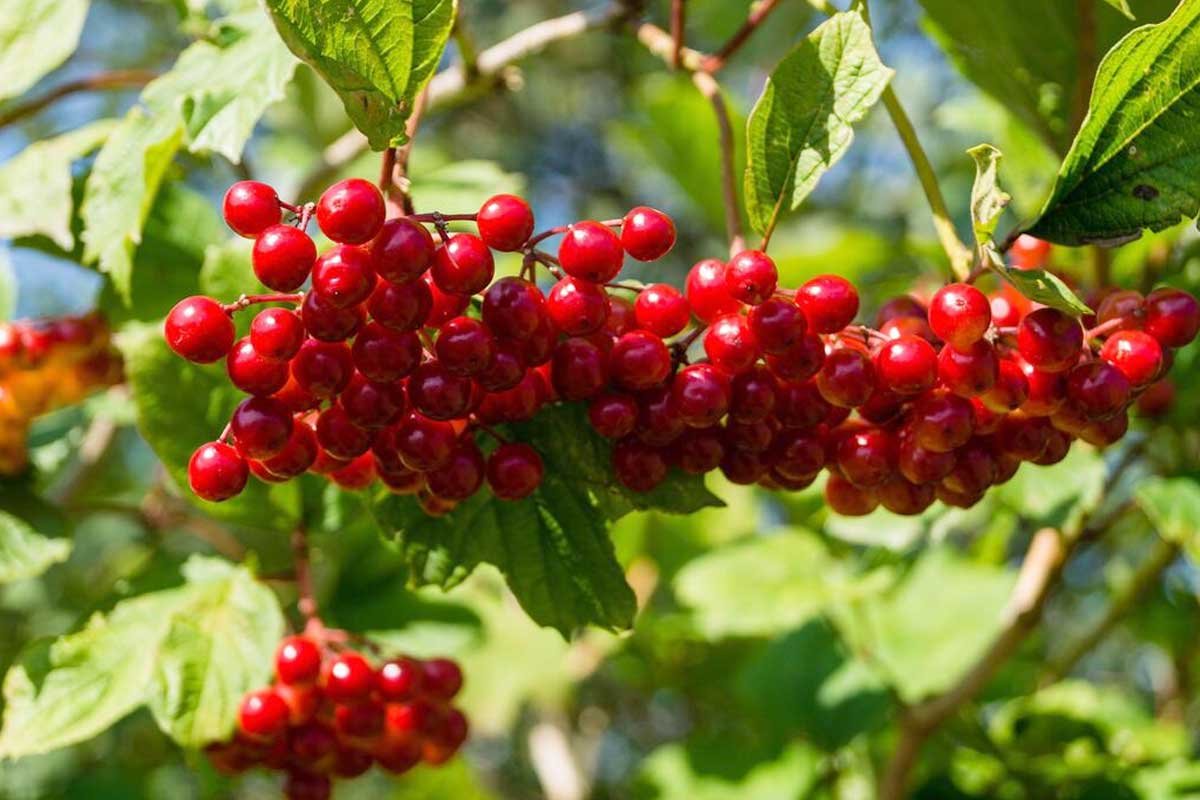
Cranberries are small berries known for their bright red color and naturally sour taste. They are commonly grown in cooler regions and are available fresh, frozen, dried, or processed into juice and sauces. Like many berries, cranberries contain a combination of nutrients and bioactive plant compounds.
Their most notable compounds include polyphenols and proanthocyanidins, which have been studied for their antioxidant properties and potential role in urinary tract health. Cranberries are also relatively low in calories when consumed as fresh whole fruit. However, many cranberry products contain added sugar, so the nutritional value can vary considerably.
7 Cranberry Health Benefits
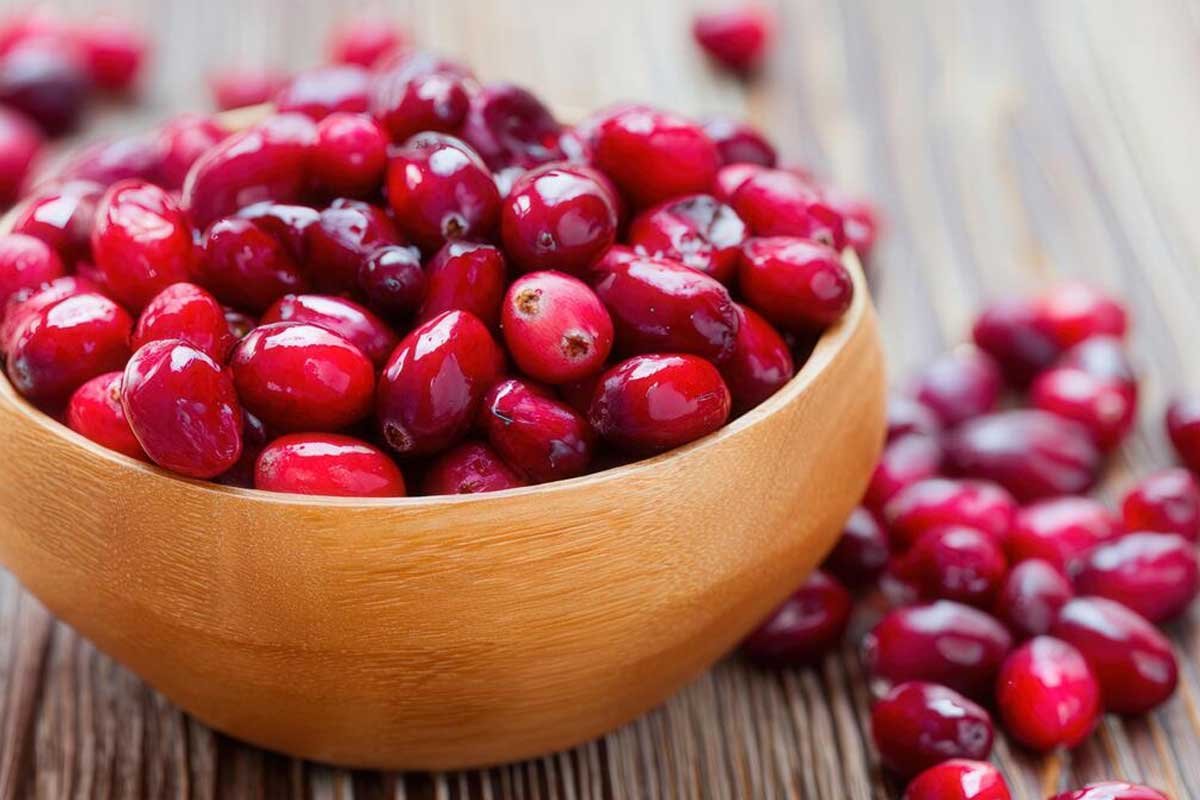
Cranberries are more than just a tart fruit or a popular juice ingredient. The following 7 benefits explain what makes cranberries worth adding to your diet, from urinary tract support and antioxidant compounds to vitamin C, fiber, and easy ways to include them in everyday meals.
1. May Support Urinary Tract Health
One of the most researched cranberry health benefits is their potential connection with urinary tract health. Cranberries contain certain proanthocyanidins, or PACs. Some of these compounds may interfere with the ability of certain bacteria to attach to cells lining the urinary tract.
This is one reason cranberry products have been studied for their possible role in reducing recurrent urinary tract infections. Evidence suggests that cranberry products may reduce the risk of recurrent symptomatic UTIs in some people, particularly women who have experienced UTIs before.
However, the results are not consistent for everyone, and cranberry should not be viewed as a guaranteed method of preventing infection.
2. Rich in Antioxidant Plant Compounds
Cranberries contain a variety of polyphenols and other plant compounds that contribute to their antioxidant properties. Antioxidants help the body manage oxidative processes involving reactive molecules. Eating a variety of fruits and vegetables is one way to obtain different antioxidant compounds through the diet.
Cranberries can therefore contribute to an overall plant-rich eating pattern. However, it is not accurate to describe cranberries as a treatment for diseases caused by oxidative stress. Their value is best considered as part of a varied and balanced diet.
3. Provides Vitamin C
Fresh cranberries contain vitamin C, an essential nutrient involved in normal immune function and collagen formation. Vitamin C also contributes to the protection of cells from oxidative damage.
Adding cranberries to meals can therefore contribute to overall vitamin C intake, although they should not be considered a replacement for a varied diet containing other vitamin C-rich foods.
4. Provides Dietary Fiber
Whole cranberries contain dietary fiber, which is important for normal digestive function. Fiber can help support bowel regularity and contributes to a more filling diet.
This is one important difference between whole cranberries and cranberry juice. When fruit is processed into juice, most of the original fiber is removed. For this reason, whole cranberries generally provide a more complete fruit experience than juice.
5. May Complement Heart-Healthy Eating
Cranberries contain plant compounds that have been investigated for possible effects on cardiovascular health. Research has explored cranberry consumption in relation to factors such as blood pressure, cholesterol, and blood vessel function.
Although some findings are promising, there is not enough evidence to say that cranberries prevent or treat heart disease. The practical approach is to include cranberries as part of a broader heart-healthy eating pattern that includes vegetables, fruits, whole grains, legumes, nuts, seeds, and other minimally processed foods.
6. Helps Add More Nutrient-Rich Plant Foods to Your Diet
One simple benefit of cranberries is that they provide another way to increase the variety of plant foods in your meals. Fresh or frozen cranberries can be combined with foods such as oats, yogurt, nuts, seeds, apples, pears, and other berries.
Eating a variety of plant foods provides different nutrients and naturally occurring compounds. Rather than focusing on one “superfood,” it is more useful to include cranberries as one part of a diverse diet.
7. A Versatile Whole-Fruit Option
Fresh cranberries can be used in many different recipes. You can add them to oatmeal, smoothies, salads, homemade sauces, yogurt bowls, or baked dishes.
They can also be frozen for convenient use throughout the year. Because fresh cranberries are naturally tart, pairing them with naturally sweet foods can reduce the need for large amounts of added sugar.
Also Read: Dragon Fruit Health Benefits: 11 Powerful Reasons to Eat It
Cranberries and Urinary Tract Health
The relationship between cranberries and urinary tract health is one of the most widely discussed areas of cranberry research.
A urinary tract infection occurs when microorganisms, most commonly bacteria, infect part of the urinary system. Some people experience recurrent UTIs, which is why researchers have investigated whether cranberry products could help reduce the risk of future infections.
Certain cranberry compounds may make it harder for some bacteria to attach to urinary tract surfaces. This mechanism is different from killing bacteria or treating an established infection.
Can Cranberries Treat a UTI?
No. Cranberries should not be used as a treatment for an existing UTI.
If you develop symptoms such as burning during urination, frequent urination, lower abdominal discomfort, blood in the urine, fever, or back pain, seek appropriate medical advice.
Cranberry products may have a role in prevention for some people with recurrent UTIs, but they should not replace professional diagnosis or treatment.
Cranberry Juice Benefits

Cranberry juice is a convenient way to consume cranberry, but the nutritional value depends heavily on the product. Some products are primarily cranberry juice, while others are cranberry drinks containing added sugar, water, or other fruit juices.
Potential cranberry juice benefits include:
- Providing fluid
- Supplying some plant compounds
- Providing certain nutrients
- Offering a convenient way to consume cranberry
- Potentially supporting recurrent UTI prevention in certain people
However, juice usually contains much less fiber than whole cranberries. If you regularly drink cranberry juice, check the nutrition label and compare added sugar, total sugar, serving size, and ingredients.
Cranberry Juice Benefits Female
The search for cranberry juice benefits female is particularly common because women experience UTIs more frequently than men.
Cranberry products may help reduce the risk of recurrent symptomatic UTIs in some women.
The potential benefit is thought to be related to cranberry compounds that may interfere with bacterial attachment to urinary tract surfaces.
However, cranberry juice does not guarantee UTI prevention and does not treat an active infection.
Women who experience repeated UTIs should discuss prevention options with a healthcare professional rather than depending solely on cranberry products.
Cranberry Nutrition
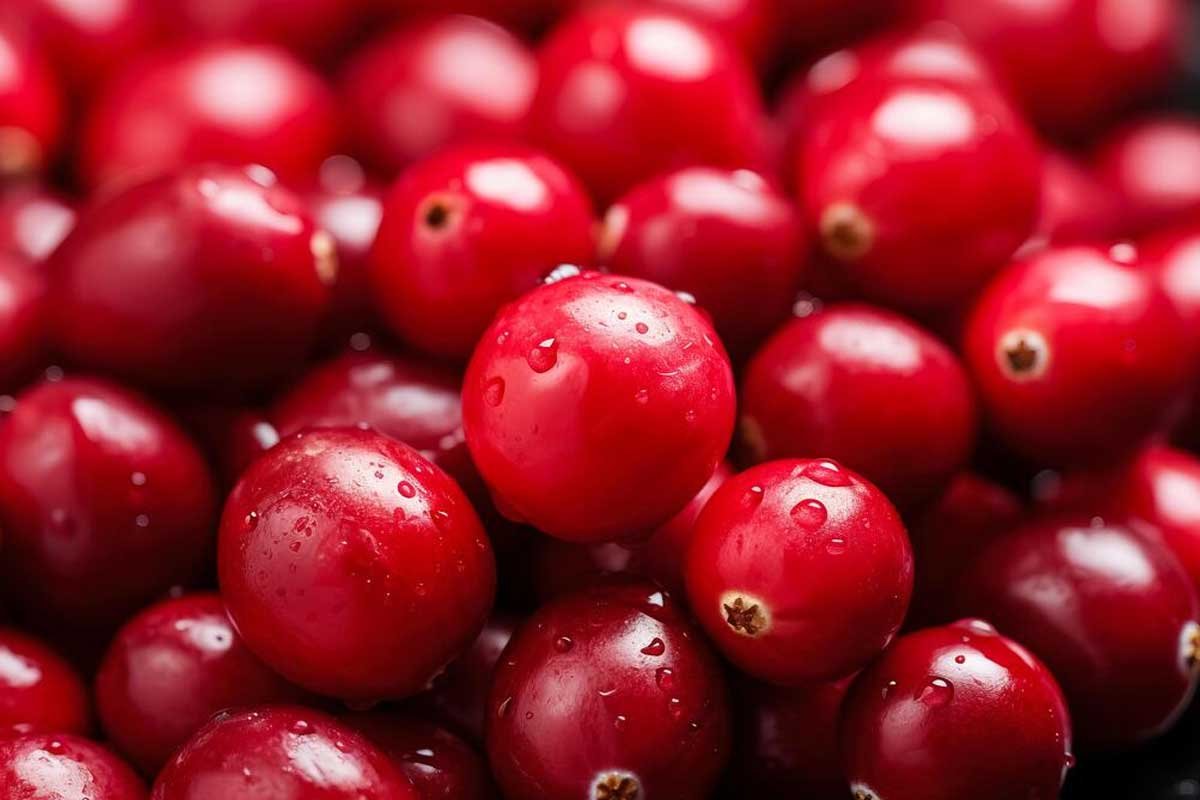
The nutrition of cranberries varies depending on whether they are fresh, frozen, dried, or processed into juice.
| Cranberry Form | Potential Advantage | What to Check |
|---|---|---|
| Fresh cranberries | Whole fruit with fiber | Tart flavor |
| Frozen cranberries | Convenient and versatile | Added ingredients |
| Unsweetened cranberry juice | Convenient beverage | Low fiber |
| Sweetened cranberry drink | Easier to drink | Added sugar |
| Dried cranberries | Convenient snack | Added sugar |
| Cranberry sauce | Flavorful side dish | Sugar content |
For everyday nutrition, fresh or frozen cranberries can be a particularly useful choice because they provide the whole fruit.
Also Read: Fruits Low in Sugar for Diabetes: 9 Best Choices
Cranberry Side Effects
Cranberries are generally well tolerated when consumed as a normal food, but consuming large amounts may cause digestive discomfort in some people.
Possible cranberry side effects include:
- Stomach discomfort
- Nausea
- Diarrhea
- Digestive upset
- Potential concerns for people prone to certain kidney stones
- Possible medication interactions in specific circumstances
The likelihood of side effects may be greater with large quantities or concentrated cranberry supplements.
Can Cranberries Cause Kidney Stones?
There has been concern that high cranberry intake may increase urinary oxalate in some people. This may be relevant for people who have a history of certain types of kidney stones, particularly calcium oxalate stones.
This does not mean everyone needs to avoid cranberries. If you have previously had kidney stones, especially recurrent stones, discuss your diet and use of concentrated cranberry products with a healthcare professional.
Cranberry and Medication Interactions
People taking warfarin, a prescription blood thinner, should be particularly cautious about making major changes to their cranberry intake. Evidence regarding a clinically important interaction between cranberry and warfarin is not completely consistent.
Because individual circumstances differ, anyone taking warfarin should discuss regular consumption of large amounts of cranberry products or cranberry supplements with their healthcare professional. Do not stop or change prescribed medication because of cranberry consumption without professional advice.
Best Time to Consume Cranberries
There is no proven best time of day to eat cranberries. They can be consumed with breakfast, lunch, dinner, or as a snack.
If cranberry juice or fresh cranberries cause stomach discomfort when consumed alone, try having them with a meal. The overall quality of your diet is much more important than consuming cranberries at a specific time.
Expert Tips
For everyday nutrition, fresh or frozen cranberries are simple choices because they retain the whole-fruit structure. If you prefer cranberry juice, choose a product that fits your nutritional goals and keep an eye on added sugar.
If you are considering cranberries specifically because you experience recurrent UTIs, talk with a healthcare professional about appropriate prevention strategies. People taking medications or living with kidney stone history should also consider professional guidance before using concentrated cranberry products regularly.
Most importantly, don’t judge a cranberry product only by its front label. Check the serving size, ingredients, sugar content, and type of cranberry product.
Learn more about the nutritional value and potential health benefits of cranberries.
10 Frequently Asked Questions About Cranberry Health Benefits
Q1. What are the main cranberry health benefits?
The main cranberry health benefits include providing vitamin C, dietary fiber, polyphenols, and other plant compounds. Cranberries may also help reduce the risk of recurrent symptomatic UTIs in some people.
Q2. Is cranberry juice good for you?
Cranberry juice can fit into a healthy diet, particularly when it contains little or no added sugar. However, it generally contains less fiber than whole cranberries.
Q3. What are the cranberry juice benefits female users should know?
For women with recurrent UTIs, cranberry products may help reduce the risk of future symptomatic infections. However, cranberry juice does not treat an existing UTI.
Q4. Can cranberry juice prevent UTIs?
Cranberry products may help reduce the risk of recurrent symptomatic UTIs in some people, particularly women with a history of recurrent infections. The effect varies between individuals and products.
Q5. Can cranberry juice cure a UTI?
No. Cranberry juice is not a treatment for an active UTI. If you have symptoms of an infection, seek appropriate medical care.
Q6. Are fresh cranberries better than cranberry juice?
Fresh cranberries provide the whole fruit and its dietary fiber, while juice generally contains much less fiber. For everyday nutrition, whole cranberries can therefore be a useful choice.
Q7. What are common cranberry side effects?
Possible cranberry side effects include stomach discomfort, nausea, and diarrhea, especially after consuming large amounts. People with certain kidney stone histories or medication concerns may need extra caution.
Q8. Can I eat cranberries every day?
Most healthy people can include cranberries regularly as part of a balanced diet. There is no requirement to eat them every day, and consuming excessive amounts is not necessary.
Q9. Are dried cranberries healthy?
Dried cranberries can be nutritious, but many commercial products contain added sugar. Check the nutrition label and serving size before eating them frequently.
Q10. What is the best way to consume cranberries?
Fresh or frozen cranberries are excellent whole-fruit choices. You can also add them to oatmeal, yogurt, smoothies, salads, or homemade recipes.
Conclusion
The cranberry health benefits make this tart fruit a useful addition to a varied and balanced diet. Cranberries provide vitamin C, dietary fiber, polyphenols, and proanthocyanidins. Their most researched potential benefit is related to urinary tract health, particularly the possibility of reducing recurrent symptomatic UTIs in some women.
However, it is important to choose cranberry products carefully. Fresh and frozen cranberries provide the whole fruit, while juice, dried cranberries, sauces, and sweetened cranberry drinks can contain significantly different amounts of sugar and fiber.
Cranberries should also not be considered a treatment for an active UTI or another medical condition.
For most people, enjoying reasonable portions of fresh or frozen cranberries is a simple way to add more fruit, fiber, and plant compounds to the diet. If you take medication such as warfarin, have a history of kidney stones, or are considering concentrated cranberry supplements, speak with a qualified healthcare professional first.
Medical Disclaimer
This article is provided for general educational and informational purposes only. It is not intended to provide medical advice, diagnosis, or treatment.
Cranberries and cranberry products should not replace professional medical care. If you have symptoms of a urinary tract infection or another health condition, consult an appropriate healthcare professional.
If you have a medical condition, take prescription medication, are pregnant or breastfeeding, or are considering concentrated cranberry supplements, seek professional advice before making significant changes to your diet or supplement routine.

I am Danish, the creator of Health Update 24. I write about health, nutrition, fitness, and healthy lifestyle topics, sharing simple, practical, and well-researched information to help readers make informed decisions about their well-being. Know More