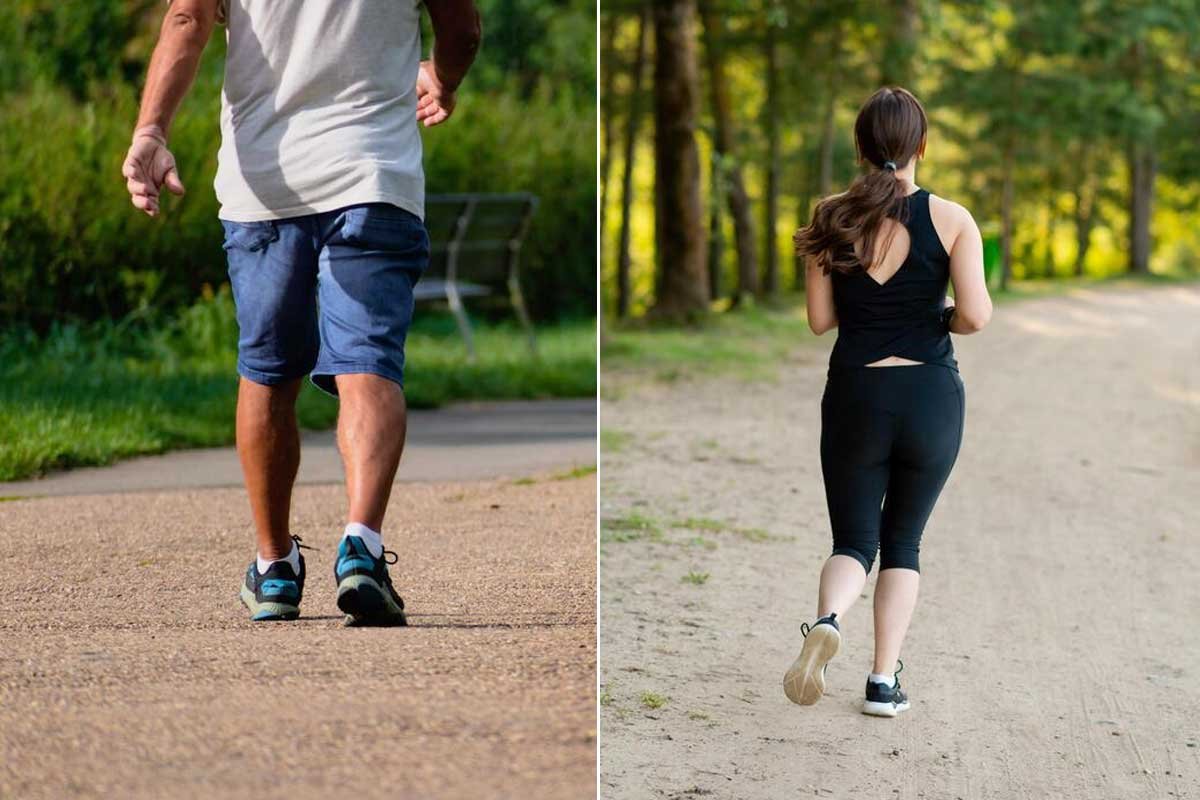
If you’re looking for a sustainable way to lose weight without spending hours in the gym, walking 5 miles a day weight loss is one of the most practical approaches you can follow. Walking is a low-impact exercise that suits people of different ages and fitness levels while helping you burn calories, improve cardiovascular health, and develop a consistent daily routine.
Unlike many trendy fitness programs, walking requires no expensive equipment or special skills. A brisk 5-mile walk can burn hundreds of calories depending on your body weight, walking speed, and terrain. When combined with a balanced diet, it can create the calorie deficit needed for gradual and healthy weight loss.
Beyond the number on the scale, walking regularly can improve endurance, strengthen muscles, reduce stress, and lower the risk of several chronic conditions. Health organizations such as the CDC and WHO recommend regular physical activity because of its broad health benefits.
In this guide, you’ll learn how walking 5 miles a day affects weight loss, how many calories it burns, the expected timeline for results, and practical tips to help you stay consistent.
Quick Answer
Can walking 5 miles a day help you lose weight?
Yes. Walking 5 miles a day can support weight loss by increasing your daily calorie expenditure. Depending on your weight and walking pace, you may burn approximately 400-700 calories during a 5-mile walk. Combined with a healthy diet and consistent routine, this can lead to gradual, sustainable fat loss while improving overall fitness and heart health.
Table of Contents
What Happens When You Walk 5 Miles Every Day?

Walking five miles every day may sound challenging at first, but it becomes much easier as your fitness improves. For most people, completing five miles takes between 75 and 110 minutes, depending on walking speed, age, and fitness level.
The biggest advantage is that walking is gentle on the joints compared with high-impact activities like running. This makes it a suitable long-term exercise for beginners, older adults, and individuals returning to fitness after a break.
During a brisk walk, your body primarily uses stored carbohydrates and fat for energy. As your walking routine becomes consistent, your cardiovascular system becomes more efficient, your muscles adapt, and your stamina gradually improves. Over time, these changes make daily activities feel easier while increasing your overall calorie expenditure.
Walking also encourages movement throughout the day, helping reduce the health risks associated with prolonged sitting. In addition, regular walks can improve mood by stimulating the release of endorphins and reducing stress hormones, making it easier to stick with healthy lifestyle habits.
If your goal is weight management, combining walking with nutritious eating habits offers better results than relying on exercise alone. Pairing your walking routine with a healthy high-protein breakfast can help improve satiety and support muscle maintenance during weight loss.
Is Walking 5 Miles a Day Good for Weight Loss?
Yes, for many people, walking five miles daily is an effective strategy for losing weight. The key reason is simple: weight loss occurs when you consistently burn more calories than you consume.
A brisk 5-mile walk can significantly increase your daily energy expenditure without placing excessive stress on your joints. Because walking is relatively easy to recover from, many people can perform it almost every day, making it easier to maintain a calorie deficit over weeks and months.
Another advantage is that walking helps preserve lean muscle better than extreme calorie restriction alone. Maintaining muscle mass supports a healthier metabolism during weight loss.
Walking also improves insulin sensitivity, which may benefit people with overweight or obesity. Readers interested in blood sugar health may also find information about insulin resistance symptoms helpful because insulin resistance can sometimes make weight management more challenging.
Unlike crash diets, walking encourages gradual fat loss. Losing around 0.5 to 2 pounds (0.2 to 0.9 kg) per week is generally considered a healthy and sustainable pace when supported by appropriate nutrition.
How Many Calories Does Walking 5 Miles Burn?

The exact number of calories burned depends on several factors, including body weight, walking speed, age, sex, fitness level, and terrain. Walking uphill or carrying additional weight generally increases calorie expenditure.
Approximate calories burned during a 5-mile walk:
| Body Weight | Calories Burned (Approx.) |
|---|---|
| 120 lb (54 kg) | 350-420 |
| 140 lb (64 kg) | 400-470 |
| 160 lb (73 kg) | 450-530 |
| 180 lb (82 kg) | 500-590 |
| 200 lb (91 kg) | 550-650 |
| 220 lb (100 kg) | 600-700 |
These values are estimates and may vary depending on walking intensity and individual metabolism.
To put these numbers into perspective, walking five miles every day could burn approximately 2,800-4,900 calories per week, which may contribute to meaningful fat loss when combined with healthy eating habits.
If you’re also improving your nutrition, choosing foods that promote fullness, such as those covered in our guide on best protein for weight loss female or low-carb and high-protein meals can make maintaining a calorie deficit much easier.
Factors That Affect Weight Loss Results

Not everyone loses weight at the same rate, even if they walk the same distance every day. Several lifestyle and biological factors influence your progress.
1. Daily Calorie Intake
No amount of walking can fully compensate for consistently eating more calories than you burn. Creating a moderate calorie deficit through balanced eating remains one of the most important factors for successful weight loss.
2. Walking Speed
Walking at a brisk pace generally burns more calories than a slow stroll because your body works harder. Increasing your pace gradually can improve both cardiovascular fitness and energy expenditure.
3. Body Weight
Heavier individuals usually burn more calories walking the same distance because moving a larger body requires more energy.
4. Consistency
Walking five miles once or twice a week is unlikely to produce major changes. Long-term consistency matters far more than occasional intense efforts.
5. Sleep and Stress
Poor sleep and chronic stress can influence appetite, food choices, and hormones involved in weight regulation. Prioritizing quality sleep alongside regular walking often leads to better long-term success.
6. Nutrition Quality
A balanced diet rich in lean protein, vegetables, whole grains, healthy fats, and fiber supports recovery and satiety. If you’re trying to reduce calorie intake naturally, our guides on foods to avoid for weight loss and cucumber for weight loss provide practical dietary strategies that complement a walking routine.
Walking 5 Miles a Day Weight Loss Before and After: What Results Can You Expect?
One of the most searched questions is “walking 5 miles a day weight loss before and after.” While dramatic transformations often go viral on social media, real-life results usually depend on consistency, diet, sleep, age, metabolism, and overall activity levels.
If you walk 5 miles every day and maintain a moderate calorie deficit, many people can expect to lose 0.5-2 pounds (0.2-0.9 kg) per week. This healthy rate of weight loss helps preserve muscle while reducing body fat, making it more sustainable than crash diets.
During the first few weeks, you may notice improvements in energy levels, mood, and endurance before seeing major changes on the scale. Some people also experience reduced bloating and improved posture, which can make clothes fit better even before significant weight loss occurs.
A realistic timeline may look like this:
| Time | Possible Changes |
|---|---|
| Week 1-2 | Increased energy, better stamina, slight water weight changes |
| Week 3-4 | Improved walking endurance, clothes may fit more comfortably |
| Month 2 | Noticeable fat loss with a healthy calorie deficit |
| Month 3+ | Better cardiovascular fitness, stronger legs, improved body composition |
Remember that the number on the scale doesn’t tell the whole story. Walking also improves heart health, mobility, and mental well-being, making it valuable even if weight loss happens gradually.
How Long Does It Take to Lose Weight by Walking 5 Miles a Day?
There is no single timeline that applies to everyone. However, understanding how calorie deficits work can help set realistic expectations.
Roughly 3,500 calories equal about one pound (0.45 kg) of body fat, although real-world weight loss is more complex than this simple calculation. If your daily walk burns around 500 calories and your eating habits remain consistent, you could create a significant weekly calorie deficit.
For example:
| Daily Calories Burned from Walking | Weekly Total | Approximate Fat Loss Potential |
|---|---|---|
| 400 | 2,800 | Around 0.8 lb |
| 500 | 3,500 | Around 1 lb |
| 600 | 4,200 | Around 1.2 lb |
| 700 | 4,900 | Around 1.4 lb |
Actual results vary depending on diet, metabolism, hormones, and other lifestyle factors.
Avoid weighing yourself every day. Instead, track progress every two to four weeks using body measurements, progress photos, energy levels, and how your clothes fit.
Benefits of Walking 5 Miles a Day

The benefits of walking 5 miles a day extend far beyond weight loss. Consistent walking positively affects nearly every major body system.
1. Supports Sustainable Fat Loss
Walking increases daily calorie burn without putting excessive stress on your joints. Because it’s easier to recover from than intense workouts, many people find it easier to maintain consistently.
2. Improves Heart Health
Regular walking can help improve circulation, lower blood pressure, and support healthy cholesterol levels.
3. Strengthens Muscles and Bones
Walking activates the calves, hamstrings, quadriceps, glutes, and core muscles. Weight-bearing exercise also supports bone health as you age.
4. Boosts Mental Health
Walking outdoors may reduce stress, improve mood, and support better sleep. Many people also find walking helps reduce anxiety and mental fatigue.
5. Helps Control Blood Sugar
Regular walking improves insulin sensitivity and may help maintain healthier blood sugar levels when combined with a balanced diet. Readers concerned about blood sugar management may also benefit from your article on type 2 diabetes signs and symptoms.
6. Improves Endurance
After several weeks, everyday activities like climbing stairs or carrying groceries often become easier because cardiovascular fitness improves.
7. Supports Healthy Aging
Maintaining regular physical activity helps preserve mobility, balance, and independence later in life.
Best Walking Strategies for Maximum Weight Loss
Simply covering five miles isn’t always enough. How you walk also matters.
Walk at a Brisk Pace
Aim for a pace where you can talk but not comfortably sing. For many people, this is approximately 3.5-4.5 mph.
Include Hills
Walking uphill increases calorie burn while strengthening the legs and glutes.
Add Intervals
Alternate between two to three minutes of brisk walking and one minute of faster walking. Interval walking increases workout intensity without requiring running.
Stay Consistent
Walking five miles three or four days each week is helpful, but daily consistency generally produces better long-term results.
Track Your Progress
Use a smartwatch, fitness tracker, or smartphone app to monitor distance, pace, and consistency.
If you’re building a complete fat-loss routine, combining walking with your morning routine for weight loss can make healthy habits easier to maintain throughout the day.
Best Time to Walk for Weight Loss

There isn’t a universally “best” time to walk. The ideal time is the one you can stick with consistently.
| Time | Benefits |
|---|---|
| Morning | Builds consistency, boosts mood, may increase daily activity |
| Afternoon | Muscles are warmed up, potentially better performance |
| Evening | Helps relieve stress and increase daily calorie burn |
Some people enjoy walking before breakfast, while others prefer after meals. Walking after meals may also help improve post-meal blood sugar levels.
Should You Walk Every Day?
For most healthy adults, daily walking is safe and beneficial.
However, if you’re new to exercise, start gradually.
A beginner plan might look like:
- Week 1: 2 miles
- Week 2: 3 miles
- Week 3: 4 miles
- Week 4: 5 miles
Gradually increasing distance helps reduce soreness and lowers the risk of overuse injuries.
Common Mistakes That Slow Weight Loss
Many people become frustrated because they unknowingly make mistakes that reduce progress.
Eating Back Burned Calories
Fitness trackers often overestimate calorie burn. Rewarding every walk with high-calorie snacks can eliminate your calorie deficit.
Walking Too Slowly
A leisurely stroll has health benefits, but brisk walking generally burns more calories.
Ignoring Strength Training
Walking is excellent cardio, but adding strength exercises two or three times weekly helps preserve muscle mass during weight loss.
Wearing Poor Footwear
Supportive walking shoes reduce the risk of foot pain, blisters, and joint discomfort.
Skipping Recovery
Rest, hydration, and sleep are essential for recovery and long-term consistency.
Relying Only on Exercise
Weight loss is influenced by both physical activity and nutrition. Pair your walking routine with balanced meals, such as those featured in health benefits of avocado toast, health benefits of oats with milk, or list of high-protein vegetables, to improve satiety and support muscle recovery.
Expert Tips to Lose More Weight While Walking
- Aim for at least 7-8 hours of quality sleep each night.
- Drink enough water before and after your walks.
- Include lean protein with every meal to support muscle maintenance.
- Add resistance training two or three times per week.
- Increase your daily step count outside of formal walks.
- Choose mostly whole, minimally processed foods.
- Track weekly progress instead of daily weight fluctuations.
- Gradually increase walking intensity as your fitness improves.
Walking 5 Miles vs Other Popular Exercises

| Exercise | Calories Burned (Approx./Hour)* | Joint Impact | Beginner Friendly |
|---|---|---|---|
| Walking | 250-450 | Low | Yes |
| Running | 600-900 | High | Moderate |
| Cycling | 400-700 | Low | Yes |
| Swimming | 400-700 | Very Low | Yes |
| Rowing | 500-700 | Moderate | Moderate |
Values vary based on body weight and exercise intensity.
Walking may burn fewer calories per hour than running, but many people can perform it more consistently, making it an excellent long-term strategy for weight management.
Who Should Avoid or Modify Walking 5 Miles a Day?
Walking is generally safe, but some individuals should speak with a healthcare professional before starting a long-distance walking routine, including:
- People recovering from recent surgery.
- Individuals with severe arthritis or joint injuries.
- Those experiencing chest pain, dizziness, or unexplained shortness of breath.
- People with uncontrolled heart disease.
- Anyone with significant balance problems or mobility limitations.
If you experience persistent pain while walking, stop exercising and seek medical advice before continuing.
Frequently Asked Questions (FAQs)
Q1. Is walking 5 miles a day good for weight loss?
Yes. Walking 5 miles a day weight loss can be an effective strategy when combined with a healthy diet and a calorie deficit. Depending on your body weight and walking pace, you may burn approximately 400-700 calories during a 5-mile walk, supporting gradual and sustainable fat loss.
Q2. How many calories do you burn walking 5 miles?
Most adults burn between 350 and 700 calories while walking 5 miles. The exact amount depends on factors such as body weight, walking speed, terrain, age, and fitness level.
Q3. How long does it take to walk 5 miles?
For most people, walking 5 miles takes 75 to 110 minutes. A brisk pace of around 4 mph typically completes the distance in about 75 minutes, while a slower pace may take closer to 100-110 minutes.
Q4. Can I lose belly fat by walking 5 miles a day?
Walking helps reduce overall body fat, which may eventually lead to a reduction in belly fat. However, it’s not possible to target fat loss from one specific area. A balanced diet, regular walking, strength training, and adequate sleep work together to support healthy fat loss.
Q5. Should I walk 5 miles every day?
Most healthy adults can safely walk 5 miles daily if they gradually build up to that distance. Beginners should start with shorter walks and increase mileage over several weeks to reduce the risk of injury.
Q6. Is walking better than running for weight loss?
Running burns more calories in less time, but walking is easier on the joints and often easier to maintain consistently. For many people, long-term consistency makes walking an excellent choice for sustainable weight loss.
Q7. What should I eat after walking 5 miles?
Choose a balanced meal containing lean protein, complex carbohydrates, healthy fats, and vegetables. Foods like eggs, Greek yogurt, oatmeal, grilled chicken, beans, fruits, and whole grains can help support recovery and keep you feeling full.
Q8. Do I need strength training if I walk every day?
Yes. Adding strength training two or three times per week helps preserve muscle mass, supports metabolism, improves body composition, and reduces the risk of injury.
Q9. Can beginners walk 5 miles a day?
Yes, but they should increase distance gradually. Starting with 1-2 miles and adding distance each week is safer and more sustainable than immediately attempting 5 miles.
Q10. Can walking 5 miles a day help improve overall health?
Absolutely. Besides supporting weight loss, regular walking may improve heart health, blood sugar control, endurance, mental well-being, mobility, and sleep quality. It also contributes toward meeting the physical activity guidelines recommended by organizations like the WHO and CDC.
Conclusion
Walking 5 miles a day weight loss is one of the most practical, affordable, and sustainable ways to improve your health and support long-term fat loss. While results vary from person to person, consistently walking five miles can significantly increase your daily calorie burn, improve cardiovascular fitness, strengthen muscles, and boost mental well-being.
The key to success isn’t walking faster than everyone else, it’s staying consistent. Pair your daily walks with a balanced, protein-rich diet, quality sleep, proper hydration, and strength training for the best results. Rather than chasing rapid weight loss, focus on building habits you can maintain for months and years.
Remember that walking is about more than losing weight. Every step contributes to better heart health, improved mobility, increased energy, and a healthier lifestyle. If you stay patient and consistent, the benefits will extend far beyond the number on the scale.
Medical Disclaimer
This article is intended for educational and informational purposes only and should not be considered medical advice. It is not a substitute for professional diagnosis, treatment, or personalized guidance from a qualified healthcare provider. Always consult your physician or another licensed healthcare professional before beginning a new exercise program, especially if you have a chronic medical condition, are pregnant, have recently undergone surgery, or experience symptoms such as chest pain, dizziness, or severe shortness of breath during physical activity.

I am Danish, the creator of Health Update 24. I write about health, nutrition, fitness, and healthy lifestyle topics, sharing simple, practical, and well-researched information to help readers make informed decisions about their well-being. Know More