In today’s fast-paced world, staying healthy has become more challenging than ever. Poor eating habits, long hours of sitting, chronic stress, inadequate sleep, and a lack of physical activity can all increase the risk of serious health problems. However, making a few simple yet effective changes to your daily routine can have a significant impact on your long-term well-being. That’s why following these 10 tips for good health can help people of all ages build a healthier lifestyle.
Table of Contents
According to health experts, healthy daily habits can significantly lower the risk of lifestyle-related conditions such as heart disease, type 2 diabetes, obesity, and high blood pressure. Good health is not achieved through a single diet or medication, it is the result of consistent, healthy choices made every day. Small improvements in nutrition, exercise, sleep, and stress management can lead to lasting physical and mental well-being.

Let’s explore 10 tips for good health that can help you live a healthier, happier, and more active life.
1. Eat a Balanced and Nutritious Diet
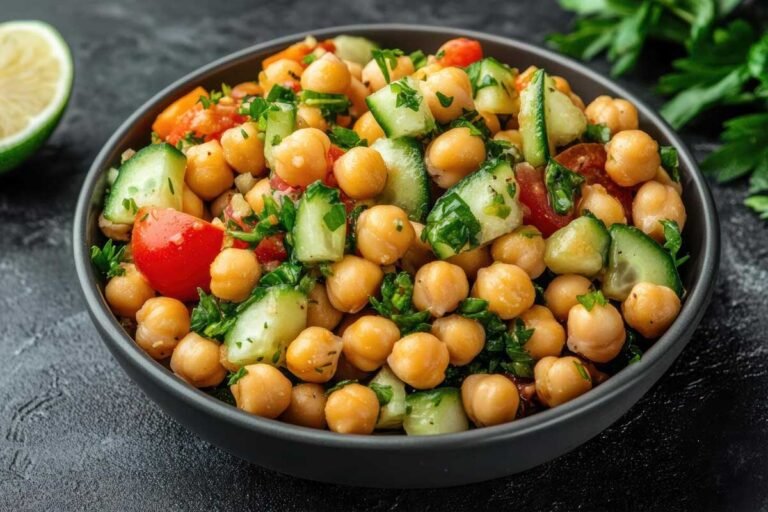
The first and one of the most important 10 tips for good health is to eat a balanced diet that provides your body with all the essential nutrients it needs to function properly.
Try to include the following foods in your daily meals:
- Leafy green vegetables
- Fresh fruits
- Whole grains
- Beans and lentils
- Eggs, fish, or other lean protein sources
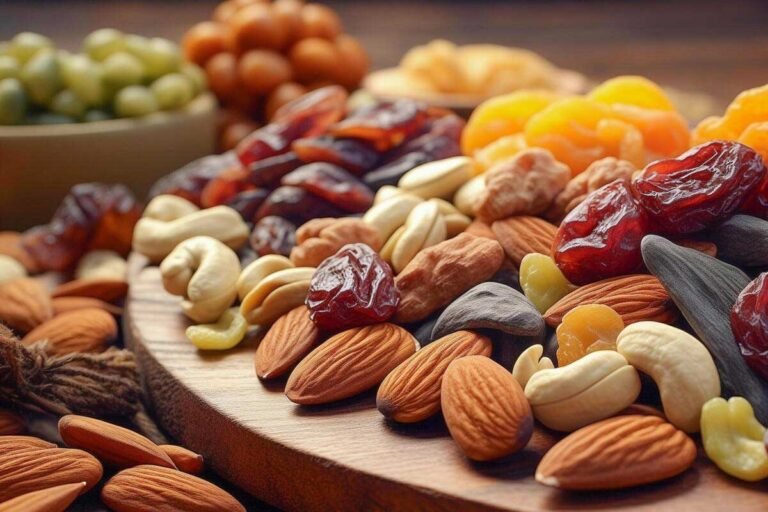
- Healthy fats such as nuts and seeds
A well-balanced diet supplies the body with essential vitamins, minerals, protein, fiber, and antioxidants. These nutrients support healthy muscles, bones, the immune system, brain function, and overall energy levels while helping reduce the risk of many chronic diseases.
Nutrition Facts
For example:
- One medium-sized orange provides approximately 70 mg of vitamin C, which supports a healthy immune system and helps the body absorb iron.
- One cup of cooked spinach contains about 6 mg of iron, along with excellent amounts of vitamin K and folate, nutrients that are important for blood health and bone strength.
At the same time, it’s important to limit foods that are high in added sugar, sodium, and highly processed ingredients, as frequent consumption may increase the risk of obesity, high blood pressure, type 2 diabetes, and heart disease over time.
2. Stay Physically Active Every Day
Regular physical activity is one of the most important habits for maintaining good health and is an essential part of these 10 tips for good health.
Health experts recommend that adults aim for at least:
- 150 minutes of moderate-intensity aerobic exercise each week, or
- 75 minutes of vigorous-intensity exercise each week.
In addition, include muscle-strengthening activities on at least two days per week to support bone health, maintain muscle mass, and improve overall fitness.
You can choose activities such as:
- Brisk walking
- Cycling
- Swimming
- Yoga
- Strength training
- Dancing
Regular exercise helps maintain a healthy weight, supports heart health, lowers blood pressure, improves blood sugar control, strengthens muscles and bones, and boosts mental well-being. Staying active consistently, even through simple daily movement can make a significant difference to your long-term health.
Also Read: Healthy High Protein Breakfast: 10 Healthy Breakfast Ideas
3. Drink Enough Water
Staying well hydrated is one of the simplest yet most effective 10 tips for good health. Water is essential for nearly every function in the body and plays a vital role in maintaining overall health.
Drinking enough water helps:
- Regulate body temperature
- Support healthy digestion
- Transport nutrients and oxygen throughout the body
- Remove waste products through urine and sweat
- Keep joints lubricated and functioning properly
Most healthy adults should drink enough fluids throughout the day to stay well hydrated. Individual water needs vary depending on factors such as age, body size, physical activity, climate, and overall health. During hot weather, exercise, or illness, your body may require more fluids to replace what is lost through sweating or fever.
A practical way to monitor hydration is to drink water regularly throughout the day and aim for pale yellow urine, which is often a sign of adequate hydration.
4. Get 7-9 Hours of Quality Sleep Every Night
Quality sleep is a key part of a healthy lifestyle and one of the most important 10 tips for good health. During sleep, your body repairs tissues, supports brain function, strengthens the immune system, and restores energy for the next day.
Health experts recommend that most adults get 7 to 9 hours of quality sleep each night.
Not getting enough sleep may increase the risk of:
- Obesity
- Type 2 diabetes
- High blood pressure
- A weakened immune system
- Memory and concentration problems
- Stress and mood changes
To improve your sleep quality:
- Go to bed and wake up at the same time every day, including weekends.
- Reduce screen time from phones, tablets, and laptops before bedtime.
- Keep your bedroom quiet, dark, and at a comfortable temperature.
- Avoid caffeine and other stimulants late in the evening.
Making good sleep a daily priority can improve your physical health, mental well-being, productivity, and overall quality of life.
5. Manage Stress Effectively
Managing stress is an essential part of a healthy lifestyle and one of the most valuable 10 tips for good health. While occasional stress is a normal part of life, ongoing or chronic stress can affect both your physical and mental well-being.
Long-term stress may increase the risk of:
- Heart disease
- Anxiety
- Depression
- Digestive problems
- Sleep disturbances
Healthy ways to reduce stress include:
- Practice meditation or mindfulness.
- Try deep breathing exercises.
- Stay physically active with regular exercise.
- Spend time outdoors and connect with nature.
- Talk with family members or close friends for emotional support.
Even 10 minutes of daily meditation or mindfulness practice can help reduce stress, improve focus, and support better mental health. Making stress management part of your daily routine can have lasting benefits for your overall well-being.
6. Get Enough Protein Every Day
Getting enough protein is one of the essential 10 tips for good health. Protein is a vital nutrient that helps repair body tissues, build and maintain muscle, produce enzymes and hormones, and support a healthy immune system.
Good sources of protein include:
- Eggs
- Fish
- Skinless chicken
- Lentils
- Kidney beans
- Soy foods
- Greek yogurt
- Nuts and seeds
Nutrition Facts
For example, one large egg provides approximately:
- 6 grams of high-quality protein
- Vitamin B12
- Selenium
- Choline, an important nutrient that supports brain and nervous system health
As a general guideline, most healthy adults need about 0.8 grams of protein per kilogram of body weight per day. However, protein requirements may be higher for older adults, people who exercise regularly, pregnant or breastfeeding women, and those recovering from illness or injury.
Including a good source of protein in each meal can help support muscle health, increase satiety, and contribute to overall health and well-being.
7. Limit Added Sugar, Salt, and Processed Foods
Another important point in these 10 tips for good health is to reduce your intake of foods that are high in added sugar, sodium, and heavily processed ingredients.
Consuming too much added sugar may increase the risk of:
- Obesity
- Fatty liver disease
- Type 2 diabetes
- Tooth decay and other dental problems
Likewise, eating too much salt (sodium) can raise the risk of:
- High blood pressure
- Stroke
- Heart disease
Instead, choose a diet based on fresh, minimally processed foods such as:
- Home-cooked meals
- Fresh fruits
- Vegetables
- Whole grains
- Lean protein sources
Preparing meals at home more often also gives you better control over the amount of sugar, salt, and unhealthy fats in your diet. Making these healthier food choices consistently can support long-term heart health, improve energy levels, and reduce the risk of many chronic diseases.
Also Read: High Protein Dry Fruits List: Top 5 and Nutrition Facts
8. Schedule Regular Health Checkups
Regular health checkups are an important part of preventive healthcare and one of the most valuable 10 tips for good health. Many serious health conditions develop gradually and may not cause noticeable symptoms in their early stages.
Routine screenings and medical checkups can help detect potential health problems early, when treatment is often more effective.
Depending on your age, medical history, and individual risk factors, your healthcare provider may recommend:
- Blood pressure checks
- Blood sugar testing
- Cholesterol screening
- Eye examinations
- Dental checkups
- Recommended cancer screenings
- Routine vaccinations and immunizations
Keeping up with regular preventive care can help identify health concerns before they become more serious, improve treatment outcomes, and support better long-term health. Always follow the screening schedule recommended by your healthcare professional based on your personal health needs.
9. Take Care of Your Mental Health
Good mental health is just as important as physical health and is an essential part of these 10 tips for good health. Looking after your emotional well-being can improve your quality of life, strengthen relationships, and help you cope better with everyday challenges.
To support your mental well-being:
- Stay connected with family and friends.
- Set aside time for yourself each day.
- Limit time spent on social media.
- Enjoy hobbies and activities that you find relaxing and meaningful.
- Seek support from a mental health professional if needed.
If you experience persistent symptoms such as ongoing sadness, anxiety, difficulty sleeping, or a loss of interest in activities you once enjoyed, it’s important not to ignore them. Speaking with a qualified healthcare or mental health professional early can help you receive the right support and treatment when needed.
10. Avoid Smoking
One of the most important 10 tips for good health is to avoid smoking or quit if you currently smoke. Quitting smoking is one of the best decisions you can make for your long-term health, and the benefits begin soon after you stop.
Smoking significantly increases the risk of:
- Lung cancer
- Heart disease
- Stroke
- Chronic obstructive pulmonary disease (COPD)
- Many other serious health conditions
The body begins to recover after quitting smoking. Over time, circulation improves, lung function gradually gets better, and the risk of heart disease, stroke, and several types of cancer decreases. If quitting feels difficult, speak with your healthcare provider about evidence-based support options, such as counseling or smoking cessation programs, which can improve your chances of success.
Also Read: How Many Steps Per Day to Lose Weight?
Why Are These 10 Tips for Good Health So Important?

Living a healthier life doesn’t require dramatic changes. In most cases, small, consistent healthy habits make the biggest difference over time. When practiced every day, these simple lifestyle choices can have a lasting positive impact on both your physical and mental well-being.
If you make these 10 tips for good health part of your daily routine, you can:
- Increase your energy levels throughout the day.
- Strengthen your immune system to help protect against illness.
- Maintain a healthy weight more effectively.
- Support a healthy heart and improve cardiovascular health.
- Improve your mental health and emotional well-being.
- Reduce the risk of many chronic diseases, including heart disease, type 2 diabetes, and high blood pressure.
- Enhance your overall quality of life and support healthy aging for years to come.
The key to long-term health isn’t perfection, it’s consistency. By following these 10 tips for good health every day, you can build healthier habits that benefit your body and mind for the rest of your life.
FAQs – 10 Tips for Good Health
Q1. What are the 10 tips for good health?
The 10 tips for good health include eating a balanced diet, exercising regularly, drinking enough water, getting 7-9 hours of quality sleep, managing stress, eating enough protein, limiting added sugar and salt, scheduling regular health checkups, taking care of your mental health, and avoiding smoking.
Q2. How can I improve my health naturally?
You can improve your health naturally by eating a nutrient-rich diet, staying physically active, drinking enough water, getting quality sleep, managing stress, and avoiding unhealthy habits such as smoking. Small, consistent lifestyle changes can make a significant difference over time.
Q3. How much exercise should adults do each week?
Health experts recommend that adults get at least 150 minutes of moderate-intensity aerobic activity or 75 minutes of vigorous-intensity exercise each week. It’s also recommended to include muscle-strengthening activities on at least two days per week.
Q4. Why is sleep important for good health?
Quality sleep allows your body to repair and recover, supports brain function, strengthens the immune system, regulates hormones, and helps lower the risk of conditions such as obesity, heart disease, high blood pressure, and type 2 diabetes. Most adults should aim for 7-9 hours of sleep each night.
Q5. What foods should I eat to stay healthy?
A healthy diet should include fruits, vegetables, whole grains, lean proteins, legumes, nuts, seeds, and healthy fats. Choosing minimally processed foods while limiting added sugar, excess salt, and highly processed foods can support better overall health.
Q6. Can small lifestyle changes really improve long-term health?
Yes. Simple daily habits such as walking regularly, drinking enough water, eating a balanced diet, getting quality sleep, managing stress, and staying physically active can significantly improve your overall health and reduce the risk of many chronic diseases over the long term.
Conclusion
Good health is not built in a single day, it is the result of consistent healthy habits practiced over time. Eating a balanced diet, staying physically active, drinking enough water, getting quality sleep, managing stress, scheduling regular health checkups, and taking care of your mental health all play an important role in supporting long-term well-being.
If you start following these 10 tips for good health today and make them part of your daily routine, you can improve your overall health, lower the risk of many lifestyle-related diseases, and enjoy a healthier, more active life in the years ahead. Even small, positive changes made consistently can lead to meaningful and lasting health benefits.
Disclaimer
This article is intended for general informational and educational purposes only. It is not a substitute for professional medical advice, diagnosis, or treatment. Always consult your doctor or a qualified healthcare professional before starting any new diet, exercise program, or making significant changes to your health or lifestyle. Never ignore or delay seeking professional medical advice because of something you have read in this article.

I am Danish, the creator of Health Update 24. I write about health, nutrition, fitness, and healthy lifestyle topics, sharing simple, practical, and well-researched information to help readers make informed decisions about their well-being. Know More