Over the past few years, chia seeds have become one of the world’s most popular superfoods. Health experts, fitness coaches, and nutritionists often recommend adding them to a balanced diet because they are naturally rich in fiber, protein, omega-3 fatty acids, antioxidants, and essential minerals.
If you’re looking to understand the Benefits of Chia Seeds, this guide covers everything you need to know. You’ll learn about the science-backed health benefits of chia seeds, their nutritional value, the best ways to eat them, the recommended daily intake, and who should consume them with caution. Whether your goal is improving digestion, supporting heart health, managing weight, or simply eating a healthier diet, this article provides practical, evidence-based information to help you make informed choices.
Table of Contents
What Are Chia Seeds?

Chia seeds are tiny black or white seeds that come from the Salvia hispanica plant, a flowering herb native to Central and South America. For centuries, these nutrient-dense seeds were valued by ancient civilizations as a natural source of long-lasting energy and nourishment.
Today, chia seeds are enjoyed worldwide and are commonly added to breakfast bowls, smoothies, yogurt, oatmeal, salads, baked goods, and healthy beverages. Their mild flavor makes them easy to incorporate into a wide variety of meals without changing the taste.
Also Read: Healthy High Protein Breakfast: 10 Healthy Breakfast Ideas
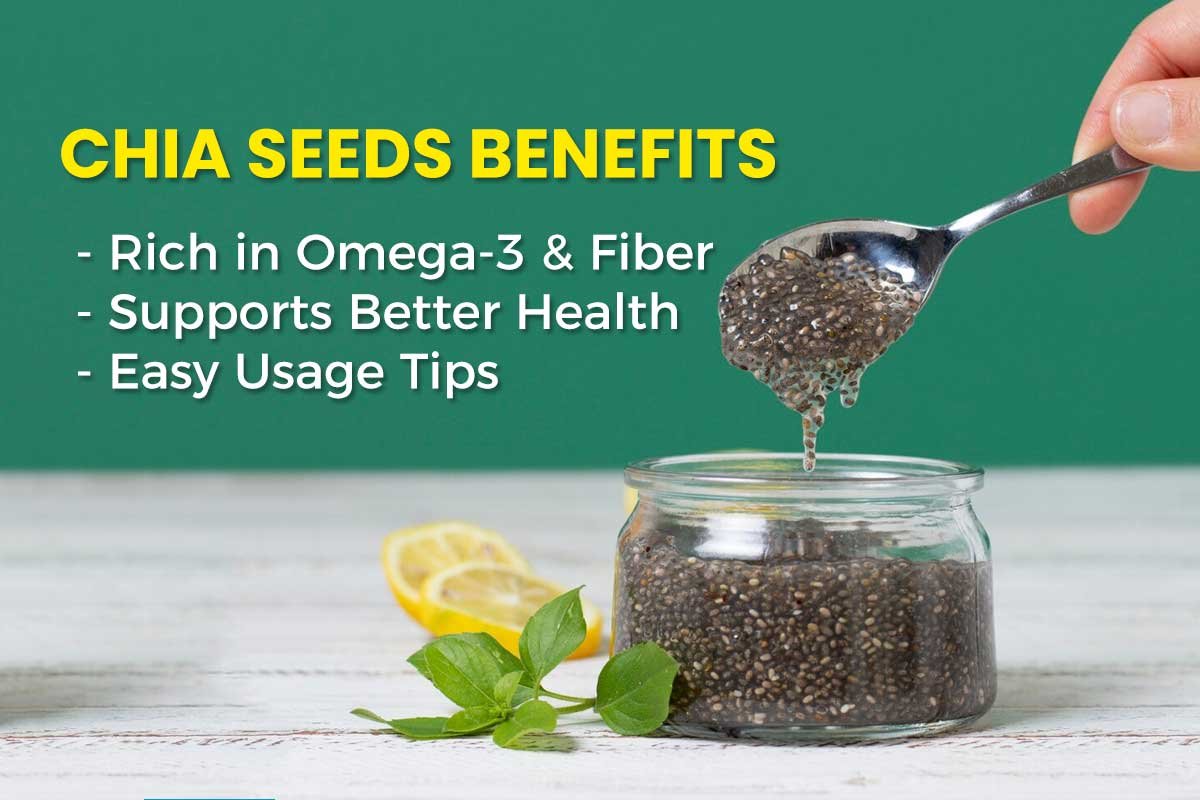
One of the most unique characteristics of chia seeds is their ability to absorb several times their weight in water. When soaked, they develop a soft, gel-like coating that can help promote a feeling of fullness, making them a popular addition to balanced diets and weight management plans.
Chia Seeds Nutrition Facts (Per 100 g)
| Nutrient | Approximate Amount |
|---|---|
| Calories | 486 kcal |
| Protein | 16.5 g |
| Carbohydrates | 42.1 g |
| Dietary Fiber | 34.4 g |
| Total Fat | 30.7 g |
| Omega-3 Fatty Acids (ALA) | 17-18 g |
| Calcium | 631 mg |
| Magnesium | 335 mg |
| Phosphorus | 860 mg |
| Iron | 7.7 mg |
| Potassium | 407 mg |
Note: Nutritional values are approximate and may vary slightly depending on the brand, growing conditions, and processing methods.
Why Are Chia Seeds Considered a Superfood?
The term “superfood” is not an official medical or scientific classification. Instead, it is commonly used to describe foods that provide a high concentration of nutrients relative to their calorie content.
Chia seeds are often included in this category because they are packed with a wide range of essential nutrients that support overall health. Some of the key nutrients found in chia seeds include:
- Dietary fiber
- Plant-based protein
- Omega-3 fatty acids (ALA)
- Antioxidants
- Calcium
- Magnesium
- Phosphorus
- Iron
- Zinc
- Manganese
Thanks to this impressive nutritional profile, chia seeds are widely recognized as a valuable addition to a balanced and healthy diet. While no single food can provide all the nutrients your body needs, incorporating chia seeds into a varied diet can help increase your intake of several important vitamins, minerals, and healthy fats.
Benefits of Chia Seeds: What Does the Research Say?
A growing body of scientific research suggests that chia seeds can offer several nutritional and health benefits when included as part of a balanced diet. Their unique combination of dietary fiber, plant-based protein, omega-3 fatty acids, antioxidants, vitamins, and minerals has been associated with positive effects on overall health and well-being.
However, it’s important to keep expectations realistic. Chia seeds are not a cure or treatment for any disease. While they can support various aspects of health, the greatest benefits are typically seen when they are combined with a nutritious diet, regular physical activity, adequate sleep, and other healthy lifestyle habits.
The following sections explore the science-backed benefits of chia seeds and explain how they may contribute to better health as part of an overall balanced eating pattern.
Who May Benefit from Adding Chia Seeds to Their Diet?
Chia seeds can be a nutritious addition to many eating patterns and may be especially beneficial for people who want to improve the overall quality of their diet. They are often suitable for:
- People working toward healthy weight management
- Individuals looking to increase their daily fiber intake
- Those following a vegetarian or plant-based diet
- People who exercise regularly or lead an active lifestyle
- Anyone seeking a filling breakfast or snack that helps promote satiety
- Individuals looking to include more calcium-rich foods to support bone health
- People following a heart-healthy, balanced diet
Because chia seeds are nutrient-dense and versatile, they can easily be added to a variety of meals. While they are not essential for everyone, they can be a convenient way to boost your intake of fiber, healthy fats, plant-based protein, and important minerals as part of a well-balanced diet.
Also Read: Vitamin B12 Deficiency Symptoms: Causes and Treatment
Is It Safe to Eat Chia Seeds Every Day?
For most healthy adults, eating chia seeds daily is generally considered safe when consumed in moderation as part of a balanced diet.
A typical serving is 1-2 tablespoons (approximately 15-30 grams) per day, which provides a good amount of fiber, plant-based protein, healthy fats, and essential minerals without being excessive.
If you’re new to high-fiber foods, it’s best to start with a smaller portion and gradually increase your intake. This gives your digestive system time to adjust and may help reduce temporary discomfort such as bloating or gas.
Because chia seeds absorb a large amount of liquid, it’s also important to drink plenty of water throughout the day and, when possible, soak the seeds before eating them. Staying well hydrated helps the fiber work effectively and supports healthy digestion.
What You’ll Learn Next
- How chia seeds may support healthy weight management
- Whether they are good for heart health
- How they may benefit digestive health
- Their potential role in supporting healthy blood sugar levels
- How they contribute to bone health, skin health, and overall energy
By the end of this guide, you’ll have a clear understanding of the Benefits of Chia Seeds, along with practical tips on how to include them in a healthy, balanced diet.
Benefits of Chia Seeds: 10 Health Benefits
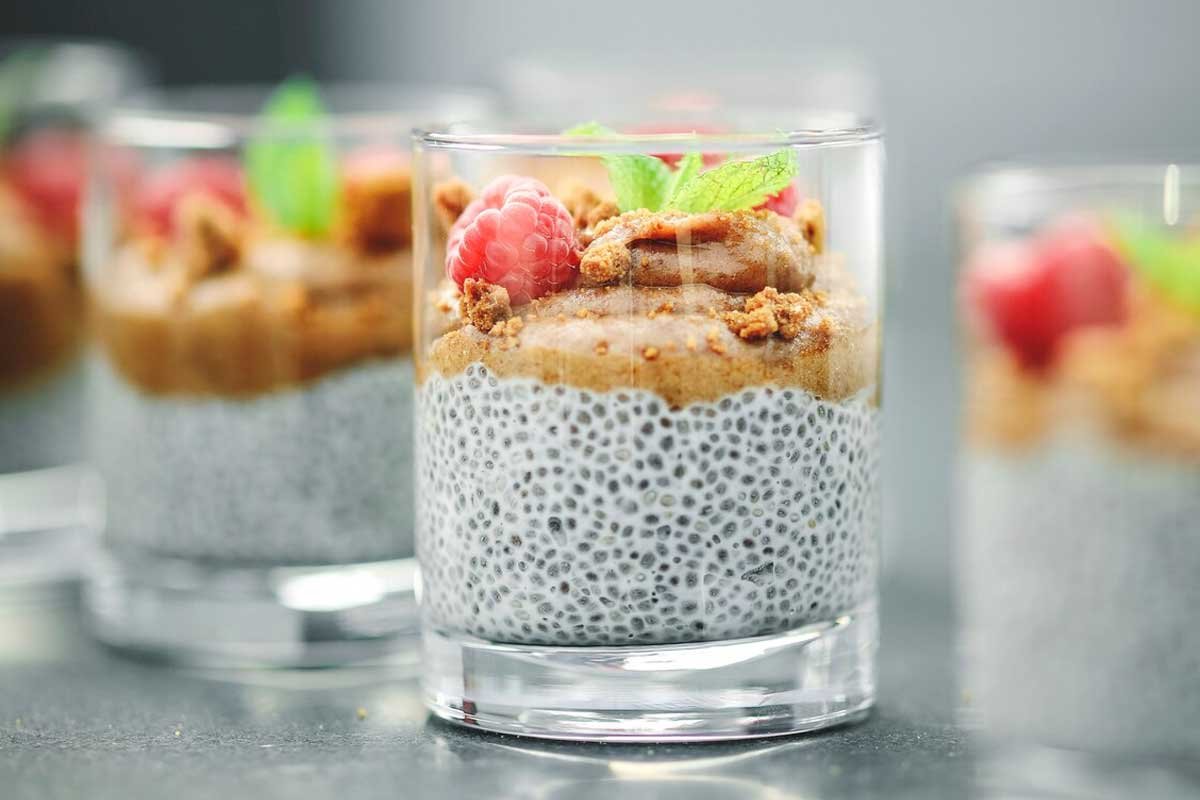
The following Benefits of Chia Seeds are based on findings from scientific studies and established nutritional evidence. Chia seeds are not a medicine or a cure for any disease. Instead, they are a nutrient-dense food that can support overall health when included as part of a balanced diet.
It’s also important to remember that the effects of chia seeds can vary from person to person. Factors such as age, overall health, dietary habits, physical activity, and lifestyle all play a role in determining how much benefit an individual may experience.
Let’s explore the 10 science-backed benefits of chia seeds and what current research says about each one.
1. May Help You Feel Full for Longer
One of the most well-known Benefits of Chia Seeds is their exceptionally high dietary fiber content. When mixed with water or other liquids, chia seeds absorb moisture and form a gel-like texture. This slows the movement of food through the digestive system, which may help you feel full for a longer period after eating.
Feeling satisfied for longer can make it easier to reduce unnecessary snacking and manage overall calorie intake. For this reason, chia seeds are often included in meal plans designed to support healthy weight management.
You can easily add chia seeds to oatmeal, yogurt, smoothies, overnight oats, or salads to increase the fiber content of your meals while keeping them more filling.
How Chia Seeds May Help
- May promote a longer-lasting feeling of fullness
- May help reduce frequent hunger and unnecessary snacking
- Can support healthy calorie control as part of a balanced diet
- May make it easier to stick to healthy eating habits
Keep in mind: Eating chia seeds alone will not lead to weight loss. Sustainable weight management depends on maintaining a balanced diet, staying physically active, and creating an appropriate calorie balance over time.
2. May Support Better Digestive Health
Another important Benefit of Chia Seeds is their high fiber content. Chia seeds contain both soluble and insoluble fiber, each of which plays a valuable role in supporting healthy digestion.
Soluble fiber absorbs water and forms a gel-like substance, while insoluble fiber adds bulk to stool and helps food move more efficiently through the digestive tract. Together, these types of fiber can promote regular bowel movements and support normal digestive function.
Getting enough dietary fiber is also important for maintaining a healthy gut microbiome, as beneficial gut bacteria use certain types of fiber as a source of nourishment.
Potential Digestive Benefits
- May help promote regular bowel movements
- May reduce the risk of occasional constipation
- Provides fiber that supports a healthy gut microbiome
- Contributes to overall digestive health and normal bowel function
Tip: If your diet is currently low in fiber, introduce chia seeds gradually rather than all at once. Increasing your fiber intake slowly and drinking plenty of water can help your digestive system adjust more comfortably.
Also Read: How to Eat Egg for Weight Loss: Best Time and Portions Explained
3. May Support Heart Health
Among the many Benefits of Chia Seeds, their potential to support heart health is one of the most widely studied. Chia seeds are a rich source of alpha-linolenic acid (ALA), a plant-based omega-3 fatty acid that plays an important role in a balanced, heart-friendly diet.
In addition to ALA, chia seeds provide dietary fiber and antioxidants, both of which contribute to overall cardiovascular health. Research suggests that diets rich in these nutrients may help support normal heart function when combined with other healthy lifestyle habits.
Potential Heart Health Benefits
- Can be part of a heart-healthy, balanced eating pattern
- May help support the body’s normal inflammatory response
- May contribute to maintaining healthy blood lipid levels as part of an overall healthy diet
- Provides plant-based omega-3 fatty acids that support cardiovascular wellness
Important: If you have a heart condition or take medications, especially blood-thinning or cardiovascular medicines, consult your healthcare provider before making significant changes to your diet. Chia seeds can be a healthy addition to many diets, but they should not replace prescribed treatments or medical advice.
4. May Help Support Healthy Blood Sugar Levels
Another potential Benefit of Chia Seeds is their role in supporting healthy blood sugar management. Chia seeds have a low glycemic impact and are naturally rich in dietary fiber, which can slow the digestion and absorption of carbohydrates.
As a result, adding chia seeds to a balanced meal may help reduce rapid spikes in blood glucose after eating. This effect is largely attributed to their soluble fiber, which forms a gel-like consistency during digestion and slows the release of glucose into the bloodstream.
Potential Benefits for Blood Sugar Management
- May help slow the rise in blood glucose after meals
- Supports a high-fiber eating pattern that promotes metabolic health
- Can be included as part of a balanced blood sugar management plan
- May contribute to improved overall dietary quality
Important: Chia seeds are not a treatment or cure for diabetes, and they should never replace prescribed medications or professional medical advice. If you have diabetes or take blood sugar-lowering medications, speak with your healthcare provider before making significant dietary changes.
5. May Help Support Strong Bones
One of the lesser-known Benefits of Chia Seeds is their contribution to bone health. While dairy products are often considered the primary source of calcium, chia seeds also provide several essential minerals that help maintain strong bones and teeth.
These tiny seeds are naturally rich in calcium, magnesium, phosphorus, and plant-based protein, nutrients that play important roles in maintaining normal bone structure and supporting overall skeletal health.
Key Nutrients for Bone Health
- Calcium
- Magnesium
- Phosphorus
- Plant-based protein
Including chia seeds as part of a varied, nutrient-rich diet can help increase your intake of these essential nutrients. They are especially useful for people looking to diversify their calcium sources or those following vegetarian or plant-based eating patterns.
Keep in mind: Strong bones depend on more than one food. Regular weight-bearing exercise, adequate vitamin D, sufficient protein intake, and an overall balanced diet all work together to support long-term bone health.
6. A Good Source of Plant-Based Protein
Among the many Benefits of Chia Seeds, their plant-based protein content makes them a valuable addition to vegetarian and vegan diets. Although chia seeds are not a complete source of all the protein your body needs, they can help increase your daily protein intake when combined with other nutritious foods.
Protein plays an essential role in maintaining muscles, tissues, and cells, and it supports the body’s normal growth, repair, and maintenance processes.
However, it’s important to remember that chia seeds alone cannot meet your daily protein requirements. For a well-balanced diet, combine them with other protein-rich foods such as legumes, beans, soy products, dairy (if consumed), nuts, and seeds.
Who May Benefit Most?
- Vegetarians
- Vegans
- People who exercise regularly
- Individuals with an active lifestyle
- Anyone looking to increase their intake of plant-based protein
Keep in mind: Chia seeds are best viewed as a protein boost, not a primary protein source. Pairing them with a variety of protein-rich foods helps ensure you get all the essential amino acids your body needs for optimal health.
7. Rich in Antioxidants
Another important Benefit of Chia Seeds is their naturally high antioxidant content. Antioxidants help protect the body’s cells from oxidative stress, a process caused by an imbalance between free radicals and the body’s natural defense systems.
Over time, oxidative stress has been linked to aging and a variety of chronic health conditions. While no single food can prevent these processes, eating a diet rich in antioxidant-containing foods is widely recommended as part of a healthy lifestyle.
Chia seeds also contain natural compounds that help protect their healthy fats from oxidation, contributing to their nutritional quality.
Potential Benefits
- May help protect cells from oxidative stress
- Provides a natural source of beneficial antioxidants
- Supports an overall balanced and nutrient-rich diet
- Contributes to long-term health as part of healthy eating habits
Remember: Antioxidants work best as part of an overall diet rich in fruits, vegetables, whole grains, nuts, seeds, and other minimally processed foods, not from a single food alone.
8. May Support Energy Levels and Endurance
One of the practical Benefits of Chia Seeds is their ability to provide a balanced combination of complex carbohydrates, healthy fats, dietary fiber, and plant-based protein. This nutrient profile makes them a popular choice among athletes, fitness enthusiasts, and people with active lifestyles.
Because they digest relatively slowly, chia seeds can help provide a more sustained release of energy compared with highly refined carbohydrate foods. For this reason, many people enjoy adding them to breakfast, smoothies, overnight oats, or pre-workout meals.
How They May Help
- May help support sustained energy throughout the day
- Can complement an active lifestyle and regular exercise routine
- Makes a nutritious addition to healthy snacks and balanced meals
- Provides a combination of nutrients that help keep you satisfied between meals
Keep in mind: Chia seeds are not a quick energy booster or performance-enhancing food. Optimal energy and endurance depend on adequate calorie intake, proper hydration, quality sleep, regular physical activity, and an overall balanced diet. Chia seeds work best as one part of a healthy nutrition plan.
9. May Provide Nutrients That Support Healthy Skin and Hair
Healthy skin and hair depend on much more than topical skincare products. Good nutrition plays a key role in maintaining normal skin function and supporting healthy hair growth.
One of the valuable Benefits of Chia Seeds is that they provide several nutrients involved in overall skin and hair health, including plant-based omega-3 fatty acids (ALA), protein, zinc, and antioxidants. These nutrients help support the body’s normal cellular processes and contribute to overall nutritional well-being.
However, it’s important to set realistic expectations. Eating chia seeds alone will not automatically result in glowing skin or thicker hair. Healthy skin and hair are influenced by many factors, including genetics, overall diet, hydration, sleep quality, stress levels, and lifestyle habits.
Potential Benefits
- Provides nutrients that support normal skin and hair health
- Supplies antioxidants that help protect cells from oxidative stress
- Contributes to overall nutritional balance
- Can be part of a healthy lifestyle that supports skin and hair wellness
Keep in mind: For healthy skin and hair, focus on an overall nutrient-rich diet, stay well hydrated, get enough sleep, and maintain healthy lifestyle habits. Chia seeds are a beneficial addition, but they are only one part of the bigger picture.
10. A Nutrient-Dense Choice for Overall Health
The final Benefit of Chia Seeds is their impressive overall nutritional profile. If you’re looking for a single food that provides dietary fiber, plant-based protein, healthy fats, calcium, magnesium, and antioxidants, chia seeds are an excellent addition to a balanced diet.
Rather than relying on just one nutrient, chia seeds offer a combination of essential nutrients that work together to support overall health and well-being. Their mild flavor and versatility also make them easy to include in everyday meals.
You can add chia seeds to a variety of foods, including:
- Oatmeal or overnight oats
- Yogurt
- Smoothies
- Salads
- Soups
- Homemade chia pudding
- Whole-grain cereals and breakfast bowls
Because they pair well with both sweet and savory dishes, chia seeds are a simple way to increase the nutritional value of your meals without significantly changing their taste.
Also Read: High Protein Dry Fruits List: Top 5 and Nutrition Facts
Key takeaway: No single food can provide every nutrient your body needs. However, the Benefits of Chia Seeds come from their unique combination of fiber, protein, healthy fats, vitamins, minerals, and antioxidants, making them a smart choice as part of a varied, balanced, and healthy diet.
Benefits of Chia Seeds at a Glance
| Health Benefit | How Chia Seeds May Help |
|---|---|
| Appetite Control | The high fiber content may help you feel full for longer, reducing the urge to snack frequently. |
| Weight Management | Can support healthy weight management when combined with a balanced diet and regular exercise. |
| Digestive Health | May promote regular bowel movements and help reduce occasional constipation. |
| Heart Health | Provides ALA omega-3 fatty acids and fiber that support a heart-healthy diet. |
| Healthy Blood Sugar | May help slow the rise in blood glucose after meals as part of a balanced eating pattern. |
| Bone Health | A good source of calcium, magnesium, and phosphorus that help maintain healthy bones. |
| Plant-Based Protein | Contributes to daily protein intake, especially for vegetarian and plant-based diets. |
| Antioxidant Support | Contains natural antioxidants that help protect cells from oxidative stress. |
| Energy & Endurance | Provides a balanced combination of nutrients that may help support sustained energy levels. |
| Overall Nutrition | Delivers fiber, healthy fats, protein, vitamins, minerals, and antioxidants in one nutrient-dense food. |
Note: While the Benefits of Chia Seeds are supported by nutritional research, they are most effective when enjoyed as part of a balanced diet and healthy lifestyle. Chia seeds are not intended to prevent, treat, or cure any disease.
How to Eat Chia Seeds
If you’re eating chia seeds for the first time, it’s best to start with a small amount. They can be easily incorporated into your daily diet in a variety of simple and convenient ways.
1. Soaked in Water
This is one of the most popular ways to consume chia seeds.
How to prepare:
- Take 1-2 tablespoons of chia seeds.
- Add them to 250-300 ml (about 1 cup) of water.
- Let them soak for 20-30 minutes or overnight.
- Once the seeds develop a gel-like texture, they are ready to eat.
If you like, you can also add fresh lemon juice, mint leaves, or unsweetened lemon water for extra flavor.
2. With Yogurt
If you’re looking for a healthy breakfast or snack, you can mix chia seeds into Greek yogurt or regular yogurt. For extra nutrition and flavor, add fresh fruit, oats, and a handful of nuts to create a more balanced and satisfying meal.
3. In Smoothies
Adding chia seeds to a fruit or green smoothie is an easy and delicious way to include them in your diet. Since chia seeds have a mild flavor, they blend well into smoothies without significantly changing the taste.
4. In Oatmeal or Porridge
You can sprinkle chia seeds over your oatmeal or porridge as part of your breakfast. This is an easy way to boost the meal’s fiber, plant-based protein, and healthy fat content.
5. In Salads
If you enjoy eating salads, you can simply sprinkle one tablespoon of chia seeds on top. It’s an easy way to enhance the nutritional value of your salad without changing its flavor significantly.
6. Chia Pudding
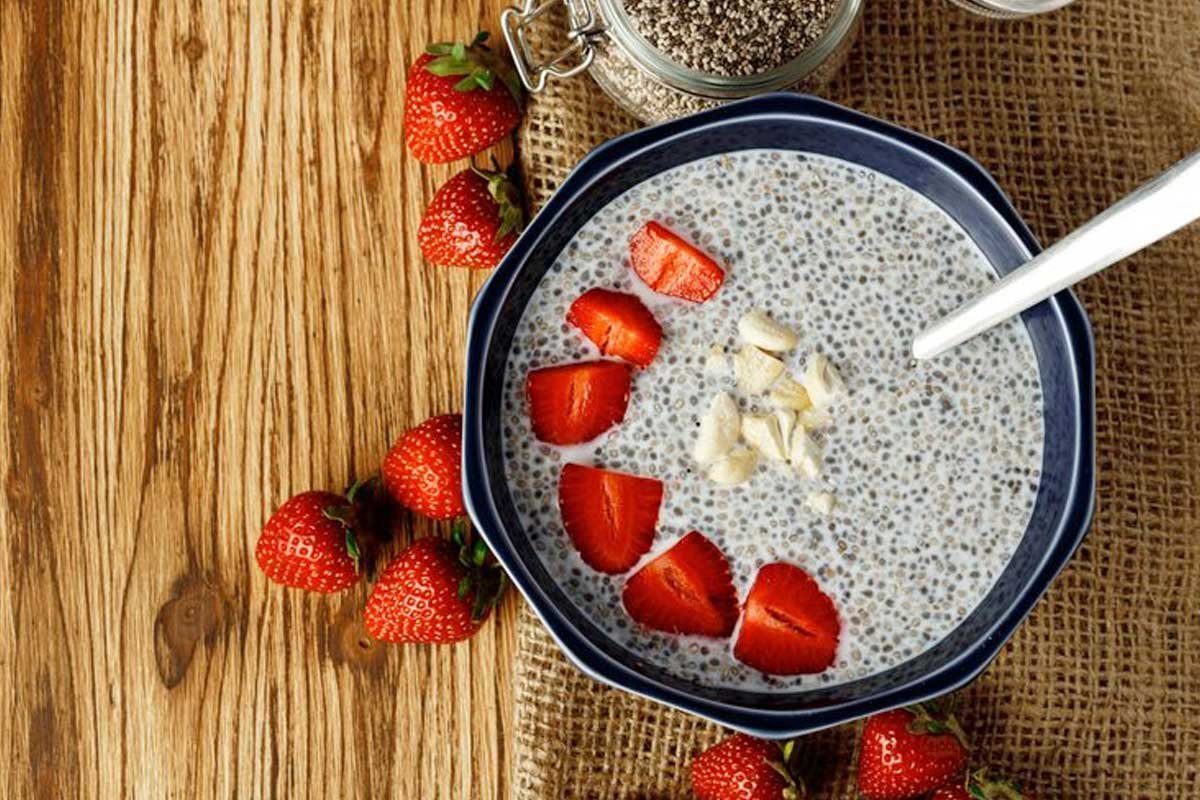
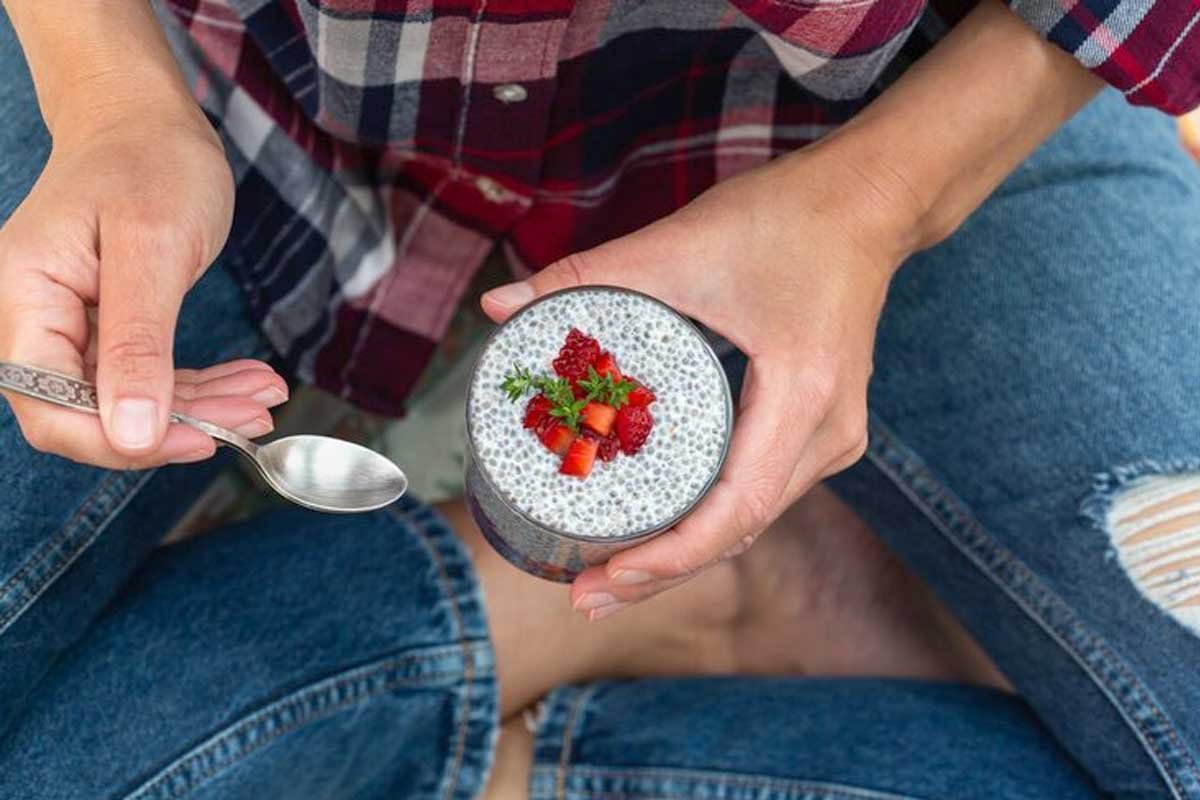
Soak chia seeds overnight in milk or a plant-based milk alternative, then top with fresh fruit in the morning to make a healthy chia pudding. It’s one of the most popular healthy breakfast options enjoyed around the world.
Best Time to Eat Chia Seeds
Chia seeds can be enjoyed at any time of the day. The best time to eat them depends on your daily routine, personal preferences, and health goals.
Morning
If your goal is to stay full for longer, adding chia seeds to your breakfast can be a great option. Thanks to their fiber and plant-based protein content, they may help keep your meals more satisfying and support a balanced eating pattern throughout the day.
Before a Workout
Some people enjoy eating chia seeds before exercise because they provide a balanced combination of complex carbohydrates, healthy fats, and fiber. However, eating a large amount right before a workout may leave you feeling too full or uncomfortable, so moderation is important.
After a Workout
After exercising, chia seeds can be added to yogurt, smoothies, or other protein-rich meals to complement a balanced post-workout snack or meal.
At Night
Many people also enjoy chia pudding or yogurt with chia seeds in the evening. If high-fiber foods don’t cause you digestive discomfort at night, this can be another healthy way to include chia seeds in your daily diet.
Also Read: How Many Steps to Walk a Day to Lose Weight? Know the Right Calculation
How Many Chia Seeds Should You Eat Per Day?
For most healthy adults, the general recommendation is:
Recommended Daily Amount
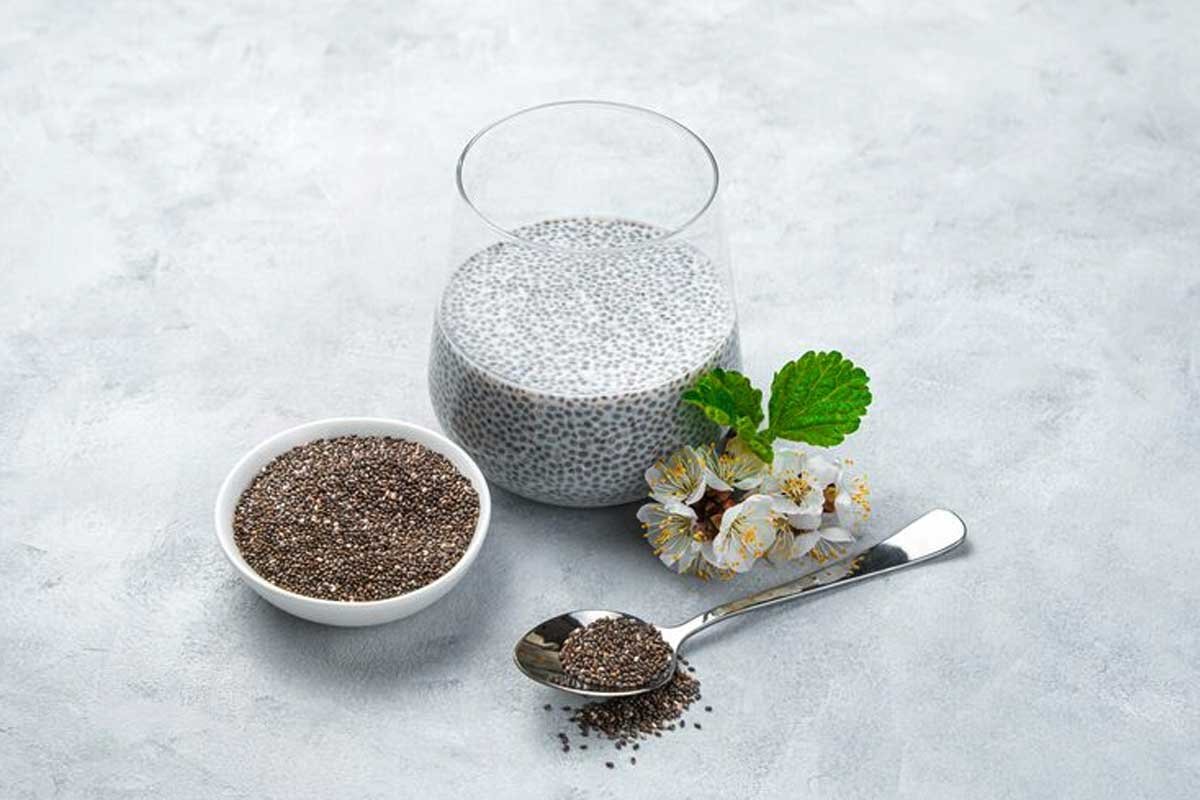
- 15-30 grams per day
- Approximately 1-2 tablespoons
If you’re eating chia seeds for the first time:
- Start with 1 tablespoon
- Drink plenty of water throughout the day
- Gradually increase the amount as your body adjusts
Who Should Consult a Doctor Before Eating Chia Seeds?
Although chia seeds are generally considered safe for most healthy adults, some people should speak with a doctor or a registered dietitian before adding them to their diet, especially in larger amounts.
This includes people who:
- Have a history of severe food allergies
- Have difficulty swallowing (dysphagia)
- Take blood-thinning (anticoagulant) medications
- Have a serious digestive disorder
- Have recently undergone surgery involving the digestive system
- Are pregnant or breastfeeding and plan to make significant changes to their diet
Consulting a healthcare professional can help ensure that chia seeds are appropriate for your individual health needs and any existing medical conditions.
Potential Side Effects of Chia Seeds
When consumed in moderate amounts, chia seeds are generally considered safe for most healthy adults. However, eating them in excessive amounts or consuming them improperly may cause unwanted side effects in some individuals.
1. Gas and Bloating
Because chia seeds are high in fiber, suddenly increasing your fiber intake may cause gas, bloating, or digestive discomfort, especially if your body is not used to high-fiber foods. To reduce the likelihood of these symptoms, start with a small serving, drink plenty of water, and gradually increase your intake over time.
2. Constipation or Digestive Discomfort
Although fiber generally supports healthy digestion, not drinking enough water while eating chia seeds may contribute to constipation or digestive discomfort in some people. Staying well hydrated is important because chia seeds absorb a significant amount of liquid.
3. Allergic Reactions
Allergic reactions to chia seeds are rare, but they can occur in some individuals. If you experience symptoms such as difficulty breathing, swelling of the face or throat, or severe itching after consuming chia seeds, seek immediate medical attention.
4. Interactions with Certain Medications
The nutrients in chia seeds may influence the effects of certain medications. If you take blood pressure medication, blood sugar-lowering medication, or blood-thinning (anticoagulant) medication, consult your doctor before consuming chia seeds regularly or in large amounts. This helps ensure they fit safely into your overall treatment plan.
What to Look for When Buying Chia Seeds
To ensure you’re getting a high-quality product, keep the following points in mind:
- Choose a trusted and reputable brand.
- Make sure the packaging is properly sealed and undamaged.
- Always check the expiration or best-before date.
- Store chia seeds in a cool, dry place.
- Keep them away from moisture to help maintain their freshness and quality.
Expert Tips
If you’re adding chia seeds to your diet for the first time, these practical tips can help you get started safely and effectively:
- Start with a small serving and increase the amount gradually
- Drink plenty of water throughout the day
- Include chia seeds as part of a balanced and varied diet
- Don’t rely on chia seeds alone for your nutritional needs
- Eat a wide variety of nutrient-rich foods every day
- If you have a serious medical condition or take prescription medications, consult your healthcare provider before making significant changes to your diet
Frequently Asked Questions (FAQs) About Chia Seeds
Q1. How Many Chia Seeds Should You Eat Per Day?
For healthy adults, 15-30 grams (approximately 1-2 tablespoons) of chia seeds per day is generally considered an appropriate amount. If you are consuming chia seeds for the first time, start with a smaller quantity and observe how your body responds.
Eating too many chia seeds at once may cause digestive issues such as gas, bloating, or stomach discomfort in some people.
Q2. Do Chia Seeds Help With Weight Loss?
Chia seeds are not a direct weight-loss solution, but their high fiber and protein content may help you feel full for longer. This increased feeling of fullness may help some people reduce unnecessary snacking and support better calorie control.
For healthy weight management, chia seeds should be combined with a balanced diet, regular exercise, and a healthy lifestyle.
Q3. What Is the Best Time to Eat Chia Seeds?
There is no specific time that is considered the best for eating chia seeds. They can be consumed with breakfast, added to smoothies, mixed with yogurt, or eaten at any time of the day.
For people looking to manage hunger and stay full for longer, having chia seeds in the morning may be a useful option.
Q4. Can You Eat Chia Seeds on an Empty Stomach?
Yes, many people consume chia seeds with water in the morning on an empty stomach. However, if you experience gas or digestive discomfort from increased fiber intake, taking them with a meal may be a better option.
Q5. Can People With Diabetes Eat Chia Seeds?
Chia seeds are high in fiber, which may help slow the rise in blood sugar levels after meals. However, people with diabetes should consider their individual health condition and medications before adding chia seeds regularly to their diet. Consulting a doctor or registered dietitian is recommended.
Q6. Is It Safe to Eat Chia Seeds Every Day?
For most healthy individuals, eating chia seeds daily in moderate amounts is generally considered safe. However, it is important to consume them properly to avoid potential digestive discomfort and get the maximum nutritional benefits.
Always keep the portion size controlled, drink enough water throughout the day, and include chia seeds as part of a balanced and varied diet. If you have any medical condition or take regular medications, consult a healthcare professional before making chia seeds a regular part of your diet.
Conclusion
Despite their small size, chia seeds are packed with several important nutrients, including dietary fiber, plant-based protein, omega-3 fatty acids, calcium, magnesium, and antioxidants.
When it comes to the Benefits of Chia Seeds, they may help support healthy weight management, digestive health, heart health, energy levels, and overall nutrition when included as part of a balanced diet.
However, it is important to understand that no single food can guarantee complete health. A healthy lifestyle that includes a balanced diet, regular physical activity, adequate sleep, and overall healthy habits plays the most important role in long-term well-being.
If you want to add chia seeds to your daily diet, consume them in the right amount and in the right way to enjoy their nutritional benefits safely.
Disclaimer
This article is written for general health and informational purposes only. The information provided here is not intended to replace professional medical advice, diagnosis, or treatment for any health condition.
Before adding chia seeds or any new food to your diet, especially if you have an existing medical condition, are pregnant, breastfeeding, or take regular medications, consult your doctor or a qualified healthcare professional for personalized guidance.

I am Danish, the creator of Health Update 24. I write about health, nutrition, fitness, and healthy lifestyle topics, sharing simple, practical, and well-researched information to help readers make informed decisions about their well-being. Know More