Is guava good for diabetes? Yes, guava can generally be included in a diabetes-friendly diet when eaten in a sensible portion. This tropical fruit provides dietary fiber, vitamin C, water, and other nutrients while containing natural carbohydrates.
Having diabetes does not mean you need to avoid all fruit. What matters more is portion size, total carbohydrate intake, the rest of your meal, and how your blood glucose responds to a particular food.
Guava is especially useful because whole fruit provides fiber and nutrients. However, it is not a treatment for diabetes, and eating excessive amounts can still increase your carbohydrate intake.
Quick Answer: Is Guava Good for Diabetes?
Yes, guava can be a good fruit choice for people with diabetes when consumed in moderation.
Potential advantages include:
- High dietary fiber
- Rich in vitamin C
- Contains antioxidants
- Provides water and essential nutrients
- Can support fullness
- May fit into a weight-management diet
- Can support digestive health
However, guava still contains carbohydrates. Portion control remains important, particularly if you are monitoring blood glucose or counting carbohydrates.
Table of Contents
Is Guava Good for Diabetes?

Guava can be a nutritious addition to a diabetes-friendly eating pattern.
The fruit contains natural carbohydrates, but it also provides fiber. Fiber can help make food more filling and may slow the digestion and absorption of carbohydrates.
This does not mean guava will never raise blood sugar. The response can vary depending on the amount eaten, what you eat with it, physical activity, medications, and individual metabolism.
For most people, the better approach is to eat whole guava in a moderate portion rather than completely avoid it.
How Does Guava Affect Blood Sugar?
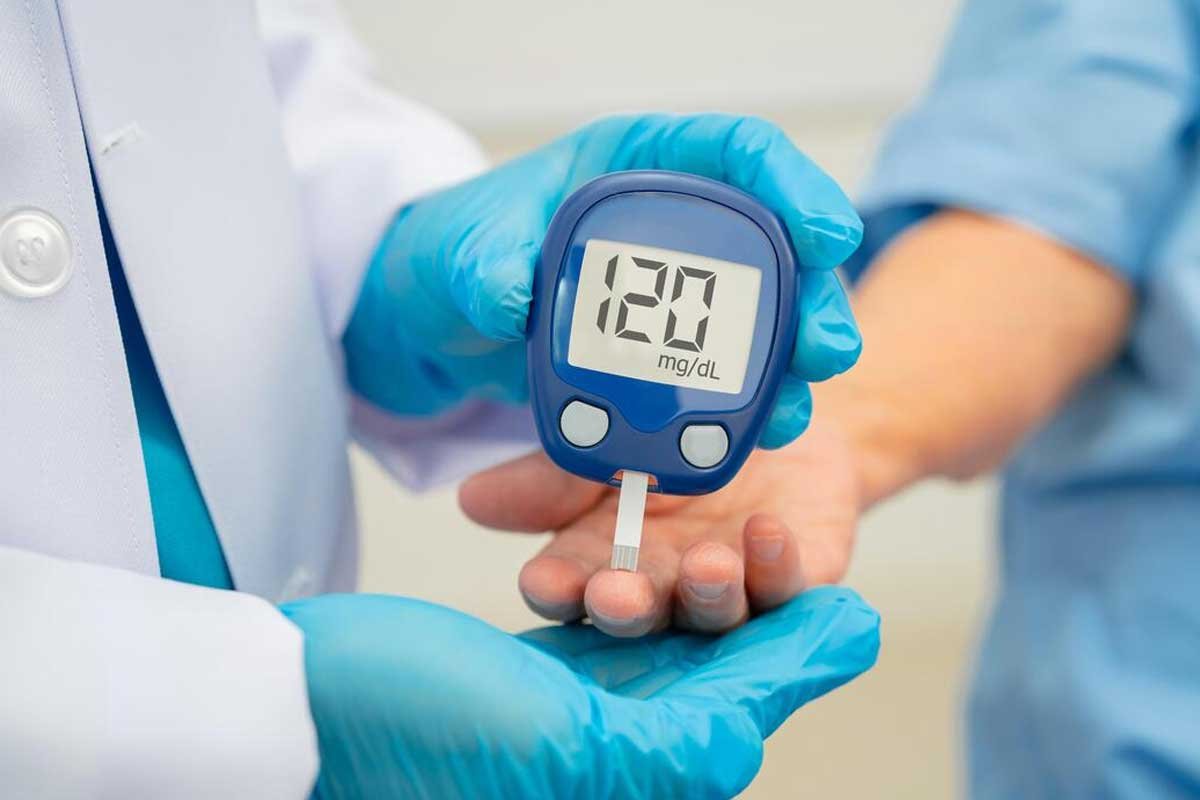
Guava contains natural sugars and carbohydrates, so eating it can affect blood glucose. However, whole guava also contains dietary fiber and water, which can influence how quickly the carbohydrates are digested.
The effect may be different from drinking a sweetened fruit beverage because whole fruit takes longer to eat and provides more fiber.
If you have diabetes and regularly monitor your blood glucose, you can learn how your body responds by checking your readings according to your usual monitoring plan.
Is Guava Low in Sugar?
Guava is not sugar-free, but it can be a reasonable whole-fruit option because it provides fiber and nutrients along with its natural sugars. The important point is not simply how much sugar a fruit contains. Total carbohydrate, serving size, and the overall meal also matter.
7 Benefits of Guava for Diabetes
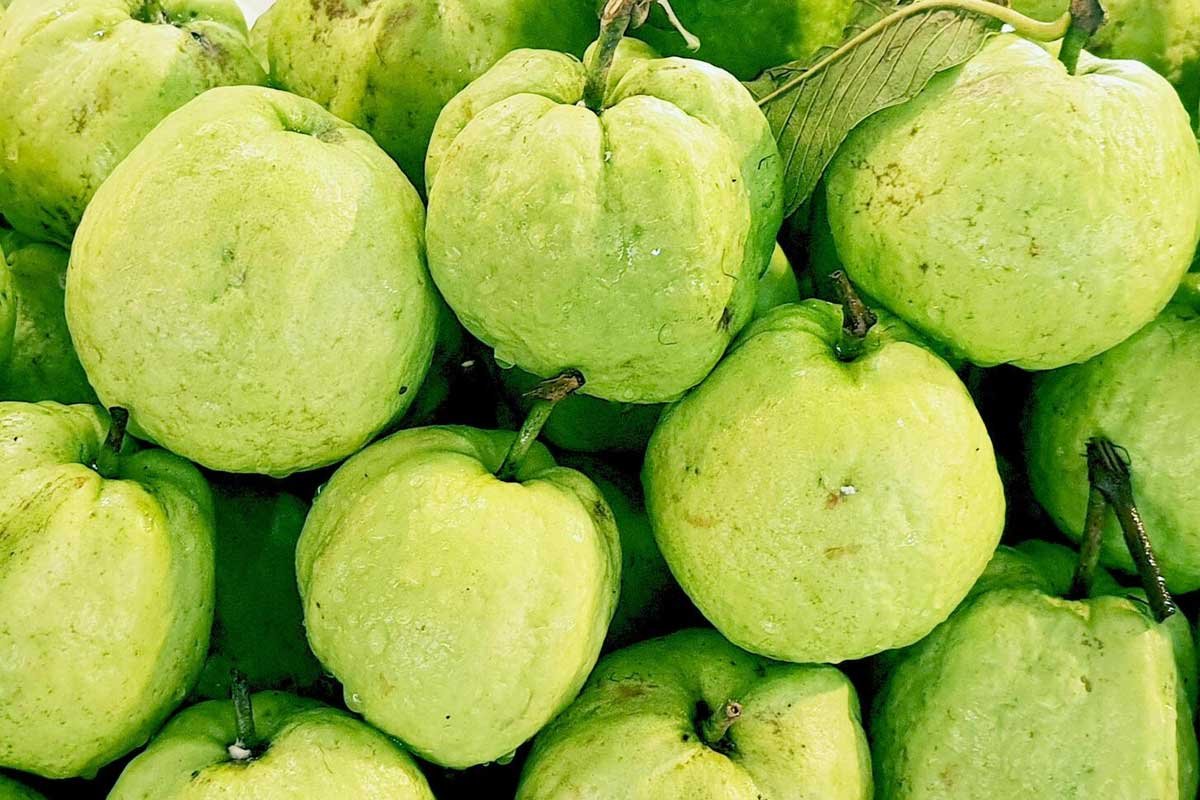
If you’re wondering is guava good for diabetes, the benefits go beyond its natural sweetness. In this section, you’ll learn about 7 potential benefits of guava, including how its fiber, vitamin C, antioxidants, and nutrients may support blood sugar management, digestion, fullness, and overall health.
1. May Support Better Blood Sugar Management
Guava can fit into a blood sugar-conscious eating pattern because whole guava provides fiber along with its carbohydrates. Fiber can slow digestion and contribute to a more gradual release of carbohydrates compared with foods that contain little or no fiber.
However, guava should not be described as a food that lowers or treats diabetes. Its role is best understood as part of an overall balanced diet.
2. Provides Plenty of Dietary Fiber
One of the most useful guava fruit benefits is its fiber content. Dietary fiber supports digestive health and can help you feel full after eating. A fiber-rich eating pattern can also make it easier to choose nutritious foods while managing overall carbohydrate intake.
If your usual diet is low in fiber, increase your intake gradually and drink enough fluids.
3. Rich in Vitamin C
Guava is particularly rich in vitamin C, an essential nutrient that supports normal immune function and antioxidant activity. Including vitamin C-rich fruits in a varied diet can help you meet your nutritional needs without relying on supplements.
4. May Help Support Weight Management
Is guava good for weight loss? It can certainly fit into a weight-loss eating pattern. Whole guava provides fiber and water, which can contribute to fullness. Replacing highly processed sweet snacks with a moderate portion of whole fruit may also improve the overall nutritional quality of your diet.
However, guava itself does not cause weight loss. Overall calorie intake, food choices, physical activity, sleep, and consistency are more important.
5. Supports Digestive Health
Guava contains dietary fiber, making it a useful addition to a diet focused on digestive health. Is guava good for constipation? It may help support regular bowel movements because fiber contributes to normal stool formation and bowel function.
If constipation continues for a long time or occurs with severe abdominal pain, vomiting, blood in the stool, or unexplained weight loss, seek medical advice.
6. Provides Antioxidants
Guava contains vitamin C and other plant compounds with antioxidant activity. Antioxidants are part of the body’s natural defense system against oxidative damage. Eating a variety of colorful fruits and vegetables is a practical way to increase your intake of beneficial plant compounds.
7. Can Be a Nutrient-Dense Fruit Choice
Guava provides several nutrients in a relatively modest serving, making it a nutrient-dense whole-fruit option. For someone with diabetes, choosing nutrient-rich foods can help build a balanced diet without relying heavily on highly processed snacks and sugary foods.
Also Read: Best Breakfast for Diabetes Type 2: Healthy Morning Meal Ideas
Guava Nutrition

The nutritional content of guava varies depending on its variety, ripeness, and serving size.
| Nutrient | Role in the diet |
|---|---|
| Carbohydrates | Provide energy and need to be considered in diabetes meal planning |
| Fiber | Supports digestion and fullness |
| Vitamin C | Supports normal immune function and antioxidant activity |
| Water | Contributes to hydration |
| Folate and other micronutrients | Support normal body functions |
| Natural sugars | Contribute to total carbohydrate intake |
For diabetes, pay particular attention to serving size and total carbohydrates.
Is Guava Good for Weight Loss?
Guava can be a useful fruit in a weight-management diet, especially when chosen instead of highly processed sweet foods. Its fiber and water content can make it satisfying. But eating unlimited amounts of guava will not automatically produce weight loss.
For a balanced snack, try a moderate serving of guava with:
- Plain unsweetened yogurt
- A small portion of nuts
- Another protein-rich food that fits your diet
The goal is to create a satisfying snack while keeping your overall calorie and carbohydrate intake appropriate.
Is Guava Good for Constipation?
Yes, guava may support digestive regularity because it contains dietary fiber. Fiber can help add bulk to stool and support normal bowel movements. Drinking adequate fluids is also important when increasing fiber intake.
If you suddenly eat large amounts of high-fiber foods, you may experience gas or bloating. Increase fiber gradually if your current intake is low.
Also Read: Type 2 Diabetes Signs and Symptoms
Guava Leaves Benefits
Guava leaves are traditionally used in some cultures to make herbal tea. They contain various plant compounds that have been studied for possible health effects. However, guava leaf tea is not a proven treatment for diabetes.
Guava fruit and concentrated guava leaf extracts are also different. You should not assume that findings about guava leaves automatically apply to eating fresh guava. If you take diabetes medication and are considering regular guava leaf tea or concentrated products, discuss it with your healthcare professional.
Best Time to Eat Guava
There is no universally established best time to eat guava for people with diabetes. You can eat it at a time that fits your normal meal plan and lifestyle.
Practical options include:
- Mid-morning
- Afternoon snack
- Alongside breakfast
- As part of a balanced meal
Your individual blood glucose response is more important than following a specific clock time.
Can We Eat Guava at Night?
Yes, you can generally eat guava at night.
There is no general rule that people with diabetes must avoid guava after a particular hour. However, keep the serving moderate and consider your total carbohydrate intake for the day. If late-night eating causes you to exceed your planned intake or affects your blood glucose, choose an earlier time.
Guava Benefits and Side Effects
Guava can provide several nutritional benefits, but eating too much may cause digestive discomfort.
Potential Benefits
- Provides dietary fiber
- Rich in vitamin C
- Contains antioxidants
- Supports digestive health
- May help with fullness
- Can fit into a weight-management diet
- Provides several essential nutrients
Possible Side Effects
Large amounts of guava may cause:
- Gas
- Bloating
- Abdominal discomfort
- Changes in bowel movements
People who are sensitive to high-fiber foods may experience these effects more easily.
Is Guava Juice Good for Diabetes?

Whole guava is generally a better choice than guava juice.
Juice is easier to consume quickly and may contain less fiber than whole fruit. Commercial guava drinks can also contain added sugar. If you buy guava juice, carefully check the nutrition label for total carbohydrates, serving size, and added sugars.
Expert Tips
Choose whole fruit more often than juice. Whole guava provides fiber and requires more time to consume.
Pay attention to portions. Even nutrient-rich fruit contributes carbohydrates.
Think about the complete meal. Your overall eating pattern matters more than one individual food.
Do not rely on guava leaves for diabetes management. Herbal products should not replace clinically recommended treatment.
Keep your diabetes treatment consistent. Dietary changes should complement, not replace, your prescribed care.
Guava vs Guava Juice
| Feature | Whole Guava | Guava Juice |
| Fiber | Higher | Usually lower |
| Added sugar | None naturally | May be present |
| Portion control | Easier | Can be more difficult |
| Speed of consumption | Slower | Faster |
| Better everyday choice | Generally preferable | Requires more caution |
Also Read: Foods to Avoid With Diabetes Type 2: Complete 2026 Guide
How Much Guava Can You Eat With Diabetes?
There is no single serving size that is right for every person with diabetes.
A small to moderate serving of whole guava can be a practical starting point. The exact amount should fit your carbohydrate needs and overall meal plan.
Factors that can affect your ideal portion include:
- Your blood glucose targets
- Diabetes medication
- Physical activity
- Total carbohydrate intake
- Other foods in the meal
- Your individual glucose response
Guava is a nutrient-rich fruit that provides fiber, vitamin C, and other beneficial nutrients. For more information, see guide to Guava Nutrition and Health Benefits.
Frequently Asked Questions
Q1. Is guava good for diabetes?
Yes, guava can generally be part of a diabetes-friendly diet when eaten as whole fruit and in a moderate portion. It provides fiber, vitamin C, and other nutrients.
Q2. Does guava raise blood sugar?
Yes. Guava contains carbohydrates and natural sugars, so it can raise blood glucose. However, its fiber content and whole-fruit structure can affect how quickly those carbohydrates are digested.
Q3. Can diabetics eat guava every day?
Many people with diabetes can include guava regularly, provided the portion fits their overall carbohydrate and calorie needs. Individual blood glucose response should also be considered.
Q4. Is guava good for weight loss?
Guava can fit into a weight-loss diet because whole fruit provides fiber, water, and nutrients. However, weight loss depends on your overall calorie intake and lifestyle.
Q5. Is guava good for constipation?
Guava may help support regular bowel movements because it contains dietary fiber. Increase fiber gradually and maintain adequate fluid intake.
Q6. What is the best time to eat guava?
There is no universally proven best time. Morning, afternoon, or evening can all be suitable, depending on your meal plan and individual response.
Q7. Can we eat guava at night?
Yes, guava can generally be eaten at night. Portion size and total daily carbohydrate intake are more important than the time of day.
Q8. Are guava leaves good for diabetes?
Guava leaves contain plant compounds that have been studied for possible effects on glucose metabolism, but guava leaf tea or extracts should not be considered a proven treatment for diabetes.
Q9. Is guava juice good for diabetes?
Whole guava is generally preferable to guava juice. Juice can be easier to overconsume and may contain added sugar.
Q10. What are the side effects of eating too much guava?
Eating excessive amounts may cause gas, bloating, abdominal discomfort, or changes in bowel movements, particularly in people who are sensitive to high-fiber foods.
Conclusion
Is guava good for diabetes? Yes, guava can be a nutritious and practical fruit choice for many people with diabetes when eaten in moderation.
Its fiber, vitamin C, antioxidants, water, and other nutrients make whole guava a useful addition to a balanced eating pattern. It may also support fullness, digestive health, and weight-management goals.
The most important factors are portion size, total carbohydrate intake, preparation method, and your individual blood glucose response. Whole guava is generally a better option than sweetened guava drinks or juice.
Guava should be viewed as one part of a balanced diabetes-friendly diet, not as a treatment or cure for diabetes.
Medical Disclaimer
This article is for general educational and informational purposes only. It is not a substitute for professional medical advice, diagnosis, or treatment.
If you have diabetes, take glucose-lowering medication, are pregnant, or have a medical condition that affects your diet, speak with a qualified healthcare professional before making significant dietary changes.

I am Danish, the creator of Health Update 24. I write about health, nutrition, fitness, and healthy lifestyle topics, sharing simple, practical, and well-researched information to help readers make informed decisions about their well-being. Know More