High blood pressure is influenced by many factors, including diet, physical activity, body weight, stress, sleep, and genetics. Making healthier food choices can be an important part of supporting healthy blood pressure.
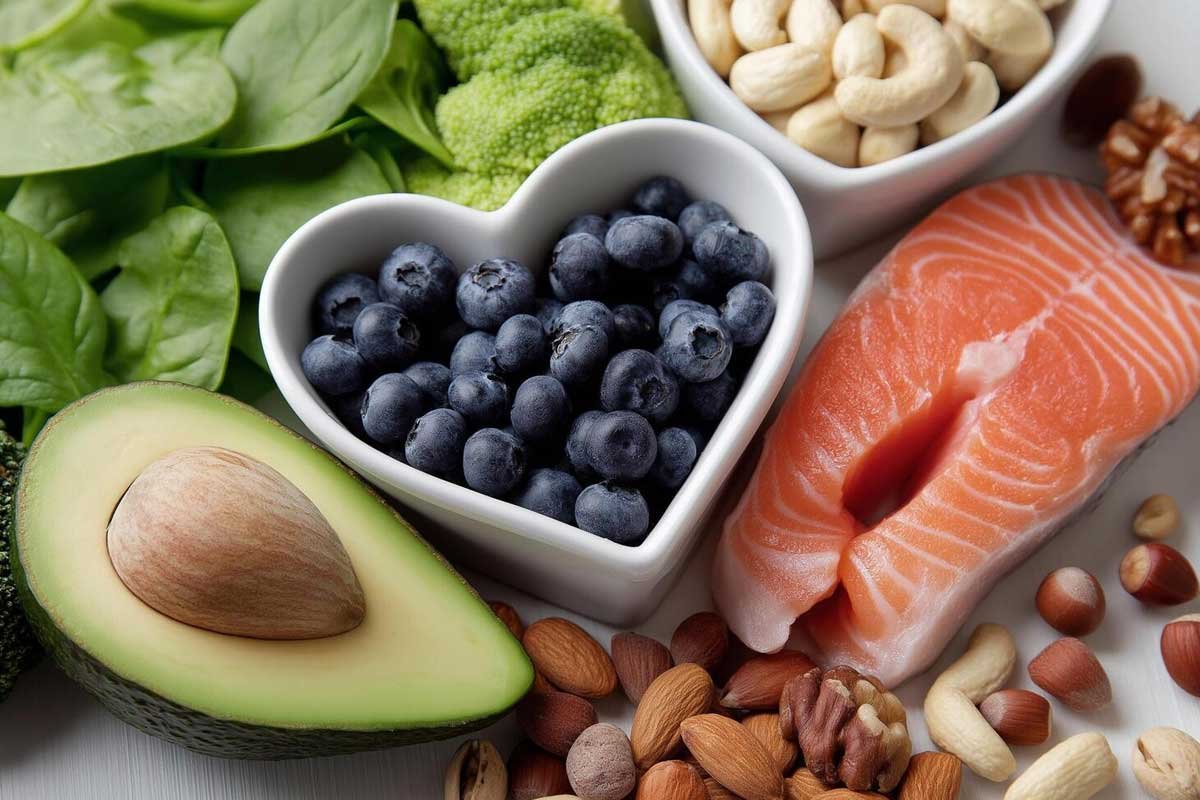
The 10 best foods to lower blood pressure include nutrient-rich options such as leafy greens, berries, nuts and seeds, whole grains, fatty fish, beans, lentils, and avocados. These foods provide nutrients such as potassium, magnesium, fibre, and healthy fats that can support cardiovascular health.
Food alone should not be considered a replacement for prescribed blood pressure treatment. However, regularly choosing minimally processed, nutrient-dense foods can help create a more heart-healthy eating pattern.
In this article, you’ll discover the 10 best foods to lower blood pressure and learn how to include them in your daily diet.
Table of Contents
1. Leafy Greens
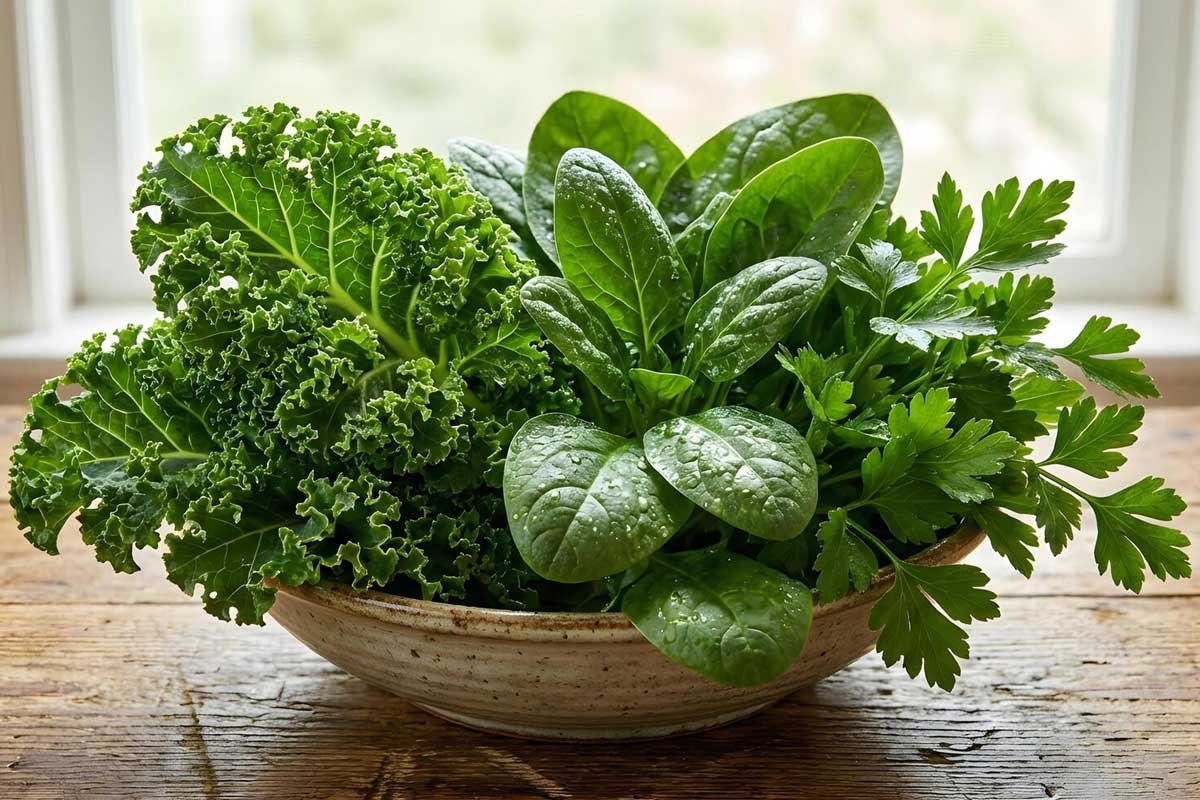
Leafy greens are among the most useful foods to include in a blood pressure-friendly diet. Options such as spinach, kale, Swiss chard, collard greens, and lettuce provide important nutrients while generally being low in calories.
Many leafy greens contain potassium, a mineral involved in fluid balance and blood pressure regulation. Potassium can be particularly useful as part of a diet that is not excessively high in sodium.
How to Eat More Leafy Greens
Add spinach or kale to omelettes, salads, soups, smoothies, or whole-grain meals. Choose fresh or frozen vegetables without large amounts of added salt.
2. Berries
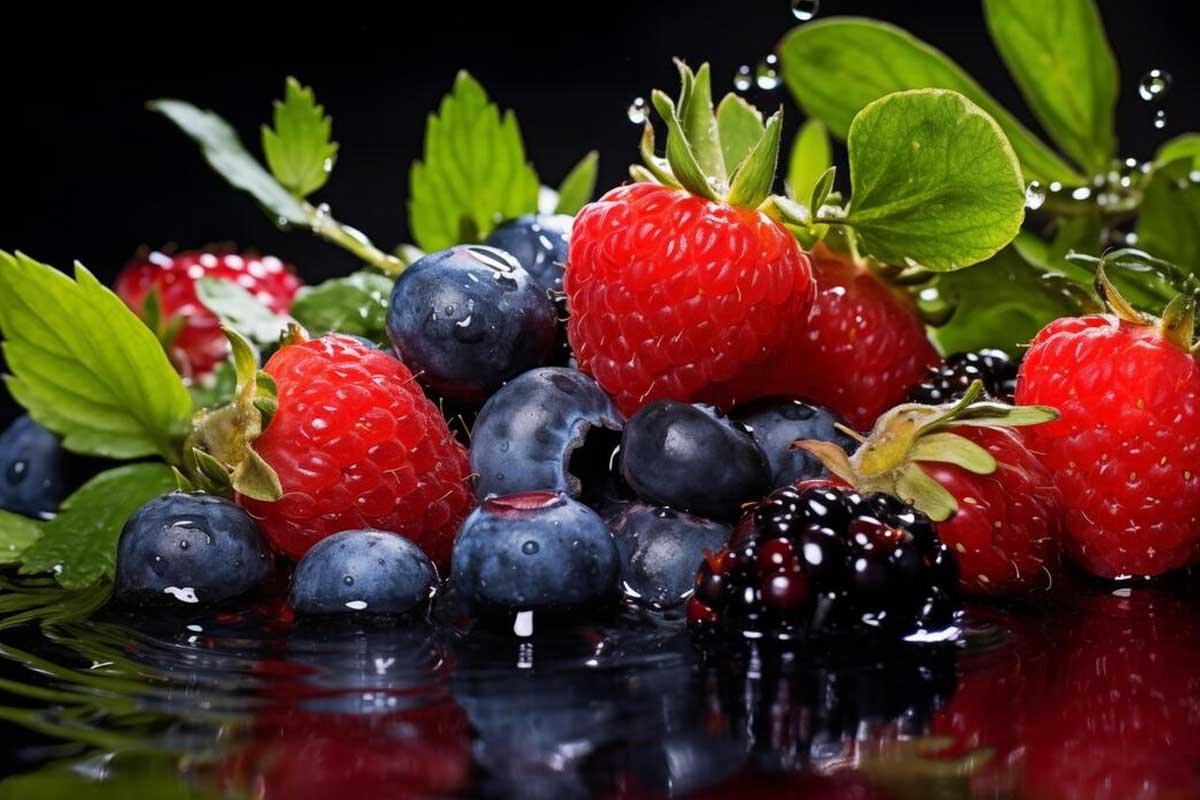
Berries such as blueberries, strawberries, raspberries, and blackberries are rich in plant compounds called polyphenols. They also provide fibre and several vitamins and minerals.
Their naturally sweet flavour makes berries a useful alternative to desserts containing large amounts of added sugar. Regularly including different types of fruit can contribute to an overall heart-healthy eating pattern.
Best Ways to Eat Berries
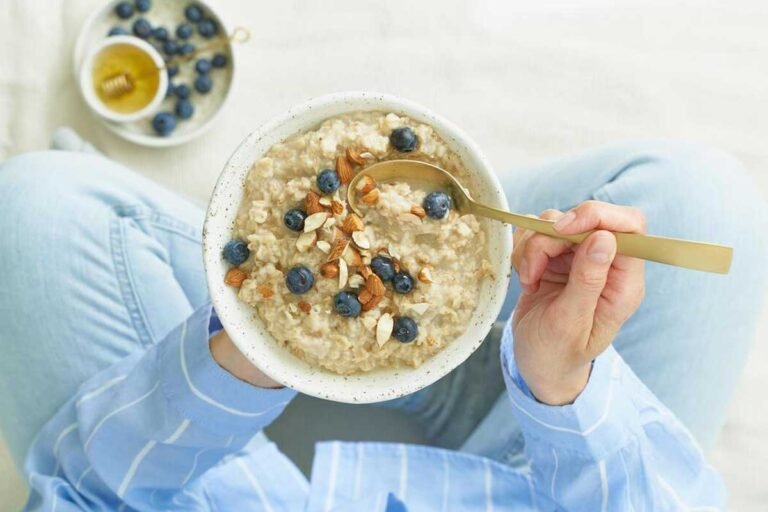
Add fresh or frozen berries to plain Greek yogurt, oatmeal, chia pudding, or whole-grain cereal. Avoid versions packed in sugary syrup.
3. Nuts and Seeds
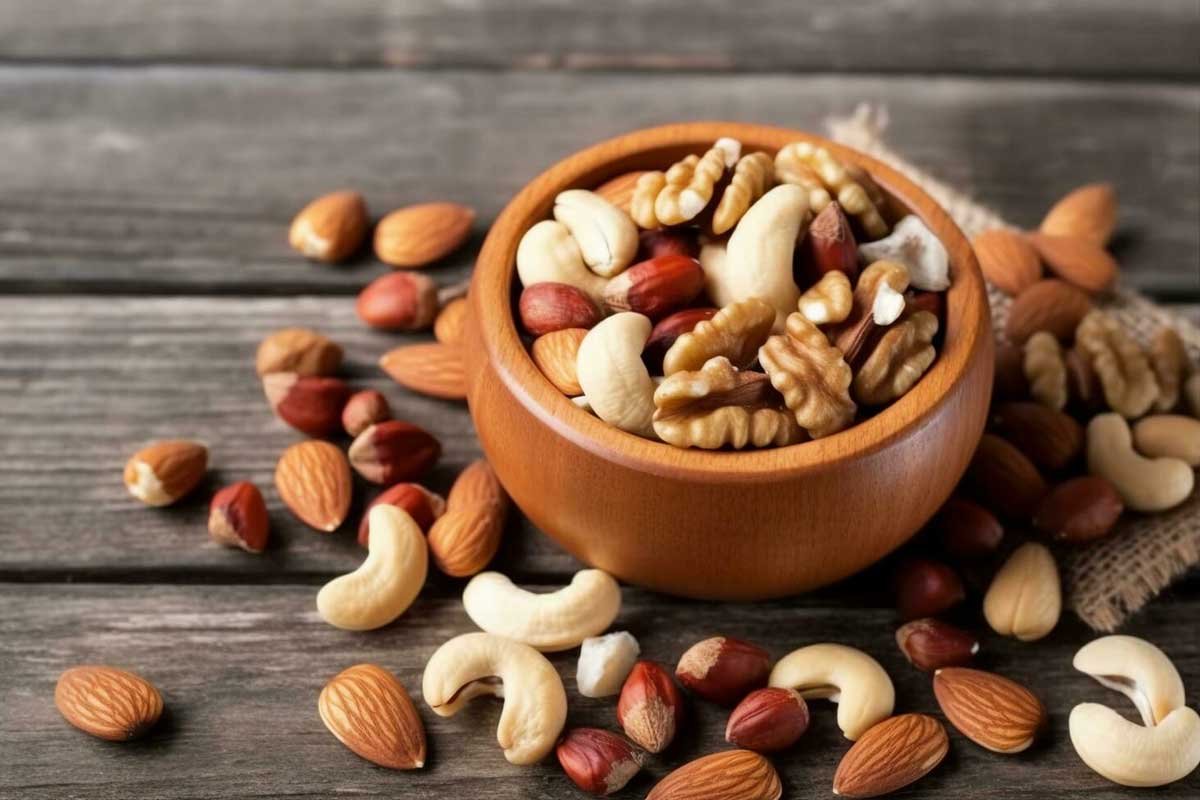
Nuts and seeds provide a combination of healthy fats, protein, fibre, magnesium, and other nutrients. Almonds, walnuts, pistachios, chia seeds, flaxseeds, and pumpkin seeds can all be useful additions to a balanced diet.
Because nuts and seeds are calorie-dense, portion size matters. A small handful can provide plenty of nutrition without adding excessive calories.
Best Choices
Choose unsalted or lightly salted nuts and seeds whenever possible. Add them to salads, oatmeal, yogurt, or smoothies.
Also Read: Foods to Avoid With Diabetes Type 2: Complete 2026 Guide
4. Whole Grains
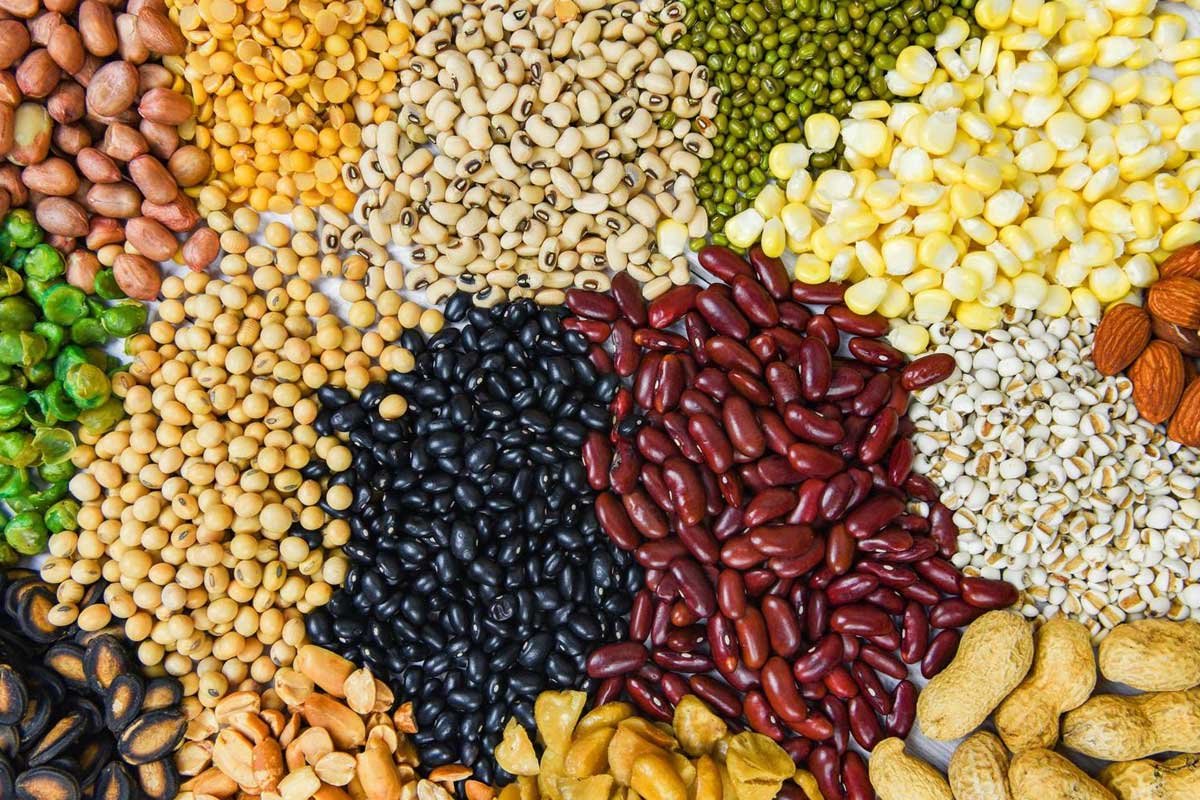
Whole grains contain more of the grain’s natural fibre and nutrients than refined grains. Examples include oats, barley, brown rice, quinoa, and whole-grain bread.
Fibre-rich foods can help support overall cardiovascular health and may also improve fullness, making whole grains useful for people trying to manage their weight.
Easy Whole-Grain Swaps
Replace white bread with whole-grain bread, choose oatmeal instead of highly sweetened breakfast cereals, and try brown rice or quinoa instead of refined grains.
5. Fatty Fish
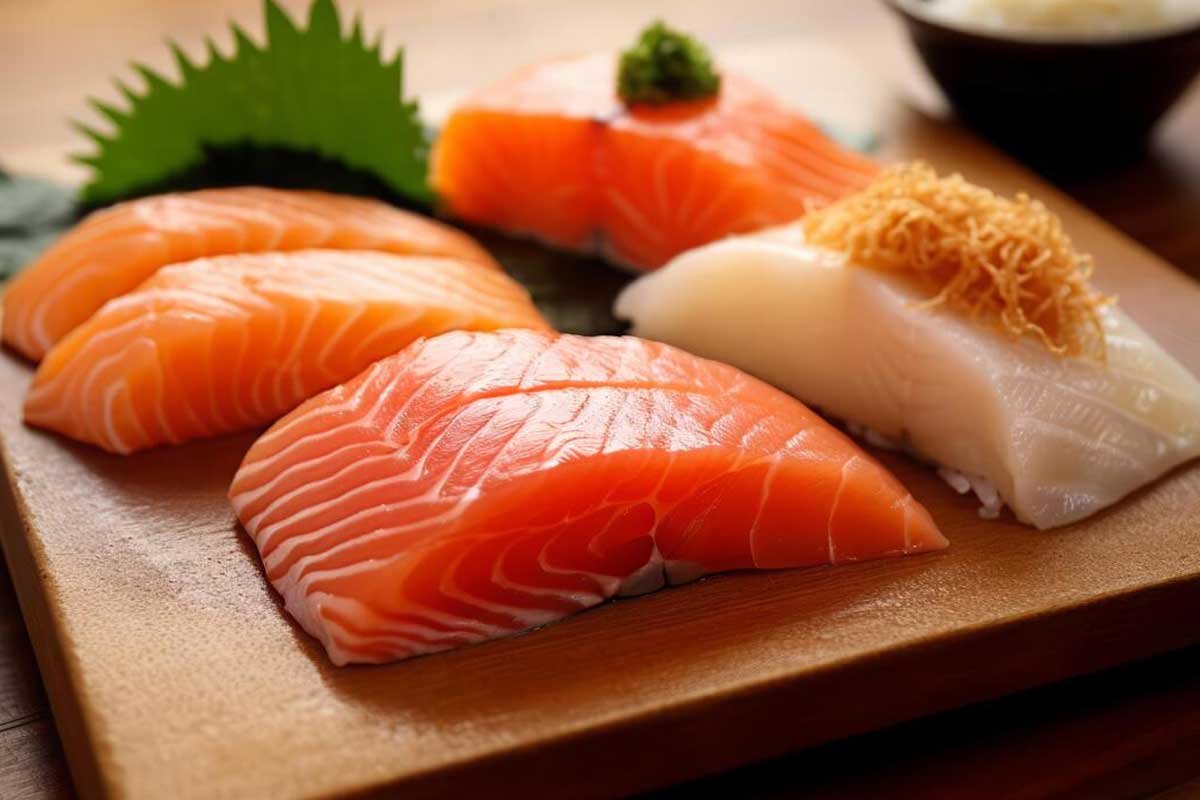
Fatty fish such as salmon, sardines, mackerel, trout, and herring provide omega-3 fatty acids along with high-quality protein.
Omega-3 fats are associated with cardiovascular benefits and can be part of a heart-healthy eating pattern. Fatty fish can also provide important nutrients such as vitamin D and selenium.
How to Prepare Fatty Fish
Choose baked, grilled, steamed, or roasted fish instead of heavily fried versions. Be mindful of sauces and marinades that can add substantial amounts of sodium.
6. Cinnamon
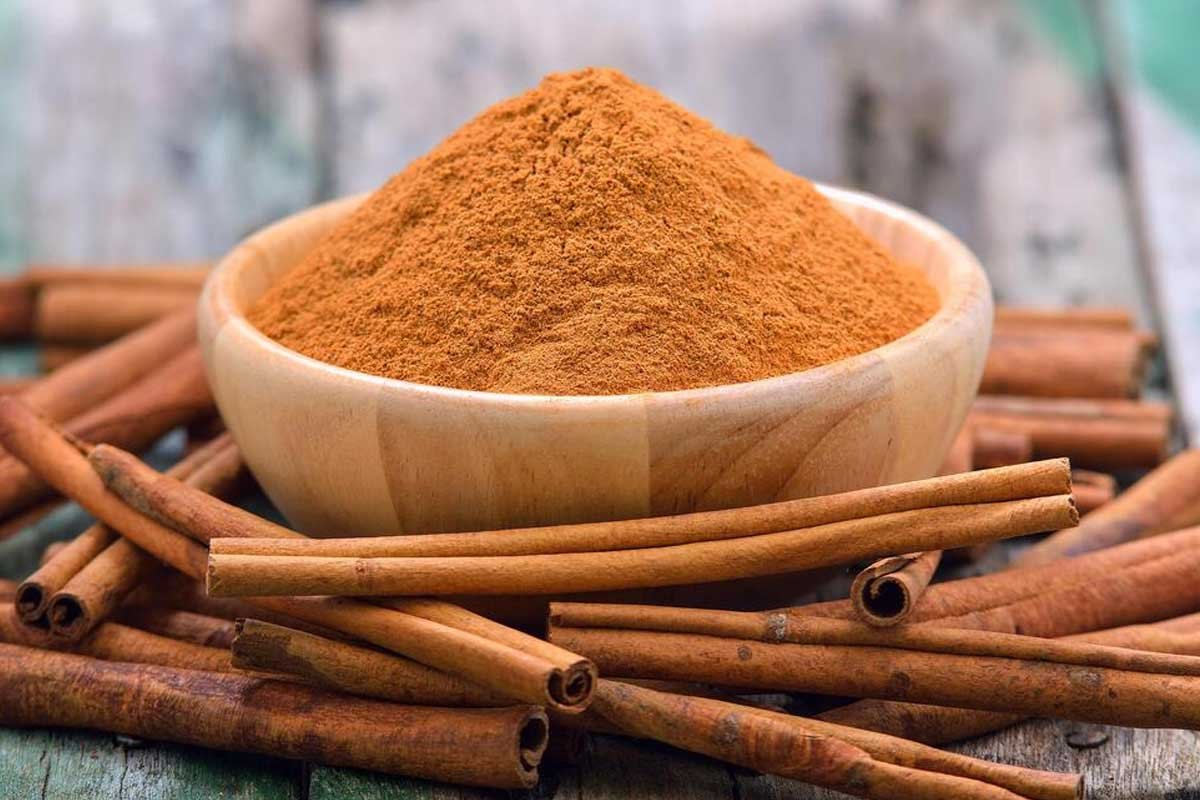
Cinnamon is a popular spice that can add flavour without relying heavily on salt or sugar. It contains various plant compounds and can be used as part of a balanced diet.
Although cinnamon is sometimes promoted as a natural blood pressure remedy, the evidence is not strong enough to consider it a treatment for hypertension. Think of cinnamon as a healthy flavouring option, rather than a replacement for medical care.
Simple Ways to Use Cinnamon
Sprinkle a small amount over oatmeal, plain yogurt, fruit, or whole-grain toast. Avoid turning it into a high-sugar food by adding large amounts of sweeteners.
7. Avocados
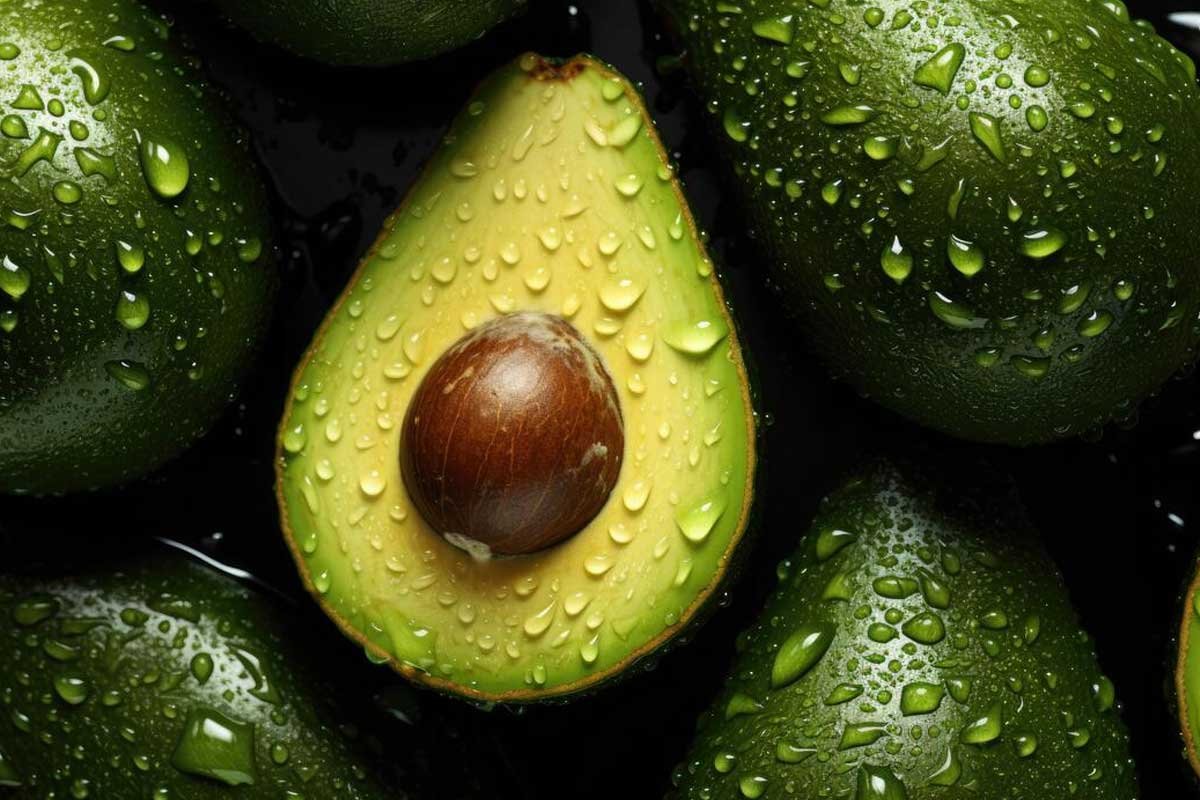
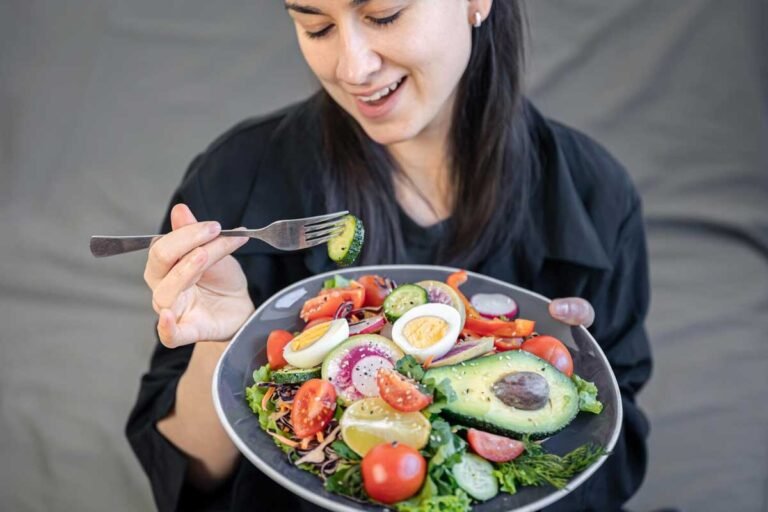
Avocados provide potassium, fibre, and unsaturated fats, making them a nutrient-dense addition to many heart-healthy meals.
Their creamy texture makes them easy to use as a replacement for foods higher in saturated fat. They can also make meals more satisfying.
How to Eat Avocado
Add avocado to whole-grain toast, salads, grain bowls, sandwiches, or bean-based meals. Since avocado is calorie-dense, reasonable portions are important if you are also trying to manage body weight.
8. Beans and Lentils
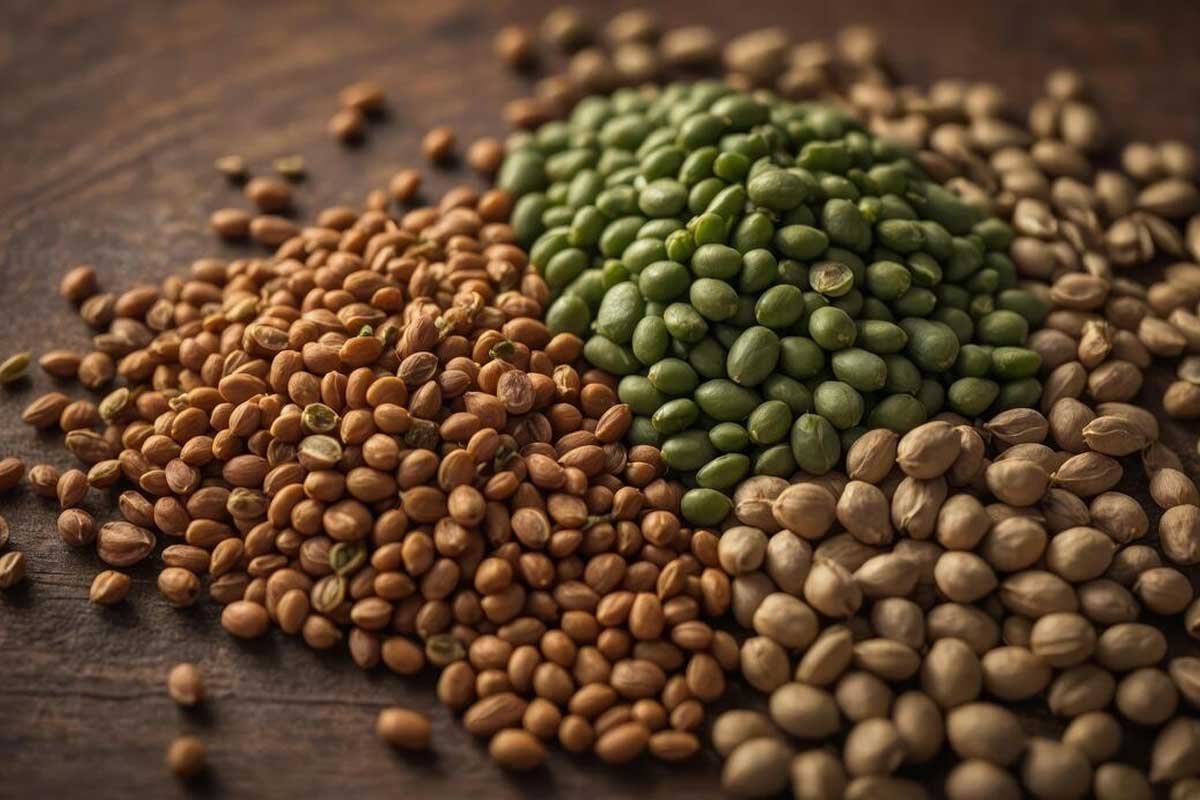
Beans and lentils are excellent sources of plant protein, fibre, potassium, and magnesium. Examples include black beans, kidney beans, chickpeas, green lentils, and brown lentils.
Their combination of protein and fibre can help promote fullness while supporting a nutrient-rich diet.
Best Ways to Eat Beans and Lentils
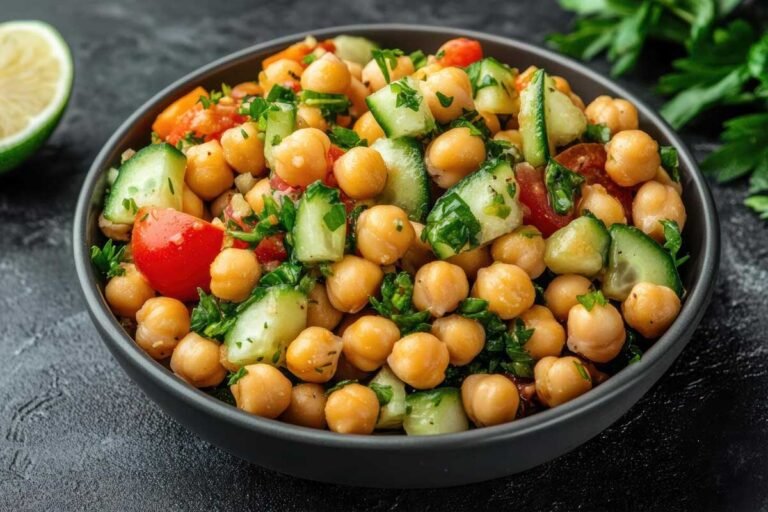
Use them in soups, salads, curries, stews, wraps, and grain bowls. If using canned beans, rinse them under running water to help remove some of the added sodium.
Also Read: Type 2 Diabetes Signs and Symptoms
9. Greek Yogurt
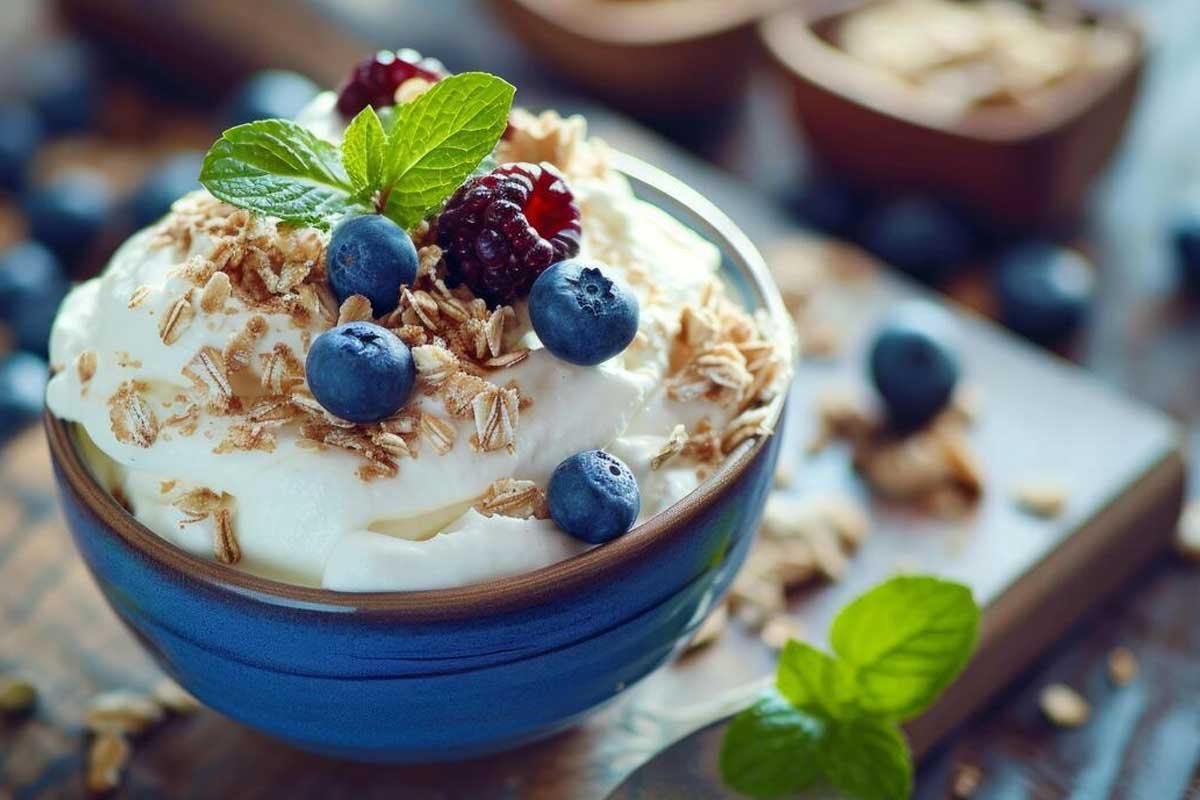
Plain Greek yogurt can provide protein, calcium, and other important nutrients. Choosing an unsweetened variety can help reduce added sugar intake.
Greek yogurt works particularly well with other foods on this list, such as berries, chia seeds, flaxseeds, and oats.
What to Look For
Choose plain, unsweetened Greek yogurt and check the nutrition label for sodium and added sugar. Flavoured varieties may contain considerably more added sugar.
10. Apple Cider Vinegar
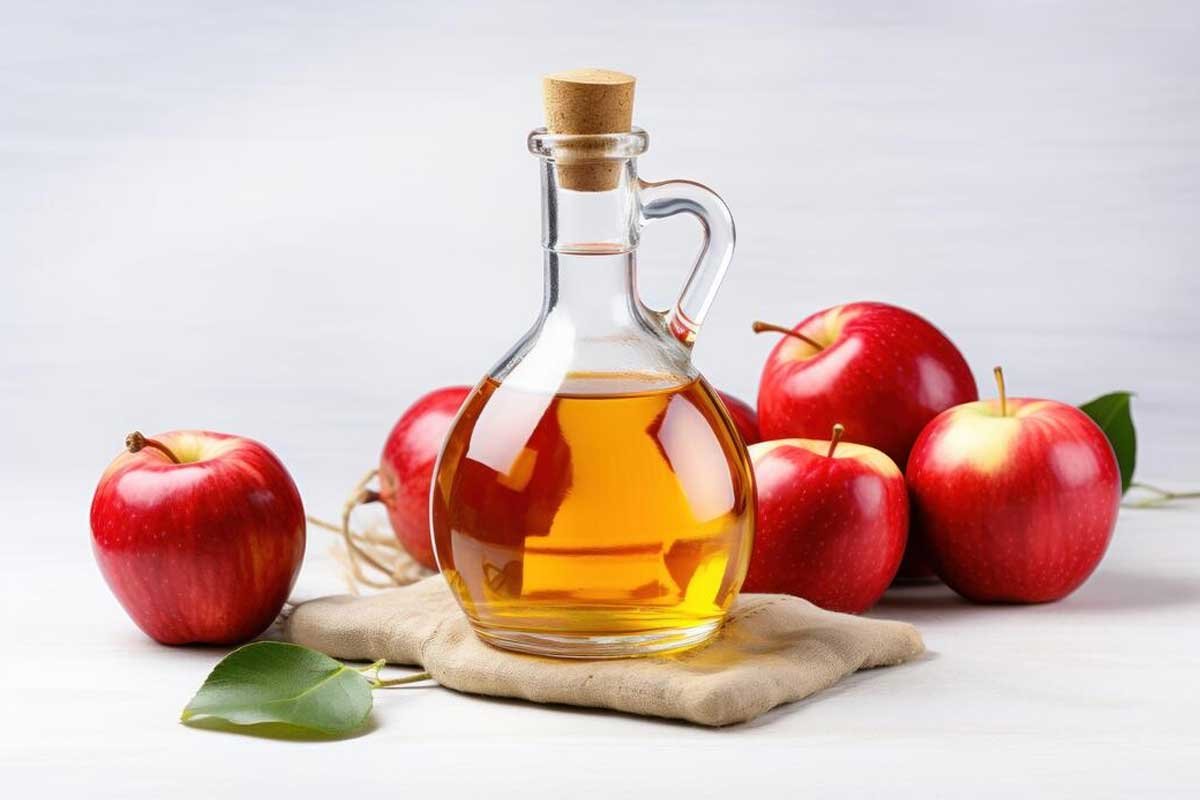
Apple cider vinegar is often promoted online as a natural way to lower blood pressure. However, evidence supporting it as a reliable treatment for high blood pressure is limited.
It can still be used as a flavourful ingredient in a healthy diet. The main benefit may come from using it in place of higher-sodium dressings or sauces rather than expecting vinegar itself to significantly lower blood pressure.
How to Use Apple Cider Vinegar
Use a small amount in salad dressings, marinades, or vegetable dishes. Never rely on concentrated vinegar as a substitute for prescribed blood pressure medication.
How These Foods May Support Healthy Blood Pressure
The foods above work best as part of an overall dietary pattern rather than as individual remedies.
A blood pressure-friendly diet generally emphasizes vegetables, fruits, whole grains, legumes, nuts, seeds, lean proteins, and healthy fats while limiting excessive sodium, highly processed foods, added sugars, and unhealthy fats.
One of the most important principles is consistency. Eating a handful of berries once will not transform blood pressure, but regularly choosing nutrient-rich foods instead of highly processed options can contribute to better long-term cardiovascular health.
Benefits of a Blood Pressure-Friendly Diet
A balanced eating pattern built around these foods may provide several benefits:
- More potassium and magnesium from vegetables, fruits, legumes, nuts, and seeds
- More dietary fibre from whole grains, beans, lentils, fruits, and vegetables
- More heart-healthy fats from fatty fish, nuts, seeds, and avocados
- Better overall diet quality
- Greater meal satisfaction from protein- and fibre-rich foods
- Better support for healthy body weight and cardiovascular health
Best Time to Consume These Foods
There is no single best time to eat these foods for blood pressure. What matters most is regularly including nutritious foods throughout the day.
For example:
- Breakfast: Oatmeal with berries and chia seeds
- Lunch: Leafy-green salad with avocado and beans
- Snack: Unsalted nuts or plain Greek yogurt
- Dinner: Grilled salmon with whole grains and vegetables
This approach makes it easier to build a balanced eating pattern without depending on one particular food or meal timing.
Also Read: Insulin Resistance Symptoms: Early Signs, Causes and Treatment
Best Ways to Use These Foods
For better blood pressure support, focus on preparation methods that do not add excessive sodium.
Choose steaming, baking, grilling, roasting, boiling, or sautéing instead of deep frying. Use herbs, spices, lemon, garlic, and vinegar to add flavour while reducing your reliance on salt.
Also pay attention to packaged foods. A food can appear healthy but still contain a significant amount of sodium if it is heavily processed.
Nutrition Priorities for Blood Pressure
| Nutrient or Food Component | Why It Matters |
|---|---|
| Potassium | Helps support normal fluid balance and blood pressure regulation |
| Magnesium | Supports normal muscle and nerve function, including cardiovascular function |
| Fibre | Supports digestive and cardiovascular health |
| Omega-3 fats | Support overall heart health |
| Unsaturated fats | Can be a healthier alternative to saturated fats |
| Sodium | Excessive intake can contribute to higher blood pressure in some people |
Frequently Asked Questions (FAQs)
Q1. What are the 10 best foods to lower blood pressure?
The 10 best foods to lower blood pressure discussed in this article are leafy greens, berries, nuts and seeds, whole grains, fatty fish, cinnamon, avocados, beans and lentils, Greek yogurt, and apple cider vinegar. These foods can be part of a balanced, heart-healthy diet.
Q2. Are leafy greens good for blood pressure?
Yes. Leafy greens such as spinach, kale, and Swiss chard provide potassium and other nutrients that can support healthy blood pressure when included as part of a balanced diet.
Q3. Can berries help support healthy blood pressure?
Berries such as blueberries, strawberries, raspberries, and blackberries provide fibre and plant compounds that can contribute to a heart-healthy eating pattern.
Q4. Are nuts and seeds good for high blood pressure?
Unsalted nuts and seeds can be a nutritious choice because they provide healthy fats, fibre, magnesium, and plant-based protein. Portion size is important because they are relatively high in calories.
Q5. Are whole grains good for blood pressure?
Yes. Whole grains such as oats, barley, brown rice, and quinoa provide fibre and other nutrients that can support overall cardiovascular health.
Q6. Is fatty fish good for blood pressure?
Fatty fish such as salmon, sardines, mackerel, and trout provide omega-3 fatty acids and high-quality protein. Including fatty fish in a balanced diet can support overall heart health.
Q7. Can cinnamon lower blood pressure?
Cinnamon can add flavour to meals without relying heavily on salt or sugar. However, there is not enough evidence to consider cinnamon a treatment for high blood pressure, so it should not replace prescribed medical care.
Q8. Are avocados good for blood pressure?
Avocados provide potassium, fibre, and unsaturated fats, making them a nutritious addition to a heart-healthy diet. They can be added to salads, whole-grain toast, and other balanced meals.
Q9. Are beans, lentils, and Greek yogurt good for blood pressure?
Yes. Beans and lentils provide fibre, potassium, magnesium, and plant protein, while plain Greek yogurt provides protein and calcium. Both can fit into a balanced diet designed to support cardiovascular health.
Q10. Does apple cider vinegar lower blood pressure?
There is not enough strong evidence to consider apple cider vinegar a reliable treatment for high blood pressure. It can be used in small amounts as a salad dressing or flavouring, but it should not replace blood pressure medication or other recommended treatment.
Conclusion
The 10 best foods to lower blood pressure include leafy greens, berries, nuts and seeds, whole grains, fatty fish, cinnamon, avocados, beans and lentils, Greek yogurt, and apple cider vinegar.
The key is not to rely on one food. Instead, build meals around vegetables, fruits, whole grains, legumes, lean proteins, nuts, seeds, and healthy fats, while being mindful of excessive sodium and highly processed foods.
If you have high blood pressure, continue monitoring it and follow your healthcare professional’s recommendations. A healthier diet can be an important part of your overall approach to cardiovascular health, but it should not replace prescribed treatment.
Medical Disclaimer
This article is for general educational and informational purposes only and is not a substitute for professional medical advice, diagnosis, or treatment. If you have high blood pressure, kidney disease, heart disease, take prescription medication, or have another medical condition, speak with a qualified healthcare professional before making major dietary changes. Do not stop or change prescribed medication without medical advice.

I am Danish, the creator of Health Update 24. I write about health, nutrition, fitness, and healthy lifestyle topics, sharing simple, practical, and well-researched information to help readers make informed decisions about their well-being. Know More