If you enjoy your morning cup of coffee and are trying to lose weight, you may wonder, is coffee good for weight loss? The short answer is it can help slightly, but coffee is not a magic fat-burning drink.
Coffee naturally contains caffeine, a stimulant that can temporarily increase alertness, energy expenditure and fat oxidation. Some people may also find that coffee affects appetite or makes it easier to stay active. However, these effects are generally modest and do not replace the fundamentals of weight loss: maintaining a calorie deficit, eating a nutritious diet, being physically active and getting enough sleep.
The way you drink coffee matters, too. Black coffee is very low in calories, while coffee loaded with sugar, flavored syrups, cream or large amounts of whole milk can become a high-calorie beverage.
So, if you are drinking coffee for weight loss, the goal should not be to drink as much as possible. Instead, learn how coffee fits into a balanced weight-loss routine.
Quick Answer: Is Coffee Good for Weight Loss?
Yes, coffee can support weight loss indirectly and may have a small effect on calorie burning and fat metabolism, mainly because of its caffeine content. However, coffee alone is unlikely to produce meaningful weight loss.
Caffeine may temporarily increase energy expenditure and fat oxidation. Coffee may also help some people feel more alert and energetic, which can support physical activity.
However, adding large amounts of sugar, cream, syrups or high-calorie milk can offset the calorie advantage of plain coffee. Drinking too much caffeine can also interfere with sleep, and poor sleep can make weight management more difficult.
Best choice for weight loss: plain black coffee or coffee with a small amount of unsweetened milk, consumed in moderation.
Table of Contents
Is Coffee Good for Weight Loss?

Coffee can be a useful addition to a weight-loss diet, but it should not be considered a weight-loss treatment.
The main reason coffee gets attention for weight management is caffeine. Caffeine stimulates the central nervous system and can temporarily increase alertness and energy expenditure. It may also increase the amount of fat your body uses for energy under certain conditions.
However, burning more fat during a particular period does not automatically mean losing more body fat over the long term. Your overall calorie intake, activity level, food quality, sleep and consistency still have a much larger influence on your results.
For example, drinking a cup of black coffee before a walk may help you feel more alert and energized. But if you regularly drink a large sweetened coffee containing several hundred calories, that beverage can work against your calorie deficit.
This is why the answer to is coffee good for weight loss depends partly on what you put in your cup and how coffee fits into your overall lifestyle.
How Does Coffee Affect Weight Loss?
Coffee may influence weight management through several mechanisms.
1. Caffeine May Increase Energy Expenditure
Caffeine can temporarily increase the amount of energy your body uses. The effect is generally modest and can vary from person to person.
This means coffee may slightly increase calorie expenditure, but the effect should not be exaggerated. A cup of coffee does not suddenly turn your body into a high-speed fat-burning machine.
Regular caffeine consumption may also reduce the effect over time because the body can develop tolerance.
2. Caffeine Can Increase Fat Oxidation
Caffeine can increase fat oxidation, meaning the body may use more stored or circulating fat as an energy source.
This sounds promising for fat loss, but there is an important distinction between using more fat for fuel temporarily and actually losing more body fat over weeks or months.
Long-term fat loss still requires an overall energy deficit.
3. Coffee May Support Physical Activity
Caffeine can increase alertness and reduce the feeling of fatigue for some people. This is one reason caffeine is commonly used before exercise.
If coffee helps you feel more energetic before a workout, walk or other physical activity, it may indirectly support your weight-loss efforts.
The key is to use coffee as a tool rather than depending on it as the main strategy.
4. Coffee May Affect Appetite
Some research suggests caffeine and coffee may temporarily influence appetite or food intake in certain people. However, the effect is inconsistent.
Some people notice that coffee helps them feel less hungry for a short time, while others feel no meaningful change.
Do not use coffee as a replacement for meals simply to suppress hunger. A nutritious meal containing protein, fiber and healthy fats is usually more helpful for sustainable weight management.
Is Caffeine Good for Weight Loss?
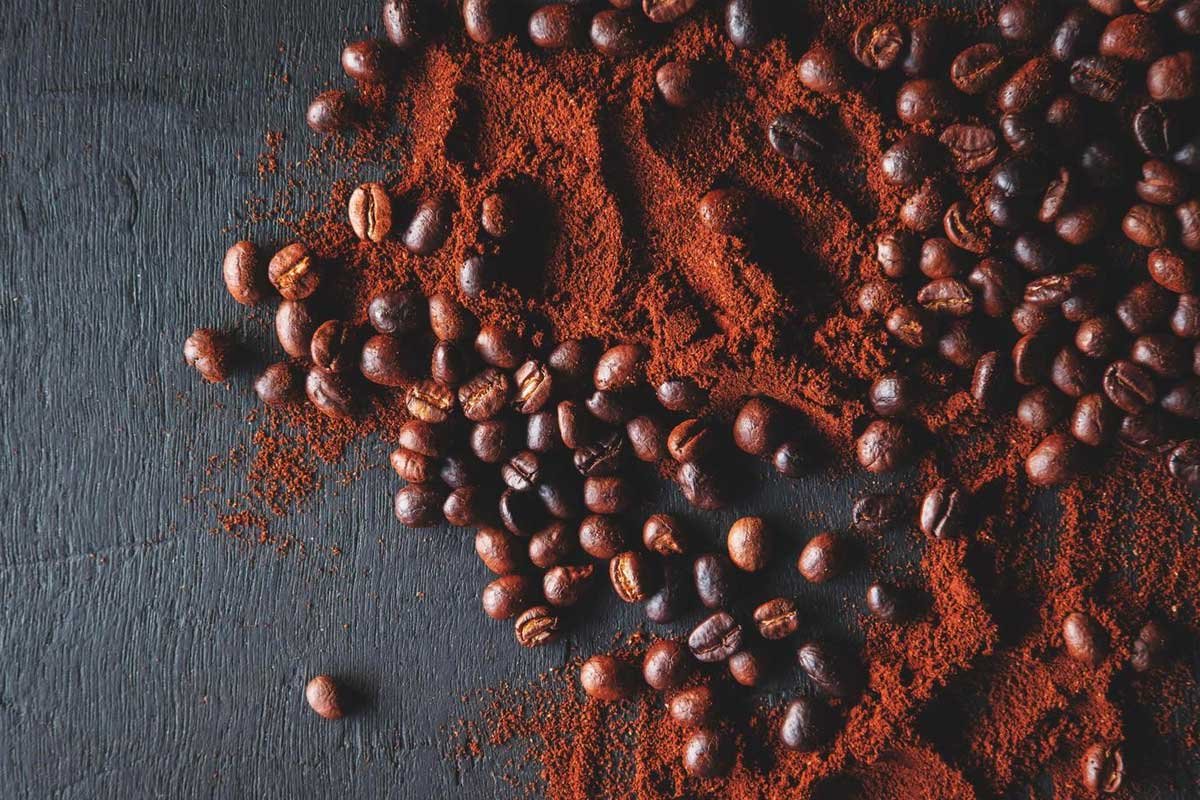
Caffeine may provide a small short-term advantage for weight management, particularly by increasing energy expenditure and fat oxidation.
However, more caffeine does not necessarily mean more weight loss.
Your body can become accustomed to caffeine, which may reduce some of its effects. Increasing your intake to chase a stronger effect can also increase the risk of side effects such as nervousness, shakiness, headaches, rapid heartbeat and sleep problems.
For most healthy adults, moderate caffeine consumption is generally considered safe, but individual tolerance varies.
A useful approach is to use the lowest amount that gives you the desired alertness, rather than deliberately consuming very high amounts for fat loss.
Also Read: Oats for Weight Loss: Benefits, Recipes and Best Ways to Eat
Does Coffee Increase Metabolism?
Coffee, particularly caffeinated coffee, can temporarily increase energy expenditure.
The increase is usually modest and temporary, so it should not be treated as a major metabolism booster.
Your metabolism is influenced by many factors, including:
- Body size
- Age
- Muscle mass
- Physical activity
- Food intake
- Sleep
- Hormonal and metabolic factors
- Genetics
Adding coffee cannot compensate for consistently overeating or being physically inactive.
If your goal is to support a healthy metabolism while losing weight, focus on regular physical activity, adequate protein, resistance training, good sleep and a balanced diet.
Does Coffee Help Burn Fat?
Caffeine can increase fat oxidation, which means it may temporarily encourage the body to use more fat as fuel.
This is one reason coffee is often promoted as a fat-burning drink.
But there is a common misunderstanding here.
Fat oxidation is not the same as fat loss.
Your body is constantly switching between carbohydrates and fat as fuel. What matters for losing body fat is your overall energy balance over time.
For example, if caffeine increases fat oxidation during the morning but you consume significantly more calories later in the day, you may not lose body fat.
Therefore, coffee may support a fat-loss plan, but it cannot create sustainable fat loss on its own.
Does Coffee Make You Fat or Skinny?
Coffee itself does not automatically make you fat or skinny.
Plain black coffee contains very few calories, so it can fit easily into a calorie-controlled diet.
The problem often comes from what is added to coffee.
A basic cup of black coffee and a large flavored coffee drink can be completely different nutritionally.
| Coffee Type | Weight-Loss Friendliness |
|---|---|
| Black coffee | Excellent |
| Coffee with a little unsweetened milk | Good |
| Coffee with sugar | Moderate |
| Coffee with cream and sugar | Higher calorie |
| Flavored syrup coffee | Often high calorie |
| Whipped cream coffee drink | Often very high calorie |
If you drink several sweetened coffees every day, the calories can add up without making you feel particularly full.
So when asking does coffee make you fat or skinny, the better question is: How many calories are in your coffee, and how does it fit into your daily diet?
Is Coffee Good for Fat Loss?

Coffee can be compatible with fat loss and may provide a small supportive effect because of caffeine.
However, the strongest results come from the overall diet and lifestyle surrounding your coffee habit.
For fat loss, prioritize:
- A sustainable calorie deficit
- Adequate protein
- High-fiber foods
- Fruits and vegetables
- Regular walking or cardio
- Resistance training
- Adequate sleep
- Reasonable caffeine intake
- Mostly minimally processed foods
Think of coffee as an optional addition rather than the foundation of your weight-loss strategy.
Is Milk Coffee Good for Weight Loss?
Milk coffee can be suitable for weight loss, provided you account for the calories in the milk and other ingredients.
Milk itself is not a problem. It provides nutrients such as protein, calcium and other micronutrients. The issue is that calories can increase when you use large amounts of full-fat milk, sweetened condensed milk, sugar, cream or flavored syrups.
If you enjoy milk coffee, you do not necessarily need to stop drinking it.
Instead, consider:
- Using a moderate amount of milk
- Choosing unsweetened milk
- Limiting added sugar
- Avoiding calorie-heavy syrups
- Keeping your serving size reasonable
- Including the calories in your daily food intake
Which Milk Is Best for Weight Loss?
There is no single milk that is automatically best for everyone.
You can choose based on calories, protein, taste and dietary preferences.
Low-fat dairy milk can provide protein with fewer calories than full-fat milk. Unsweetened plant-based milks can also work, although their protein content varies considerably.
If protein intake is important to you, check the nutrition label rather than assuming every plant-based milk has similar nutritional value.
Also Read: Bottle Gourd Juice for Weight Loss
Can Coffee Help You Exercise Better?
Caffeine can improve alertness and may help some people feel less tired during exercise.
For this reason, coffee can be useful before activities such as:
- Brisk walking
- Running
- Cycling
- Gym workouts
- Resistance training
- Sports
However, you do not need coffee to exercise effectively.
If you already feel energetic without caffeine, there is no requirement to add it. And if coffee causes stomach discomfort, anxiety, a racing heartbeat or poor sleep, it may not be worth using before exercise.
When to Drink Coffee for Weight Loss

There is no scientifically established magic time when coffee automatically causes more fat loss.
The best time to drink coffee is the time that fits your routine without disturbing your sleep or causing unwanted side effects.
Many people prefer coffee in the morning because caffeine can increase alertness.
If you exercise later in the day, you may also choose to consume caffeine before exercise, provided it does not interfere with your nighttime sleep.
Should You Drink Coffee Before Exercise?
Coffee may be useful before exercise because caffeine can increase alertness and reduce perceived fatigue in some people.
If you tolerate caffeine well, having coffee before a workout may help you feel more prepared for physical activity.
However, avoid treating pre-workout coffee as a requirement for fat burning.
The workout itself matters far more than the coffee.
Should You Drink Coffee on an Empty Stomach?
You can drink coffee on an empty stomach if you tolerate it well.
There is no strong reason to believe that drinking coffee on an empty stomach automatically causes greater fat loss.
For some people, however, coffee without food can cause:
- Stomach discomfort
- Acid reflux symptoms
- Nausea
- Shakiness
- Increased hunger later
- Anxiety
If this happens, drink coffee with or after a meal instead.
Best Ways to Use Coffee for Weight Loss
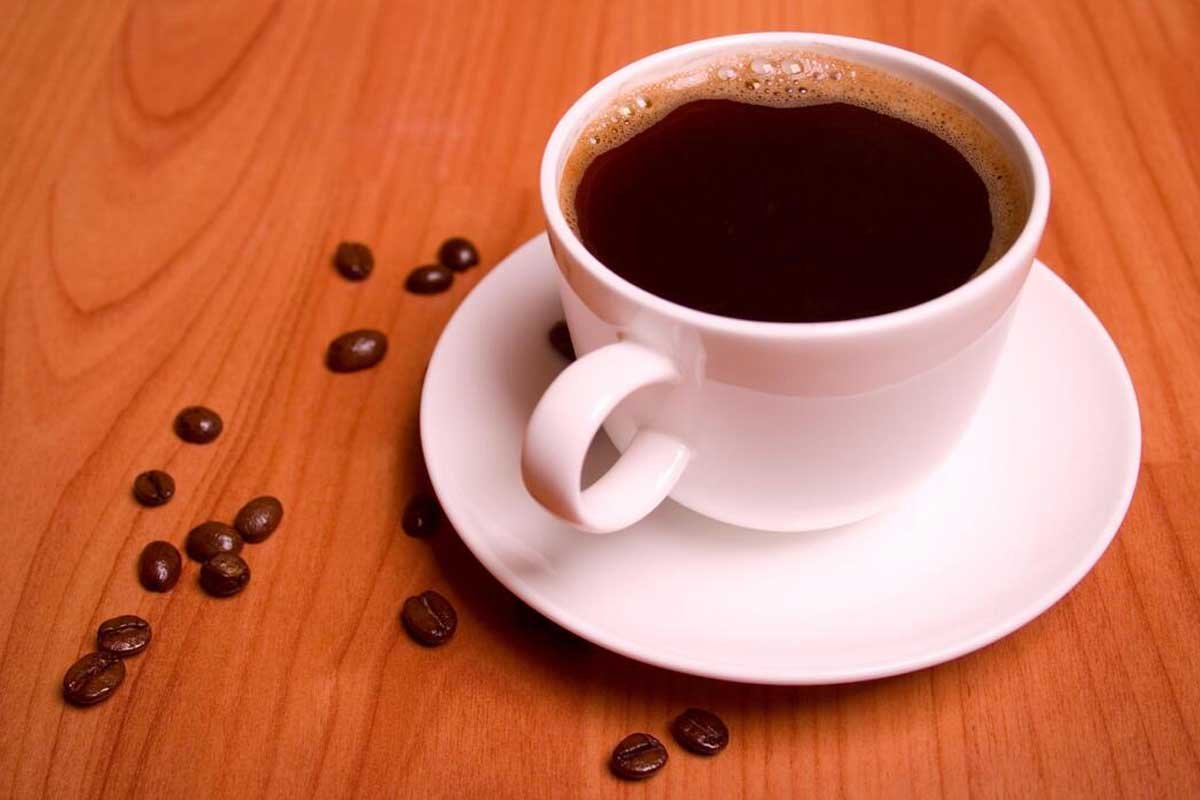
If you want coffee to fit into a weight-loss plan, simplicity is usually your friend.
Choose Black Coffee
Black coffee is naturally low in calories and contains caffeine without the extra calories found in many specialty coffee drinks.
You can drink it hot or cold depending on your preference.
Limit Added Sugar
Sugar can quickly increase the calorie content of coffee.
If you currently use several teaspoons of sugar, gradually reducing the amount can make the transition easier.
Be Careful With Coffee Creamers
Some creamers contain added sugar and can significantly increase the calories in a cup.
Check the nutrition label if you use them regularly.
Watch Flavored Coffee Drinks
Coffee-shop beverages can contain substantial amounts of sugar, syrups, cream and other calorie-dense ingredients.
They can still be enjoyed occasionally, but they should not automatically be considered a weight-loss drink simply because they contain coffee.
Also Read: Avocado Milkshake: Benefits, Nutrition and Easy Recipe
How to Make Coffee for Weight Loss
If your goal is to keep coffee low in calories, you do not need a complicated recipe.
Simple Black Coffee
Ingredients:
- 1 cup brewed coffee
- Optional cinnamon for flavor
Method:
Brew your preferred coffee and drink it plain. If you want additional flavor, add a small amount of cinnamon rather than relying on sugar-heavy syrups.
Light Milk Coffee
Ingredients:
- 1 cup brewed coffee
- A small amount of unsweetened milk
- Optional cinnamon
Method:
Prepare the coffee and add a moderate amount of milk. Avoid adding large amounts of sugar, flavored syrup or cream.
The best coffee for weight loss is not necessarily the strongest coffee. It is the coffee you enjoy that fits comfortably into your overall calorie and caffeine intake.
Coffee Nutrition Information
Plain brewed coffee is naturally very low in calories.
The nutritional profile changes significantly when ingredients such as milk, sugar, cream and syrups are added.
| Ingredient | What It Adds |
| Black coffee | Very few calories |
| Unsweetened milk | Calories, protein and nutrients |
| Sugar | Added calories and carbohydrate |
| Cream | Calories and fat |
| Flavored syrup | Added sugar and calories |
| Whipped cream | Additional calories and fat |
For weight loss, focus less on whether coffee itself is “good” or “bad” and more on the total nutritional content of your finished drink.
Risks and Side Effects of Coffee
Coffee is not suitable for everyone, and drinking too much caffeine can cause unwanted effects.
Possible side effects include:
- Nervousness
- Restlessness
- Shakiness
- Headaches
- Increased heart rate
- Stomach discomfort
- Acid reflux symptoms
- Difficulty sleeping
- Anxiety
- Frequent urination
One of the biggest concerns for people trying to lose weight is sleep disruption.
Poor sleep can make appetite control, energy levels and healthy food choices more difficult.
If coffee keeps you awake at night, reducing your caffeine intake or moving your coffee earlier in the day may be more beneficial than trying to use caffeine for weight loss.
Who Should Avoid or Limit Coffee?
Some people may need to limit caffeine or discuss their intake with a healthcare professional.
This can include people who:
- Are highly sensitive to caffeine
- Experience significant anxiety after caffeine
- Have frequent heart palpitations
- Have certain heart conditions
- Have uncontrolled high blood pressure
- Have severe acid reflux symptoms
- Are pregnant or breastfeeding
- Take medications that may interact with caffeine
- Have persistent sleep problems
Pregnant individuals should follow their healthcare professional’s advice about caffeine intake, as recommended limits during pregnancy are lower than those commonly used for healthy non-pregnant adults.
Children and adolescents should also not use caffeine as a weight-loss strategy.
Common Mistakes When Drinking Coffee for Weight Loss
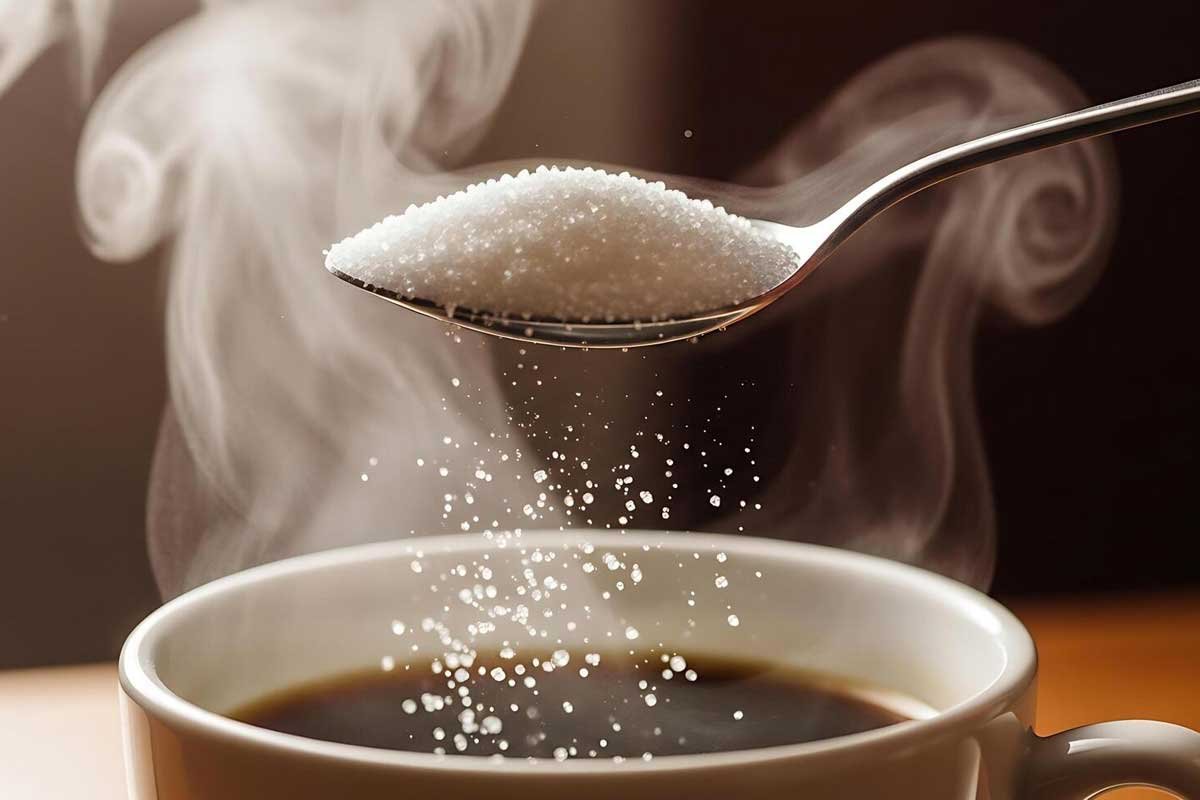
Mistake 1: Adding Too Much Sugar
A few cups of coffee can become surprisingly calorie-dense when each one contains multiple spoonfuls of sugar.
Mistake 2: Turning Coffee Into Dessert
Whipped cream, flavored syrups, sweetened creamers and large portions can transform a low-calorie drink into a high-calorie treat.
Mistake 3: Drinking Excessive Caffeine
More caffeine is not automatically better for weight loss.
High caffeine intake can cause side effects and may damage your sleep quality.
Mistake 4: Skipping Nutritious Meals
Using coffee to suppress hunger all day can leave you short on protein, fiber and essential nutrients.
Mistake 5: Ignoring Sleep
Drinking caffeine too late in the day can interfere with sleep.
If coffee is helping you stay awake because you are chronically tired, the better solution may be to address your sleep routine rather than increasing caffeine.
Mistake 6: Expecting Coffee to Burn Belly Fat
Coffee does not selectively burn belly fat.
There is no drink that can specifically target abdominal fat.
Overall fat loss occurs as body fat decreases across the body, influenced by genetics, hormones, energy balance and other factors.
Also Read: Is Oatmeal Good for Weight Loss? Expert Guide
Expert Tips for Using Coffee During Weight Loss
If you enjoy coffee, these simple strategies can help you use it more effectively.
1. Keep your regular coffee simple.
Black coffee or coffee with a modest amount of unsweetened milk is an easy option.
2. Count the extras.
Sugar, cream and syrups can matter more than the coffee itself.
3. Don’t chase fat burning with caffeine.
The goal is sustainable weight loss, not maximum stimulation.
4. Protect your sleep.
If caffeine affects your sleep, move it earlier or reduce your intake.
5. Pair coffee with a healthy routine.
A morning coffee followed by a protein-rich breakfast and a walk is more useful than coffee alone.
6. Listen to your body.
If coffee causes anxiety, reflux, headaches or a racing heart, it may not be the right weight-loss tool for you.
7. Focus on the whole diet.
Your weekly eating pattern matters much more than whether your coffee contains 5 or 10 calories.
Frequently Asked Questions About Coffee and Weight Loss
Q1. Is coffee good for weight loss?
Coffee can support weight loss modestly, mainly because caffeine may temporarily increase energy expenditure and fat oxidation. However, coffee does not cause significant weight loss by itself. Your overall calorie intake, diet, activity and sleep remain much more important.
Q2. Is caffeine good for weight loss?
Caffeine may have a small short-term effect on energy expenditure and fat oxidation. However, regular use can lead to tolerance, and consuming excessive caffeine can cause side effects and sleep problems.
Q3. Does black coffee help lose belly fat?
Black coffee does not specifically burn belly fat. Caffeine may increase fat oxidation, but spot reduction is not possible. Losing abdominal fat requires overall body-fat reduction through a sustainable diet and active lifestyle.
Q4. Does coffee make you fat or skinny?
Coffee itself does not determine whether you gain or lose weight. Black coffee is very low in calories, while sweetened coffee drinks can contain substantial calories. Your overall calorie balance determines whether body weight tends to increase or decrease.
Q5. Is milk coffee good for weight loss?
Yes, milk coffee can fit into a weight-loss diet. Use a reasonable amount of milk and limit added sugar, syrups and cream. The most important factor is the total calorie content of the drink.
Q6. When should I drink coffee for weight loss?
There is no specific time that guarantees greater fat loss. Morning coffee is a practical choice for many people. If you use caffeine before exercise, make sure it does not interfere with your sleep.
Q7. Can I drink coffee on an empty stomach for weight loss?
You can if you tolerate it well, but drinking coffee on an empty stomach does not guarantee greater fat loss. If it causes acidity, nausea, shakiness or discomfort, have it with food instead.
Q8. How much coffee should I drink for weight loss?
There is no specific amount of coffee required for weight loss. More is not better. For healthy adults, keeping total caffeine intake within commonly accepted moderate limits is generally a safer approach than consuming large amounts to increase fat burning.
Q9. Can coffee help before a workout?
Caffeinated coffee may help some people feel more alert and less fatigued during exercise. It can therefore be a useful pre-workout option for people who tolerate caffeine well, but it is not necessary for an effective workout.
Q10. How should I make coffee for weight loss?
For a low-calorie option, choose black coffee or coffee with a small amount of unsweetened milk. Limit sugar, sweetened creamers, flavored syrups and whipped cream. The simplest coffee is often the easiest to include in a calorie-controlled diet.
Conclusion
So, is coffee good for weight loss? Yes, coffee can be a useful part of a weight-loss routine, but its effect is modest.
Caffeine may temporarily increase energy expenditure and fat oxidation, and coffee may help some people feel more alert before physical activity. However, these effects should not be confused with guaranteed long-term fat loss.
The biggest difference comes from how you drink your coffee. Plain black coffee is very low in calories, while large amounts of sugar, cream, syrups and sweetened milk can turn coffee into a calorie-heavy beverage.
If you enjoy coffee, you do not need to eliminate it while trying to lose weight. Instead, keep your portions reasonable, watch the added ingredients, avoid excessive caffeine and protect your sleep.
Most importantly, remember that coffee is a supporting tool, not a weight-loss solution. A balanced diet, regular movement, adequate protein, good sleep and a sustainable calorie deficit remain the foundation of healthy fat loss.
Medical Disclaimer
This article is intended for general educational and informational purposes only. It is not a substitute for professional medical advice, diagnosis or treatment.
Caffeine affects people differently. If you are pregnant or breastfeeding, have a medical condition, take prescription medications, experience significant caffeine-related symptoms or have concerns about your weight, speak with a qualified healthcare professional before making major changes to your caffeine intake or diet.
Do not use coffee or caffeine as a replacement for balanced meals, prescribed treatment or professional weight-management care.

I am Danish, the creator of Health Update 24. I write about health, nutrition, fitness, and healthy lifestyle topics, sharing simple, practical, and well-researched information to help readers make informed decisions about their well-being. Know More