
Insulin resistance symptoms often develop gradually and may go unnoticed for years. Many people assume that feeling tired after meals, gaining weight around the abdomen, or constantly craving sugary foods is simply part of a busy lifestyle. However, these seemingly minor changes can be early signs that your body’s cells are no longer responding efficiently to insulin.
Insulin is a hormone produced by the pancreas that helps move glucose from the bloodstream into cells for energy. When cells become resistant to insulin, the pancreas compensates by producing more of it. Over time, this process can lead to prediabetes, type 2 diabetes, heart disease, fatty liver disease, and conditions such as polycystic ovary syndrome (PCOS).
The good news is that insulin resistance is often reversible or at least significantly manageable, when detected early. Lifestyle changes, a balanced insulin resistance diet, regular physical activity, quality sleep, stress management, and appropriate medical treatment can greatly improve insulin sensitivity.
This guide explains every important insulin resistance symptom, who is most at risk, how doctors diagnose the condition, and the evidence-based strategies that may help improve insulin sensitivity before serious complications develop.
Quick Answer Box
| Question | Answer |
|---|---|
| What is insulin resistance? | A condition where body cells don’t respond properly to insulin. |
| Early symptom | Darkened skin around the neck, fatigue, increased hunger, abdominal weight gain. |
| Can it be reversed? | In many cases, lifestyle improvements can significantly improve insulin sensitivity. |
| Does it always cause diabetes? | No. Early intervention may prevent progression to type 2 diabetes. |
| Who is at risk? | Overweight individuals, people with PCOS, family history of diabetes, sedentary lifestyle, and metabolic syndrome. |
Table of Contents
What Is Insulin Resistance?
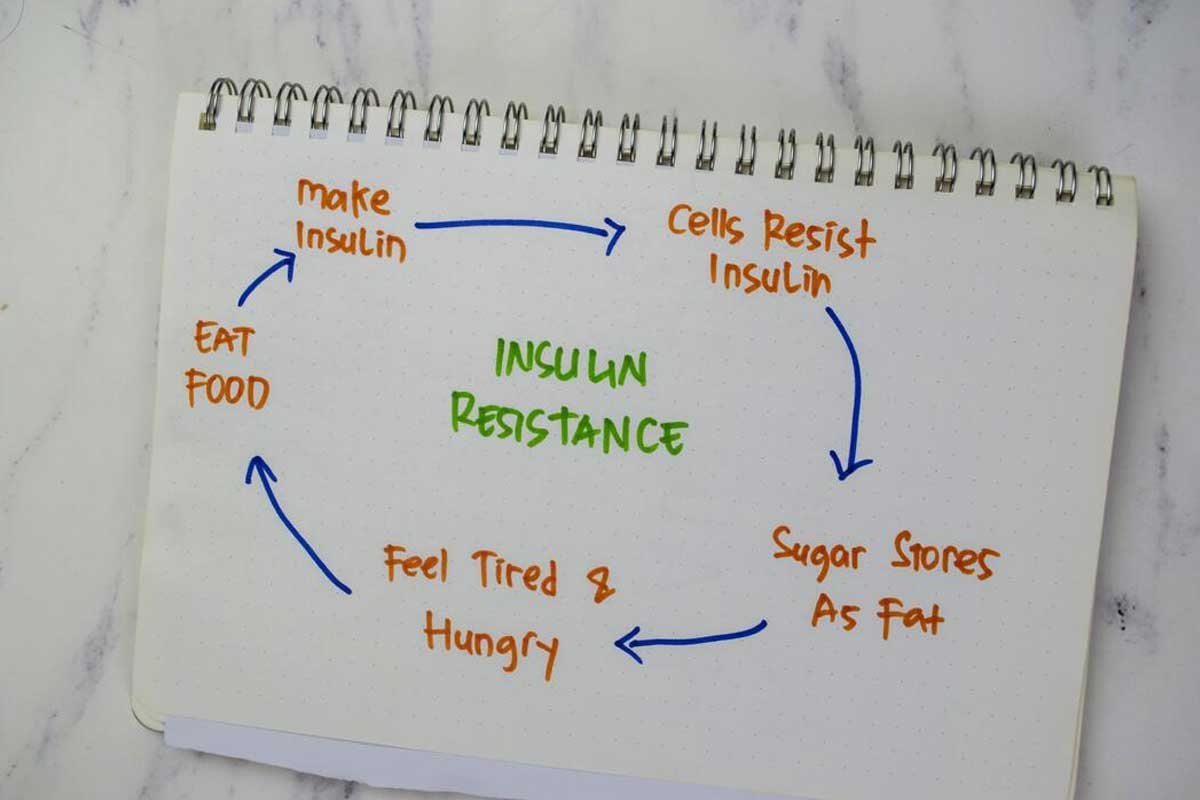
Insulin resistance is a metabolic condition in which the body’s muscle, fat, and liver cells become less responsive to insulin. Instead of allowing glucose to enter the cells efficiently, the body requires increasingly higher levels of insulin to maintain normal blood sugar levels.
Initially, blood glucose may remain within the normal range because the pancreas produces extra insulin. This stage often has few obvious symptoms, making insulin resistance difficult to detect without blood tests. Over time, however, the pancreas may struggle to keep up, causing blood sugar levels to rise and increasing the risk of prediabetes and type 2 diabetes.
Research published by organizations such as the National Institutes of Health (NIH) and the American Diabetes Association supports the strong association between insulin resistance and obesity, chronic inflammation, sedentary behavior, genetics, and hormonal disorders.
Insulin resistance is also linked to several chronic health conditions beyond diabetes, including:
- High blood pressure
- Heart disease
- Non-alcoholic fatty liver disease (NAFLD)
- PCOS
- Metabolic syndrome
- Increased cardiovascular risk
The encouraging news is that many people can improve insulin sensitivity through sustainable lifestyle changes before diabetes develops.
How Insulin Normally Works
To understand insulin resistance symptoms, it helps to know how insulin functions in a healthy body. After eating carbohydrates, digestion breaks them down into glucose. This glucose enters the bloodstream, signaling the pancreas to release insulin. Insulin acts like a key, allowing glucose to move from the blood into muscle, liver, and fat cells where it is used for energy or stored for future use.
When insulin resistance develops, the “key” no longer works efficiently. Cells stop responding properly, leaving more glucose in the bloodstream. The pancreas responds by producing even more insulin, creating a cycle of chronically high insulin levels.
Eventually, elevated insulin and glucose begin affecting multiple organs throughout the body, which is why symptoms can involve the skin, energy levels, appetite, weight, reproductive hormones, and cardiovascular health.
Early Insulin Resistance Symptoms

Many people experience insulin resistance symptoms years before they receive a diagnosis. Recognizing these warning signs can encourage earlier medical evaluation and lifestyle changes.
1. Persistent Fatigue
Feeling unusually tired after eating or throughout the day is one of the most common early signs. Since cells struggle to absorb glucose efficiently, the body cannot produce energy as effectively.
If fatigue is accompanied by numbness or tingling, it may also be worth discussing Vitamin B12 deficiency symptoms with your healthcare provider, as both conditions can sometimes overlap in presentation.
2. Increased Hunger
Despite eating regular meals, many people continue feeling hungry because their cells are not receiving enough usable energy.
This often leads to:
- Frequent snacking
- Sugar cravings
- Larger meal portions
- Night-time eating
Choosing meals rich in protein and fiber, such as those discussed in your Healthy High Protein Breakfast Guide, may help improve satiety while supporting stable blood sugar levels.
3. Weight Gain Around the Abdomen
Central obesity is one of the strongest indicators of insulin resistance. Unlike overall weight gain, excess fat stored around the waist is metabolically active and contributes to chronic inflammation, making insulin resistance worse over time.
Regular walking, strength training, and improving daily activity levels, as explained in your guide on How Many Steps Per Day to Lose Weight, can help reduce visceral fat and improve insulin sensitivity.
4. Dark Patches of Skin (Acanthosis Nigricans)
One of the most recognizable insulin resistance symptoms is dark, thickened, velvety skin.
Common locations include:
- Neck
- Underarms
- Groin
- Elbows
- Knuckles
These skin changes occur because elevated insulin stimulates skin cell growth. While not dangerous by itself, acanthosis nigricans is an important warning sign that should prompt medical evaluation.
5. Increased Sugar Cravings
People with insulin resistance frequently crave sweets or refined carbohydrates due to unstable blood sugar levels.
Replacing sugary snacks with nutrient-dense foods such as oats, chia seeds, high-protein vegetables, or avocado-based meals may support better blood glucose control.
6. Brain Fog
Many individuals report:
- Difficulty concentrating
- Poor focus
- Reduced productivity
- Memory lapses
Although research is ongoing, fluctuating glucose levels may contribute to impaired cognitive function.
7. Elevated Blood Pressure
Chronically high insulin levels may contribute to sodium retention and vascular changes, increasing blood pressure over time. High blood pressure often occurs alongside abdominal obesity and abnormal cholesterol as part of metabolic syndrome.
8. Increased Waist Circumference
Even if overall body weight remains relatively stable, increasing waist size may indicate worsening insulin resistance. Healthcare providers often monitor waist circumference alongside BMI because abdominal fat is a stronger predictor of metabolic disease.
Who Is Most Likely to Develop Insulin Resistance?

Anyone can develop insulin resistance, but certain factors significantly increase the risk. Understanding these risk factors can help identify people who may benefit from earlier screening and preventive lifestyle changes.
| Risk Factor | Why It Increases Risk |
|---|---|
| Overweight or obesity | Especially excess abdominal fat, which promotes inflammation and reduces insulin sensitivity. |
| Family history of type 2 diabetes | Genetics can influence how the body responds to insulin. |
| Physical inactivity | Less muscle activity means reduced glucose uptake from the bloodstream. |
| PCOS | Hormonal imbalances commonly coexist with insulin resistance. |
| Prediabetes | Indicates the body is already struggling to regulate blood sugar. |
| High blood pressure | Often part of metabolic syndrome. |
| Abnormal cholesterol or triglycerides | Associated with impaired insulin action. |
| Sleep disorders | Poor sleep and sleep apnea can worsen insulin resistance. |
People with multiple risk factors should consider discussing screening tests with their healthcare provider, even if they do not have obvious symptoms. Early diagnosis can make lifestyle interventions more effective and reduce the likelihood of progression to type 2 diabetes.
Insulin Resistance Symptoms in Females
Insulin resistance symptoms in females can be more noticeable because insulin affects several hormones involved in the menstrual cycle, ovulation, and fertility. High insulin levels stimulate the ovaries to produce more androgens (male hormones), which can disrupt normal reproductive function and increase the risk of polycystic ovary syndrome (PCOS).
Women may first notice irregular periods, unexplained weight gain around the abdomen, or difficulty losing weight despite following a healthy diet. Some also experience persistent fatigue, sugar cravings, mood changes, or skin problems before blood sugar levels become abnormal.
Common insulin resistance symptoms in females include:
- Irregular or missed menstrual periods
- Difficulty getting pregnant
- Increased belly fat
- Excess facial or body hair (hirsutism)
- Acne that persists into adulthood
- Dark patches on the neck or underarms (acanthosis nigricans)
- Skin tags
- Fatigue after meals
- Strong cravings for sweets or refined carbohydrates
- Difficulty losing weight
Many women are diagnosed only after investigating fertility issues or symptoms of PCOS. Early recognition allows for lifestyle changes that may improve insulin sensitivity and hormone balance before more serious complications develop.
Healthcare professionals often recommend evaluating blood glucose, fasting insulin, HbA1c, lipid profile, and hormone levels when these symptoms occur together.
PCOS Insulin Resistance Symptoms
Approximately 50-70% of women with PCOS also have insulin resistance, making it one of the most common metabolic conditions associated with the disorder. High insulin levels increase androgen production, which contributes to many of the hormonal symptoms seen in PCOS.
Common PCOS insulin resistance symptoms include:
- Irregular menstrual cycles
- Weight gain around the waist
- Persistent acne
- Oily skin
- Excess facial hair
- Hair thinning on the scalp
- Difficulty conceiving
- Darkened skin folds
- Sugar cravings
- Fatigue
- Elevated cholesterol
The relationship works both ways: insulin resistance can worsen PCOS symptoms, while PCOS can make insulin resistance harder to manage. Addressing insulin resistance through nutrition, physical activity, and, when appropriate, medication may help improve menstrual regularity and overall metabolic health.
A balanced eating pattern that includes fiber-rich vegetables, lean protein, healthy fats, and minimally processed carbohydrates is generally recommended. Your article on Low Carb and High Protein Meals provides practical meal ideas that naturally support better blood sugar control.
Insulin Resistance Symptoms in Males
Although insulin resistance is often discussed in relation to PCOS, insulin resistance symptoms in males are also common and may affect energy, metabolism, cardiovascular health, and hormone levels.
Men may experience:
- Increased abdominal fat
- Fatigue
- Reduced stamina
- Difficulty building muscle
- Elevated blood pressure
- High triglycerides
- Low HDL (“good”) cholesterol
- Increased hunger
- Brain fog
- Darkened skin around the neck or armpits
Some research also suggests that chronic insulin resistance may contribute to lower testosterone levels in certain men, although this relationship is complex and influenced by factors such as obesity, age, and overall metabolic health.
Because these symptoms can develop gradually, many men remain undiagnosed until routine blood tests reveal prediabetes or type 2 diabetes. Early screening is especially important for individuals with obesity, a family history of diabetes, or sedentary lifestyles.
What Causes Insulin Resistance?

Insulin resistance develops due to a combination of genetic, lifestyle, hormonal, and environmental factors. It is rarely caused by a single issue.
Common causes include:
Excess body fat
Visceral fat stored around abdominal organs releases inflammatory chemicals that interfere with insulin signaling.
Physical inactivity
Muscle tissue is one of the body’s largest users of glucose. A sedentary lifestyle reduces glucose uptake, making insulin less effective.
Diet high in refined carbohydrates
Frequent consumption of sugary drinks, sweets, white bread, pastries, and highly processed foods can contribute to weight gain and metabolic dysfunction.
Readers looking to improve their eating habits may also benefit from your guide on Foods to Avoid with Type 2 Diabetes, which highlights foods that can negatively affect blood sugar control.
Poor sleep
Sleeping fewer than seven hours regularly or having sleep apnea can significantly reduce insulin sensitivity.
Chronic stress
Stress hormones such as cortisol increase glucose production by the liver and may contribute to insulin resistance over time.
Genetics
Having a close family member with type 2 diabetes increases the likelihood of developing insulin resistance.
Certain medical conditions
- PCOS
- Fatty liver disease
- Metabolic syndrome
- Gestational diabetes history
- Hormonal disorders
How Is Insulin Resistance Diagnosed?

There is no single test that confirms insulin resistance. Healthcare providers evaluate symptoms, medical history, physical examination, and laboratory results together.
Common diagnostic tests
| Test | Purpose |
|---|---|
| Fasting blood glucose | Measures fasting sugar level |
| HbA1c | Shows average blood sugar over 2-3 months |
| Fasting insulin | Estimates insulin production |
| Lipid profile | Detects cholesterol abnormalities |
| Oral glucose tolerance test | Evaluates how the body processes glucose |
| Blood pressure | Identifies metabolic syndrome risk |
| Waist circumference | Assesses abdominal obesity |
Doctors may also assess BMI, liver function, and family history to better understand an individual’s overall metabolic risk.
Insulin Resistance Treatment
There is no single cure, but insulin resistance treatment aims to improve how the body responds to insulin and reduce the risk of developing type 2 diabetes and cardiovascular disease.
Treatment often includes a combination of lifestyle changes and, in some cases, medication.
Lifestyle changes
- Lose 5-10% of body weight if overweight
- Exercise at least 150 minutes per week
- Strength train 2-3 times weekly
- Sleep 7-9 hours nightly
- Manage stress through mindfulness, yoga, or relaxation techniques
- Stop smoking
- Limit alcohol intake
Medications
Healthcare providers may prescribe medications such as metformin for certain individuals, especially those with prediabetes or PCOS. Medication decisions should always be individualized based on medical history, blood sugar levels, and other health conditions.
Never start or stop prescription medication without consulting a qualified healthcare professional.
Best Insulin Resistance Diet

An effective insulin resistance diet focuses on improving insulin sensitivity rather than eliminating entire food groups. The goal is to support stable blood sugar levels while providing balanced nutrition.
Foods to Eat More Often
| Food Group | Examples |
|---|---|
| Vegetables | Broccoli, spinach, kale, peppers, cauliflower |
| Lean protein | Chicken, turkey, fish, eggs, tofu |
| Whole grains | Oats, quinoa, barley, brown rice |
| Healthy fats | Avocados, olive oil, nuts, seeds |
| Legumes | Lentils, beans, chickpeas |
| Fruits | Berries, apples, kiwi, citrus fruits |
Nutrient-rich foods such as oats, chia seeds, kiwi, and avocado can be excellent additions to an insulin-friendly eating pattern. Readers can explore more ideas in your articles on Health Benefits of Oats with Milk, Benefits of Chia Seeds, Kiwi Fruit Health Benefits, and Health Benefits of Avocado Toast.
Foods to Limit
- Sugary beverages
- Candy
- Cakes
- Cookies
- White bread
- Refined cereals
- Deep-fried foods
- Processed meats
- Excess alcohol
Avoiding overly restrictive diets is important. Long-term consistency is generally more effective than short-term extreme dieting.
Can You Reverse Insulin Resistance?
Many people search online for “how I cured my insulin resistance.” While personal success stories can be encouraging, it is important to understand that medical outcomes vary from person to person.
For many individuals, insulin resistance can improve significantly and in some cases return to normal metabolic function, through sustained lifestyle changes, particularly when addressed early. However, there is no guaranteed “cure,” and ongoing healthy habits remain essential to maintain improvements.
The strongest evidence supports:
- Losing excess body weight when appropriate
- Exercising regularly
- Following a balanced, high-fiber diet
- Prioritizing sleep
- Managing stress
- Following prescribed medical treatment when needed
Rather than focusing on quick fixes, aim for long-term habits that improve overall metabolic health.
Practical Tips to Improve Insulin Sensitivity
Small daily habits can make a meaningful difference over time.
- Walk for 10-15 minutes after meals to help muscles use glucose more efficiently.
- Include protein and fiber with every main meal.
- Replace sugary drinks with water or unsweetened beverages.
- Build meals around vegetables, lean protein, and whole grains.
- Perform resistance exercises two to three times per week.
- Aim for consistent sleep and wake times.
- Reduce prolonged sitting by standing or walking every hour.
- Monitor waist circumference in addition to body weight.
- Schedule regular health check-ups if you have risk factors.
If weight management is one of your goals, adopting a sustainable Morning Routine for Weight Loss and increasing daily activity with How Many Steps to Walk a Day to Lose Weight can complement broader lifestyle changes that improve insulin sensitivity.
Common Mistakes People Make

| Mistake | Better Approach |
|---|---|
| Skipping meals | Eat balanced meals at regular intervals |
| Following crash diets | Choose sustainable eating habits |
| Avoiding all carbohydrates | Focus on high-fiber, minimally processed carbs |
| Ignoring sleep | Aim for 7-9 hours of quality sleep |
| Relying only on supplements | Prioritize diet, exercise, and medical advice |
| Waiting for symptoms to worsen | Seek early evaluation if risk factors are present |
Expert Tips
- Focus on waist circumference, not just body weight.
- Combine aerobic exercise with strength training for greater improvements in insulin sensitivity.
- Include protein, healthy fats, and fiber at each meal to reduce blood sugar spikes.
- Have regular blood tests if you have PCOS, obesity, or a strong family history of diabetes.
- Remember that progress is gradual, consistent healthy habits are more effective than short-term extremes.
- Discuss individualized treatment plans with your healthcare provider, particularly if you have prediabetes, PCOS, or other metabolic conditions.
Frequently Asked Questions (FAQs)
Q1. What are the first insulin resistance symptoms?
The earliest insulin resistance symptoms are often subtle and may include fatigue after eating, increased hunger, sugar cravings, unexplained weight gain around the abdomen, brain fog, and dark patches of skin on the neck or underarms (acanthosis nigricans). Many people have insulin resistance for years before it is diagnosed because these symptoms can easily be mistaken for everyday stress or aging. Early testing and lifestyle changes may help prevent progression to prediabetes or type 2 diabetes.
Q2. Can insulin resistance be reversed?
In many cases, insulin resistance can improve significantly through healthy lifestyle changes, especially when identified early. Losing excess weight if needed, following a balanced insulin resistance diet, exercising regularly, improving sleep quality, and managing stress can all help increase insulin sensitivity. While some people may achieve normal blood sugar regulation, maintaining healthy habits is essential because insulin resistance can return if those habits are not sustained.
Q3. What foods should I eat if I have insulin resistance?
A healthy insulin resistance diet emphasizes high-fiber vegetables, lean proteins, legumes, whole grains, healthy fats, nuts, seeds, and low-glycemic fruits like berries and apples. Foods such as oats, avocado, chia seeds, eggs, and fish can also support stable blood sugar levels. Limiting sugary drinks, refined carbohydrates, ultra-processed snacks, and excessive alcohol may further improve insulin sensitivity.
Q4. What are insulin resistance symptoms in females?
Insulin resistance symptoms in females commonly include irregular menstrual cycles, difficulty losing weight, increased belly fat, acne, excess facial or body hair, dark skin patches, fatigue, sugar cravings, and fertility problems. Many women first discover insulin resistance while being evaluated for polycystic ovary syndrome (PCOS) or difficulties becoming pregnant. Because these symptoms overlap with other hormonal conditions, medical evaluation is recommended for an accurate diagnosis.
Q5. How are PCOS and insulin resistance connected?
Many women with PCOS also have insulin resistance. Elevated insulin levels stimulate the ovaries to produce more androgens, which can contribute to irregular periods, acne, unwanted hair growth, weight gain, and fertility challenges. Improving insulin sensitivity through healthy eating, physical activity, weight management, and appropriate medical treatment may help reduce many PCOS-related symptoms.
Q6. What are insulin resistance symptoms in males?
Insulin resistance symptoms in males often include abdominal obesity, fatigue, increased hunger, elevated blood pressure, abnormal cholesterol levels, brain fog, and darkened skin around the neck or armpits. Some men may also experience reduced energy levels or lower testosterone associated with obesity and metabolic dysfunction. Regular health screenings are important, especially for those with a family history of diabetes.
Q7. How is insulin resistance diagnosed?
Doctors diagnose insulin resistance using a combination of medical history, physical examination, and laboratory tests. Common tests include fasting blood glucose, HbA1c, fasting insulin levels, lipid profile, blood pressure measurements, and waist circumference assessment. Since there is no single test that confirms insulin resistance, healthcare providers evaluate all available information together to determine an individual’s metabolic health.
Q8. What is the best treatment for insulin resistance?
The most effective insulin resistance treatment usually combines lifestyle changes with medical care when necessary. Regular exercise, weight management, healthy eating, quality sleep, and stress reduction are considered the foundation of treatment. Some people may also benefit from medications such as metformin, particularly those with prediabetes or PCOS, but treatment should always be personalized under the guidance of a healthcare professional.
Q9. Does insulin resistance always lead to type 2 diabetes?
No. Although insulin resistance is a major risk factor for type 2 diabetes, it does not always progress to diabetes. Many people improve their insulin sensitivity through healthy lifestyle changes before permanent damage occurs. Early diagnosis, routine monitoring, and consistent healthy habits can significantly reduce the likelihood of developing type 2 diabetes and its complications.
Q10. When should I see a doctor for insulin resistance symptoms?
You should consult a healthcare professional if you notice persistent insulin resistance symptoms such as unexplained fatigue, increased thirst, frequent hunger, dark skin patches, abdominal weight gain, irregular menstrual cycles, or a strong family history of diabetes. Early evaluation is particularly important if you have obesity, PCOS, high blood pressure, or abnormal cholesterol levels, as timely intervention may help prevent long-term complications.
Conclusion
Insulin resistance symptoms often develop gradually, making them easy to overlook until more serious health problems arise. Recognizing warning signs such as abdominal weight gain, persistent fatigue, increased hunger, sugar cravings, brain fog, and darkened skin can help you take action before insulin resistance progresses to prediabetes or type 2 diabetes.
Fortunately, insulin resistance is often manageable through early intervention. Following a balanced insulin resistance diet, staying physically active, maintaining a healthy weight, prioritizing quality sleep, and working closely with your healthcare provider can significantly improve insulin sensitivity. If you experience persistent insulin resistance symptoms, don’t ignore them, early diagnosis and consistent lifestyle changes can make a meaningful difference in your long-term health.
Medical Disclaimer
This article is for educational and informational purposes only and should not be considered medical advice. It is not intended to diagnose, treat, cure, or prevent any disease. Always consult a qualified physician or other licensed healthcare professional before making changes to your diet, exercise routine, medications, or treatment plan. If you experience severe or persistent symptoms, seek prompt medical evaluation.

I am Danish, the creator of Health Update 24. I write about health, nutrition, fitness, and healthy lifestyle topics, sharing simple, practical, and well-researched information to help readers make informed decisions about their well-being. Know More