If you have type 2 diabetes, one of the most powerful ways to support healthy blood sugar levels is by making informed food choices. While no single food causes or cures diabetes, certain foods can lead to rapid glucose spikes, increase insulin resistance, and make diabetes management more challenging over time.
The good news is that living with diabetes doesn’t mean giving up every favorite food. Instead, it’s about understanding which foods should be limited, how they affect your body, and what healthier alternatives can help you stay satisfied while keeping your blood sugar more stable.
If you’re newly diagnosed, recognizing the type 2 diabetes signs and symptoms can also help you better understand why dietary changes are so important.
This comprehensive guide explains the foods to avoid with diabetes type 2, the science behind their effects on blood sugar, practical swaps, and expert tips to help you build a healthier eating pattern that you can maintain for the long term.
Table of Contents
Why Food Choices Matter in Type 2 Diabetes
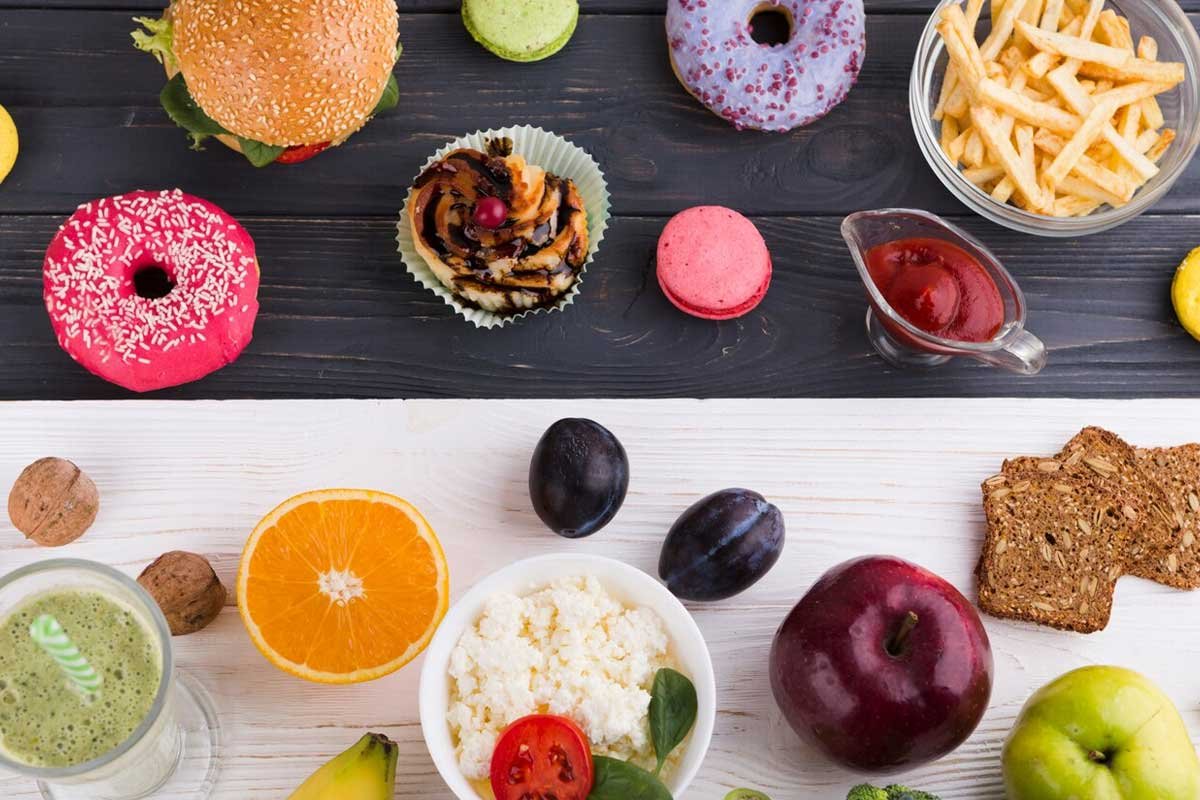
Managing type 2 diabetes isn’t only about reducing sugar intake, it’s about understanding how different foods affect your body’s ability to regulate blood glucose.
In people with type 2 diabetes, the body becomes less responsive to insulin, a hormone that helps move glucose from the bloodstream into cells. This condition, known as insulin resistance, means that carbohydrates, especially refined and sugary ones, can cause larger and longer-lasting increases in blood sugar compared with people who do not have diabetes.
Over time, consistently high blood sugar may increase the risk of complications affecting the heart, kidneys, eyes, nerves, and blood vessels. This is why healthcare professionals often recommend focusing on overall dietary patterns rather than avoiding a single ingredient.
Research from organizations such as the American Diabetes Association, CDC, and Harvard T.H. Chan School of Public Health supports eating a diet rich in vegetables, whole grains, lean proteins, healthy fats, legumes, and high-fiber foods while limiting ultra-processed foods and added sugars.
It’s equally important to remember that not everyone responds to foods in the same way. Factors such as medications, physical activity, age, body weight, and overall health can all influence blood sugar responses. Monitoring your glucose levels, when recommended by your healthcare provider, can help you understand how specific foods affect your body.
How Certain Foods Raise Blood Sugar
Not all carbohydrates affect your body equally. Foods that are low in fiber, high in added sugars, or heavily processed are generally digested more quickly, causing glucose to enter the bloodstream at a faster rate.
Several factors determine how a food affects blood sugar, including:
| Factor | Effect on Blood Sugar |
|---|---|
| Added sugars | Very rapid increase |
| Refined flour | Fast digestion and absorption |
| Fiber content | Slows glucose absorption |
| Protein | Helps improve fullness and slows digestion |
| Healthy fats | Reduce rapid glucose spikes when eaten with carbohydrates |
| Portion size | Larger portions generally raise blood sugar more |
Another important concept is the glycemic index (GI), which ranks carbohydrate-containing foods based on how quickly they raise blood sugar. However, the GI should not be viewed in isolation. The overall nutritional quality, fiber, protein, and portion size of a meal are often more important than the GI value of a single food.
For example, pairing whole grains with lean protein and healthy fats usually results in a slower rise in blood sugar than eating refined carbohydrates alone.
Choosing balanced meals that include protein, healthy fats, and fiber-rich vegetables can help improve blood sugar control and increase satiety. Foods featured in low-carb and high-protein meals often follow this balanced approach naturally.
Foods to Avoid With Diabetes Type 2
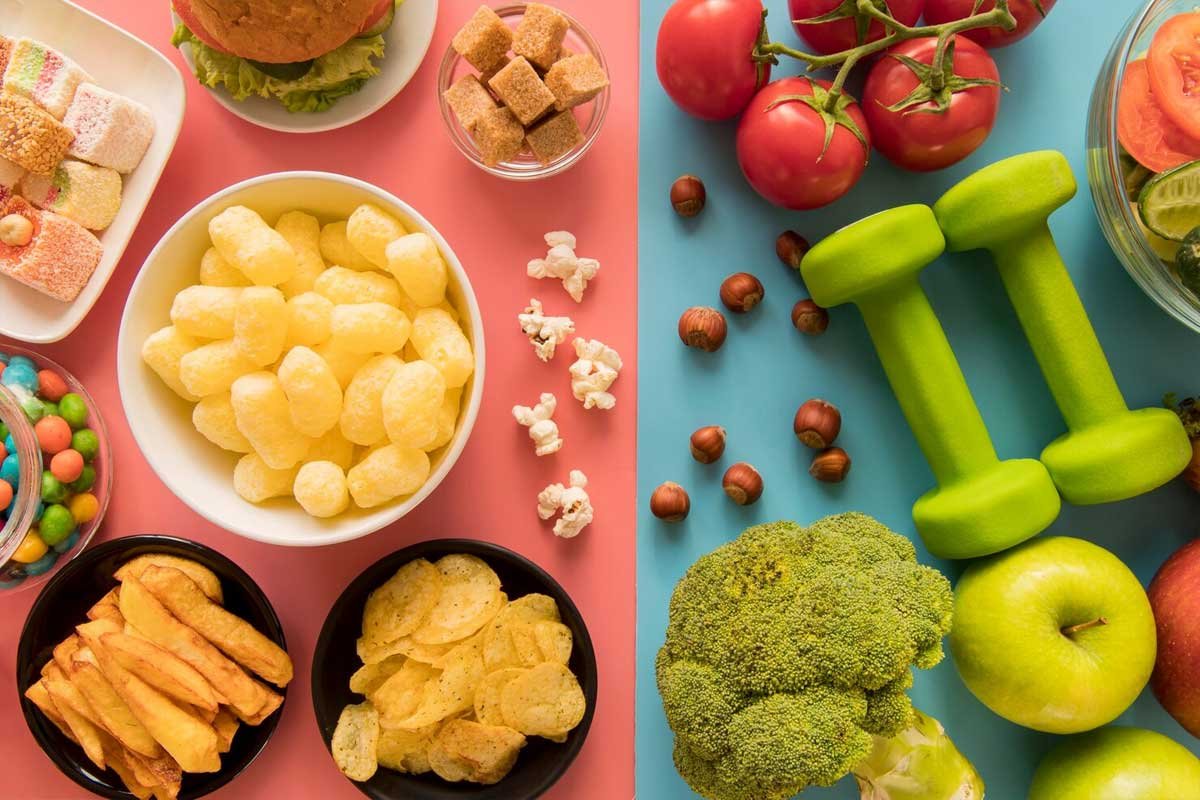
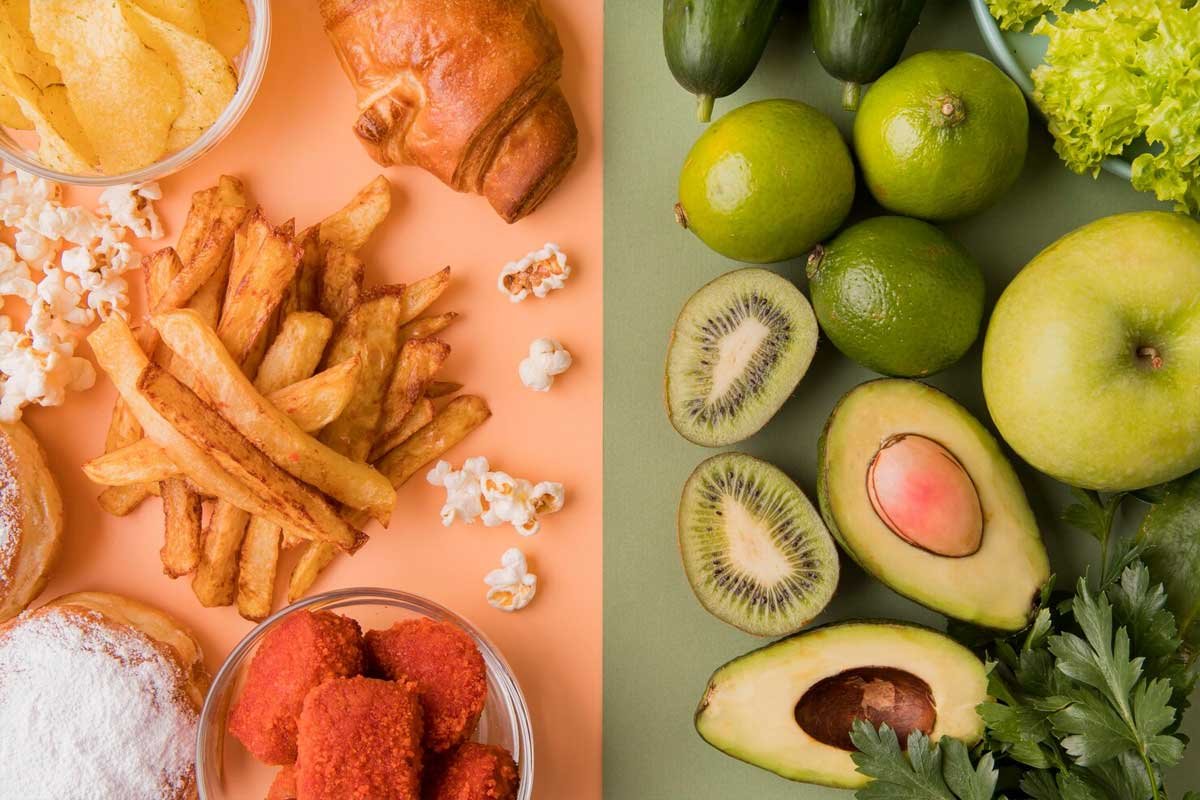
No food is completely “off-limits” for everyone with diabetes. However, some foods are consistently associated with higher blood sugar levels, poorer metabolic health, and increased risk of diabetes-related complications when eaten frequently. Below are the major food groups that people with type 2 diabetes should limit whenever possible.
1. Sugary Drinks
Sugary beverages are among the biggest contributors to rapid blood sugar spikes because they contain large amounts of added sugar without the fiber that slows glucose absorption.
Common examples include:
- Regular soft drinks
- Sweet tea
- Energy drinks
- Sports drinks
- Sweetened coffee beverages
- Flavored milkshakes
- Sweetened lemonade
Liquid sugar is absorbed much faster than sugar from whole foods, making these beverages especially problematic for people with diabetes. Drinking calories also tends to be less filling than eating solid foods, which may increase overall calorie intake.
Studies have consistently linked frequent consumption of sugar-sweetened beverages with an increased risk of obesity, insulin resistance, and poorer blood sugar control.
Better choices include:
- Plain water
- Sparkling water
- Unsweetened iced tea
- Black coffee without added sugar
- Herbal tea
- Water infused with lemon, cucumber, or mint
2. Refined Carbohydrates
Refined carbohydrates have had much of their natural fiber, vitamins, and minerals removed during processing. As a result, they are digested quickly and can cause larger increases in blood sugar compared with minimally processed whole grains.
Common refined carbohydrates include:
- White bread
- White rice
- Regular pasta
- White flour tortillas
- Bagels
- Crackers made with refined flour
These foods are not necessarily harmful when eaten occasionally in appropriate portions, but relying on them as dietary staples may make blood sugar management more difficult. Whenever possible, replace refined grains with whole grains, legumes, or fiber-rich alternatives that digest more slowly and help promote better glucose control.
3. Sugary Breakfast Foods
Many breakfast foods marketed as “healthy” can contain surprisingly high amounts of added sugar and refined carbohydrates. Starting your day with these foods may lead to a rapid increase in blood glucose, followed by an energy crash and increased hunger later in the day.
Common sugary breakfast foods include:
- Sweetened breakfast cereals
- Frosted oatmeal packets
- Pancakes with syrup
- Waffles
- Sweet pastries
- Muffins
- Toaster pastries
- Sweetened flavored yogurt
These foods are often low in protein and fiber, two nutrients that help slow digestion and improve fullness.
Better breakfast choices
Instead of sugary options, choose meals that combine lean protein, healthy fats, and high-fiber carbohydrates.
Examples include:
- Plain Greek yogurt with berries
- Vegetable omelet
- Steel-cut oats topped with chia seeds
- Whole-grain toast with avocado
- Cottage cheese with nuts
Adding more protein at breakfast may also help reduce hunger throughout the day. A healthy high-protein breakfast can support better blood sugar control while keeping you satisfied for longer.
4. Candy, Desserts, and Sweet Treats
Most candies, cakes, cookies, pastries, and desserts are rich in added sugars, refined flour, and unhealthy fats. These combinations can quickly increase blood sugar while offering very little nutritional value.
Foods to limit include:
- Candy bars
- Chocolate with high sugar content
- Cakes
- Cookies
- Ice cream
- Donuts
- Sweet pastries
- Brownies
Occasionally enjoying dessert is possible for many people with diabetes, but portion size matters. Saving desserts for special occasions and eating them alongside a balanced meal may reduce sharp blood sugar spikes compared with eating them alone.
Healthier alternatives
| Instead of | Choose |
|---|---|
| Ice cream | Plain Greek yogurt with berries |
| Candy | A handful of mixed nuts |
| Cake | Fresh fruit with cinnamon |
| Cookies | Apple slices with peanut butter |
| Milk chocolate | Small portion of dark chocolate (70% cocoa or higher) |
5. Highly Processed Snack Foods
Many packaged snack foods are high in refined carbohydrates, sodium, unhealthy fats, and added sugars. Because they are designed to be highly palatable, it’s easy to consume large portions without feeling full.
Examples include:
- Potato chips
- Cheese-flavored snacks
- Pretzels
- Crackers made from refined flour
- Snack cakes
- Sweet granola bars
- Microwave pastries
These snacks generally contain very little fiber or protein, making them less satisfying and more likely to contribute to blood sugar fluctuations.
Better snack ideas
- Unsalted almonds
- Walnuts
- Pistachios
- Roasted chickpeas
- Hummus with vegetables
- Celery sticks with peanut butter
- Hard-boiled eggs
6. White Bread, White Rice, and Refined Grains
Refined grains have had much of their bran and germ removed during processing, reducing their fiber, vitamins, and minerals. This allows carbohydrates to be absorbed more quickly, leading to larger increases in blood sugar.
Frequently consumed refined grains include:
- White bread
- White rice
- White pasta
- Pizza crust made from refined flour
- Burger buns
- Bagels
Replacing refined grains with whole-food alternatives may improve overall blood sugar management.
Better grain choices
| Limit | Choose More Often |
|---|---|
| White rice | Brown rice |
| White bread | 100% whole-grain bread |
| White pasta | Whole-wheat pasta |
| Refined tortillas | Whole-wheat tortillas |
| Instant rice | Quinoa |
| Refined couscous | Bulgur wheat |
Including more low-carb and high-protein meals throughout the week can also help reduce dependence on refined grains while supporting stable energy levels.
7. Sweetened Fruit Juice
Although fruit itself contains vitamins, minerals, antioxidants, and fiber, fruit juice is very different. Juicing removes most of the fiber while concentrating the natural sugars, allowing glucose to enter the bloodstream more quickly.
Common examples include:
- Orange juice
- Apple juice
- Grape juice
- Fruit punch
- Juice cocktails
Even juices labeled “100% fruit juice” can raise blood sugar rapidly when consumed in large amounts.
Better alternatives
- Whole oranges
- Apples
- Berries
- Kiwi
- Pears
Whole fruits digest more slowly because they contain natural fiber. Fruits such as kiwi can be enjoyed as part of a balanced diet. The kiwi fruit health benefits include vitamin C, fiber, and antioxidants, making whole kiwi a much better option than fruit juice.
8. Fried Foods
Deep-fried foods are often high in calories, trans fats, or unhealthy saturated fats. While fat itself doesn’t directly increase blood sugar, regularly eating fried foods may contribute to weight gain and worsening insulin resistance.
Examples include:
- French fries
- Fried chicken
- Onion rings
- Fried fish
- Fried fast foods
Frequent consumption has also been associated with a greater risk of cardiovascular disease, which is already more common in people with type 2 diabetes.
Better cooking methods
- Baking
- Air frying
- Grilling
- Steaming
- Roasting
- Sautéing with healthy oils
9. Processed Meats
Processed meats are often high in sodium, preservatives, and saturated fat.
Examples include:
- Bacon
- Sausage
- Hot dogs
- Salami
- Pepperoni
- Processed deli meats
Research suggests that diets high in processed meat may be associated with a greater risk of cardiovascular disease and poorer metabolic health.
Better protein sources
- Skinless chicken
- Turkey
- Fish
- Lentils
- Beans
- Tofu
- Eggs
- Unsweetened Greek yogurt
If eggs are part of your meal plan, pairing them with vegetables and whole grains is generally healthier than serving them alongside processed meats.
10. Foods High in Added Sugar
Many packaged foods contain hidden sugars, even when they don’t taste particularly sweet.
Watch for ingredients such as:
- High-fructose corn syrup
- Cane sugar
- Corn syrup
- Dextrose
- Malt syrup
- Brown sugar
- Honey
- Molasses
- Agave syrup
Always read the nutrition label instead of relying only on front-of-package marketing claims.
Foods That Are Often Misunderstood
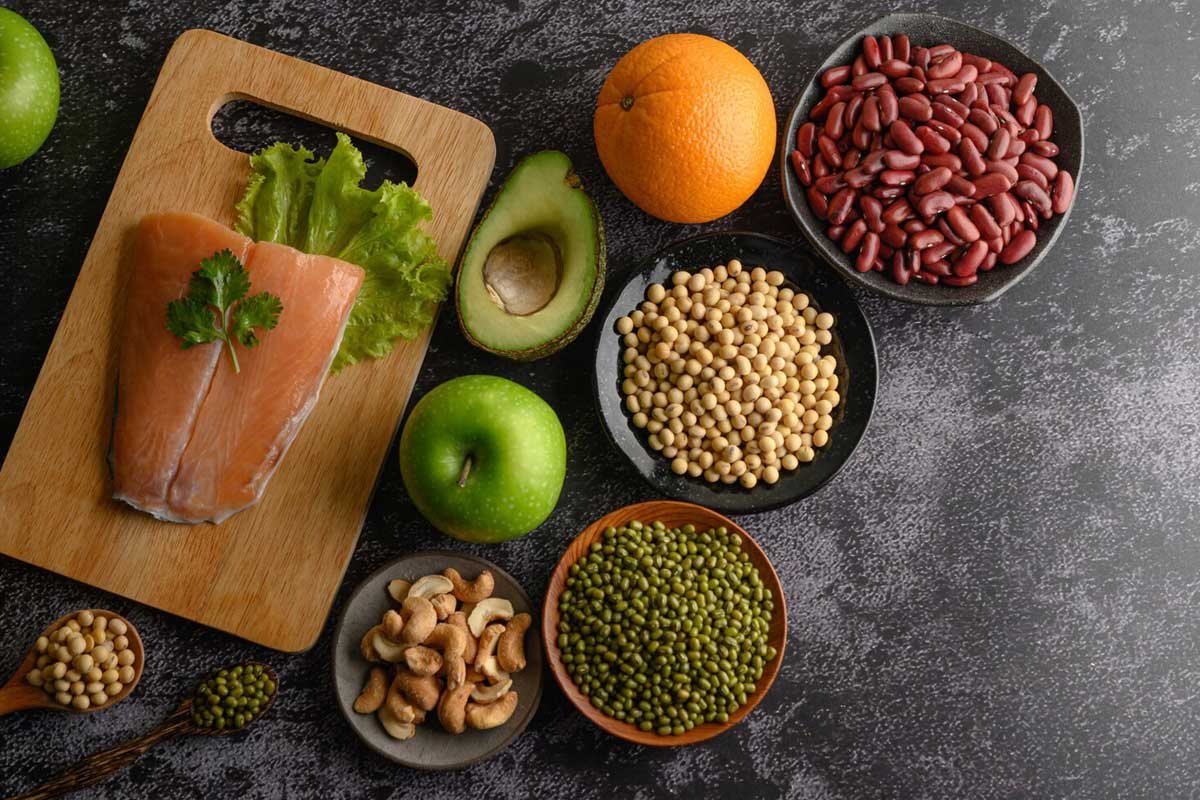
Not every carbohydrate-rich food should be avoided. Many nutritious foods can fit into a diabetes-friendly eating pattern when eaten in appropriate portions.
| Food | Avoid? | Recommendation |
|---|---|---|
| Fresh fruit | ❌ No | Eat moderate portions |
| Oats | ❌ No | Choose unsweetened oats |
| Beans | ❌ No | Excellent fiber source |
| Lentils | ❌ No | High in protein and fiber |
| Sweet potatoes | ❌ No | Watch portion size |
| Brown rice | ❌ No | Better than white rice |
| Plain yogurt | ❌ No | Choose unsweetened |
| Avocados | ❌ No | Healthy fats support fullness |
Foods such as oats can be particularly beneficial because of their soluble fiber. The health benefits of oats with milk make them a balanced breakfast option when prepared without added sugar.
Similarly, adding foods rich in healthy fats, such as avocado, may improve meal satisfaction. The health benefits of avocado toast are greatest when it’s prepared on whole-grain bread with sensible portion sizes.
Nutrition Goals for People With Type 2 Diabetes
Rather than focusing only on foods to avoid, aim to include more nutrient-dense foods every day.
| Nutrient | Why It Matters | Food Sources |
|---|---|---|
| Fiber | Slows glucose absorption | Vegetables, legumes, oats |
| Protein | Supports fullness | Fish, chicken, eggs, beans |
| Healthy fats | Heart health | Olive oil, avocado, nuts |
| Magnesium | Supports glucose metabolism | Pumpkin seeds, spinach |
| Potassium | Healthy blood pressure | Beans, leafy greens, bananas |
| Vitamin B12 | Nerve health | Fish, dairy, eggs, fortified foods |
People taking metformin for diabetes may be at increased risk of low vitamin B12 over time. Recognizing vitamin B12 deficiency symptoms, causes, and treatment can help support long-term health, especially if your healthcare provider recommends periodic testing.
Practical Tips for Grocery Shopping
Making healthier choices often starts before you reach the kitchen.
- Read Nutrition Facts labels carefully.
- Choose foods with higher fiber and lower added sugar.
- Compare products instead of buying the first option.
- Shop the perimeter of the grocery store where fresh foods are often located.
- Avoid shopping while hungry.
- Plan meals before grocery shopping.
- Keep healthy snacks available at home.
Common Mistakes to Avoid
Many people unknowingly make choices that can affect blood sugar despite having good intentions.
1. Assuming “Sugar-Free” Means Healthy
Sugar-free products may still contain refined starches or unhealthy fats.
2. Drinking Calories
Smoothies, sweet coffee drinks, and juices may contain as much sugar as soft drinks.
3. Ignoring Portion Sizes
Even healthier foods can raise blood sugar when eaten in excessive amounts.
4. Skipping Meals
Skipping meals may lead to overeating later or increase the risk of blood sugar fluctuations for some people.
5. Eliminating All Carbohydrates
Carbohydrates are not the enemy. Choosing high-quality carbohydrates with plenty of fiber is usually a better long-term strategy than avoiding them completely.
Expert Tips for Better Blood Sugar Control
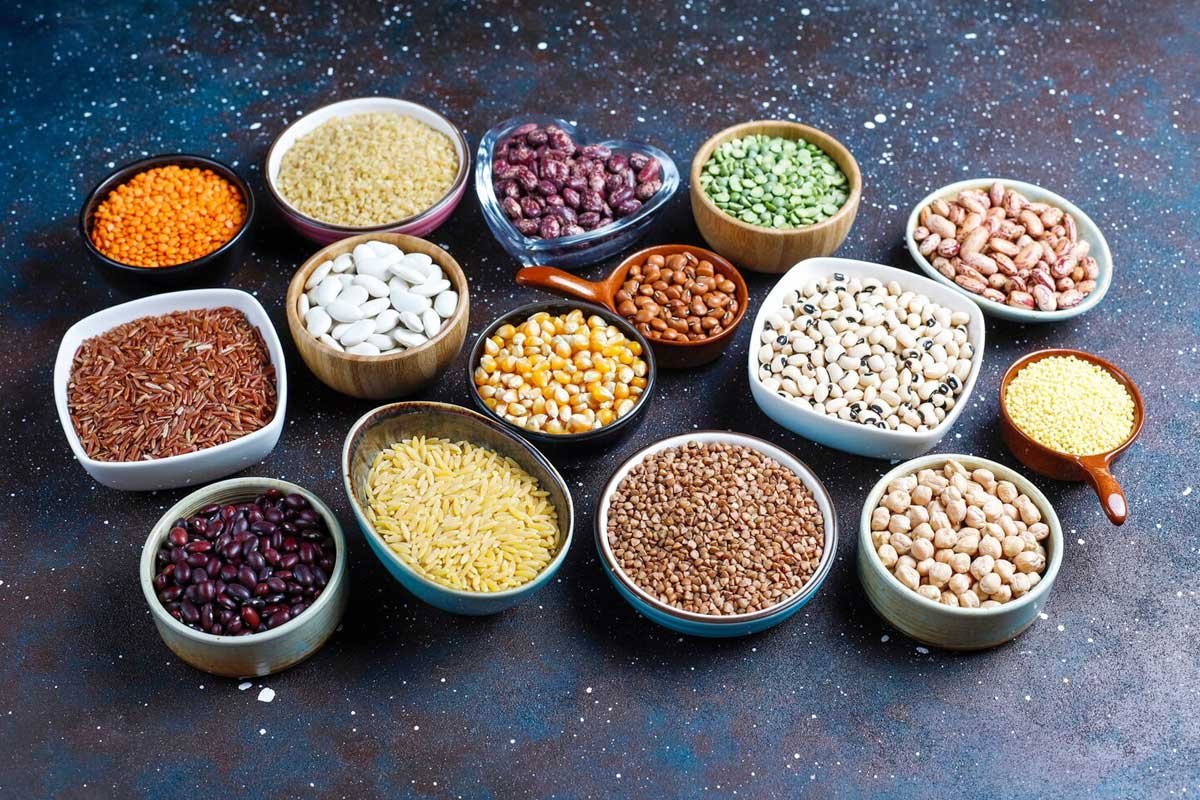
- Build meals around non-starchy vegetables.
- Include a source of lean protein at every meal.
- Choose whole grains instead of refined grains whenever possible.
- Limit sugary beverages.
- Drink enough water throughout the day.
- Stay physically active.
- Aim for a healthy body weight if recommended by your healthcare provider.
- Monitor blood glucose as advised by your medical team.
- Follow regular medical check-ups and individualized nutrition advice from a registered dietitian or diabetes specialist.
Frequently Asked Questions (FAQs)
Q1. What are the worst foods to avoid with type 2 diabetes?
The worst foods to avoid with diabetes type 2 are those high in added sugars, refined carbohydrates, and unhealthy fats. Examples include sugary drinks, candy, cakes, pastries, white bread, white rice, processed snacks, fried foods, and processed meats. These foods can cause rapid blood sugar spikes and may increase the risk of long-term diabetes complications when consumed regularly.
Q2. Can people with type 2 diabetes eat fruit?
Yes. Most people with type 2 diabetes can enjoy whole fruits in moderation as part of a balanced diet. Fruits provide fiber, vitamins, minerals, and antioxidants that support overall health. However, it’s generally better to choose whole fruits over fruit juices because fiber helps slow the absorption of natural sugars.
Q3. Is rice bad for type 2 diabetes?
Not necessarily. White rice has a higher glycemic index and may raise blood sugar more quickly than whole grains. Choosing brown rice, quinoa, or other fiber-rich grains and keeping portions moderate can be a healthier option for many people with diabetes.
Q4. Can I eat potatoes if I have type 2 diabetes?
Yes, but portion size and preparation matter. Baked or boiled potatoes are generally a better choice than French fries or heavily processed potato products. Pairing potatoes with lean protein, healthy fats, and vegetables can help reduce rapid blood sugar spikes.
Q5. Are eggs safe for people with type 2 diabetes?
For most people, eggs can be part of a healthy diabetes-friendly diet. They are rich in high-quality protein and contain very few carbohydrates. Cooking eggs without excessive butter or oil and pairing them with vegetables is generally the healthiest approach.
Q6. Can people with type 2 diabetes eat bread?
Yes, but choosing the right type is important. Whole-grain, sprouted grain, or high-fiber bread is usually a better option than white bread because it is digested more slowly and has less impact on blood sugar levels.
Q7. Are artificial sweeteners safe for diabetes?
Most approved non-nutritive sweeteners are considered safe when consumed within recommended limits. However, they should not replace an overall healthy eating pattern. Drinking water or unsweetened beverages is still the healthiest choice for everyday hydration.
Q8. Is fasting recommended for people with type 2 diabetes?
Fasting may not be suitable for everyone, especially individuals taking insulin or certain diabetes medications. Always speak with your healthcare provider before starting intermittent fasting or any eating pattern that significantly changes meal timing.
Q9. How often can someone with type 2 diabetes eat sweets?
Occasional treats may fit into a healthy eating plan for some people with diabetes. The key is moderation, portion control, and balancing sweets with nutrient-rich meals. Frequent consumption of sugary foods is generally discouraged because it can make blood sugar management more difficult.
Q10. What is the best overall diet for type 2 diabetes?
There is no single “best” diet for everyone. However, research consistently supports eating plenty of vegetables, whole grains, legumes, lean protein, healthy fats, nuts, seeds, and minimally processed foods while limiting added sugars and refined carbohydrates. A personalized eating plan developed with a healthcare professional or registered dietitian is often the most effective approach.
Key Takeaways
- Sugary drinks are among the worst choices because they raise blood sugar very quickly.
- Refined carbohydrates such as white bread, white rice, and pastries should be limited whenever possible.
- Choose foods rich in fiber, lean protein, and healthy fats to help maintain steadier blood sugar levels.
- Portion control is just as important as food quality.
- Whole foods are generally a better choice than highly processed foods.
- Reading nutrition labels can help identify hidden added sugars.
- Consistent healthy eating patterns have a greater impact than avoiding one specific food.
Conclusion
Choosing the right foods plays an important role in managing type 2 diabetes, but healthy eating is about balance rather than perfection. Understanding the foods to avoid with diabetes type 2 can help reduce unnecessary blood sugar spikes, support heart health, and improve overall well-being.
Instead of focusing only on restrictions, aim to build meals around high-fiber vegetables, whole grains, lean proteins, healthy fats, and minimally processed foods. Small, sustainable dietary changes often provide greater long-term benefits than strict or overly restrictive diets.
Remember that diabetes affects everyone differently. Factors such as age, medications, physical activity, and other health conditions can influence how your body responds to certain foods. Working with your healthcare provider or a registered dietitian can help you develop an eating plan that fits your individual needs.
By making informed food choices and maintaining healthy lifestyle habits, you can better support blood sugar control and reduce the risk of diabetes-related complications over time.
Medical Disclaimer
This article is intended for educational and informational purposes only and should not be considered medical advice. It does not replace consultation with a qualified physician, endocrinologist, registered dietitian, or other licensed healthcare professional. If you have type 2 diabetes, take diabetes medications, or have other medical conditions, always seek personalized advice before making significant changes to your diet or treatment plan. Nutritional needs and blood sugar responses vary from person to person.

I am Danish, the creator of Health Update 24. I write about health, nutrition, fitness, and healthy lifestyle topics, sharing simple, practical, and well-researched information to help readers make informed decisions about their well-being. Know More