Breakfast is often called the most important meal of the day, especially for people living with type 2 diabetes. After an overnight fast, your body needs nutritious foods that provide steady energy without causing a rapid rise in blood sugar. Choosing the best breakfast for diabetes type 2 isn’t about skipping carbohydrates completely, it’s about building a meal with the right balance of protein, fiber, healthy fats, and slow-digesting carbohydrates.
A well-balanced breakfast may help improve satiety, reduce mid-morning cravings, and support healthier food choices throughout the day. Research also suggests that eating a nutrient-rich breakfast may contribute to better overall blood glucose management when combined with regular physical activity, medication (if prescribed), and an individualized eating plan.
In this guide, you’ll discover the best breakfast foods for type 2 diabetes, foods to avoid, practical meal ideas, nutrition tips, portion guidance, and common mistakes to help you start your morning with confidence.
Quick Answer
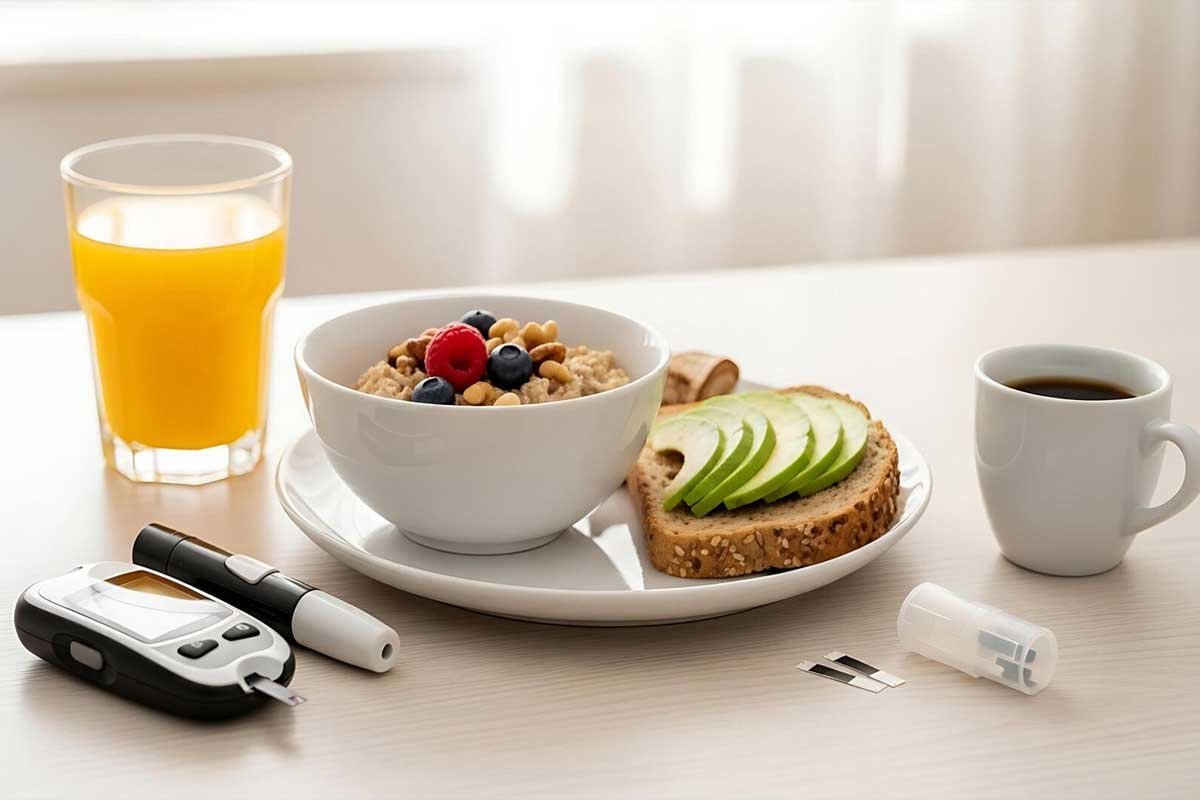
The best breakfast for diabetes type 2 includes a combination of lean protein, high-fiber carbohydrates, and healthy fats. Excellent choices include eggs with vegetables, plain Greek yogurt with berries and nuts, steel-cut oats with chia seeds, avocado on whole-grain toast, or a protein smoothie made without added sugar. These meals can help promote more stable blood sugar levels and keep you feeling full longer.
Table of Contents
Why Breakfast Matters for Type 2 Diabetes

Many people believe skipping breakfast can help reduce calorie intake or improve blood sugar control. However, this approach doesn’t work for everyone, especially those with type 2 diabetes. Going too long without eating may increase hunger later in the day, making it easier to overeat or choose foods high in refined carbohydrates and added sugars.
A balanced breakfast provides your body with the nutrients needed after an overnight fast. It can help replenish energy stores, support concentration, and encourage more consistent eating patterns. For some individuals, eating breakfast may also reduce large fluctuations in blood glucose, although responses can vary based on personal health, medications, and overall diet.
Breakfast also offers an excellent opportunity to include nutrient-dense foods such as whole grains, fruits, vegetables, nuts, seeds, eggs, and dairy or dairy alternatives. These foods provide vitamins, minerals, antioxidants, and dietary fiber that contribute to overall health beyond blood sugar management.
Potential Benefits of Eating a Balanced Breakfast
| Benefit | Why It Matters |
|---|---|
| Steadier energy | Helps reduce morning fatigue |
| Better fullness | Protein and fiber may reduce hunger |
| Improved nutrient intake | Easier to meet daily nutrition needs |
| Supports healthy eating habits | May reduce unhealthy snacking later |
| Helps maintain muscle | Protein supports muscle health |
What Makes the Best Breakfast for Diabetes Type 2?
The best breakfast for diabetes type 2 is not a single food, it is a combination of foods that work together to provide lasting energy while supporting healthy blood sugar levels. Instead of focusing only on carbohydrates, think about building a balanced plate.
An ideal diabetes-friendly breakfast typically includes:
- High-quality protein
- High-fiber carbohydrates
- Healthy fats
- Minimal added sugar
- Appropriate portion sizes
This combination slows digestion, promotes fullness, and helps avoid the rapid spikes and crashes in blood glucose that often occur after eating highly processed breakfast foods.
A useful way to plan breakfast is to think of your plate as a mix of nutrients rather than individual foods. For example, pairing eggs with sautéed vegetables and a slice of whole-grain toast creates a more balanced meal than eating toast alone. Similarly, plain Greek yogurt topped with berries and chia seeds offers protein, fiber, and healthy fats in one bowl.
If you’re working on weight management alongside diabetes, you may also enjoy our guide on Healthy High Protein Breakfast Ideas, which explains how protein-rich meals can help you stay satisfied longer.
Key Nutrients Your Breakfast Should Include

Building the best breakfast for diabetes type 2 starts with understanding the nutrients that have the biggest impact on blood sugar, energy, and fullness. Rather than focusing on a single “healthy” food, aim for a balanced meal that combines protein, fiber, healthy fats, and smart carbohydrates. Here’s a closer look at why each of these nutrients matters and how they can fit into a diabetes-friendly breakfast.
1. Protein
Protein is one of the most important nutrients at breakfast because it slows digestion and helps you stay full for longer. Good protein choices include:
- Eggs
- Plain Greek yogurt
- Cottage cheese
- Tofu
- Skinless chicken or turkey
- Smoked salmon
- Protein-rich legumes
Aim to include 20-30 grams of protein if possible, depending on your individual nutrition needs.
2. Fiber
Fiber slows the absorption of carbohydrates and supports digestive health. High-fiber foods also increase satiety, making it easier to manage hunger.
Excellent sources include:
- Steel-cut oats
- Chia seeds
- Flaxseeds
- Berries
- Apples
- Pears
- Vegetables
- Whole-grain bread
Adults generally benefit from consuming adequate fiber throughout the day, with breakfast contributing a meaningful portion.
3. Healthy Fats
Healthy fats improve meal satisfaction and can slow stomach emptying when eaten as part of a balanced meal.
Good options include:
- Avocados
- Almonds
- Walnuts
- Pistachios
- Chia seeds
- Flaxseeds
- Natural peanut butter
- Olive oil
Keep portions moderate because healthy fats are calorie-dense.
4. Smart Carbohydrates
People with diabetes do not have to eliminate carbohydrates completely. Instead, choose carbohydrates that digest more slowly and provide additional nutrients.
Better carbohydrate choices include:
| Choose More Often | Limit |
|---|---|
| Steel-cut oats | Sugary cereals |
| Whole-grain bread | White bread |
| Berries | Pastries |
| Apples | Sweet donuts |
| Quinoa | Sweetened granola |
| Sweet potato | Sugar-loaded breakfast bars |
Best Breakfast Foods for Blood Sugar Control

Rather than relying on one “superfood,” build your breakfast around several nutrient-rich ingredients. Here are some of the best choices supported by nutrition research.
| Food | Why It’s Good | Best Pairing |
|---|---|---|
| Eggs | High in protein and very filling | Vegetables, avocado |
| Plain Greek yogurt | High protein, low added sugar | Berries and chia seeds |
| Steel-cut oats | Rich in soluble fiber | Cinnamon and walnuts |
| Berries | High fiber, lower sugar than many fruits | Yogurt or oatmeal |
| Chia seeds | Excellent source of fiber and omega-3 fats | Smoothies or oats |
| Avocado | Healthy fats and fiber | Whole-grain toast |
| Nuts | Healthy fats and protein | Yogurt or fruit |
| Vegetables | Low in carbohydrates and nutrient-rich | Omelets or breakfast bowls |
For readers looking to increase daily fiber intake naturally, our article on Benefits of Chia Seeds explains why these tiny seeds are a valuable addition to diabetes-friendly breakfasts.
Likewise, if you’re unsure which fruits fit into a balanced eating plan, our guide on Kiwi Fruit Health Benefits discusses its nutrients and how it can fit into a healthy diet when eaten in appropriate portions.
Healthy Breakfast Ideas for Type 2 Diabetes
Knowing the best breakfast for diabetes type 2 is one thing, but turning that knowledge into everyday meals is what truly makes a difference. A diabetes-friendly breakfast doesn’t have to be expensive or complicated. The goal is to combine protein, fiber-rich carbohydrates, and healthy fats in portions that fit your individual calorie and carbohydrate needs.
The following meal ideas are balanced, satisfying, and easy to customize.
| Breakfast Idea | Why It’s a Good Choice |
|---|---|
| Vegetable omelet with spinach, mushrooms, and tomatoes | High in protein, low in carbohydrates, rich in vitamins |
| Plain Greek yogurt with berries and chia seeds | Excellent protein, fiber, and probiotics |
| Steel-cut oats topped with walnuts and cinnamon | Slow-digesting carbohydrates and healthy fats |
| Whole-grain toast with avocado and boiled eggs | Balanced combination of fiber, protein, and healthy fats |
| Cottage cheese with sliced cucumber and tomatoes | High protein and low in sugar |
| Tofu scramble with vegetables | Great plant-based protein option |
| Protein smoothie with spinach, berries, unsweetened milk, and chia seeds | Convenient and nutrient-dense |
| Overnight oats made without added sugar | Easy meal prep with lasting energy |
| Smoked salmon with whole-grain toast and avocado | Rich in protein and heart-healthy fats |
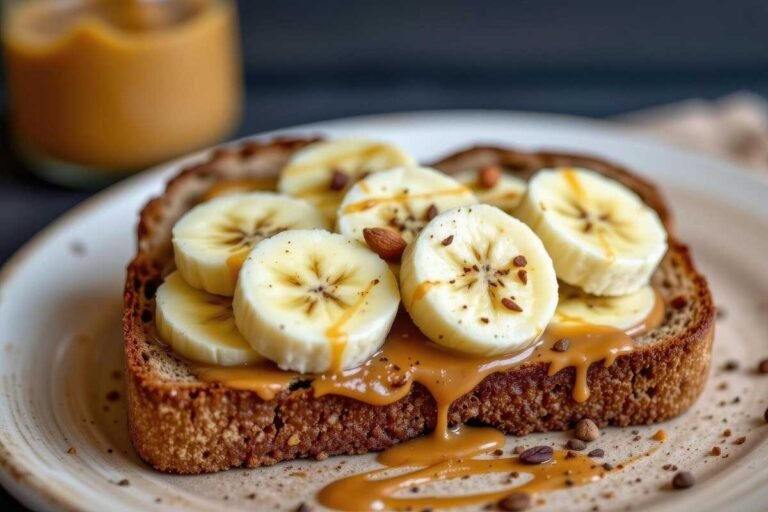
| Peanut butter on whole-grain toast with sliced apple | Balanced carbohydrates and healthy fats when portions are controlled |
A simple strategy is to build every breakfast around one protein source, one high-fiber carbohydrate, and one healthy fat. This combination slows digestion and helps keep you satisfied until your next meal.
If you’re trying to increase your protein intake, you may also find our guide on Healthy High Protein Breakfast Ideas useful because it includes additional balanced meal combinations that can fit different calorie needs.
Sample 7-Day Breakfast Plan
| Day | Breakfast |
|---|---|
| Monday | Vegetable omelet + whole-grain toast |
| Tuesday | Greek yogurt + blueberries + walnuts |
| Wednesday | Steel-cut oatmeal + chia seeds + cinnamon |
| Thursday | Cottage cheese + cucumber + tomatoes |
| Friday | Avocado toast + boiled eggs |
| Saturday | Protein smoothie + handful of almonds |
| Sunday | Tofu scramble + sautéed vegetables |
This plan provides variety while helping you avoid breakfast boredom.
Foods to Limit or Avoid at Breakfast

Not every breakfast marketed as “healthy” is suitable for people with type 2 diabetes. Many packaged breakfast foods contain significant amounts of added sugar, refined flour, and highly processed ingredients, which can contribute to rapid increases in blood sugar.
Common foods to limit include:
- Sugary breakfast cereals
- Pastries and donuts
- Sweet muffins
- White bread
- Flavored yogurt with added sugar
- Sweetened granola
- Breakfast cookies
- Sugar-sweetened coffee drinks
- Fruit juice without fiber
- Pancakes or waffles covered in syrup
These foods often digest quickly, providing little fiber or protein. While they may offer quick energy, they are less filling and can lead to hunger soon after eating.
Instead of eliminating favorite foods completely, consider healthier swaps.
| Instead of… | Choose… |
|---|---|
| Sugary cereal | Plain oatmeal with berries |
| White toast | Whole-grain toast |
| Sweet yogurt | Plain Greek yogurt |
| Fruit juice | Whole fruit |
| Pastries | Eggs with vegetables |
| Sweet coffee | Unsweetened coffee with milk |
Portion Sizes Matter
Even nutritious foods can contribute to higher blood sugar if eaten in very large portions. Portion awareness is just as important as food quality.
A balanced breakfast might include:
- 20-30 grams of protein
- 1 serving of whole grains
- 1 serving of fruit
- Healthy fat in moderation
- Plenty of non-starchy vegetables
Your exact needs depend on age, activity level, medications, weight goals, and guidance from your healthcare provider or registered dietitian.
Nutrition Comparison
| Food | Protein | Fiber | Blood Sugar Impact |
|---|---|---|---|
| Eggs | High | Low | Low |
| Greek yogurt | High | Low | Low |
| Steel-cut oats | Moderate | High | Moderate |
| White bread | Low | Low | High |
| Donut | Low | Very low | Very high |
| Chia seeds | Moderate | Very high | Very low |
| Avocado | Low | High | Very low |
Benefits of Choosing the Best Breakfast for Diabetes Type 2
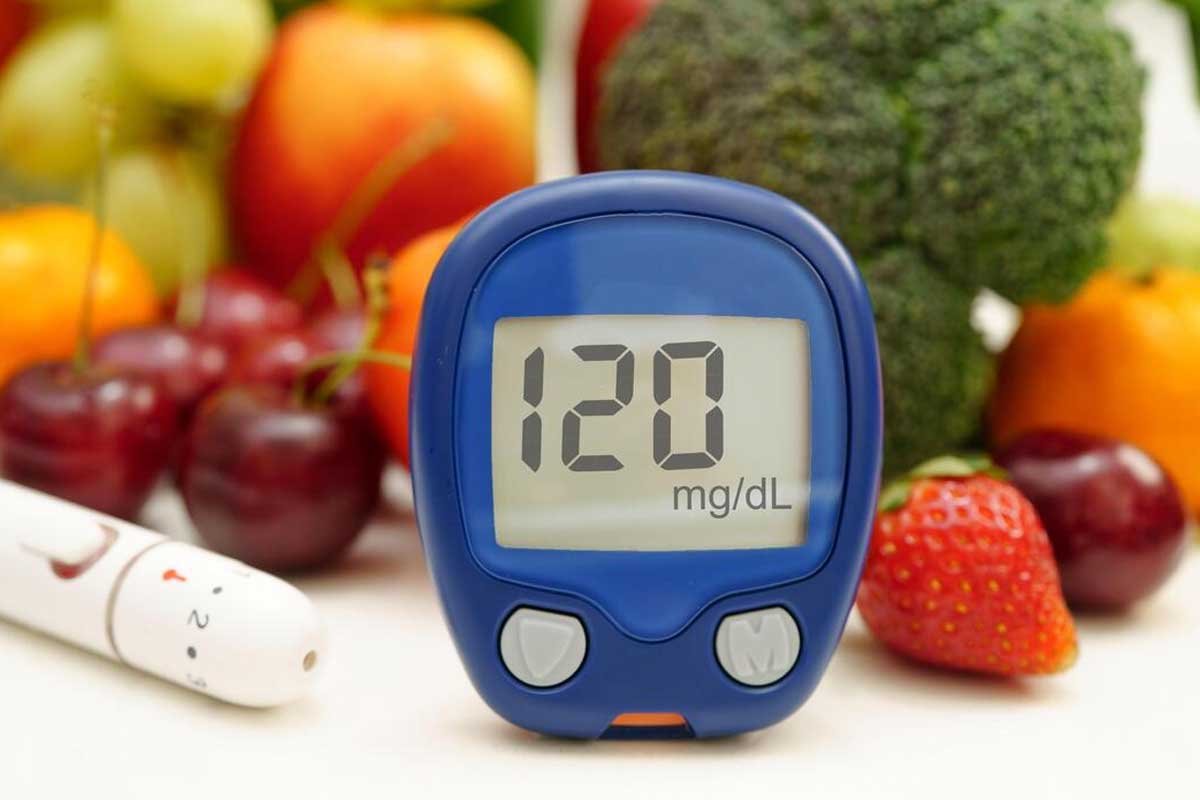
A balanced breakfast offers benefits that extend beyond the morning. While no single meal can control diabetes on its own, healthy breakfast habits can support an overall diabetes management plan.
Potential benefits include:
- May help support steadier blood sugar levels
- Keeps you full for longer
- Reduces unnecessary snacking
- Supports healthy weight management
- Provides important vitamins and minerals
- Encourages healthier eating throughout the day
- May improve concentration and energy levels
- Supports heart health when rich in healthy fats and fiber
Are There Any Risks?
Most healthy breakfast foods are safe for people with diabetes, but certain situations require extra attention.
Potential concerns include:
- Eating excessive portions of carbohydrate-rich foods
- Consuming sweetened yogurt instead of plain yogurt
- Drinking smoothies loaded with fruit juice or added sugar
- Adding too much honey, maple syrup, or dried fruit
- Choosing processed breakfast bars that appear healthy but contain significant added sugars
Individuals taking insulin or certain diabetes medications should follow the meal timing recommended by their healthcare provider.
Who Should Limit Certain Breakfast Foods?
Some foods may not suit everyone.
| Food | Who May Need to Limit It |
|---|---|
| Oats | People following individualized carbohydrate limits |
| Dairy | Individuals with lactose intolerance |
| Nuts | Those with nut allergies |
| Whole-grain bread | People with celiac disease unless gluten-free |
| Fruit | Individuals who need stricter carbohydrate monitoring |
Personalized nutrition is important because blood sugar responses vary between individuals.
Best Time to Eat Breakfast

For many people, eating breakfast within one to two hours of waking helps establish a regular eating pattern. However, meal timing should also take into account medications, work schedules, exercise, and personal preferences.
Consistency often matters more than eating at an exact time every day.
Best Ways to Build a Diabetes-Friendly Breakfast
A simple formula can make meal planning easier.
Step 1: Choose a protein source
- Eggs
- Greek yogurt
- Cottage cheese
- Tofu
Step 2: Add a fiber-rich carbohydrate
- Oats
- Whole-grain bread
- Berries
- Apple
- Pear
Step 3: Include a healthy fat
- Avocado
- Walnuts
- Almonds
- Chia seeds
- Flaxseeds
Step 4: Add vegetables whenever possible.
This balanced approach works better than focusing on a single “superfood.”
Nutrition Highlights
Some of the nutrients commonly found in diabetes-friendly breakfasts include:
- Protein – Supports fullness and muscle maintenance.
- Fiber – Helps slow digestion and supports gut health.
- Healthy fats – Promote satiety and heart health.
- Calcium – Important for bone health.
- Vitamin D – Supports immune and bone health when included in fortified foods.
- Magnesium – Plays a role in normal glucose metabolism.
- Potassium – Supports healthy blood pressure.
If you’re interested in improving your overall dietary fiber intake, our article on Benefits of Chia Seeds explains how chia seeds can be an easy addition to breakfast bowls, yogurt, and oatmeal.
Practical Tips
Small daily habits can make breakfast healthier without feeling restrictive.
- Plan breakfast the night before.
- Keep boiled eggs ready in the refrigerator.
- Choose plain yogurt instead of flavored varieties.
- Measure cereal or oats instead of pouring directly from the box.
- Read nutrition labels for added sugars.
- Drink water or unsweetened beverages.
- Include vegetables whenever possible.
- Rotate breakfast choices to increase nutrient variety.
Meal preparation can save time on busy mornings and reduce the temptation to choose processed convenience foods.
Common Breakfast Mistakes
Even well-intentioned choices can work against your goals.
Common mistakes include:
- Skipping breakfast regularly
- Eating only carbohydrates without protein
- Choosing foods labeled “healthy” without reading nutrition labels
- Drinking fruit juice instead of eating whole fruit
- Consuming oversized portions
- Forgetting about hidden sugars in coffee drinks
- Depending on processed protein bars
Recognizing these habits can help you make more balanced choices over time.
Expert Tips
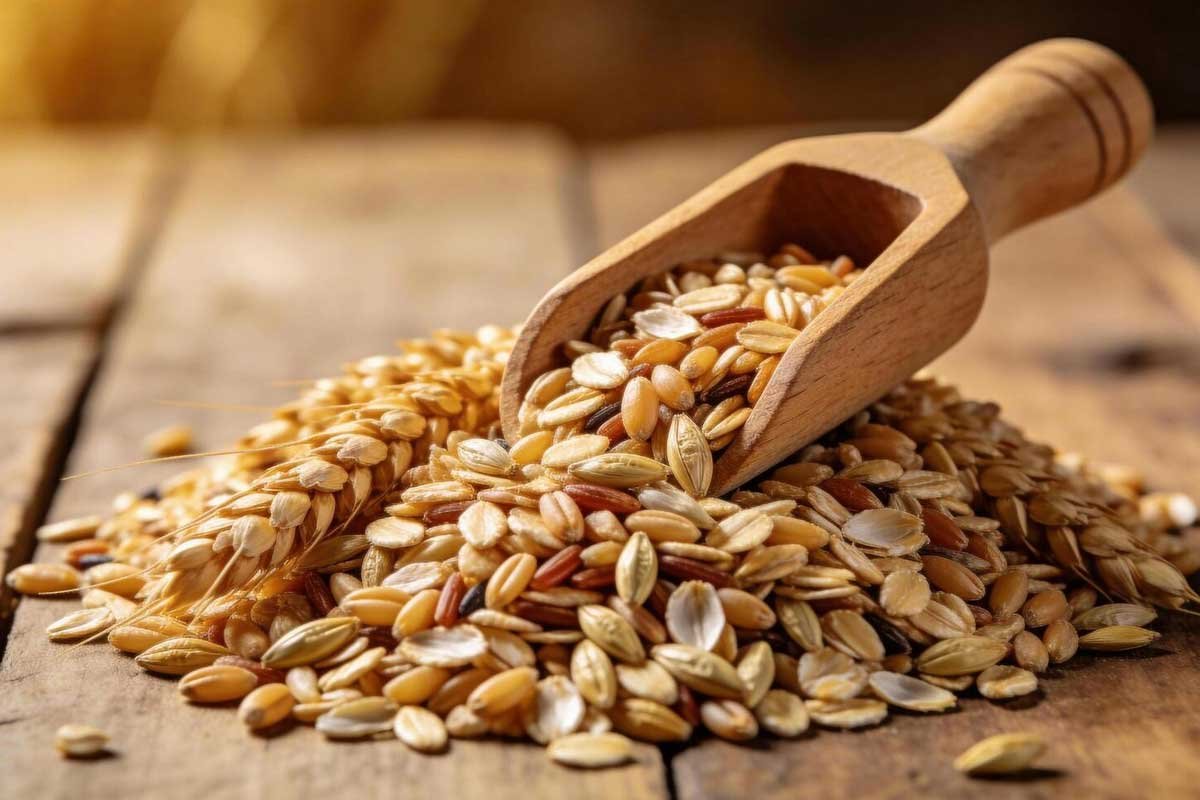
Nutrition experts generally recommend focusing on overall dietary patterns rather than searching for one perfect food.
A balanced breakfast that includes protein, fiber, and healthy fats may help support more stable blood sugar levels. For evidence-based nutrition recommendations, see the American Diabetes Association’s healthy eating guidance.
Here are some practical strategies:
- Prioritize protein at breakfast.
- Aim for high-fiber foods most mornings.
- Replace refined grains with whole grains whenever possible.
- Include healthy fats in moderate portions.
- Choose minimally processed foods.
- Monitor your blood sugar as recommended to understand how different breakfasts affect you.
- Work with a registered dietitian if you need personalized carbohydrate targets.
If weight management is also one of your goals, you may find our Weight Loss Calculator helpful for estimating daily calorie needs alongside a balanced eating plan.
For readers interested in understanding body weight and health risk, our BMI Calculator can also provide useful information that complements healthy nutrition planning.
Key Takeaway
The best breakfast for diabetes type 2 is one that combines lean protein, fiber-rich carbohydrates, healthy fats, and appropriate portions. Rather than relying on restrictive diets or trendy “superfoods,” focus on building balanced meals that fit your lifestyle and nutritional needs. Consistency, variety, and whole foods are the foundation of a breakfast pattern that can support long-term blood sugar management and overall health.
Frequently Asked Questions (FAQs)
Q1. What is the best breakfast for diabetes type 2?
The best breakfast for diabetes type 2 includes a balance of lean protein, high-fiber carbohydrates, and healthy fats. Meals such as eggs with vegetables, plain Greek yogurt with berries, steel-cut oats with chia seeds, or avocado on whole-grain toast can help provide steady energy and support healthier blood sugar levels. The ideal breakfast varies from person to person based on activity level, medications, and overall nutritional needs.
Q2. Can people with type 2 diabetes eat oatmeal for breakfast?
Yes, oatmeal can be a healthy breakfast choice when eaten in appropriate portions. Steel-cut oats or rolled oats are generally better options than instant flavored varieties because they contain more fiber and less added sugar. Pairing oatmeal with protein-rich foods like Greek yogurt or nuts can create a more balanced meal that helps keep you full longer.
Q3. Are eggs good for people with type 2 diabetes?
Eggs are an excellent source of high-quality protein and contain very little carbohydrate, making them a popular breakfast option for many people with type 2 diabetes. When prepared with vegetables and served alongside whole-grain foods, eggs can be part of a balanced meal. People with existing heart disease or high cholesterol should follow their healthcare provider’s advice regarding overall dietary patterns.
Q4. Should people with type 2 diabetes skip breakfast?
Skipping breakfast is not recommended for everyone. Some people may experience increased hunger later in the day, making it more difficult to make balanced food choices. Eating a nutritious breakfast may help establish a consistent eating routine and support overall blood sugar management. However, meal timing should always be individualized based on medical advice, medications, and personal preferences.
Q5. What breakfast foods should people with diabetes avoid?
People with diabetes should try to limit foods that are high in added sugars and refined carbohydrates, such as sugary cereals, pastries, donuts, sweetened yogurt, white bread, breakfast cookies, and sugar-loaded coffee drinks. These foods can cause rapid increases in blood sugar and often provide little protein or fiber compared with whole-food alternatives.
Q6. Can fruit be included in a diabetes-friendly breakfast?
Yes, whole fruit can be part of a healthy breakfast for people with type 2 diabetes. Fruits such as berries, apples, pears, and kiwi provide fiber, vitamins, minerals, and antioxidants. Choosing whole fruit instead of fruit juice helps slow sugar absorption because the natural fiber remains intact. Pairing fruit with a protein source like Greek yogurt or nuts creates a more balanced breakfast.
Conclusion
Choosing the best breakfast for diabetes type 2 doesn’t mean giving up your favorite morning meals, it means making smarter, more balanced choices. A breakfast that combines lean protein, fiber-rich carbohydrates, healthy fats, and nutrient-dense whole foods can help support more stable blood sugar levels, improve fullness, and provide lasting energy throughout the morning.
Rather than relying on highly processed or sugary breakfast foods, focus on simple meals such as eggs with vegetables, plain Greek yogurt with berries, oatmeal topped with nuts and chia seeds, or avocado on whole-grain toast. These options not only support blood sugar management but also contribute to overall heart health, digestive health, and long-term wellness.
Remember that there is no one-size-fits-all meal plan. Factors such as age, activity level, medications, and personal health goals all influence the best breakfast for diabetes type 2. Monitoring your body’s response to different foods and seeking personalized advice from a registered dietitian or healthcare professional can help you create a breakfast routine that works best for you.
Medical Disclaimer
This article is intended for educational and informational purposes only and should not be considered medical advice. It does not diagnose, treat, cure, or prevent any disease. Nutritional needs and blood sugar responses vary from person to person. If you have type 2 diabetes, take insulin or other glucose-lowering medications, are pregnant, or have any underlying medical condition, consult your doctor or a registered dietitian before making significant changes to your diet. Always follow the treatment plan recommended by your healthcare provider.

I am Danish, the creator of Health Update 24. I write about health, nutrition, fitness, and healthy lifestyle topics, sharing simple, practical, and well-researched information to help readers make informed decisions about their well-being. Know More